
Are you tired of breaking your back to find the perfect rose for your arrangements? Do you dream of having a stunning cutting garden that blooms all year round? You’re in luck! With so many beautiful varieties to choose from, it can be overwhelming to decide which roses will thrive in your garden. But don’t worry, we’ve got you covered. In this article, we’ll explore the best hybrid tea, floribunda, and climbing rose varieties perfect for cutting gardens. We’ll delve into their unique characteristics, benefits, and care tips, so you can create stunning arrangements that showcase your favorite blooms. Whether you’re a seasoned gardener or just starting out, we’ll give you the inside scoop on how to grow and maintain these gorgeous roses, ensuring they provide beauty and joy for years to come.
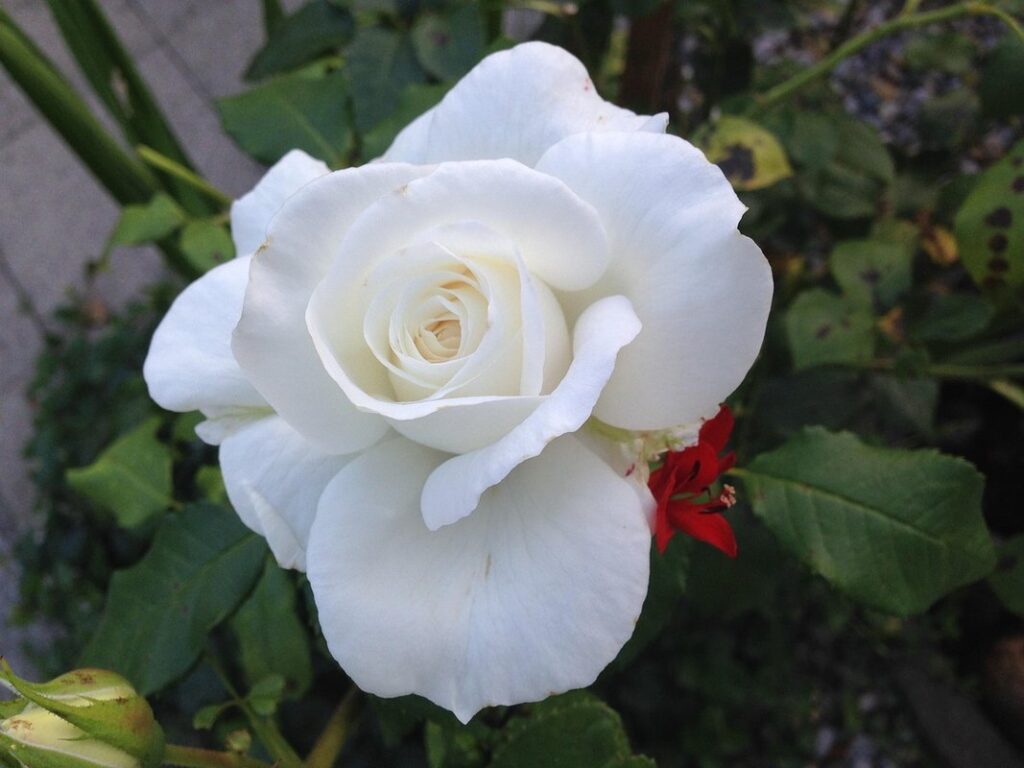
Understanding Cutting Gardens and Rose Varieties
Let’s dive into understanding what makes a perfect rose variety for your cutting garden, from bloom size to fragrant flowers. This matters because it directly impacts how you harvest and arrange your cut roses.
Benefits of Using a Cutting Garden
Having a dedicated cutting garden for rose arrangements is a game-changer for flower enthusiasts. One of the primary benefits is year-round blooms, which ensures that you have a constant supply of fresh roses for your arrangements. This is especially true when selecting a mix of early, mid-season, and late-blooming varieties, such as ‘Iceberg’, ‘Zephirine Droughin’, and ‘Double Delight’.
Another advantage of having a cutting garden is space efficiency. By growing multiple rose varieties in one area, you can maximize your yard’s potential and make the most of your space. This means that even small gardens or balconies can accommodate a cutting garden.
Reduced costs are also a significant perk of having a dedicated cutting garden. When you grow your own roses, you save money on purchasing fresh flowers from a florist or store. Plus, with a steady supply of blooms, you can create beautiful arrangements for special occasions without breaking the bank. To make the most of your cutting garden, consider planting a mix of annuals and perennials to ensure year-round blooms. This will also help you develop a more sustainable approach to flower arrangement design.
Types of Cut Flower Gardens
When it comes to designing a cut flower garden, you have several options for creating a stunning arrangement of blooms. One popular approach is to establish an annuals-only cutting garden, where you grow a variety of flowers that bloom throughout the season. This type of garden requires more maintenance, as the plants need to be replanted every year. However, it offers flexibility and allows you to change up your color palette and bloom types from year to year.
On the other hand, perennials-only gardens are a great choice for those who want low-maintenance blooms that come back year after year. Perennial flowers like peonies, hydrangeas, and daylilies require less upkeep than annuals, but they still provide a reliable source of cut flowers throughout the growing season.
If you’re looking for a more dynamic design, consider creating a mixed perennial and annual garden. This type of garden combines the benefits of both worlds: perennials that come back year after year, and annuals that add pops of color and texture to your arrangements. By incorporating a mix of perennials and annuals, you can enjoy a constantly changing display of blooms from spring to fall.
When choosing roses for your cutting garden, consider how they will fit into one of these design styles. Will you focus on perennials like English roses or hybrid teas, which come back year after year? Or do you want the flexibility of annuals like miniature roses or floribundas that can be replaced every year?
Selecting the Best Rose Varieties for Cutting
When it comes to cutting garden perfection, selecting rose varieties that excel in vase life and beauty is crucial. We’ll explore some of the top performers here.
Factors to Consider When Choosing Roses
When selecting roses for your cutting garden, there are several key factors to consider. First and foremost, think about the fragrance you want to bring into your home. Some rose varieties, like David Austin English roses, are renowned for their intoxicating scent, while others, such as hybrid tea roses, may have little to no fragrance at all.
Consider the color palette you want to create in your cutting garden. Do you prefer a bold and bright arrangement or a softer, more pastel-hued look? Some rose varieties, like knock out roses, come in a range of colors, while others, such as antique roses, are often more muted. Think about the color scheme of your home and choose roses that will complement it.
Bloom size is another important factor to consider. If you’re looking for long-lasting bouquets, smaller blooms may be a better choice, as they’ll last longer in arrangements. On the other hand, if you prefer show-stopping, dramatic arrangements, larger blooms are the way to go.
Popular Rose Varieties for Cutting Gardens
When it comes to creating a stunning cutting garden, selecting the right rose varieties is crucial. Here are 7 popular choices that will add beauty and fragrance to your arrangements:
Among these, ‘Iceberg’ stands out for its exceptional cold hardiness and disease resistance. Its delicate white blooms with pale yellow centers make it an ideal choice for mixed bouquets. However, some gardeners may find its slightly scrawny growth habit a drawback.
On the other hand, ‘Oso Easy Paprika’ boasts vibrant red-orange flowers that are both long-lasting and fragrant. This shrub rose requires minimal maintenance, making it perfect for busy gardeners or those new to rose cultivation.
Other top picks include the hybrid tea ‘Peace’, known for its large, velvety blooms in soft pastel shades; the floribunda ‘Double Delight’, with its unique fragrance and abundant clusters of flowers; and the shrub rose ‘Knock Out Double Red’, offering non-stop blooms from spring to fall.
Hybrid Tea Roses for Cutting
When it comes to choosing roses that make stunning cuts, hybrid tea varieties are a top contender. They offer large, fragrant blooms and long stems perfect for arranging.
Characteristics and Benefits of Hybrid Tea Roses
Hybrid tea roses are a popular choice for cutting gardens due to their show-stopping blooms and long-lasting vase life. One of the most distinctive characteristics of hybrid tea roses is their large, single bloom size, which can grow up to 6 inches in diameter. This makes them a stunning addition to any bouquet or arrangement.
In addition to their impressive size, hybrid tea roses are also known for their intense fragrance, making them a favorite among rose enthusiasts. The fragrance is often described as old-fashioned and romantic, adding an extra layer of depth to the beauty of the blooms.
Another benefit of hybrid tea roses is their long vase life, typically lasting up to 10-14 days in arrangements. This makes them an ideal choice for cutting gardens where fresh flowers are desired throughout the year. To get the most out of your hybrid tea roses, be sure to cut the stems at an angle and immediately place them in a vase filled with cold water.
Popular Hybrid Tea Rose Varieties for Cutting
When selecting hybrid tea rose varieties for cutting gardens, it’s essential to choose blooms that not only showcase stunning colors and fragrances but also hold their shape well when cut. Among the many excellent options available, three popular hybrid tea rose varieties stand out: ‘Double Delight’, ‘Iceberg’, and ‘Peace’.
‘Double Delight’ is a showstopper in any cutting garden, boasting large, 4-6 inch blooms with delicate bi-colored hues of white and red. Its intoxicating scent makes it an excellent choice for bouquets and arrangements. On the other hand, ‘Iceberg’ boasts pure white flowers that reach up to 5 inches in diameter, providing a crisp, elegant look to any cut arrangement.
Meanwhile, ‘Peace’ brings a delicate touch with its semi-double blooms featuring soft pink hues. Its subtle fragrance and compact growth habit make it an ideal choice for smaller cutting gardens or containers.
Floribunda Roses for Cutting
If you’re looking for a low-maintenance yet vibrant addition to your cutting garden, look no further than Floribunda roses. These hybrid varieties are perfect for regular picking and come in a stunning array of colors.
Characteristics and Benefits of Floribunda Roses
Floribunda roses are a popular choice for cutting gardens due to their numerous advantages and characteristics. These hybrid tea roses produce clusters of blooms on long stems, making them perfect for creating stunning arrangements. One of the notable benefits of floribundas is their moderate fragrance, which adds an extra layer of beauty to your bouquets.
In addition to their attractive blooms, floribunda roses are also versatile in terms of color and growth habits. They come in a wide range of colors, including pink, red, yellow, and white, making them easy to pair with other flowers in your arrangements. Their compact growth habit makes them ideal for smaller gardens or container gardens.
When selecting floribunda roses for your cutting garden, look for varieties that produce long stems (at least 12 inches) and have a high bloom count. This will ensure you have an abundance of blooms throughout the growing season. Some popular varieties to consider include ‘Iceberg’, ‘Pink Perfume’, and ‘Double Delight’. With proper care, floribunda roses can provide you with an endless supply of beautiful blooms for your cutting garden arrangements.
Popular Floribunda Rose Varieties for Cutting
When it comes to adding some color and fragrance to your cut flower arrangements, Floribunda roses are an excellent choice. Not only do they produce a high volume of blooms on each stem, but their vibrant colors and intoxicating scents will elevate any bouquet. Let’s take a look at three popular Floribunda rose varieties that thrive in cutting gardens.
One standout variety is ‘Double Delight’, boasting large, fragrant blooms measuring up to 4 inches across. These sumptuous roses display velvety red petals with white stripes and a heady scent that’s sure to captivate. With plenty of repeat blooming throughout the summer months, ‘Double Delight’ will keep your cutting garden bursting with color.
Another popular choice is ‘Red Cascade’, producing masses of delicate, cupped blooms in a deep cherry-red hue. These tiny roses pack a punch when used en masse in arrangements or as individual stems in vases. Plus, their moderate fragrance makes them perfect for adding a subtle scent to bouquets.
Lastly, consider the ‘Sweet Surrender’ variety, which showcases large, ruffled blooms with a light lavender hue and moderate fragrance. This rose’s sturdy stems make it an ideal choice for cutting gardens, providing plenty of long-lasting blooms for your arrangements.
Climbing Roses for Cutting
When it comes to creating a stunning bouquet, climbing roses are a cut above the rest, offering long stems and beautiful blooms in a variety of colors. Let’s take a look at some popular options!
Characteristics and Benefits of Climbing Roses
Climbing roses are a treasure trove for cutting garden enthusiasts. One of their most notable characteristics is the impressive length of their stems, often reaching 6-8 feet or more, making them an excellent choice for dramatic arrangements and focal points in bouquets. This extended stem length also means you can cut multiple blooms from a single plant, maximizing your harvest.
In terms of fragrance, climbing roses tend to have a moderate scent, which is perfect for cutting gardens where the focus is on a mix of visual appeal and subtle aromatics. Their perfume will add depth and character to any arrangement without overpowering other flowers.
One of the benefits of climbing roses in your cutting garden is their versatility. They can be trained to grow up trellises, arbors, or even walls, making them an ideal choice for space-conscious gardeners. Plus, they come in a wide range of colors and bloom times, so you can enjoy a continuous supply of fresh flowers throughout the growing season.
Popular Climbing Rose Varieties for Cutting
When it comes to climbing roses that excel in cutting gardens, there are several varieties that stand out from the rest. One popular choice is ‘New Dawn’, a hybrid tea rose that produces an abundance of fragrant, pale pink blooms with a hint of peach undertones. Each bloom measures around 3-4 inches in diameter and releases a sweet, old-rose fragrance that’s perfect for perfuming bouquets.
Another excellent option is ‘Cecile Brunner’, also known as the ‘Sweet William’ rose. This shrub-like climber produces masses of small, delicate pink flowers with a subtle tea-like fragrance. The blooms are around 1-2 inches in diameter and come in clusters, making them ideal for creating full arrangements.
Lastly, consider growing ‘Zephirine Droughin’, a polyantha rose that boasts large, fragrant blooms in a soft lavender hue. Each bloom measures around 3-4 inches in diameter and releases a powerful, old-rose fragrance that’s sure to fill your garden with scent. These climbing roses are all excellent choices for adding beauty and fragrance to your cutting garden.
Miniature Roses for Cutting
When it comes to miniature roses, their compact size and bushy growth make them a perfect fit for cutting gardens, providing plenty of blooms. They’re ideal for tight spaces too!
Characteristics and Benefits of Miniature Roses
Miniature roses are an excellent choice for cutting gardens due to their unique characteristics and benefits. These compact roses typically grow between 1-3 feet tall, making them perfect for smaller spaces or containers. One of the most notable advantages of miniature roses is their small blooms, which measure around 1-2 inches in diameter. Despite their size, these tiny flowers pack a punch with their intense colors and delicate textures.
What’s more, miniature roses boast an impressive long vase life, often lasting up to 7-10 days when cut fresh. This makes them ideal for arrangements that require a touch of elegance without the need for frequent replacements. Additionally, miniature roses are relatively low-maintenance, requiring less water and pruning compared to their larger counterparts.
If you’re new to cutting gardens or looking to add some variety to your existing collection, consider incorporating miniature roses into your design. They come in a range of colors, including pastel shades and rich burgundies, ensuring there’s a perfect match for any theme or style. When selecting miniature roses, choose varieties with good stem strength to ensure they hold up well in arrangements. By doing so, you’ll be able to create stunning, long-lasting floral displays that bring joy to your home or garden.
Popular Miniature Rose Varieties for Cutting
When it comes to adding miniature roses to your cutting garden, there are several varieties that stand out from the rest. For example, ‘Snow Pavement’ is a popular choice among rose enthusiasts due to its delicate white blooms and strong fragrance. This miniature rose produces small, quarter-sized flowers with a subtle sheen to them, making it perfect for adding a touch of elegance to bouquets.
Another great option is ‘Patio’, which boasts vibrant pink flowers in varying shades from light pastel hues to deep magentas. With bloom sizes ranging from 1-2 inches in diameter, these roses add a pop of color and texture to any arrangement. Plus, they’re known for their sweet fragrance, making them perfect for cutting and enjoying indoors.
Lastly, consider adding ‘Munstead Wood’ to your garden, which produces delicate pink blooms with a subtle apricot undertone. These miniature roses are compact in size, growing only about 1-2 feet tall, but pack a punch when it comes to their intense fragrance and abundance of blooms.
Tips for Growing and Harvesting Roses for Cutting
Now that you’ve chosen your perfect rose varieties, let’s dive into tips on growing and harvesting them successfully for a beautiful cutting garden.
Plant Care and Maintenance for Cut Flower Gardens
When it comes to growing roses specifically for cutting gardens, plant care and maintenance are crucial for optimal performance. Proper watering is essential to prevent fungal diseases that thrive in moist conditions. Aim to provide about 1 inch of water per week through rainfall or irrigation, adjusting as needed based on local climate and soil type.
Fertilizing your cut flower rose garden regularly will promote healthy growth, but avoid over-fertilization which can lead to weak stems and poor blooms. A balanced fertilizer applied in early spring followed by a bloom-boosting formula mid-season should suffice. Don’t forget to deadhead spent blooms promptly, removing all seed heads to encourage repeat flowering.
Pruning techniques are vital for maintaining the desired shape and encouraging bushy growth. In late winter or early spring, prune canes that have finished blooming back by one-third to one-half their height. Remove any crossing or diseased stems throughout the growing season. These simple care tips will keep your cut flower roses looking their best while providing a bountiful harvest for your arrangements and bouquets.
Timing and Techniques for Rose Harvesting
Timing and techniques are crucial when it comes to harvesting roses for cutting. The ideal time to harvest depends on the type of rose, but generally, morning is the best time as the blooms have had a chance to plump up overnight. Look for flowers that have opened fully and show no signs of wilting. Check the color – unopened buds won’t be at their brightest.
To minimize damage during collection, gently twist and pull the stem away from the plant rather than pulling on the flower head itself. This helps prevent bruising the delicate petals. Remove excess foliage to leave about an inch of stem exposed. Leave a small portion of stem intact to allow for proper absorption of water.
It’s also essential to cut just above a five-leaf node, as this promotes healthy growth and encourages new blooms. Cut stems at an angle using sharp pruning shears or loppers to prevent water from collecting on the cut end.
Frequently Asked Questions
Can I combine different types of roses in my cutting garden?
Yes, mixing hybrid tea, floribunda, and climbing roses will provide a diverse selection of blooms throughout the year. This variety will also help to reduce the risk of disease and pests, as each type of rose has its unique characteristics.
How often should I water my cut flower garden during hot weather?
Watering is crucial for maintaining healthy roses in your cutting garden. During hot weather, aim to provide about 1 inch of water per week, either through rain or irrigation. Be mindful not to overwater, as this can lead to disease and pest issues.
What’s the best way to store cut roses after harvesting?
To keep your freshly cut roses looking their best, store them in a cool, dry place with minimal direct sunlight. Trim the stems at an angle every few days to promote water uptake, and avoid storing near heat sources or direct sunlight.
How can I protect my cutting garden from common pests and diseases?
Implementing integrated pest management (IPM) strategies is essential for maintaining a healthy cut flower garden. Regularly inspect your plants for signs of pests or disease, and take action promptly if you notice any issues. Consider using natural repellents like neem oil or insecticidal soap to minimize harm to beneficial insects.
Can I grow roses in containers as part of my cutting garden?
Yes, growing roses in containers is a great option, especially for small spaces or areas with poor soil quality. Choose compact or dwarf varieties specifically bred for container gardens and ensure the container has good drainage holes to prevent waterlogged soil.