
If you’re looking to add some Southern charm or dramatic beauty to your garden, look no further than the majestic magnolia tree. With over 200 varieties to choose from, selecting the right one can be overwhelming. Not only do magnolias come in a range of sizes and growth habits, but they also offer stunning flowers that bloom at different times of the year. From compact shrub forms like ‘Butterfly’ to towering specimen trees like ‘Jane’, each variety has its unique characteristics. To help you navigate this incredible world of magnolias, we’ll cover the basics of choosing the right variety for your needs, as well as expert tips on planting, watering, fertilization, pruning, and protecting these beautiful trees through the winter months.
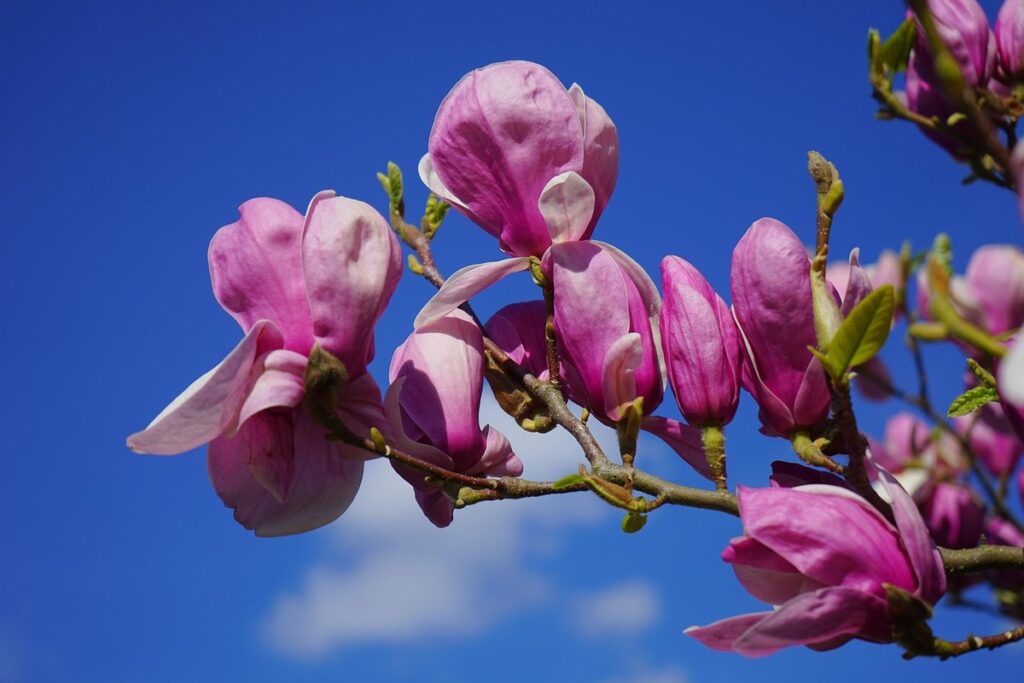
Choosing the Right Magnolia Variety
When it comes to adding a new magnolia tree to your garden, selecting the right variety is crucial. This can be overwhelming, but let’s break down some key factors to consider.
Introduction to Magnolia Types
When it comes to choosing the right magnolia tree for your garden, understanding the different types available is crucial. Magnolias come in two main categories: deciduous and evergreen varieties.
Deciduous magnolias, such as the ‘Jane’ or ‘Butterfly’, drop their leaves in autumn, providing a stunning display of color before going dormant during winter. These trees are ideal for cooler climates, where they can thrive in full sun to partial shade. Evergreen magnolias, like the ‘Star’ or ‘Moon Valley’, keep their dark green glossy leaves year-round, adding a lush and vibrant touch to any landscape. They prefer well-drained soil and partial shade to full sun.
Some popular hybrid varieties, such as the ‘Butterfly Jane’ or ‘Stellata’, exhibit characteristics from both deciduous and evergreen magnolias. These versatile trees offer an excellent balance between showy flowers and leaf retention. When selecting a magnolia tree, consider your climate, available space, and desired aesthetic to ensure you choose a variety that thrives in its new environment.
It’s also essential to note that some hybrid varieties can be more disease-resistant than others. Be sure to research the specific needs of your chosen variety to ensure it receives proper care.
Understanding Deciduous Magnolias
Deciduous magnolias are a unique and fascinating group of trees that offer something special to gardeners. Unlike evergreen magnolias, deciduous magnolias shed their leaves annually, typically in the fall, before entering dormancy. This characteristic makes them ideal for areas with harsh winters or where space is limited.
One of the most notable features of deciduous magnolias is their flowering pattern. They often bloom in late spring to early summer, producing large, showy flowers that can be a vibrant yellow, pink, or purple. Some popular varieties, such as ‘Jane’ and ‘Redmond’, are known for their exceptional blooming habits.
In the fall, deciduous magnolias put on a stunning display of color, with leaves often turning brilliant shades of red, orange, and yellow. This natural fireworks display is a favorite among gardeners who appreciate the transient beauty of seasonal changes.
When choosing a deciduous magnolia, consider factors like mature size, growth rate, and soil tolerance to ensure it thrives in your specific environment. With proper care and attention, these trees can become prized additions to any landscape, offering a unique combination of beauty and functionality.
Evergreen Magnolias: Year-Round Beauty
Evergreen magnolias are a wonderful choice for those seeking year-round beauty in their landscape. These trees offer a unique combination of stunning flowers and foliage that provide interest throughout the seasons. Unlike deciduous magnolias, evergreens keep their leaves all year round, ensuring that they remain a focal point in the garden even when the flowers have faded.
One of the most notable benefits of evergreen magnolias is their ability to thrive in warmer climates with minimal chill hours required for flowering. This makes them an excellent option for gardeners in regions with mild winters and hot summers. For example, the Magnolia grandiflora ‘D.D. Bleile’ is a popular variety that can tolerate temperatures up to 100°F (38°C) and produces large, fragrant flowers from mid-spring to early summer.
When selecting an evergreen magnolia, consider factors such as climate tolerance, mature size, and soil requirements. Be sure to plant them in well-draining acidic soil with full sun to partial shade conditions for optimal growth. With proper care, these stunning trees can provide decades of beauty and charm to your outdoor space.
Planting and Establishing a Healthy Magnolia Tree
When planting your new magnolia tree, it’s essential to follow some key steps to ensure its roots take hold and it establishes a strong foundation for years of beauty. A well-planted tree is the first step to a long and healthy life.
Preparing the Soil for Planting
When planting a new magnolia tree, it’s essential to prepare the soil correctly to ensure optimal growth and health. Before digging the hole, test the pH level of your soil to determine if it’s acidic, alkaline, or neutral. Magnolias prefer well-draining, slightly acidic soil with a pH between 5.5 and 6.5. If your soil is too alkaline, add sulfur-based products or peat moss to lower the pH.
Magnolia trees also require adequate nutrient levels, particularly nitrogen, phosphorus, and potassium (NPK). You can amend the soil by adding compost, manure, or a balanced fertilizer before planting. Be cautious not to over-fertilize, as this can cause more harm than good. For example, excessive nitrogen can lead to weak wood and poor flower production.
To ensure your magnolia tree gets off to a strong start, dig a hole that’s two to three times wider and just as deep as the root ball. Gently spread the roots outwards, taking care not to damage them. Finally, water thoroughly and keep the soil consistently moist during the first year after planting.
Planting Techniques for Optimal Growth
When planting a magnolia tree, it’s essential to get it off to a great start. Proper spacing and staking techniques can make all the difference in promoting optimal growth and ensuring your tree thrives for years to come.
First, let’s talk about spacing. Magnolias need enough room to spread their roots and branches, so choose a location that provides at least 15-20 feet of clearance on all sides. This will give your tree ample space to mature without competing with nearby plants for water and nutrients.
When it comes to staking, use sturdy stakes that are at least 6-8 inches long and insert them about 12 inches into the soil. Gently tie the stake to the trunk using soft material like twine or a flexible strap. Avoid tying too tightly, as this can damage the bark. Keep in mind that magnolias generally don’t need staking, but if you live in an area with strong winds or harsh weather conditions, it’s better to be safe than sorry.
A good rule of thumb is to plant your magnolia at a depth that allows the root flare (where the trunk flares out at the base) to sit about 1-2 inches above the surrounding soil. This will help prevent water from collecting in the crown and reduce the risk of root rot. With proper care, your magnolia tree should establish itself quickly and provide beautiful blooms for years to come.
Care and Maintenance of Magnolia Trees
To keep your magnolia tree thriving, it’s essential to understand its specific care and maintenance needs, which vary depending on the variety you’ve chosen. We’ll guide you through these crucial steps next.
Watering and Fertilization Requirements
When it comes to keeping your magnolia tree thriving, proper watering and fertilization are crucial. These trees prefer well-drained soil and adequate moisture, especially when they’re young. However, overwatering can lead to root rot and other issues. As a general rule of thumb, water your magnolia tree deeply once or twice a week during its first year after planting, depending on weather conditions.
As the tree matures, it becomes more drought-tolerant but still requires regular watering. Avoid underwatering by checking the soil moisture with a finger or a moisture meter. A good test is to stick your finger into the soil up to the knuckle; if the soil feels dry, it’s time to water.
When it comes to fertilization, magnolia trees require more nutrients than other types of trees. Use a balanced fertilizer (10-10-10 NPK) during the growing season (spring and summer), following the manufacturer’s instructions. However, be cautious not to over-fertilize, as this can damage your tree’s roots. A general rule is to fertilize annually, but skip it if your soil has already been tested and amended according to its pH levels and nutrient content.
Avoid applying fertilizer during extreme weather conditions or when the tree is under stress. Instead, opt for a slow-release fertilizer that provides nutrients gradually over several months. By following these guidelines, you’ll give your magnolia tree the care it needs to flourish for years to come.
Pruning for Shape and Health
Regular pruning is an essential part of maintaining a healthy and well-shaped magnolia tree. This process not only helps to control the size and shape of the tree but also promotes a balanced growth pattern, which is critical for its overall health.
When it comes to pruning magnolias, timing is everything. The best time to prune your magnolia tree depends on its age and the reason for pruning. Young trees typically require more frequent pruning, especially during their first few years after planting, as this helps them establish a strong root system. For established trees, spring or early summer is usually the best time to prune.
Some tips to keep in mind when pruning your magnolia tree include:
* Remove any dead, diseased, or damaged branches
* Cut back overgrown branches to maintain shape and size
* Prune in moderation, as excessive pruning can stress the tree
For example, if you’re looking to control the size of your tree, prune only what’s necessary to achieve the desired shape. It’s also essential to make clean cuts using sharp tools to prevent damage to the tree. By incorporating regular pruning into your magnolia care routine, you’ll be rewarded with a stunning and healthy tree that thrives for years to come.
Common Problems and Pests Affecting Magnolias
As you nurture your magnolia tree, it’s not uncommon for pests and diseases to emerge, causing damage to leaves, flowers, and even roots. Let’s take a look at some common issues that may arise in these beautiful trees.
Identifying and Managing Disease Issues
Magnolias are susceptible to various diseases that can cause significant damage if left unchecked. One of the most common issues is leaf spot, caused by fungi such as Cercospora and Septoria. This disease manifests as yellowing or browning leaves with distinctive spots, often accompanied by a white powdery coating on the underside. To prevent leaf spot, ensure good air circulation around your magnolia tree by pruning nearby vegetation and maintaining a healthy soil pH.
Root rot is another serious concern, typically resulting from overwatering or waterlogged soil conditions. This can be avoided by carefully monitoring your tree’s watering needs and adjusting accordingly. Regularly inspect the roots for signs of decay or fungal growth, taking prompt action if you notice any issues.
To treat root rot, remove affected roots and repot the tree in well-draining soil mix. Fungicides may also be necessary to control fungal infections. Regular maintenance, such as mulching and providing adequate sunlight, can help prevent disease issues from arising in the first place.
Insect Pests and How to Control Them
Magnolias are susceptible to various insect pests that can cause significant damage if left unaddressed. One of the most common culprits is the magnolia scale, which secretes a sticky substance called honeydew as it feeds on sap. This can attract ants and promote the growth of sooty mold, further compromising the tree’s health.
Other notable pests include aphids, which feed on sap and secrete their own sweet liquid that attracts other insects, and spider mites, tiny arachnids that spin fine webs and suck plant juices. To manage these pests effectively, adopt an integrated pest management (IPM) approach.
This means combining physical controls like pruning infested areas with chemical treatments as a last resort. Encourage beneficial insects such as ladybugs and lacewings, which prey on aphids and scales. Regularly inspect your tree for signs of infestation and take action promptly to prevent the problem from spreading. Maintain good garden hygiene by removing weeds and debris that can harbor pests.
Use neem oil or horticultural oil to suffocate pests like spider mites, and apply insecticidal soap to control aphid populations. Always follow label instructions when using chemicals, and consider consulting with a gardening expert for guidance on effective IPM strategies tailored to your specific situation.
Winter Protection and Preparing Magnolias for Harsh Weather
To ensure your magnolia tree thrives through harsh winter weather, it’s crucial to take preventative measures to protect its delicate branches from damage and freezing temperatures. Proper preparation is key.
Protecting Young Trees from Cold Damage
Young magnolias are indeed more vulnerable to cold damage than their mature counterparts. As you’re probably aware, young trees still have delicate root systems and may not have developed sufficient defense mechanisms against harsh weather conditions. When it comes to protecting these sensitive beauties from the rigors of winter, there are several things you can do.
Firstly, mulch is your best friend when it comes to safeguarding young magnolias from cold damage. Spread a thick layer (around 3-4 inches deep) of organic mulch around the base of the tree. This will help insulate the roots and regulate soil temperature. Additionally, ensure that the mulch doesn’t touch the trunk as this can lead to rot.
It’s also crucial to water your young magnolias regularly during periods of drought or prolonged cold snaps. Water helps to keep the sap flowing and prevents damage from dehydration. When it comes to fertilization, delay feeding until spring arrives, as excessive nitrogen can weaken the tree’s ability to withstand cold temperatures.
Tips for Older Trees: Mulching and Winter Care
As winter approaches, older magnolia trees require special care to withstand harsh weather conditions. Mulching is an essential technique for protecting their roots and promoting healthy growth during the cold months.
Apply a 2-3 inch layer of organic mulch around the base of your mature magnolia tree, keeping it several inches away from the trunk. This helps retain moisture in the soil and reduces soil temperature fluctuations. Consider using wood chips or bark as they’re readily available and inexpensive. Avoid piling mulch against the trunk, as this can create a humid environment that fosters disease.
Other winter care techniques include pruning any dead or damaged branches, which should be done before winter sets in to prevent damage from snow or ice. Also, ensure your tree is well-watered prior to winter, as older magnolia trees are more susceptible to drought stress during the cold months. By implementing these simple yet effective techniques, you’ll help your mature magnolia tree thrive come springtime. Regularly inspect your tree for signs of damage and take action promptly to prevent further harm.
Propagation Methods for Magnolias
Magnolia enthusiasts, whether you’re a seasoned gardener or just starting out, propagating magnolias from seeds, cuttings, and grafting is an exciting process to explore. We’ll walk through each method in detail below.
Seed Germination and Grafting Techniques
Seed germination is one of the earliest methods used to propagate magnolias. It’s a straightforward process that involves sowing seeds indoors 6-8 weeks before the last frost date. To achieve success, it’s crucial to choose high-quality seeds from mature trees. A viable seed will have a light brown or reddish-brown tint, while an immature one will appear dark green.
To start the germination process, fill small pots with a well-draining seed starting mix and sow 2-3 seeds about 1 inch deep. Water gently but thoroughly, and place the pots in a warm location with temperatures ranging from 70°F to 80°F (21°C to 27°C). Keep the soil consistently moist during this period.
Grafting is another effective method of propagating magnolias. It’s particularly useful for preserving unique cultivars or achieving specific growth characteristics. This technique involves joining a piece of stem from one tree (the scion) onto the root system of another tree (the rootstock). The most common grafting techniques used in magnolia propagation are whip-and-tongue, cleft-grafting, and bud-grafting.
When it comes to choosing between seed germination and grafting, it’s essential to consider the specific needs of your trees. Grafting allows for more control over the resulting tree’s characteristics, while seed germination can lead to varying results due to genetic variation.
Layering and Budding: Additional Propagation Options
In addition to stem cuttings and seed propagation, there are two more methods you can use to propagate magnolia trees: layering and budding. Layering involves bending a branch of the mother tree down to the ground and weighing it down with rocks or soil until roots develop. This method allows for rooting without damaging the parent plant.
Budding is another technique that involves grafting a bud from one magnolia tree onto the root system of another. This can be done to combine desirable traits like disease resistance, hardiness, or specific growth habits. Budding can also help overcome challenges like limited space or climate-specific restrictions.
Both methods offer advantages over traditional stem cuttings and seed propagation. Layering allows for a higher success rate and more control over the rooting process, while budding enables you to introduce new characteristics into your tree’s lineage.
When attempting layering or budding, be sure to choose healthy branches from mature trees with desirable traits. Make clean cuts, secure the branch firmly in place, and provide optimal growing conditions for the developing roots.
Frequently Asked Questions
How do I determine the right soil pH for my magnolia tree?
Magnolias generally prefer a slightly acidic to neutral soil pH, ranging from 6.0 to 7.0. You can test your soil pH using a DIY kit or send a sample to a lab for analysis. Based on the results, you can adjust the soil with organic matter like compost or peat moss to achieve the ideal pH range.
Can I grow magnolia trees in containers if I have limited space?
Yes, many magnolia varieties can thrive in containers, but make sure to choose a large enough pot (at least 24-36 inches deep) and use a well-draining mix specifically designed for container gardens. Regularly water and fertilize your container-grown magnolias, as the root system may not be as extensive as those grown in the ground.
How often should I prune my mature magnolia tree to maintain its shape?
Prune your mature magnolia tree annually, ideally after it finishes blooming, to maintain its desired shape. Remove any dead or damaged branches and thin out the canopy to allow for air circulation and sunlight penetration. Cut back overgrown tips to encourage new growth.
What are some common pests that affect magnolia trees, and how can I control them?
Common pests affecting magnolias include scales, aphids, and spider mites. Control these infestations by inspecting your tree regularly and treating any affected areas with insecticidal soap or neem oil. Encourage beneficial insects like ladybugs and lacewings to visit your garden.
Can I propagate new magnolia trees from seed, or is grafting the only option?
While it’s technically possible to grow a new magnolia tree from seed, grafting is generally recommended for several reasons: 1) grafted trees produce flowers earlier in their life cycle, and 2) they’re more likely to retain the desirable characteristics of the parent tree. However, if you prefer to propagate from seed, ensure it’s from a healthy, disease-free tree.