
If you’re a gardening enthusiast or simply looking to add some vibrancy to your outdoor space, you’re likely no stranger to the beauty and elegance of tulips. However, did you know that there are numerous types of tulips beyond what meets the eye? From the stunning Darwin hybrids, prized for their large blooms and vibrant colors, to species tulips, which boast unique characteristics and hardiness, the world of tulips is more diverse than you think.
In this article, we’ll delve into the different types of tulips, exploring their characteristics, features, and uses. Whether you’re a seasoned gardener or just starting out, learning about the various classifications will help elevate your gardening skills and give you the confidence to choose the perfect tulip for your needs. We’ll also touch on lily-tulip hybrids, offering an exciting blend of traits from both parent plants. By the end of this article, you’ll be well-versed in the wonderful world of tulips!
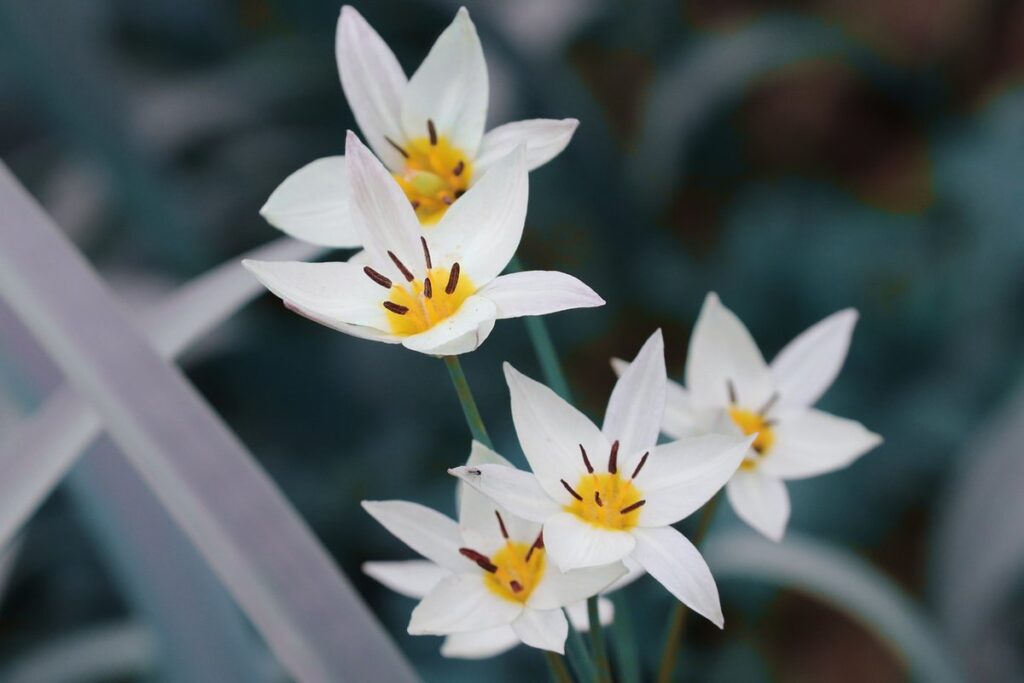
Classification and Origins
To truly appreciate the diversity of tulips, let’s delve into their classification and origins, where we’ll explore the various families and historical roots that make each type unique.
History of Tulip Cultivation
Tulip cultivation has a rich and fascinating history that spans over 400 years. The tulip’s origin dates back to Central Asia, where it was first cultivated by the Turks in the 10th century. From there, its popularity spread throughout the Ottoman Empire, reaching Europe in the 16th century. The Dutch were particularly enamored with tulips and cultivated them extensively during the 17th century.
The tulip trade became a significant economic force in the Netherlands, with rare bulbs selling for exorbitant prices. This phenomenon is often referred to as “Tulip Mania.” The unique characteristics of different tulip varieties soon caught the attention of breeders, who began experimenting and developing new types. Today, there are over 150 species of tulips, each with its own distinct features.
As global trade and communication improved, tulip cultivation spread across continents, influenced by various cultures. Modern-day enthusiasts continue to innovate, creating new hybrids that showcase the versatility of this iconic flower.
Major Classification Systems
Tulip enthusiasts often encounter various classification systems when exploring the world of tulips. At its core, tulip classification is rooted in understanding the flower’s botanical characteristics, horticultural performance, and hybridization history.
One primary classification system divides tulips into 15 groups based on their botanical features, including flower shape, color, and growth habits. These include classifications like Fosteriana, Greigii, and Kaufmanniana. For instance, the Fosteriana group is characterized by its large, flared flowers in vibrant colors.
Horticulturally, tulips are often grouped according to their growth patterns, such as early-season bloomers, mid-season bloomers, or late-season bloomers. This classification helps gardeners plan their planting schedules and anticipate when different varieties will bloom.
Hybridization has also given rise to new classification systems within the world of tulips. Many modern tulip varieties are the result of cross-breeding between species, leading to complex categorizations that can be challenging for beginners to navigate. Understanding these classifications is essential to identifying and appreciating the diversity within the world of tulips.
Darwin Hybrids and Their Variations
As you explore the diverse world of tulips, let’s take a closer look at Darwin Hybrids, one of the most popular and striking varieties. These hybrids boast vibrant blooms in an array of colors.
Characteristics and Features
Darwin hybrids are one of the most beloved and sought-after varieties among tulip enthusiasts. These stunning flowers boast an array of vibrant colors, from fiery reds to radiant yellows, and even delicate pastel hues. But what sets them apart is their intricate patterns – stripes, swirls, and even flame-like effects that add an extra layer of visual interest.
Breeding these remarkable flowers involves a great deal of skill and patience. By selectively breeding different tulip varieties, breeders have created an astonishing array of new types with unique characteristics. For instance, the ‘Lilac Wonder’ Darwin hybrid boasts delicate lilac petals with golden undertones, while the ‘Flaming Spring’ variety features bold red flowers with intricate orange stripes.
To grow your own vibrant Darwin hybrids, make sure to plant them in well-draining soil and provide full sun exposure. Deadhead regularly to encourage repeat blooming and keep an eye out for potential pest issues, such as aphids or slugs.
Popular Varieties and Cultivation Tips
When it comes to popular Darwin hybrid tulip varieties, some of the most sought-after are ‘Black Hero’, ‘Queen of Night’, and ‘Red Emperor’. These stunning blooms are not only visually striking but also relatively low-maintenance.
‘Black Hero’ is a dark, almost black tulip with hints of red. To cultivate this variety, ensure it receives full sun to partial shade, as direct sunlight can scorch its delicate petals. Plant ‘Black Hero’ in well-draining soil and water regularly during the first growing season. Fertilize lightly after blooming.
In contrast, ‘Queen of Night’, with its deep maroon color, prefers slightly acidic soil and consistent moisture. Avoid overwatering, as this can lead to root rot. Provide support for tall stems and deadhead spent flowers to encourage repeat blooms.
‘Red Emperor’ is a vibrant red tulip that thrives in well-draining soil and full sun. Divide and replant every 3-4 years to maintain vigor and prevent overcrowding.
Species Tulips (Tulipa Fosteriana Group)
Species tulips, part of the Tulipa Fosteriana Group, are a stunning addition to any garden, known for their vibrant colors and elegant blooms that grow up to 12 inches tall.
Description and Characteristics
Species tulips, belonging to the Tulipa Fosteriana Group, boast some of the most distinctive and captivating characteristics among all tulip types. One of their standout features is the cup-shaped blooms that resemble a delicate, curved cup. These unique flowers often have three petals and three sepals, giving them a somewhat asymmetrical yet elegant appearance.
Their slender stems are another notable trait that sets species tulips apart from other varieties. While some tulips have sturdy, upright growth habits, species tulips typically grow between 12 to 18 inches in height, creating a more refined and delicate presence in the garden. This compact size makes them an excellent choice for smaller spaces or when used as accents in mixed borders.
In terms of their growth habits, species tulips tend to bloom later than other types of tulips, often emerging after the main spring bulb rush has passed. This delayed blooming allows them to avoid being swamped by more aggressive growers and creates a delightful surprise among the late-spring flowering bulbs.
Popular Varieties and Uses
One of the most captivating aspects of species tulips is their versatility and diversity. Within the Tulipa Fosteriana Group, you’ll find a range of popular varieties that have captured the hearts of gardeners and florists alike. Take ‘Fosteriana’, for instance, which boasts large, cup-shaped blooms in vibrant shades of pink, red, and purple. These robust flowers are perfect for adding a pop of color to spring gardens, and their sturdy stems make them ideal for cut flower arrangements.
Another showstopper is ‘Kangaroo Paw’, with its unique, claw-like petals that give the appearance of a kangaroo’s paw. This variety is prized for its striking orange and red hues, which add a dramatic flair to bouquets and centerpieces. Meanwhile, ‘Spring Green’ brings a touch of elegance with its delicate, pale green blooms. These slender flowers are often used in mixed arrangements to create a soft, romantic look.
When choosing species tulips for your garden or floral design, consider the unique characteristics of each variety. For example, if you’re after statement pieces, opt for ‘Fosteriana’ or ‘Kangaroo Paw’. If you prefer a more subtle aesthetic, ‘Spring Green’ is an excellent choice.
Fosteriana Hybrids and Their Benefits
Fosteriana hybrids are a unique and exciting type of tulip, offering stunning blooms and numerous benefits for gardeners. Let’s explore what makes them special.
Characteristics and Features
Fosteriana hybrids are known for their stunning large, showy blooms that can reach up to 6 inches in diameter. These vibrant flowers come in a wide range of colors, including shades of pink, yellow, red, and white. The robust stems of Fosteriana hybrids support the weight of these substantial blooms, making them an excellent choice for gardeners who want to make a statement in their gardens.
One of the key features that set Fosteriana hybrids apart from other types of tulips is their long-lasting blooms. They typically remain vibrant and unfaded for several weeks, providing a prolonged display of color and beauty. This makes them ideal for florists who want to create stunning arrangements that will impress clients.
For gardeners, Fosteriana hybrids offer a range of benefits, including low maintenance requirements and adaptability to different climates. Their robust stems can withstand harsh weather conditions, such as strong winds and heavy rainfall, making them an excellent choice for gardens with challenging conditions. Whether you’re a seasoned gardener or just starting out, Fosteriana hybrids are sure to bring a touch of elegance and sophistication to your garden or arrangements.
Popular Varieties and Growing Conditions
Fosteriana hybrid tulips are known for their vibrant colors and elegant blooms. Among the most popular varieties are ‘Red Emperor’, ‘Purple Emperor’, and ‘Spring Green’. These stunning flowers showcase the unique characteristics of Fosteriana hybrids, which typically bloom in late spring to early summer.
To grow these beautiful flowers, it’s essential to provide them with the right conditions. They require full sun to partial shade, meaning they need at least 6 hours of direct sunlight per day. Well-draining soil is also crucial, as Fosteriana hybrids don’t tolerate wet feet well. These tulips thrive in USDA hardiness zones 3-8 and can be grown in containers or directly in the ground.
When planting Fosteriana hybrids, make sure to choose a location with good air circulation to prevent disease. Water them regularly during their first growing season, but avoid overwatering, which can lead to root rot. By following these simple tips, you’ll be able to enjoy the majestic blooms of ‘Red Emperor’, ‘Purple Emperor’, and ‘Spring Green’ in your garden or container arrangements.
Lilies-Tulips Hybrids (Lily Tulipa)
Let’s explore one of the most fascinating categories within tulip varieties: Lily Tulipa hybrids, which blend the best traits from both parent flowers. These unique blooms are a treat to behold in gardens and arrangements.
Characteristics and Features
Lilies-Tulips hybrids, also known as Lily Tulipa, are a unique and striking variety of tulip. One of their most distinctive characteristics is their large, trumpet-shaped blooms that resemble lily flowers but with the vibrant colors and patterns associated with tulips. These blossoms can reach up to 3-4 inches in length and come in an array of colors including pink, yellow, red, and bi-colored combinations.
The slender stems of Lilies-Tulips hybrids are another notable feature, often growing taller than other tulip types, reaching heights of around 12-18 inches. This height can make them a beautiful addition to gardens, particularly when planted en masse or in containers. Their narrow foliage is also relatively low-maintenance, requiring less support and care compared to some other varieties.
Their unique blend of lily and tulip traits makes Lilies-Tulips hybrids a standout choice for gardeners seeking something different from the typical cup-shaped tulip blooms. When selecting these hybrids for your garden, be sure to choose a spot with full sun to partial shade and well-draining soil for optimal growth and flowering.
Popular Varieties and Uses
If you’re looking to add some unique flair to your garden or arrangements, consider incorporating Lilies-Tulips hybrids into your design. One popular variety is ‘Lily Tulipa’, a beautiful blend of lily and tulip characteristics that boasts delicate white petals with golden edges. Another standout is ‘Aphrodite’, named after the Greek goddess of love, which features vibrant pink petals with yellow centers.
For a more exotic touch, consider adding ‘Tulipe’ to your arrangements or garden beds. This hybrid variety boasts large, fragrant blooms in shades of red and orange. When it comes to using Lilies-Tulips hybrids in gardens, they can add a pop of color and fragrance to flowerbeds, while also attracting pollinators like bees and butterflies.
In terms of cut flower production, these hybrids are ideal for arrangements due to their long-lasting blooms and striking colors. To incorporate them into your designs, simply snip the stems at an angle, remove any lower leaves, and place in a vase with fresh water.
Conclusion and Future Developments
As you’ve learned about the many types of tulips, let’s summarize the key takeaways and look ahead to future developments in the world of tulip cultivation.
Recap of Key Points
To ensure you can make informed gardening decisions, let’s recap the main points covered in this comprehensive guide to types of tulips. We’ve explored the unique characteristics and features of each type, from the vibrant and cup-shaped Darwin Hybrids to the striking and flared Single Early Tulips.
You now know that Fosteriana Tulips thrive in warmer climates and come in a wide range of colors, while Greigii Tulips showcase their beautiful markings and patterns. These differences are crucial when choosing which tulip type to plant in your garden. Consider the amount of sunlight and soil conditions you have available when selecting a type.
Remember, understanding the distinct features of each tulip type allows you to create a diverse and visually appealing display. For example, if you want a mid-season bloom, look for varieties like Greigii or Kaufmanniana Tulips. Similarly, if you’re looking for long-lasting blooms, Darwin Hybrids are an excellent choice.
Ultimately, being aware of the different types of tulips empowers you to make deliberate choices that suit your garden’s specific needs and enhance its beauty throughout the growing season.
Final Thoughts and Recommendations
As we’ve explored the vast and wondrous world of tulip types, it’s clear that there’s no shortage of options to suit every taste and garden style. From classic Darwin Hybrids to exotic species like Tulipa fosteriana, each type brings its unique charm and characteristics to the table.
For those looking to explore these varieties further in their own gardens or arrangements, we recommend starting small. Begin by selecting one or two types that particularly catch your eye, and experiment with different growing conditions and combinations to see what works best for you. For instance, if you’re new to gardening, consider starting with a hardy, low-maintenance type like the Fosteriana Tulip, which can thrive in a variety of environments.
Remember, the key to fully appreciating the diversity of tulips is to experiment and have fun. Don’t be afraid to try new things, take risks, and push your garden or arrangement beyond its comfort zone. With patience, practice, and a willingness to learn, you’ll be amazed at the beauty and complexity that these incredible flowers can bring to your life.
Frequently Asked Questions
Can I grow tulips in containers if I don’t have garden space?
Yes, you can definitely grow tulips in containers, making them a great option for small spaces or indoor gardens. Choose compact varieties and use a well-draining potting mix to ensure they thrive. Keep the soil moist but not waterlogged, and provide full sun for optimal blooms.
What’s the difference between Darwin Hybrids and other types of tulips?
Darwin Hybrids are known for their large, vibrant blooms and strong stems, making them ideal for cut flower arrangements. They’re also more disease-resistant than some other varieties, but require staking to prevent stem breakage. If you’re looking for a low-maintenance option with impressive flowers, Darwin Hybrids might be the way to go.
How can I store tulip bulbs over winter to ensure they bloom next year?
To ensure healthy blooms in the spring, it’s essential to store your tulip bulbs properly over winter. After blooming, cut back the foliage and allow the bulbs to dry out completely. Store them in a cool, dark place with good air circulation, keeping them away from moisture and pests.
Can I grow tulips indoors during the winter months?
While tulips typically thrive outdoors, you can grow them indoors using forced bulbs or by placing them in a bright, sunny window. Choose varieties that are suitable for indoor growing, such as ‘Paperwhite’ or ‘Preparation’, and provide consistent moisture and temperatures between 40-50°F (4-10°C).
Are lily-tulip hybrids suitable for beginner gardeners?
Lily-tulip hybrids offer an exciting blend of traits from both parent plants, but may require a bit more care than other varieties. They prefer well-draining soil and full sun to partial shade, making them ideal for gardens with these conditions. With proper care, lily-tulip hybrids can provide stunning blooms and add unique character to your garden.