
Propagating hydrangeas from cuttings can be a rewarding experience for any gardener. Not only is it a cost-effective way to multiply your favorite varieties, but it also allows you to create new plants with identical characteristics. However, successfully propagating hydrangeas from cuttings requires attention to detail and the right techniques. In this article, we’ll walk you through the step-by-step process of preparing and planting hydrangea cuttings, as well as provide valuable tips on aftercare to ensure your new plants thrive. With our guide, you’ll be able to learn how to propagate hydrangeas from cuttings with confidence, giving you a fresh supply of these beautiful flowers for years to come.
Choosing Healthy Mother Plants
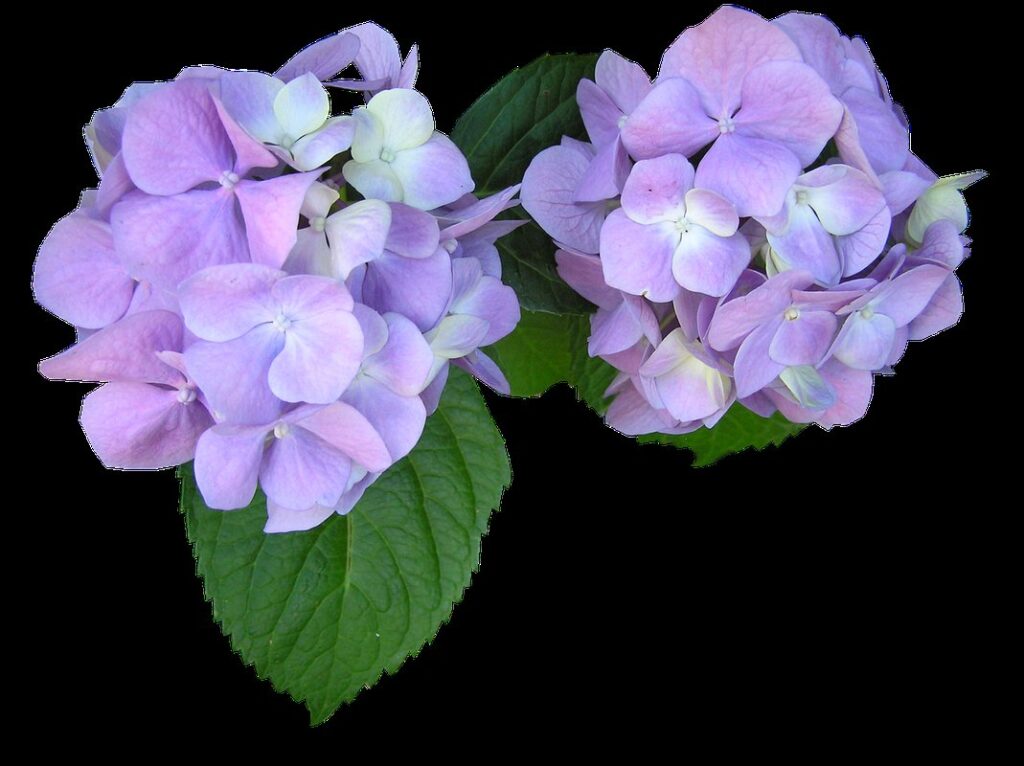
When selecting a healthy mother plant for propagation, look for vigorous growth, plenty of leaves, and flowers that are fully open and fragrant. A thriving mother plant sets the foundation for successful cuttings.
Selecting the Right Type of Hydrangea for Cutting
When selecting the right type of hydrangea for cutting propagation, it’s essential to consider their characteristics and growth habits. Hydrangeas can be broadly categorized into two main types: Bigleaf (Hydrangea macrophylla), Panicle (Hydrangea paniculata), and Smooth (Hydrangea arborescens) hydrangeas.
Bigleaf hydrangeas, known for their stunning blue or pink flowers, are the most common type of hydrangea used in cutting propagation. They tend to be more sensitive to moisture levels and require well-draining soil to prevent root rot. This type is ideal for those looking to propagate hydrangeas with large, showy blooms.
Panicle hydrangeas, on the other hand, produce long, cone-shaped flowers that are often white or light pink in color. They are more forgiving when it comes to moisture levels and can thrive in a wide range of soil types. This type is best suited for those who want to propagate hydrangeas with large panicles.
When choosing a mother plant, look for one that is disease-free, has healthy foliage, and produces plenty of flower stems. Consider factors like climate, soil type, and available sunlight when selecting the right type of hydrangea for your specific environment. By choosing the right type of hydrangea, you’ll set yourself up for success in propagating healthy cuttings.
Identifying Healthy Mother Plants
When selecting healthy hydrangea mother plants for propagation by cuttings, it’s essential to choose specimens with good potential for producing quality cuttings. To identify suitable mother plants, look for hydrangeas that are at least two years old and have a well-established root system. Avoid plants that appear stressed, diseased, or infested with pests.
Some key indicators of healthy hydrangea mother plants include:
* A robust and dense foliage growth
* Plump, vibrant flowers in the desired color (bigleaf varieties can produce blue or pink flowers)
* Strong stem thickness, ideally around 1-2 inches in diameter
* A prominent root system visible above ground or below
Avoid taking cuttings from weak or struggling plants, as this will only propagate poor growth. Opt for hydrangeas grown under optimal conditions, with adequate sunlight and watering. For bigleaf varieties, look for a mix of blue and pink flowers on the same plant, as this often indicates genetic diversity and better quality cuttings.
Preparing Cuttings
To successfully propagate hydrangeas from cuttings, you’ll first need to prepare them for rooting by carefully selecting and preparing healthy stems. This step is crucial for your plant’s survival.
When to Take Cuttings from Hydrangeas
When it comes to taking cuttings from hydrangeas, timing is everything. The best time to take cuttings depends on several factors, including climate, seasonality, and the plant’s growth stage.
In general, it’s best to take cuttings during the spring or fall, when the plant is dormant or semi-dormant. This allows the new cutting to establish itself before the heat of summer sets in. In warmer climates, you can take cuttings from mid-winter to early spring, while in cooler climates, you can take them from late winter to early spring.
Avoid taking cuttings during the hottest months of the summer, as this can cause stress to the plant and reduce the chances of successful propagation. Also, steer clear of taking cuttings when the plant is under stress due to disease or pests, as this can further weaken the plant.
By timing your cutting correctly, you’ll increase the chances of success and ensure that your new hydrangea is healthy and thriving from the start. Remember to choose sections with plenty of nodes (the point where a leaf meets the stem) for the best results.
Collecting and Cleaning the Cutting Materials
When collecting stem sections for hydrangea propagation, it’s essential to choose healthy material. Look for stems with at least two nodes (the joint where a leaf meets the stem) and a minimum of 3-4 inches of growth. Avoid taking cuttings from weak or diseased plants, as this can lead to poor rooting success.
To prepare the cutting materials, gently remove lower leaves, leaving only two or three sets of leaves at the top. This helps prevent waterlogged stems and reduces the risk of fungal diseases. Use a pair of clean scissors or pruning shears to make clean cuts just above a node.
Now, it’s time to clean the cutting materials. Wash the stem sections in a gentle detergent solution (1 tablespoon of mild soap per gallon of water) for about 10-15 minutes. Rinse thoroughly with lukewarm water to remove any soap residue. This step is crucial in removing bacteria and other contaminants that can affect rooting. You should now have clean, prepared cutting materials ready for the next step: treating them with a rooting hormone to enhance propagation success.
Root Hormone Application and Cut End Preparation
Now that you’ve gathered your cuttings, it’s time to prepare them for rooting: here we’ll cover how to apply root hormone and prep those cut ends.
Types of Root Hormones for Hydrangea Cuttings
When it comes to propagating hydrangeas from cuttings, selecting the right root hormone is crucial for successful rooting. Several types of root hormones are available on the market, each with its unique properties and uses.
Clonex Rooting Hormone Gel is a popular choice among gardeners, offering a gentle yet effective way to stimulate root growth. This gel is absorbed quickly by the cutting, promoting the development of a robust root system. However, it’s essential to apply it sparingly, as excessive amounts can lead to over-stimulation and poor rooting results.
Another option is Dip ‘N Grow Root Stimulator, which comes in liquid form. It contains a blend of vitamins and plant extracts that help promote cell division and root development. This product is ideal for cuttings with larger stem diameters, as it provides an extra boost of nutrients to support healthy growth.
Some gardeners also swear by the effectiveness of Dyna-Gro Root Stimulator Powder. Although more granular in texture than liquid or gel formulas, this powder can be easily mixed with water and applied directly to the cut end.
Applying Root Hormone and Sealing the Cut End
Applying root hormone to the cut end of the hydrangea stem is a crucial step in promoting successful propagation. To apply it correctly, gently hold the cutting at an angle and carefully open up the lower node using a sharp, sterile knife or pruning tool. Then, dip the cut end into the root hormone powder or liquid, making sure to cover the entire area where you made the incision.
It’s essential to use the right amount of root hormone, as too little may not be effective, while too much can cause damage to the stem. A light dusting of powder is usually sufficient, but follow the manufacturer’s instructions for specific guidance. After applying the root hormone, gently seal the cut end with a small amount of rooting gel or wax, taking care not to overdo it.
This will help prevent moisture loss and create a protective barrier around the newly applied hormone. Make sure to apply gentle pressure to ensure the sealing substance adheres properly without causing damage to the delicate tissue.
Planting Hydrangea Cuttings
Now that you have taken your hydrangea cuttings, it’s time to plant them in a rooting medium where they can develop roots and grow into new plants. This is typically done in a warm location with high humidity.
Propagation Medium Options for Hydrangeas
When it comes to propagating hydrangea cuttings, the propagation medium plays a crucial role in determining their success. You have several options available, and each has its own advantages.
Potting mix is a popular choice for propagation mediums, as it retains moisture while allowing excess water to drain. This helps prevent root rot and promotes healthy root development. However, some potting mixes can be too dense, causing the cutting’s roots to become constricted. To avoid this issue, look for a well-draining potting mix specifically designed for cuttings.
Sand is another option you can use as a propagation medium. It provides excellent drainage and prevents overwatering, which is essential for healthy root growth. However, sand can dry out quickly, so it’s crucial to monitor the moisture levels regularly. A combination of sand and perlite or vermiculite can also be used for added benefits.
You can also use a specialized cutting mix, which typically contains ingredients that promote rooting and reduce stress on the cutting. These mixes usually contain beneficial microorganisms, nutrients, and wetting agents that help to optimize root development.
Planting Cuttings in Small Pots or Cells
When planting cuttings into small pots or cells, it’s essential to handle them with care. Start by gently placing the cutting into a well-draining potting mix, making sure not to compact the soil around the roots. For a 1-2 inch cutting, use a cell pack tray or a small pot that is at least 6-8 inches deep. This will provide enough room for root development.
Water the soil gently but thoroughly after planting, and make sure the potting mix doesn’t become waterlogged. Provide adequate light by placing the cells or pots in a spot with bright indirect sunlight, such as an east-facing window. Maintain temperatures between 65-75°F (18-24°C) to promote root growth.
A common mistake is overwatering, which can lead to root rot and kill the cutting. Check the soil moisture daily, and only water when the top inch of soil feels dry to the touch. To minimize watering errors, use a moisture meter or stick your finger into the soil up to the first knuckle – if it’s dry at this point, it’s time for water.
Aftercare and Transplantation
Now that you’ve successfully rooted your hydrangea cuttings, it’s time to learn how to care for them and transplant them into their new home. Proper aftercare is crucial for a healthy start.
Providing Optimal Growing Conditions for New Hydrangeas
When you bring home newly propagated hydrangea cuttings, it’s essential to provide them with optimal growing conditions to ensure a healthy transition. Hydrangeas typically thrive in bright, indirect light, but direct sunlight can cause leaf scorch, especially during the first few weeks after propagation.
For the first 2-3 weeks, keep your newly propagated hydrangeas at temperatures between 65°F to 75°F (18°C to 24°C), which is slightly cooler than their mature growth requirements. Avoid placing them near heating or cooling vents, fireplaces, or drafty windows.
Maintain a humid environment by placing the pot on a tray filled with water and pebbles or using a humidifier nearby. This will help prevent stress caused by dry air, especially for sensitive varieties like Bigleaf Hydrangeas.
Water your hydrangea cuttings when the top inch of soil feels dry to the touch. Water thoroughly until you see water coming out from the drainage holes, then let the pot drain completely before placing it back under the humid tray or in its usual spot.
Transplanting Established Cuttings into Larger Pots
When your established cuttings have developed their first set of true leaves and are looking pot-bound, it’s time to transplant them into larger pots or directly into the garden. This typically occurs 2-3 months after taking the initial cutting.
Transplanting at this stage allows the roots to grow more freely, promoting a healthier and more robust plant. To minimize shock, choose a spot with similar growing conditions as the original potting mix, such as light exposure and soil type.
Before transplanting, gently remove any weak or damaged growth from the base of the cutting. This will encourage new stem growth and prevent competition for nutrients within the plant. Once transplanted, water thoroughly to settle the roots and provide adequate moisture until established.
When moving to a larger pot, use a well-draining mix specifically designed for hydrangeas. A minimum 12-inch diameter pot is recommended, but make sure it’s only as large as necessary to accommodate the plant’s root system.
Troubleshooting Common Issues in Hydrangea Cutting Propagation
Don’t get discouraged if your hydrangea cuttings aren’t thriving – common issues often arise, and we’re about to tackle some of them together. Let’s troubleshoot those pesky problems.
Identifying and Addressing Root Rot and Other Problems
One of the most common issues you may encounter when propagating hydrangeas from cuttings is root rot. This occurs when the cutting develops roots too quickly and becomes waterlogged, causing the roots to decay. To avoid this issue, make sure not to overwater your cuttings. Check the soil moisture regularly by sticking your finger into the soil up to the first knuckle. If the soil feels wet, wait another day or two before watering again.
Another problem you may encounter is leaf drop. This can be caused by a variety of factors including too much direct sunlight, underwatering, or root rot. To prevent leaf drop, provide your cuttings with bright, indirect light and maintain consistent moisture levels. If you notice any leaves dropping off, simply remove them to prevent the spread of disease.
Poor rooting is another common issue that can be caused by using old or diseased material, not providing enough warmth, or failing to provide adequate humidity. To promote healthy rooting, use fresh, healthy cutting material and place it in a warm location with high humidity.
Tips for Improving Success Rates with Cuttings
To achieve higher success rates with cuttings, it’s essential to follow some crucial tips. When selecting cuttings, choose fresh growth from late spring or early summer for the best results. Avoid taking cuttings from mature wood as they tend to be more challenging to root.
When preparing your cuttings, gently remove lower leaves, leaving only a few at the top of the stem. This helps prevent moisture loss and reduces the risk of disease. Dip the cut end into rooting hormone powder or liquid to stimulate growth.
For optimal rooting conditions, provide your cuttings with bright, indirect light and maintain consistent temperatures between 65°F to 75°F (18°C to 24°C). Monitor humidity levels and keep the soil consistently moist but not waterlogged. Keep in mind that hydrangeas typically take 2-4 weeks to develop roots.
To increase success rates further, consider using a propagation tray or a clear plastic bag to create a mini-greenhouse effect around the cuttings. This helps maintain humidity and prevents moisture loss.
Advanced Techniques and Variations in Hydrangea Propagation
Once you’ve mastered the basics, it’s time to get creative with advanced techniques and variations that can help you propagate hydrangeas like a pro. From rooting cuttings in unusual containers to experimenting with new propagation mediums.
Using Different Types of Hydrangea Cuttings (e.g., Tip Cuttings, Stem Section Cuttings)
While stem section cuttings are the most common method for hydrangea propagation, there are other types of cuttings that can be used to achieve success. One such alternative is tip cuttings, which involve taking a small section from the growing tip of a stem. This type of cutting root faster and tends to produce healthier roots due to the high concentration of hormones in this area.
Another method is to use heel cuttings, where you remove a portion of the stem from the base of a branch. Heel cuttings are beneficial for species like ‘Limelight’ hydrangeas that tend to break easily when pruned for tip cuttings. The main advantage of using heel cuttings is that they often produce more vigorous growth and can lead to healthier, bushier plants.
To successfully propagate using these different types of cuttings, it’s essential to follow proper procedures. This includes ensuring the cutting is 2-3 inches long and has at least two nodes, removing lower leaves, and treating with a rooting hormone before planting in a propagation medium.
Overcoming Challenges with Propagating Hydrangeas
One of the most significant challenges you may encounter when propagating hydrangeas from cuttings is root rot. This occurs when the cutting becomes waterlogged and the roots begin to decay, preventing the plant from absorbing essential nutrients. To avoid this issue, ensure that the rooting medium is well-draining and not too moist.
Another challenge is ensuring adequate humidity around the cutting during the propagation process. Hydrangeas require a humid environment to promote root growth, but excessive moisture can be detrimental. A simple solution is to cover the pot with a clear plastic bag or wrap it in a damp cloth to maintain humidity levels.
Be cautious not to over-water your hydrangea cutting, as this can lead to root rot and kill the plant. Instead, check the soil daily for moisture levels, and only water when necessary.
Monitor your cutting closely for signs of pests, such as aphids or spider mites, which can spread quickly in a humid environment.
Keep in mind that some hydrangea varieties are more challenging to propagate than others. ‘Bigleaf’ and ‘Panicle’ types tend to be easier, while ‘Oakleaf’ and ‘Smooth’ varieties can be more finicky. Experiment with different propagation techniques or try using rooting hormones for better results.
Conclusion
Now that you’ve successfully propagated your hydrangeas from cuttings, it’s time to enjoy the fruits of your labor! With proper care and patience, these new plants will bloom beautifully in no time. Remember to give them a warm location with bright, indirect light, and keep the soil consistently moist but not waterlogged. As you continue to tend to your newly propagated hydrangeas, don’t be afraid to experiment with different growing conditions or pruning techniques to achieve unique blooms.
As you observe your plants grow and thrive, take note of their strengths and weaknesses. This will help you fine-tune your propagation technique for future batches. Also, consider sharing some of the cuttings with friends or family members who might appreciate learning this skill. With practice and experience, you’ll become a pro at propagating hydrangeas from cuttings!
Frequently Asked Questions
What is the ideal time frame between taking cuttings from my hydrangeas and planting them?
Typically, it’s best to plant cuttings within a day or two of collection, when they are still fresh and have not dried out. However, if you can’t immediately plant your cuttings, store them in a sealed plastic bag with moist paper towels until you’re ready.
Can I propagate hydrangeas from stems that have already flowered?
While it’s technically possible to propagate hydrangea stems after they’ve flowered, the success rate is generally lower compared to propagating stem tips or nodes before flowering. If you do choose to use flowering stems, be sure to collect them at the base of the flower head for optimal results.
What are some common signs that my propagated hydrangeas may not be rooting?
Common issues with rooted hydrangea cuttings include yellowing leaves, weak growth, and a lack of new roots. Check your propagation medium regularly for moisture levels, as overwatering can lead to root rot. Also, inspect the cut end for signs of drying or cracking, which can impact successful rooting.
Can I propagate different types of hydrangeas together in the same pot?
While it’s possible to combine multiple types of hydrangea cuttings in the same propagation tray, be aware that some varieties may have specific growth requirements. For optimal results, stick to propagating similar species or cultivars with compatible growth habits.
How do I know when my propagated hydrangeas are ready for transplantation into larger pots?
Hydrangea seedlings typically require 4-6 weeks of growth before being transplanted into individual pots. Look for indicators like established root systems, a robust stem, and at least two sets of leaves before moving your cuttings from their propagation tray to larger containers.