
When you plant seeds in the garden or indoor containers, it’s easy to assume that they’ll grow just fine as long as you provide them with water, sunlight, and nutrients. However, seed germination temperatures play a crucial role in determining how well your plants will thrive. Did you know that some seeds won’t even sprout unless exposed to specific temperature ranges? Optimal seed germination temperatures vary from one crop to another, and getting it right can make all the difference between healthy growth and stunted development. In this article, we’ll explore the world of seed germination temperatures and provide practical tips on measuring and controlling the ideal ranges for your various crops, helping you to optimize conditions for maximum plant growth and success.
The Importance of Seed Germination Temperature
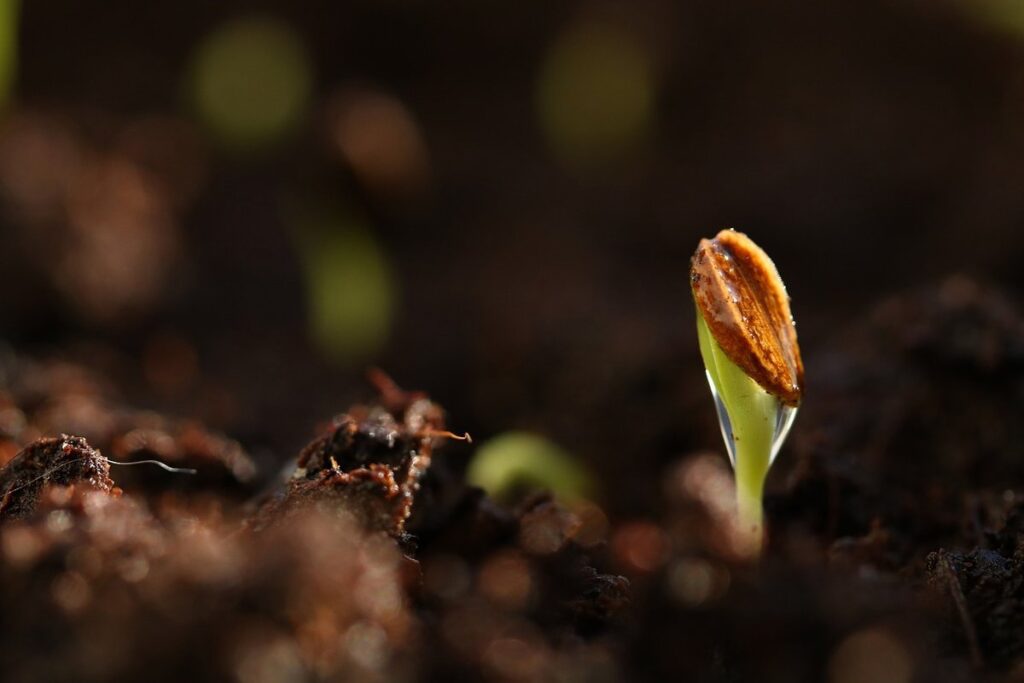
Seed germination temperature plays a critical role in determining the success of your plants, as it affects seedling growth and development. Understanding optimal temperatures is key to achieving healthy seedlings.
Factors Influencing Seed Germination Temperature
The factors influencing seed germination temperature are multifaceted and can significantly impact the success of plant growth. When it comes to seed germination, light plays a crucial role. Different seeds have varying levels of photoblastic responses, meaning they either require darkness or specific wavelengths of light to germinate. For instance, many vegetable seeds like lettuce, spinach, and tomatoes are photoblastic and require darkness for optimal germination.
Water is another essential factor affecting seed germination temperature. Seeds need consistent moisture to break dormancy and initiate growth. Soil type also plays a significant role, with some seeds thriving in acidic soils while others prefer alkaline conditions. The temperature of the surrounding environment can also influence germination rates, with most seeds preferring temperatures between 65°F to 75°F (18°C to 24°C). It’s essential to research the specific requirements for your seed type and provide them with the optimal conditions for successful germination.
Optimal Temperature Ranges for Popular Crops
When it comes to seed germination temperatures, understanding the optimal temperature ranges for various crops is crucial for successful plant growth. Different vegetables, fruits, and grains have unique requirements when it comes to temperature.
For example, tomatoes prefer a warm temperature between 70°F to 85°F (21°C to 30°C) for optimal germination. On the other hand, lettuce and spinach thrive in cooler temperatures between 40°F to 60°F (4°C to 15°C). Carrots, beets, and radishes also prefer cooler temperatures, but can tolerate warmer conditions up to 70°F (21°C).
Grains like corn and wheat require a slightly warmer temperature range of 50°F to 75°F (10°C to 24°C) for germination. Fruits such as strawberries and blueberries have specific requirements, with optimal temperatures ranging from 55°F to 65°F (13°C to 18°C). Understanding these temperature ranges can help you create the right conditions for seed germination and promote healthy plant growth.
To ensure optimal results, research the specific temperature requirements for your crops and maintain a consistent temperature in your growing environment. This will give your seeds the best chance at successful germination and lead to a bountiful harvest.
Understanding Seed Germination Temperature Requirements
When it comes to germinating seeds, temperature plays a crucial role in determining success. Let’s explore how different temperatures affect seed germination and growth patterns.
Seed Type-Specific Temperature Requirements
When it comes to seed germination temperatures, different types of seeds have unique requirements. Warm-season crops, such as tomatoes and peppers, typically thrive in warmer temperatures between 70°F to 85°F (21°C to 30°C). These seeds are sensitive to cooler temperatures and may not germinate or grow well if the soil temperature drops below 60°F (15°C).
On the other hand, cool-season crops like broccoli, kale, and carrots prefer cooler temperatures between 40°F to 70°F (4°C to 21°C) for optimal germination. These seeds can be sensitive to high temperatures and may bolt or become leggy if the soil temperature rises above 75°F (24°C).
To ensure successful seed germination, it’s essential to choose the right type of seed based on your climate and region. For example, if you live in a warm climate, look for warm-season crop seeds that are bred specifically for high temperatures. Similarly, if you have a cooler climate, opt for cool-season crop seeds that can tolerate lower temperatures.
When starting seeds indoors or outdoors, make sure to provide the right temperature conditions for each seed type. You can use a thermometer to monitor soil temperatures and adjust your growing environment accordingly. By understanding these seed type-specific temperature requirements, you’ll be well on your way to achieving high germination rates and successful plant growth.
How Temperature Affects Seedling Growth
Temperature plays a crucial role in seedling growth, and its impact is evident from the moment seeds germinate. When it comes to temperature, some seeds are more sensitive than others. For example, tomato seeds germinate best between 70°F to 85°F (21°C to 30°C), while lettuce seeds prefer cooler temperatures around 40°F to 60°F (4°C to 15°C). If the temperature is too high or too low for a particular species, it can lead to stunted growth, weakened seedlings, and even prevent germination altogether.
Germination rate and vigor are two key factors affected by temperature. When seeds germinate at optimal temperatures, they tend to grow faster and stronger, developing robust roots and stems. On the other hand, seeds that germinate in unfavorable temperatures may experience reduced germination rates or exhibit weak growth patterns. For instance, studies have shown that radish seeds exposed to high temperatures (above 90°F/32°C) exhibited significantly lower germination rates compared to those grown at optimal temperatures.
To ensure successful seedling growth, it’s essential to understand the temperature requirements for your specific plants. By choosing the right temperature and providing optimal growing conditions, you can give your seeds the best chance of thriving into healthy, productive plants.
Measuring and Controlling Seed Germination Temperature
To ensure optimal seed germination, you need to control temperature fluctuations, which can be achieved by using thermometers, incubators, and other specialized equipment. This section explains how to use these tools effectively.
Thermometer Types for Monitoring Temperature
When it comes to monitoring seed germination temperatures, choosing the right thermometer is crucial for accurate readings. You have two primary options: digital and analog thermometers.
Digital thermometers are precise and easy to use, making them a popular choice among gardeners and researchers alike. They usually come with a probe that can be inserted into the soil or placed near the seeds, providing real-time temperature data on an LCD display. Some digital thermometers even have features like data logging and alarm settings, allowing you to track temperature fluctuations and receive notifications when thresholds are met.
Analog thermometers, on the other hand, rely on a mercury column that rises as temperatures increase. While they can be less accurate than digital thermometers, they’re often more affordable and require no batteries. If you’re monitoring seed germination in a controlled environment like a greenhouse or growth chamber, an analog thermometer might suffice.
Regardless of which type you choose, make sure to calibrate it regularly to ensure accuracy. This is especially important when working with sensitive crops that have specific temperature requirements for optimal germination and growth.
Methods for Controlling Seed Germination Temperature
To maintain optimal temperature conditions during seed germination, various methods can be employed, depending on the resources available and the specific requirements of the plants being cultivated. One common approach is to utilize a greenhouse environment, where the temperature can be carefully controlled through ventilation systems and shading devices. This allows for precise regulation of the microclimate, ensuring that seeds are exposed to temperatures within a narrow range suitable for germination.
In climate-controlled environments, such as growth rooms or indoor facilities, temperature control is even more exacting. Computerized systems can monitor and adjust temperature fluctuations in real-time, maintaining a consistent optimal range for seed germination. For example, the ideal temperature for germinating tomato seeds typically falls between 20-25°C (68-77°F), while some species of orchids require as low as 15-20°C (59-68°F) to initiate growth.
It’s also worth noting that simple, low-tech methods such as using thermal mass materials or water-based cooling systems can be effective in maintaining optimal temperatures. By understanding and applying these techniques, growers can create an ideal environment for seed germination, increasing the chances of successful plant growth and development.
The Role of Environmental Factors on Seed Germination Temperatures
When it comes to seed germination, environmental factors play a crucial role in determining the ideal temperature for successful growth. In this section, we’ll explore how temperature extremes affect seed germination.
Effects of Light Intensity on Seed Germination
Light intensity plays a crucial role in seed germination temperatures and rates. It’s not just about providing sufficient light for the seeds to grow; it also affects their ability to absorb heat and moisture from the environment.
When exposed to high light intensities, seeds can experience increased temperature fluctuations, which can be detrimental to germination. For example, studies have shown that tomatoes grown under LED lights with an intensity of 200-300 μmol/s experienced reduced seedling emergence rates compared to those grown under lower intensity lights (150-200 μmol/s). This is because high light intensities can cause excessive heat buildup in the growing medium, leading to increased soil temperatures and potential damage to delicate seedlings.
On the other hand, low light intensities can slow down germination rates or even prevent seeds from germinating altogether. Research has shown that lettuce seeds required an average of 24-48 hours longer to germinate under low light conditions (400-600 μmol/s) compared to those grown under normal light conditions (600-800 μmol/s).
To optimize seed germination temperatures, it’s essential to provide the right balance of light intensity. Aim for a range between 200-500 μmol/s, depending on the specific plant species and growth requirements. Monitor soil temperature and adjust lighting accordingly to ensure optimal growing conditions for successful seed germination.
Water Availability and Its Impact on Seed Germination Temperature
Water is essential for seed germination, and its availability plays a significant role in determining the success of this process. The relationship between water availability, temperature, and seed germination success is complex and intertwined. When soil moisture is optimal, seeds can absorb the necessary nutrients to initiate germination at their optimal temperature range.
In many cases, water scarcity or excess can hinder seed germination. For example, a study on maize (corn) found that reduced water availability led to increased temperatures in the top 5 cm of soil, causing a significant decrease in germination rate. Conversely, excessive moisture can also be detrimental, as it can lead to anaerobic conditions and increase the risk of fungal diseases.
To optimize seed germination temperatures under varying water conditions, consider the following: if water is scarce, use techniques like mulching or drip irrigation to maintain optimal soil moisture levels. When dealing with excess water, implement crop rotation, improve drainage, and monitor for disease risks. By understanding this interplay between water availability and temperature, you can better manage seed germination temperatures in your specific environment.
Practical Applications for Seed Germination Temperature Management
Now that we’ve explored the science behind seed germination temperatures, let’s dive into how you can apply this knowledge to optimize your planting results. Effective temperature management is key to achieving successful growth and yields.
Optimizing Greenhouse Conditions for Seed Germination
When it comes to seed germination temperatures, optimizing greenhouse conditions is crucial for successful plant growth. To achieve optimal seed germination rates, growers must carefully consider factors such as temperature fluctuations, humidity levels, and light exposure. Here are some practical tips to help you optimize your greenhouse conditions:
* Maintain a consistent temperature range between 65°F to 75°F (18°C to 24°C) during the day and around 55°F (13°C) at night. This allows seeds to germinate uniformly without stress.
* Ensure adequate humidity levels, ideally above 60%, to prevent moisture loss from seed coats and promote germination.
* Provide adequate light exposure, but avoid direct sunlight, which can cause temperature fluctuations and scorch the emerging shoots.
* Consider using shade cloth or louvers to filter intense sunlight and maintain a stable temperature range.
* Monitor your greenhouse conditions closely, taking note of any deviations in temperature or humidity that may affect seed germination rates.
By implementing these strategies, you’ll be well on your way to creating an optimal environment for seed germination temperatures in your greenhouse. Remember to stay vigilant and make adjustments as needed to ensure the best possible outcomes for your crops.
Implementing Climate-Controlled Storage for Seeds
When storing seeds for germination, maintaining their viability is crucial. One effective way to do this is by storing them in a climate-controlled environment. This involves creating an optimal temperature range that prevents degradation and maintains seed quality.
Climate-controlled storage units can be set up within existing facilities or invested in as separate structures. Regardless of the setup, these environments allow for precise temperature control, typically between 32°F (0°C) and 41°F (5°C). This narrow temperature range helps prevent seed moisture from rising and falling excessively, which can cause damage.
For example, a study on storing seeds found that keeping them in a consistent refrigerated environment maintained their viability up to 95% for several years. Compare this to uncontrolled storage, where viability drops by up to 90% within just six months. By investing in climate-controlled storage, growers and seed banks can ensure their seeds remain viable for extended periods.
Common Challenges and Troubleshooting Seed Germination Temperature Issues
As you fine-tune your seed germination temperature, you may encounter some common challenges that can stall your progress. Let’s tackle these obstacles together and get your seeds thriving in no time.
Identifying and Resolving Temperature-Related Issues
Identifying temperature-related issues is crucial to ensuring successful seed germination. One common challenge is temperature fluctuations, which can be caused by factors such as drafty environments or inconsistent heating and cooling systems. To address this issue, it’s essential to maintain a consistent temperature between 65°F and 75°F (18°C and 24°C), depending on the specific seed variety.
Adequate thermometer calibration is another critical factor in resolving temperature-related issues. If your thermometer is not calibrated correctly, you may be misreading the temperature, leading to incorrect assumptions about the optimal germination conditions for your seeds. To ensure accurate readings, invest in a high-quality digital thermometer and follow the manufacturer’s instructions for calibration.
Another challenge related to seed germination temperatures is inadequate heat transfer. This can occur when using materials such as plastic or thin-film bags that prevent efficient heat distribution. To mitigate this issue, use well-ventilated containers or opt for heat mats specifically designed for seed starting.
Practical tips for resolving temperature-related issues include monitoring the environment closely and being prepared to adjust the temperature settings as needed. This may involve investing in a temperature controller or utilizing a heating mat with adjustable temperature settings.
When troubleshooting temperature-related issues, it’s also essential to consider the specific needs of your seed variety. Different species require varying temperatures for optimal germination, so research the recommended temperature range for your particular seeds to ensure you’re providing the best conditions for successful growth. By understanding and addressing these common challenges, you can optimize your seed germination environment and set yourself up for success in cultivating healthy plants.
Frequently Asked Questions
Can I use a single thermometer for monitoring multiple seed germination temperatures at once?
Yes, using a multi-channel or wireless thermometer can be an efficient way to monitor temperature ranges across different areas of your greenhouse or indoor growing space, allowing you to easily track optimal conditions for various crops.
How do I optimize the temperature range for seeds that require light for germination but also sensitive to intense lighting?
To balance these competing requirements, consider using grow lights with adjustable intensity and spectrum options. This will enable you to provide the necessary wavelengths while controlling the overall light intensity to avoid stressing the seedlings.
What’s a common mistake people make when trying to control seed germination temperatures, and how can I avoid it?
A frequent error is neglecting to account for temperature fluctuations during storage or transportation of seeds. To prevent this, always store seeds in sealed containers or bags with built-in thermometers and maintain consistent temperatures within your growing space.
How do I know if my seeds are experiencing stress due to suboptimal germination temperatures?
Look out for signs like delayed germination, stunted growth, or uneven seedling development. If you suspect temperature-related issues, take action by adjusting the temperature range or using thermometers with alarms that notify you when conditions fall outside your desired parameters.
What’s a cost-effective way to measure and record precise temperature readings in multiple locations?
You can consider investing in a digital data logger, which allows for easy monitoring of temperature fluctuations across various areas while providing detailed records for future reference.