
As an azalea owner, you’re probably no stranger to their stunning blooms. But did you know that pruning your azaleas after they’ve finished flowering is crucial for maintaining their health and promoting new growth? It’s a step often overlooked, but trust us, it makes all the difference in encouraging those gorgeous flowers to come back year after year. In this article, we’ll take you through the right tools and techniques for pruning your azaleas, as well as some expert tips to keep in mind. We’ll cover when to prune, how much to cut back, and even provide some advice on how to shape your plants for maximum blooming potential. By following our simple guide, you’ll be able to give your azaleas the TLC they need to thrive, ensuring a beautiful display of color every spring.
Understanding Azalea Growth Cycles
Azaleas have a unique growth cycle that determines when they’re most receptive to pruning. Understanding their natural growth patterns will help you prune your azaleas at just the right time.
Importance of Post-Bloom Pruning
When you prune azaleas after bloom, you’re giving them a chance to thrive and set themselves up for success in the seasons to come. Pruning at this stage is crucial because it allows you to control the shape of your azalea without sacrificing next year’s blooms.
By pruning immediately after flowering, you’re promoting new growth that will emerge later in the summer or early fall. This new growth will not only give your azaleas a lush appearance but also encourage them to produce more flowers for years to come.
Pruning at this stage also helps remove dead or diseased branches, which can spread disease and attract pests. It’s an opportunity to inspect your azalea closely and identify any areas that need attention, such as crossing branches or weak stems.
By pruning carefully and at the right time, you’re setting the stage for a healthy and vibrant azalea that will continue to thrive in your garden for years to come.
Identifying the Right Time to Prune
When it comes to pruning azaleas after bloom, timing is everything. The optimal time to prune these stunning plants depends on several factors, including climate, weather conditions, and plant age.
In general, the best time to prune azaleas is immediately after they have finished blooming, which typically occurs in late spring or early summer. This allows the plant to focus its energy on producing next year’s flowers rather than re-growing foliage. However, if you live in an area with mild winters, it may be possible to prune your azalea in late winter or early spring.
To determine when your azalea has finished blooming and is ready for pruning, look for a few key signs: the blooms have faded, the flowers have dropped off, and new growth has begun to emerge from the branches. If you’re unsure, it’s always better to err on the side of caution and wait another week or two before pruning.
Pruning at the right time will also help prevent damage to new growth, which can be more susceptible to cold temperatures and disease. By pruning your azalea after bloom, you’ll promote healthy growth, encourage next year’s flowers, and keep your plant looking its best throughout the growing season.
Tools and Equipment Needed for Pruning
To prune azaleas effectively, you’ll need a few essential tools and pieces of equipment that will make the process much easier and safer. Check out our list below to get started.
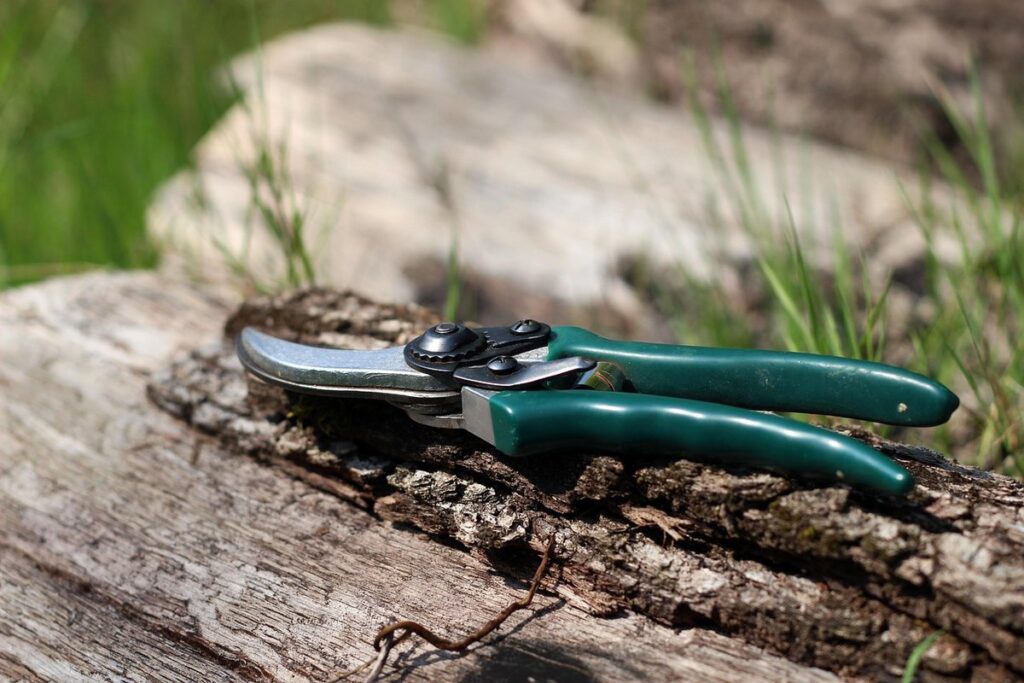
Choosing the Right Pruning Shears
When it comes to pruning azaleas after bloom, having the right tools for the job is essential. Choosing the right pruning shears can make a big difference in the overall outcome of your pruning task.
For azalea pruning, you’ll want to opt for loppers or hand pruners that are specifically designed for cutting through thick branches and stems. Loppers are ideal for thicker branches, while hand pruners are better suited for smaller stems and finer details. Look for tools with long handles for added leverage and precision.
Using sharp, clean pruning shears is crucial to prevent the spread of diseases such as fire blight and root rot. Dull or dirty tools can tear tissues instead of cutting cleanly, creating openings for pathogens to enter. Regularly sharpen your pruning shears and disinfect them between cuts to maintain a healthy pruning environment. Invest in a good pair of loppers or hand pruners specifically designed for azalea pruning, and you’ll be well on your way to successfully pruning your azaleas after bloom.
Additional Pruning Accessories
When handling thorny plants like azaleas, it’s essential to prioritize your safety and comfort. In addition to the pruning tools mentioned earlier, you’ll also need some extra accessories to make the process smoother.
Start by investing in a good pair of gardening gloves that offer protection from thorns and scratches. Look for gloves made from durable materials like leather or synthetic fabrics. You can also opt for long-sleeved shirts and pants to protect your skin from any accidental pricks.
If you’re working on a larger azalea bush, consider wearing knee pads to cushion the impact of kneeling on hard surfaces. This will help reduce fatigue and discomfort during the pruning process. Additionally, if you need to make more significant cuts, a pruning saw may come in handy.
Remember, it’s always better to be safe than sorry when working with thorny plants. Wear protective gear like gloves and safety glasses to prevent any accidents or injuries. With the right equipment and precautions in place, you’ll be able to prune your azaleas safely and effectively.
Basic Pruning Techniques for Azaleas
When it comes to pruning azaleas after bloom, understanding basic techniques is essential to maintain their shape and promote healthy growth. Let’s dive into the fundamental cuts you need to know.
Removing Dead or Damaged Branches
Removing dead or damaged branches is an essential part of maintaining your azaleas’ health and appearance. As you prune your azalea after bloom, keep a close eye out for branches that are beyond repair. Dead branches can be brittle and may break off easily, causing damage to nearby stems and foliage.
To identify dead or damaged branches, gently touch the stem with your fingers. If it feels brittle, weak, or cracked, it’s likely time to remove it. Damaged branches can also be identified by their discolored bark, cracks, or signs of decay.
Remove these branches as soon as possible to prevent them from becoming a source of disease and pests. Use clean pruning tools to cut the branch at a 45-degree angle just above a growth node. This will help the plant redirect its energy towards healthy growth.
By removing dead or damaged branches, you’ll promote air circulation, reduce the risk of disease, and encourage new growth. Regularly inspecting your azaleas for these issues will keep them looking their best and ensure they continue to thrive in the years to come.
Shaping the Plant and Reducing Size
As you’ve mastered the art of removing spent blooms and deadheading, it’s time to focus on shaping and reducing the size of your azalea. This process is crucial for maintaining a balanced, even growth habit that will ensure your plant continues to thrive.
To begin, identify any branches or stems that are growing outside the desired shape or size. These may be due to natural growth patterns or previous pruning errors. Cut back these wayward branches by about one-third to one-half of their length using clean, sharp pruning shears. Be sure to make cuts just above a node (where a branch meets the main stem), as this will encourage new growth.
By regularly pruning and shaping your azalea, you’ll prevent it from becoming leggy or unbalanced. This is especially important for compact varieties that can quickly become too large if left unchecked. Remember to maintain a balance between removing old growth and allowing some of the newer stems to mature, ensuring a healthy mix of age and vigor throughout the plant.
Advanced Pruning Techniques for Azaleas
If you’re eager to take your azalea pruning skills to the next level, this is where you’ll learn advanced techniques for shaping and maintaining these beautiful flowers. We’ll dive into expert methods for achieving perfect blooms year after year.
Tip Pruning and Thinning
Tip pruning involves selectively removing new growth from azalea branches to promote healthy development and encourage blooming. This technique helps control the plant’s overall shape and encourages branching. To tip prune azaleas, identify the terminal buds on stems and cut them back by about one-third or half of their length. This will not only help maintain a balanced appearance but also direct energy towards producing more flowers.
Thinning is another advanced pruning technique that involves selectively removing branches to allow more light to penetrate the plant’s interior. Identify weak, thin, or crossing branches and remove them entirely. This process promotes air circulation, reduces disease susceptibility, and encourages healthy growth. By strategically thinning azalea branches, you can create an open, airy structure that showcases its flowers from every angle.
Prune carefully during the dormant season to avoid causing shock to the plant. When done correctly, tip pruning and thinning techniques will enhance your azaleas’ overall appearance while stimulating more blooming activity in subsequent seasons.
Azalea Renovation: A More Extensive Pruning Method
For severely overgrown or neglected azaleas, azalea renovation is a deeper pruning technique that’s essential for restoring their former glory. This method involves cutting back the entire plant to about 6-12 inches from the ground, making it an extensive process, but one that yields impressive results.
The benefits of azalea renovation are numerous. By removing old wood and dead branches, you’re allowing new growth to emerge, which not only rejuvenates the plant but also improves its overall appearance. The renovated plant will quickly develop a fuller, more vibrant shape, with an abundance of flowers in subsequent seasons.
When performing azalea renovation, it’s crucial to make clean cuts just above a bud eye or a lateral branch, using sharp, sterile pruning tools to prevent damage and promote healthy growth. Be patient, as the renovation process can be time-consuming and may require multiple sessions over several years. However, with dedication and care, you’ll be rewarded with a thriving, blooming azalea that’s the envy of your garden.
Tips and Precautions for Pruning Azaleas
Before you start pruning your azalea, it’s essential to understand how to avoid damaging these delicate plants. We’ll walk you through some crucial tips and precautions to keep in mind.
Common Mistakes to Avoid
When pruning azaleas after bloom, it’s easy to get carried away and make mistakes that can harm the plant. Inexperienced gardeners often over-prune their azaleas, removing too much of the foliage and causing stress to the plant. This can lead to weakened roots, reduced flower production, and even kill the plant.
To avoid this mistake, it’s essential to prune your azalea only what is necessary. Remove any dead or damaged branches, but leave the rest of the foliage intact. Also, make clean cuts using sharp, sterile tools to prevent spreading diseases.
Another common error is not considering the time of year when pruning azaleas. Pruning in the fall or early winter can stimulate new growth, which may not have a chance to harden off before frost sets in. This can cause damage or even kill the plant. Instead, prune your azalea immediately after it finishes blooming, allowing it to focus its energy on root growth and storing nutrients for next year’s blooms.
By being mindful of these common mistakes, you can enjoy healthy, thriving azaleas for years to come.
Safety Considerations and Precautions
When working with azaleas, it’s essential to be mindful of potential hazards that can cause injury. One of the most significant risks is thorn wounds, which can lead to infections if not properly cared for. If you accidentally prick yourself with a thorn, clean and disinfect the area immediately to prevent infection.
Allergic reactions are another concern when pruning azaleas. Some people may be allergic to the sap or pollen released by these plants, causing symptoms such as skin irritation, itching, or respiratory issues. If you experience any discomfort while working with your azalea, discontinue pruning and seek medical attention if necessary.
Equipment-related accidents can also occur when pruning azaleas. To minimize risks, ensure that your tools are well-maintained and stored safely after use. Regularly inspect your pruners for sharpness and clean them thoroughly to avoid slipping or losing control of the tool while working with your plant.
Conclusion and Final Tips
Now that you’ve learned the ins and outs of pruning your azaleas, it’s time to put it all into action with a few final tips to keep in mind.
Recap of Key Takeaways
In summary, let’s recap the essential points covered in this comprehensive guide on pruning azaleas after bloom. First and foremost, it’s crucial to prune your azalea bushes immediately after they finish blooming, as this promotes healthy growth and encourages new blooms for next year.
When selecting tools for the job, look for sharp, clean pruners specifically designed for shrubs like azaleas. These will make quick work of cutting through thick branches without causing damage to the plant.
Remember to remove any dead or dying wood, as well as crossing branches that can rub against each other and cause harm. Thin out any dense areas to allow for good air circulation and promote even growth.
Additionally, consider thinning your azalea bushes by one-third to encourage new growth and prevent overcrowding. With these simple pruning techniques in mind, you’ll be able to keep your azaleas looking their best all season long. By following this guide, you’ll be well on your way to becoming an expert azalea pruner!
Encouraging Future Blooms
Now that you’ve pruned your azalea, it’s essential to encourage healthy growth and future blooming. Regular maintenance is key to achieving a thriving plant. To promote vigorous new growth, make sure to provide your azalea with enough water and nutrients. Water deeply once or twice a week, depending on weather conditions, but avoid overwatering, which can lead to root rot.
Fertilize your azalea in the spring after it finishes blooming, using an acidic fertilizer (pH 5.5-6.5) specifically formulated for acid-loving plants like azaleas. Follow the instructions on the package and take note of how much fertilizer you apply, so you can adjust accordingly next year.
Additionally, consider repotting your azalea every few years to refresh the soil and provide a larger pot if necessary. This will give your plant room to grow and help prevent root bound conditions. With proper care and attention, your pruned azalea should burst with color again next spring. By following these tips, you’ll be rewarded with an abundance of gorgeous blooms for years to come.
Frequently Asked Questions
Can I still prune my azaleas if they’re already past their blooming season?
No, it’s best to wait until the flowers have finished blooming before pruning your azaleas. Pruning during or immediately after blooming can reduce next year’s flower production.
What if I’ve missed the ideal time for post-bloom pruning? Should I still prune my azaleas in fall or winter?
Yes, you can still prune your azaleas in the fall or winter, but it’s essential to be more cautious and gentle. Avoid cutting back too much foliage, as this can shock the plant and reduce its ability to thrive.
How often should I fertilize my azaleas after pruning?
It’s recommended to fertilize your azaleas after pruning with a balanced, acidic fertilizer (pH 6-7) according to the manufacturer’s instructions. This will promote healthy growth and encourage new blooms.
Can I use regular garden shears for pruning my azaleas, or do I need specialized pruning shears?
Regular garden shears can be used for smaller azalea plants or for light maintenance tasks, but it’s recommended to invest in a pair of high-quality, sharp pruning shears specifically designed for woody shrubs like azaleas. This will make the task easier and more precise.
How long does it take for new growth to appear after post-bloom pruning?
New growth on azaleas can emerge anywhere from 6-12 weeks after pruning, depending on factors such as weather conditions, soil quality, and the plant’s overall health. Be patient and enjoy the process of watching your azalea recover and thrive!