
Are you tired of watching your beautiful wisteria vines bloom only to wither away by summer? Pruning your wisteria at the right time can make all the difference in enjoying its stunning display year after year. But when is the perfect time to prune, and how do you master this delicate art without sacrificing next year’s blooms? Many gardeners struggle with pruning their wisteria after flowering, not knowing that it’s a crucial step in promoting healthy growth and encouraging future blooms.
In this article, we’ll dive into the world of wisteria pruning techniques and share expert tips on how to prune your vines after they’ve finished blooming. From understanding the importance of timing to learning specific pruning strategies, you’ll discover everything you need to know to coax your wisteria into a bountiful display that will leave your neighbors green with envy. By following our simple steps and mastering the art of post-flowering pruning, you’ll be well on your way to enjoying the beauty of your wisteria for years to come.
Understanding Wisteria Growth and Flowering Patterns
To grow and flourish, wisteria requires a strong understanding of its unique growth patterns and flowering habits. Let’s take a closer look at how this beautiful vine blooms and develops over time.
Recognizing the Types of Wisteria
Wisteria is a versatile and beautiful flowering plant that comes in several varieties, each with its own unique growth habits and characteristics. As you prepare to prune your wisteria after flowering, it’s essential to understand the different types of wisteria and their specific needs.
There are three main types of wisteria: Chinese, Japanese, and American. The Chinese Wisteria (Wisteria sinensis) is a vigorous grower with long, twining stems that can reach up to 30 feet in length. It produces fragrant, purple flowers in May and June, which are highly sought after by gardeners and pollinators alike. Japanese Wisteria (Wisteria floribunda), on the other hand, has shorter, more compact growth habits and produces vibrant, drooping clusters of white or pink flowers.
American Wisteria (Wisteria frutescens) is a deciduous vine with a more moderate growth rate and a preference for well-drained soil. It produces blue-purple flowers in late spring to early summer, which are often less fragrant than those of the Chinese variety. Understanding the unique characteristics of each type will help you tailor your pruning approach to their specific needs, ensuring healthy growth and optimal flowering results.
When pruning after flowering, be sure to consider the growth habits and flowering patterns of your specific wisteria variety. This will enable you to make informed decisions about the best time to prune, how much to cut back, and which areas of the plant require attention.
Identifying Ideal Times for Pruning
Determining when to prune wisteria is crucial to avoid disrupting its blooming periods. This timing largely depends on factors such as climate, location, and plant health. For example, if you live in a warmer region with mild winters, it’s best to prune immediately after flowering, usually between May and July. However, in colder climates where winters are harsher, waiting until late winter or early spring is advisable.
Consider the plant’s overall condition when deciding on pruning timing. If your wisteria appears leggy, overgrown, or showing signs of disease, it may be best to prune during its dormant season. This allows for a more extensive rejuvenation process without affecting blooming periods. On the other hand, if your wisteria requires minimal maintenance and is already well-balanced, pruning after flowering can maintain its shape and promote healthy growth.
In general, avoid pruning your wisteria when it’s heavily laden with new flower buds or when flowers are in full bloom. This timing may lead to reduced blooming the following year or damage to the plant’s delicate structures. By understanding these factors, you’ll be able to prune your wisteria effectively without compromising its beauty and growth patterns.
Pre-Pruning Preparation: Essential Tools and Techniques
Before you start pruning, make sure you have all the necessary tools and techniques down pat – it’s time to gear up for a job well done. Here are the essential prep steps to take beforehand.
Gathering the Right Equipment
When it comes to pruning wisteria after flowering, having the right equipment is essential for effective and safe cutting. Let’s start by gathering the necessary tools.
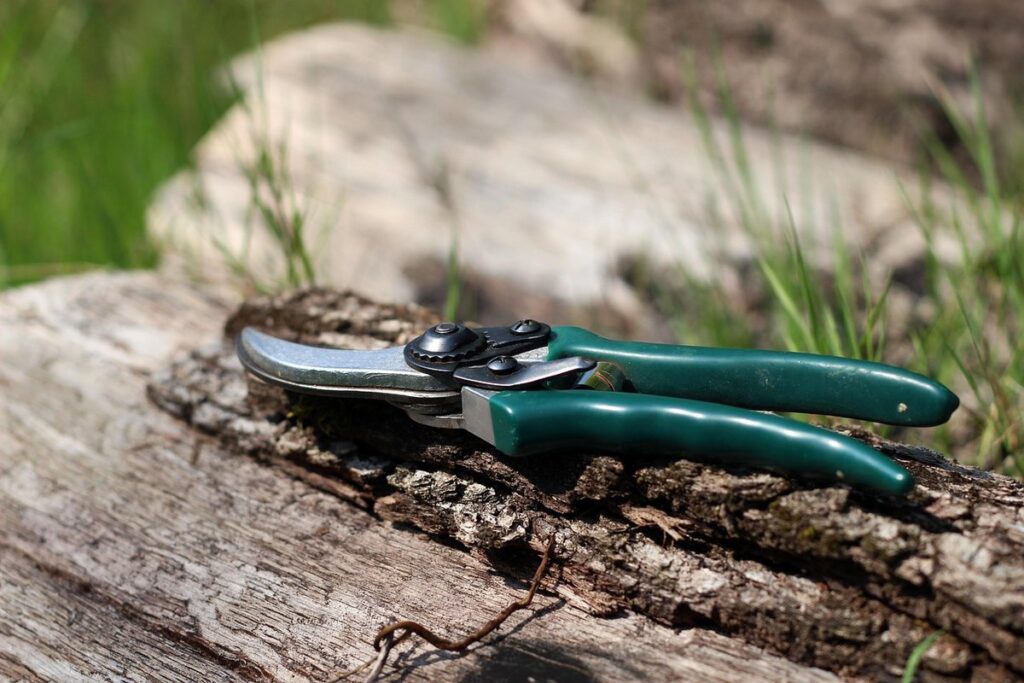
You’ll need a pair of long-handled loppers for thicker stems and branches, as well as secateurs (pruning shears) for more precise cuts on smaller growths. Don’t forget to add a good pair of gardening gloves to protect your hands from thorns and scratches. A pruning saw or a curved blade lopper can also come in handy for tackling particularly stubborn branches.
Remember to use clean, sharp equipment, as dull blades can tear the bark and cause unnecessary damage to the plant. Before you begin pruning, take a moment to inspect each tool for any signs of rust or wear. Clean your tools with soap and water after each use to prevent the spread of diseases. A well-maintained toolkit will not only make the job easier but also promote healthy growth and minimize the risk of infection.
Basic Pruning Principles
When pruning wisteria after flowering, it’s essential to understand basic pruning principles that promote healthy growth and encourage blooming. Targeted growth pruning involves cutting back long stems to about one-third of their length, encouraging the plant to grow new shoots from the base. This technique helps maintain a balanced structure, controls size, and directs energy towards producing more flowers.
Selective thinning is another crucial principle. By removing weak or damaged growth, you allow healthy stems to dominate, increasing blooming potential. Identify stems with no flower buds or those that are growing inwards, and cut them back to a suitable length. Don’t remove too many stems at once – this can shock the plant.
To maintain your wisteria’s health and promote blooming, prune it after flowering using these basic principles. Prune every 3-4 years to control size, encourage new growth, and stimulate flower production. Remember that regular pruning also helps prevent damage from disease or pests, ensuring a healthy and thriving wisteria vine for years to come.
Removing Withered Bloom Buds
Now that you’ve cut back your wisteria, it’s time to focus on removing those unsightly withered bloom buds that can detract from its beauty. Learn how to remove them safely and effectively in the next step.
Spotting Matured Flowering Stems
When it comes to pruning wisteria after flowering, one of the most critical steps is identifying which stems have completed their cycle. This can be a bit tricky, especially for new gardeners, but don’t worry – with some practice and knowledge, you’ll become a pro in no time.
As your wisteria stem begins to mature, it will start to show visual cues that indicate its flowering cycle has come to an end. One of the most obvious signs is a change in stem color. Wisteria stems typically turn from vibrant purple or pink to a more muted brown or grayish hue as they age. This color change can be subtle, but with experience, you’ll become accustomed to spotting it.
Another visual cue to look out for is bud drop. As your wisteria stem reaches the end of its flowering cycle, the buds that produced the beautiful blooms will start to dry up and fall off. If you notice a significant number of buds dropping from the stem, it’s likely time to prune that particular section back.
To make pruning even easier, take note of which stems are producing plenty of new growth – these are usually the ones to keep, as they’ll produce next year’s blooms. Conversely, any stems with very little or no new growth can be cut back more aggressively.
Cutting Back Matured Stems
When cutting back matured stems on your wisteria plant after flowering, it’s essential to make clean and precise cuts that promote healthy new growth. To do this, identify the oldest, woodiest stems – these are the ones that have flowered and are now past their prime. Using a pair of sharp pruning loppers or hand pruners, cut these stems at an angle, about 6-8 inches from the base of the stem.
The key to successful pruning is cutting at an angle rather than straight across. This helps prevent water from collecting on the cut surface and reduces the risk of disease. Make your cuts just above a growth node – this is the point where a leaf meets the stem. By doing so, you’ll encourage new shoots to grow from that node, ensuring a more vigorous and healthy plant.
Cut back any dead or damaged wood at the same time, as this will also promote healthy growth and prevent disease from spreading.
Thin and Train: Shaping Your Wisteria
Now that you’ve pruned your wisteria, it’s time to focus on its overall shape. This involves thinning out branches and training new growth for a more balanced, elegant display of blooms.
Understanding Pruning Objectives
When pruning wisteria after flowering, it’s essential to understand and achieve specific objectives. By doing so, you’ll not only maintain a balanced growth habit but also promote healthy and vigorous plant development. Your primary goals should be to shape the plant, control its size, and encourage the production of side shoots.
To achieve these objectives, consider the mature size of your wisteria variety. For example, if you have a compact cultivar like ‘Caroline Thériault’, you’ll want to prune it to maintain a smaller profile. On the other hand, larger varieties like ‘Lennei’ require more extensive pruning to control their expansive growth.
When shaping your wisteria, remove any dead, diseased, or damaged stems during the post-flowering pruning session. This will prevent the spread of disease and encourage new growth from healthy areas. By doing so, you’ll maintain a balanced canopy and promote side shoot production – essential for next year’s flowering performance.
Selective Thinning Techniques
When thinning out dense areas of your wisteria, it’s essential to prioritize air circulation and sunlight penetration. Without adequate space between the stems, your plant is more susceptible to disease and pests, which can lead to reduced flowering and overall health.
Start by examining your wisteria carefully, identifying sections where growth has become too congested. Use loppers or pruning shears to remove any weak or crossing stems, taking care not to damage adjacent branches. This will help create pathways for air to circulate and sunlight to reach the inner parts of the plant.
Consider using a technique called “thin-to-thick” when selective thinning. Remove weaker stems in the spring, then allow new growth to develop during the summer months. By doing so, you’ll encourage thicker, more robust stems that are better equipped to support heavy flower loads and resist disease.
Summer and Fall Pruning Considerations
When it comes to pruning wisteria, summer and fall are great times to consider cutting back overgrown sections for a more manageable shape. This can be especially helpful in warmer climates where the plant grows rapidly.
Why Prune After Flowering?
When the beautiful flowering period of your wisteria comes to an end, it’s natural to wonder if you should prune immediately. While it may seem counterintuitive to cut back a plant that’s just finished blooming, pruning after flowering is actually essential for maintaining the health and promoting future blooms of your wisteria.
By allowing your wisteria to flower without subsequent pruning, you’re inadvertently creating an environment conducive to disease and pests. Dead flowers, also known as seed pods, can become infected with diseases like powdery mildew or black spot, which can then spread to the rest of the plant. Moreover, excess seed production diverts energy from producing new growth, ultimately affecting next year’s flowering.
Pruning after flowering helps maintain a balanced and healthy wisteria by removing these dead flowers and encouraging vigorous growth.
Additional Tasks in Summer and Fall
In addition to regular pruning routines, there are several seasonal-specific tasks that require attention during the summer and fall months. Deadheading is a crucial task that should be performed throughout the growing season to encourage more blooms on your wisteria plant. This involves removing spent flowers after they have bloomed, which helps redirect the plant’s energy towards producing new flowers rather than seed production.
To deadhead effectively, simply snip off the faded flowers at the base of the stem using a pair of sharp pruning shears or loppers. This will help maintain your wisteria’s appearance and encourage more blooms throughout the season. It’s also essential to remove any weak or damaged branches during the summer months, as this can prevent disease from taking hold and reduce the overall health of the plant.
In the fall, it’s a good idea to perform some additional branch maintenance by cutting back about one-third of the new growth on your wisteria plant. This will help control its size, promote healthy growth in the following year, and give you a head start on pruning tasks come springtime. By incorporating these seasonal-specific tasks into your regular pruning routine, you’ll be able to keep your wisteria looking its best throughout the growing season.
Common Mistakes to Avoid
When pruning wisteria after flowering, it’s easy to make mistakes that can harm your plant in the long run. Here are some common errors to steer clear of.
Misjudging Pruning Timing
Pruning wisteria after flowering requires precision and timing. However, many gardeners misjudge the optimal pruning period due to misconceptions about the plant’s growth cycles.
Some assume that pruning immediately after blooming will stimulate new flower growth, but this isn’t always the case. In fact, premature pruning can reduce next year’s blooms significantly. On the other hand, delaying pruning until spring may cause the plant to become overgrown and harder to manage.
The truth is that wisteria needs regular maintenance throughout its growing season. Prune it lightly in late winter or early spring to shape its framework, then prune more aggressively after flowering has finished. This allows the plant to direct its energy towards producing new growth and next year’s flowers. By avoiding premature or delayed pruning based on assumptions about growth cycles, you can encourage healthy growth and maximize blooms for years to come.
Wisteria typically enters dormancy in late summer or early fall, so it’s essential to prune before this period to avoid damaging the plant.
Inadequate Tool Maintenance
Proper tool maintenance is crucial when pruning wisteria after flowering. It’s easy to get caught up in the excitement of tackling this job, but neglecting tool care can lead to a host of problems. For instance, using dirty tools can spread diseases from one plant to another, while dull blades require more force and pressure, which can damage the delicate shoots.
Keep your pruning shears clean by wiping them down with a cloth after each use, and sanitizing them periodically with a solution of water and bleach. Regularly sharpening your tools will not only make pruning easier but also help prevent accidents caused by slipping or tugging on branches.
To maintain sharp blades, hone them after every 5-10 cuts and resharpen as needed. You can also use a tool sharpener or take them to a professional for maintenance. A well-maintained set of pruning shears will make quick work of the task at hand, allowing you to focus on shaping your wisteria into its desired form.
Conclusion: Maintaining Healthy Wisteria Through Regular Care
In conclusion, pruning your wisteria after flowering is just one part of maintaining its overall health. To keep your wisteria thriving, it’s essential to develop a regular care routine. This should include inspecting the plant for any signs of disease or pests, as well as providing adequate water and fertilization throughout the growing season. For example, you can apply a balanced fertilizer in early spring, followed by a bloom-boosting fertilizer after flowering. Additionally, be sure to provide your wisteria with full sun and support its vigorous growth with regular pruning.
By following these tips, you’ll be well on your way to enjoying a beautiful display of fragrant flowers year after year. Remember that patience and consistency are key when it comes to caring for your wisteria. With proper care, this stunning vine will continue to thrive and provide endless beauty and charm in your garden or yard.
Frequently Asked Questions
How Soon Can I Expect to See the Benefits of Post-Flowering Pruning?
You can start noticing improvements in your wisteria’s health and blooming patterns as early as next season, but optimal results often take 2-3 years. With consistent post-flowering pruning, you’ll encourage vigorous growth, promote healthy stems, and increase flower production.
Can I Prune My Wisteria During the Summer or Fall Instead of After Flowering?
While it’s technically possible to prune wisteria during these seasons, doing so can lead to reduced flowering in subsequent years. Post-flowering pruning allows you to remove spent flowers, shape the vine, and direct energy towards next year’s blooms.
How Do I Handle Overgrown or Mature Wisteria Vines That Have Developed Complicated Branching?
When dealing with overgrown or mature wisteria vines, start by removing any dead, diseased, or damaged branches. This will help prevent further damage and encourage new growth. Then, use selective thinning techniques to reduce the overall canopy and promote air circulation.
Can I Use Regular Garden Shears for Pruning My Wisteria, or Do I Need Specialized Tools?
While regular garden shears can work in a pinch, it’s recommended to invest in dedicated pruning tools like loppers or long-handled pruners. These will provide the leverage and precision needed for safe and effective wisteria pruning.
What Are Some Common Mistakes to Avoid When Pruning My Wisteria After Flowering?
Be cautious not to remove too much of the current year’s growth, as this can reduce next year’s blooms. Also, avoid making deep cuts into older stems, as this can damage the plant’s structural framework and lead to disease or pest issues.