
Pruning your grapevine is an essential part of its growth and fruit production, but as a beginner, it can be intimidating to know where to start. Understanding the why behind pruning is crucial – it promotes healthy growth, encourages fruiting, and prevents disease and pests from taking over your vineyard. But with so many techniques and methods out there, it’s easy to get overwhelmed. That’s why we’ve put together this step-by-step guide on how to prune grapevines like a pro. In this article, you’ll learn the fundamental reasons for pruning, common mistakes to avoid, and expert tips on maximizing your fruit production. By following our simple and clear instructions, you’ll be well on your way to becoming a confident grapevine pruner in no time!
Understanding Why Pruning is Important
Before we dive into the nitty-gritty of pruning, it’s essential to understand why this process is crucial for a healthy and thriving grapevine. Let’s explore the importance of regular pruning.
The Purpose of Pruning
When you prune grapevines, you’re not just trimming away excess growth – you’re actually working towards several crucial goals. First and foremost, pruning helps promote healthy growth by removing diseased or damaged branches that can compromise the entire vine’s health.
This is especially important for grapevines, which are susceptible to fungal diseases like powdery mildew and downy mildew. By pruning away infected areas, you’re preventing these problems from spreading and protecting your vine from further damage.
Pruning also has a significant impact on fruit production. By controlling the shape of the vine and directing its energy towards the remaining branches, you’re encouraging it to focus its resources on producing high-quality grapes. In fact, some studies have shown that properly pruned grapevines can increase fruit yields by up to 20% or more.
Finally, pruning helps maintain the overall shape of the vine, which is essential for supporting its own weight and promoting air circulation around individual clusters. This is crucial for preventing diseases and pests from taking hold in the first place.
Benefits of Regular Pruning
Regular pruning can have a significant impact on the overall health and appearance of your grapevine. By allowing air to circulate through the vine, you can reduce the risk of disease and fungal infections that thrive in humid environments. In fact, studies have shown that proper pruning can decrease disease susceptibility by up to 70%. This is especially important for grapevines, which are susceptible to common issues like powdery mildew and black rot.
In addition to promoting healthy growth, regular pruning can also enhance the overall appearance of your vine. By removing overgrown branches and encouraging new growth, you can create a more balanced and aesthetically pleasing shape. This is particularly important if you’re growing grapes for ornamental purposes or want to showcase their natural beauty. To get started with pruning, begin by inspecting your vine and identifying areas where pruning is necessary. Use sharp, clean tools and make precise cuts just above a bud eye, following the recommended 45-degree angle to encourage new growth.
Choosing the Right Tools
Now that you have a good understanding of pruning basics, it’s time to talk tools. The right equipment can make all the difference in your grapevine pruning experience.
Selecting the Right Pruners
When it comes to pruning grapevines, having the right pruners can make all the difference. You might be wondering what type of pruners you need for different tasks. Let’s break it down.
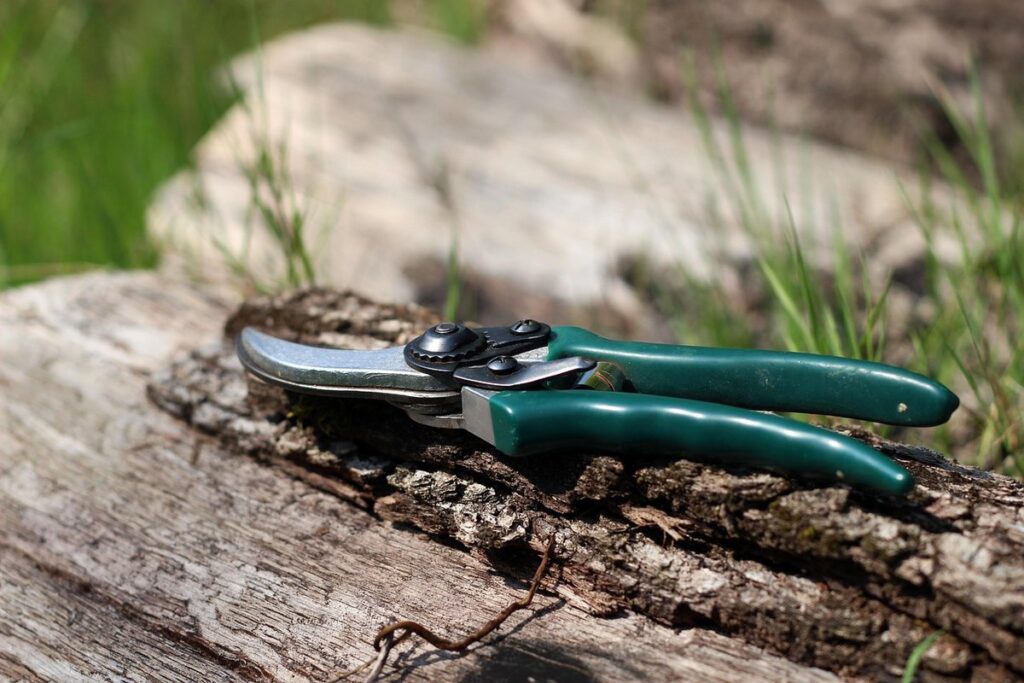
For general pruning and cutting thicker branches, loppers are an excellent choice. They’re ideal for removing canes up to 2 inches in diameter. If you have to cut smaller stems or branches, bypass pruners (also known as secateurs) work perfectly. These versatile tools are perfect for more delicate cuts and come with a locking mechanism to keep your fingers safe.
On the other hand, if you need to remove thicker branches, pruning saws or long-handled loppers would be better suited for the task. Pruning saws have curved blades that make cutting through wood easier, while long-handled loppers offer more leverage and reach.
When selecting pruners, consider investing in high-quality ones with comfortable grips and sharp blades. Sharp blades will help prevent damaging the vine’s bark, which can lead to infection or disease. Remember, the right pruners are not just about making pruning easier; they also play a crucial role in maintaining your grapevine’s health.
Preparing Your Tools
Before you start pruning, it’s crucial to prepare your tools to ensure a clean and effective cut. Start by sharpening your pruning shears, loppers, or secateurs. A dull blade can tear the vine instead of cutting it cleanly, which can lead to disease and pests entering the wound. Use a whetstone or a file to hone the blades, following the manufacturer’s instructions for the best results.
Next, give your tools a good clean with soap and water. Remove any dirt, sap, or debris that may be accumulated on the blades. This will prevent the spread of diseases from one plant to another. Rinse your tools thoroughly and dry them with a soft cloth to prevent rust.
When not in use, store your pruning tools in a dry place, away from direct sunlight. Keep them organized and easily accessible for the next pruning session. A well-maintained tool will perform better and last longer, making your pruning experience more efficient and enjoyable.
Timing is Everything: When to Prune
When it comes to pruning grapevines, timing is crucial to ensure your plants receive the right amount of sunlight and nutrients. Let’s explore when to prune for optimal growth.
Determining the Best Time for Pruning
When it comes to pruning grapevines, timing is crucial. The best time for pruning depends on several factors, including the climate you live in and the type of grapevine you have. For most regions, the optimal time for pruning is during the dormant season, typically between January and March.
However, if you live in a warmer climate with mild winters, you may be able to prune your grapevines in late winter or early spring. The key is to identify when your vine has entered its dormant phase, characterized by brown or tan-colored buds. Pruning during this period allows the vine to recover quickly and minimizes the risk of disease.
To determine if your vine is ready for pruning, inspect the buds on the canes. If they’re still green, it’s best to wait another month or two. On the other hand, if they’ve turned brown, you’re good to go. Remember to also consider the specific needs of your grapevine variety and adjust your pruning schedule accordingly.
Avoiding Pruning During Active Growth
It’s essential to avoid pruning grapevines during periods of active growth. This might seem counterintuitive, as you want to maintain a healthy and thriving plant. However, pruning at the wrong time can cause unnecessary stress to the vine, making it more vulnerable to disease or pest infestations.
When grapevines are actively growing, they’re producing new shoots, leaves, and fruit. Pruning during this time can disrupt this process, leading to a range of problems. For example, cutting back growth can reduce the plant’s ability to photosynthesize, which is essential for its energy production.
In general, it’s best to prune grapevines in late winter or early spring, before new growth begins. This allows you to remove dead, diseased, or damaged wood while minimizing the risk of stressing the plant. If you must prune during active growth, be sure to make clean cuts just above a bud eye, and avoid removing more than 25% of the plant’s foliage at any one time. By pruning at the right time and being mindful of your technique, you can promote healthy growth and a bountiful harvest.
Basic Pruning Techniques
Now that you have a good understanding of why pruning is essential, let’s dive into some basic techniques to get you started on your grapevine care journey.
Removing Dead, Diseased, or Damaged Wood
When pruning grapevines, it’s essential to remove dead, diseased, or damaged wood as soon as possible. This type of wood not only takes away from the plant’s overall health but also provides a habitat for diseases and pests to thrive. By removing these sections, you’re preventing the spread of disease and creating an environment that fosters new growth.
Start by inspecting your grapevines carefully, looking for any signs of damage or decay. Check for cracks, splits, or soft spots in the wood, as well as any visible signs of pests like aphids, whiteflies, or spider mites. If you notice any damaged areas, use pruning shears to cut them off at a 45-degree angle, making sure each cut is about an inch above a bud eye (the small swelling on the stem from which new growth emerges). This will help prevent water from collecting in the wound and promote healing.
Removing dead or diseased wood also helps your grapevine conserve energy. By cutting away infected areas, you’re directing resources to healthier sections of the plant, promoting healthy growth and fruit production.
Reducing Crossing Canes
When it comes to pruning grapevines, reducing crossing canes is an essential technique that will not only improve air circulation but also reduce disease susceptibility and enhance fruit production. Crossing canes are branches that rub against each other, creating wounds that can be entry points for diseases like powdery mildew and black rot.
To identify crossing canes, look for areas where two or more canes are touching or rubbing against each other. Cut these branches off at the point of contact, making sure to cut just above a bud eye (the small, swollen area on a cane from which new growth emerges). This will allow air to circulate and prevent moisture from becoming trapped.
By removing crossing canes, you’ll not only reduce disease susceptibility but also promote healthy growth. As a result, your grapevine should produce better-quality fruit and have fewer problems with pests and diseases.
Pruning for Specific Goals
Now that you’ve mastered the basics of pruning, it’s time to tailor your techniques to achieve specific goals, such as increasing yields or promoting healthy growth. We’ll walk you through each scenario step by step.
Pruning for Fruit Production
When it comes to pruning grapevines for fruit production, your goal is to create an environment that promotes healthy shoot growth, increases flower and fruit formation, and ultimately maximizes yields. To achieve this, focus on removing dead, diseased, or damaged wood, as well as any shoots growing from the base of the vine.
For optimal fruit production, prune your grapevine in a way that allows for good air circulation between the shoots. Remove crossing branches to prevent disease and encourage upright growth. Thin out weak or spindly shoots to direct the vine’s energy towards producing more robust and productive wood.
To promote flower and fruit formation, look for the two strongest buds on each shoot and remove any weaker ones. This will direct the vine’s resources toward developing high-quality fruit. Also, consider removing any lateral shoots that are growing inwards or downwards, as these can divert energy away from the fruiting areas.
Shaping the Vine
When shaping the vine through pruning, it’s essential to focus on creating a balanced structure that allows for proper air circulation. This is particularly important for grapevines as they are prone to diseases such as powdery mildew and botrytis, which thrive in humid environments.
To promote air circulation, aim to create an open center system within the vine. This involves pruning the main shoots (canes) back by about one-third to one-half of their length. By doing so, you’ll encourage new growth from lateral buds on the cane’s branches. Remove any weak or spindly canes that grow inward, instead directing them outward to create a more balanced structure.
By pruning your grapevine in this manner, you’ll also enhance its overall appearance. A well-shaped vine allows sunlight to penetrate the foliage, reducing the risk of fungal diseases and promoting healthy growth.
Common Mistakes to Avoid
When pruning grapevines for the first time, it’s easy to make mistakes that can harm your vines. Don’t worry, we’re here to guide you through what to avoid, starting with these common errors.
Over-Pruning
When pruning grapevines, it’s easy to get carried away and remove too much of the plant. However, over-pruning can have serious consequences for your vine’s health and productivity. Pruning is a delicate balance between maintaining the vine’s shape and promoting healthy growth.
Removing too many branches or leaves can cause significant stress to the plant, leading to reduced growth and decreased fruit production. This is because pruning stimulates new growth, but excessive pruning can exhaust the plant’s resources. For example, if you prune more than one-third of the vine’s foliage in a single season, it may struggle to produce enough energy for new growth.
To avoid over-pruning, take a step back and assess your vine before making any cuts. Consider the current health and productivity of your vine, as well as its long-term goals. Ask yourself if removing a particular branch or set of leaves will truly benefit the plant’s overall health. By pruning judiciously and leaving enough foliage intact, you can promote healthy growth and prevent stress to your grapevine. This will ultimately lead to better fruit production and a more resilient vine.
Under-Pruning
When it comes to pruning grapevines, under-pruning is just as crucial to avoid as over-pruning. Pruning too little can lead to a lack of air circulation within the vine’s canopy, creating an ideal environment for diseases like powdery mildew and botrytis to thrive. This can result in weakened vines that are more susceptible to pests and fungal infections, ultimately reducing yields and affecting overall fruit quality.
Under-pruned vines can also suffer from reduced growth and vigor, making them less productive and less able to withstand environmental stressors. Imagine a dense thicket of stems competing for light and nutrients – it’s like trying to breathe in a crowded room. Your grapevine needs proper pruning to allow sunlight to penetrate the canopy, promoting healthy growth and development.
To avoid under-pruning, remember that your goal is not just to cut back the vine by a certain amount but to carefully balance the removal of unnecessary wood with the retention of vital growth points. Inspect your vine regularly during the growing season, and prune judiciously to ensure you’re leaving enough fruiting wood to support next year’s crop.
Conclusion
Now that you’ve learned how to prune grapevines, let’s summarize what we’ve covered and tie up any loose ends so your vines thrive.
Recap of Key Takeaways
By now, you’ve learned the ins and outs of pruning grapevines like a pro. To summarize, let’s recap the key takeaways from our step-by-step guide.
First and foremost, understand why pruning is crucial for maintaining healthy, productive vines. Pruning helps control disease spread, promotes air circulation, and encourages fruit production. It also allows you to shape your vine into a manageable size, making it easier to train and harvest.
Remember, timing is everything when it comes to pruning grapevines. Prune during the dormant season, typically between February and March in the Northern Hemisphere. This ensures the least amount of damage to new growth and minimizes the risk of disease transmission.
Make sure you have the right tools for the job, including a sharp pair of secateurs or loppers, a pruning saw, and gloves to protect your hands. Practice basic techniques like removing crossing branches, thinning out weak growth, and promoting an open center system.
By following these simple steps and tips, you’ll be well on your way to becoming a skilled grapevine pruner. Happy pruning!
Final Tips for Success
As you complete your first pruning season with your grapevine, it’s essential to remember that pruning is not a one-time task. Regular maintenance is crucial for the long-term health and productivity of your vineyard. Set aside time each year to monitor your vines’ progress, prune any new growth, and remove any dead or damaged wood.
Pests and diseases can quickly spread through your grapevine, so keep an eye out for signs of infestation. Inspect your plants regularly for symptoms like yellowing leaves, black spots, or white powdery patches. If you notice anything unusual, consult with a local nursery or extension office for guidance on integrated pest management (IPM) techniques.
Don’t be discouraged if weather conditions or seasonal changes affect your pruning schedule. Be prepared to adjust your strategy as needed. For example, if an unusually hot summer leads to excessive growth, prune back your vines in the fall to prevent overwintering diseases. By adapting to changing circumstances and staying vigilant about regular maintenance, you’ll set yourself up for success in growing healthy, thriving grapevines.
Frequently Asked Questions
What are the most common mistakes beginners make when pruning grapevines, and how can I avoid them?
As a beginner, it’s easy to get overwhelmed by the process of pruning. One common mistake is over-pruning or under-pruning, which can have serious consequences for your vineyard’s health and fruit production. To avoid this, focus on removing diseased or damaged branches first, then address any crossing canes or overgrown areas. Remember to also prune in a way that encourages air circulation and sunlight penetration.
How often should I inspect my grapevine after pruning to ensure it’s recovering well?
Regular inspections are crucial to monitor your grapevine’s health after pruning. Check for signs of disease or pests, as well as any new growth or changes in the vine’s behavior. Look for fresh wounds on branches that may be susceptible to infection. Schedule follow-up inspections at least every two weeks during the growing season.
Can I prune my grapevine at any time of year, or are there specific seasons when it’s best?
While pruning can be done throughout the year, it’s generally recommended to do so in late winter or early spring, before new growth begins. This is because many diseases and pests are less active during these periods, making it easier to identify and remove infected areas.
How long does it take for a grapevine to recover from pruning, and when can I expect to see fruit production?
The recovery time for a grapevine after pruning varies depending on factors like the vine’s age, health, and climate. Generally speaking, you can expect to see new growth within 2-4 weeks of pruning. Fruit production may take longer – typically around 6-12 months after pruning, assuming all conditions are favorable.
Can I use garden shears or loppers for pruning grapevines, or do I need specialized tools?
While garden shears and loppers can be useful for smaller branches, it’s generally recommended to use specialized pruning tools like a pruning saw or secateurs. These will provide the necessary precision and control to make clean cuts and minimize damage to your vine.