
Are you looking to create a stunning and sustainable outdoor space that not only adds value to your property but also supports local wildlife? Native wildflower meadow plants are an excellent choice, offering a vibrant display of color while requiring minimal maintenance. However, with so many options available, choosing the right species for your location can be overwhelming. In this article, we’ll guide you through selecting drought-tolerant native wildflowers that thrive in your region. We’ll also provide expert tips on planting and maintaining these beautiful plants, ensuring they bloom year after year and create a thriving ecosystem that supports biodiversity. By the end of this post, you’ll have all the knowledge you need to create a stunning native meadow that brings joy and beauty to your surroundings.
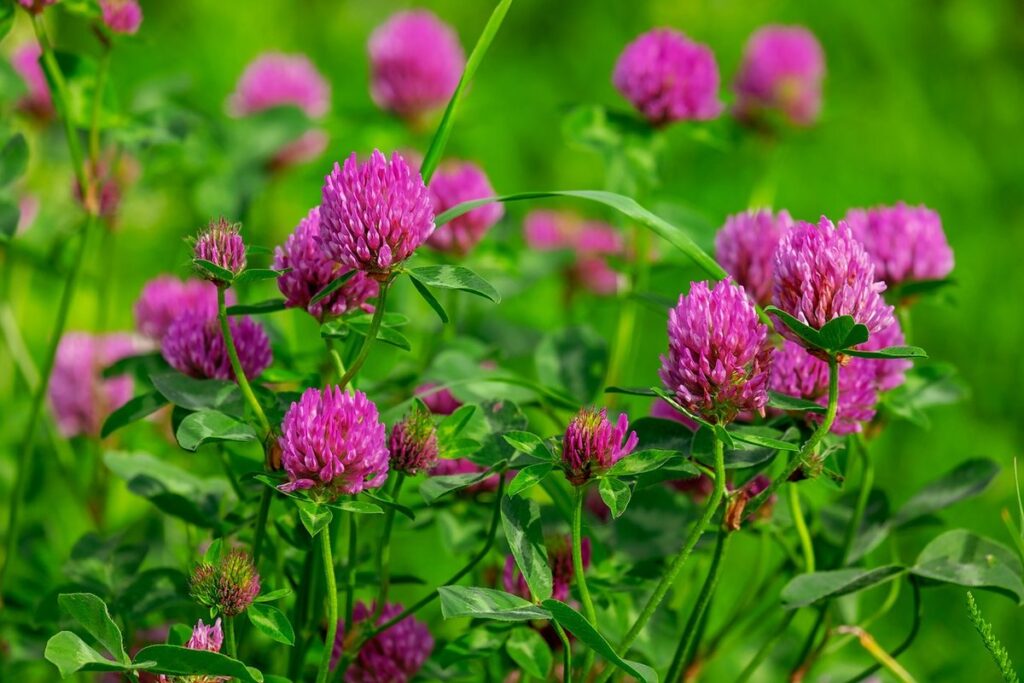
Choosing the Right Location
When selecting native wildflower meadow plants, one of the most crucial decisions you’ll make is choosing a location that suits their specific needs and growth habits. Let’s explore the factors to consider when picking the perfect spot.
Climate and Soil Requirements
When selecting plants for your native wildflower meadow, it’s essential to consider the climate and soil type of your site. This will ensure that your chosen plants thrive and provide a vibrant display of color throughout the growing season.
To assess your site’s conditions, start by observing the local flora and fauna. Note what types of plants are already growing in your area, as well as any microclimates that may exist on your property. For example, if you have a south-facing slope, it may receive more direct sunlight than other areas of your meadow.
Next, test your soil type by digging a small hole and observing its texture, structure, and moisture levels. Native plants are adapted to specific soil types, so choose plants that match your site’s conditions. For example, if you have heavy clay soils, opt for plants like coneflower or black-eyed Susan, which prefer well-drained soils. On the other hand, if you have sandy soils, choose plants like milkweed or joe-pye weed, which can tolerate dry conditions.
By matching your plant choices to your site’s climate and soil type, you’ll create a thriving native wildflower meadow that requires minimal maintenance and care.
Sunlight and Aspect Considerations
When it comes to choosing native wildflower meadow plants for your specific site, sunlight exposure and aspect are crucial considerations. The amount of sunlight your meadow receives will significantly impact the types of plants that thrive there.
Native wildflowers typically require full sun to partial shade, with some species preferring the warmth of south-facing slopes while others do better in shadier north-facing areas. A general rule of thumb is to choose plants that match your site’s aspect and sunlight exposure. For example, if your meadow receives direct sunlight for most of the day, opt for drought-tolerant plants like Bee Balm or Butterfly Milkweed.
Consider the following key factors:
• Sunlight duration: Most native wildflowers require at least 6 hours of direct sunlight per day.
• Aspect: South-facing slopes receive more intense sunlight and are often drier than north-facing areas.
• Microclimate: Local topography, such as hills or valleys, can create microclimates that affect sunlight exposure.
When evaluating your site’s aspect and sunlight, consider the local climate, soil type, and surrounding vegetation. This will help you select plants that not only look stunning but also thrive in their environment.
Selecting Drought-Tolerant Plants
When choosing plants for your native wildflower meadow, it’s essential to select species that can thrive in areas with limited water supply. This includes identifying drought-tolerant options from the start.
Native Grasses and Sedges
Incorporating native grasses and sedges into your wildflower meadow is an excellent way to create a resilient and drought-tolerant landscape. These plants have evolved over time to thrive in dry conditions, making them perfect for areas with low rainfall or irregular watering schedules.
One of the key benefits of native grasses and sedges is their ability to survive with minimal watering. They have deep roots that allow them to access water deep within the soil, reducing the need for frequent watering. For example, the little bluestem (Schizachyrium scoparium) can grow up to 3 feet tall and withstand drought conditions for extended periods.
Native grasses and sedges also provide a habitat for beneficial insects and wildlife. They offer shelter, food, and breeding grounds for various species, making them an essential component of a biodiverse meadow ecosystem. By incorporating native grasses and sedges into your wildflower meadow, you’ll create a thriving and self-sustaining environment that requires minimal maintenance.
To incorporate native grasses and sedges effectively, choose varieties that are suitable for your climate and soil type. Consider planting them in areas with full sun to partial shade, depending on the specific plant requirements. With proper care and maintenance, these plants will thrive and provide beauty and functionality to your wildflower meadow for years to come.
Some popular native grasses and sedges include big bluestem (Andropogon gerardii), Indian grass (Sorghastrum nutans), and white sedge (Carex albula). These plants are not only drought-tolerant but also add texture, movement, and color to your meadow landscape.
Wildflowers That Can Handle Drought
When selecting drought-tolerant wildflowers for your native meadow, it’s essential to choose species that can thrive in areas with limited water supply. These plants have adapted over time to survive with minimal rainfall, making them perfect for meadows with dry spells.
Consider planting California Poppy (Eschscholzia californica), a vibrant orange flower that blooms from February to July and requires minimal watering. Its delicate petals sway gently in the breeze, adding a touch of elegance to your meadow. Another excellent option is the Lupine (Lupinus spp.), which produces tall spikes of colorful flowers in shades of pink, purple, and white.
These drought-tolerant wildflowers can handle extreme temperatures and low rainfall, making them perfect for native meadows with water scarcity issues. To maximize their potential, ensure they receive full sun to partial shade, and avoid overwatering, which can lead to root rot and other problems. By choosing these hardy species, you’ll create a stunning and resilient wildflower meadow that flourishes even in dry conditions.
Some key tips for planting drought-tolerant wildflowers include:
• Plant in well-draining soil to prevent waterlogging
• Use native grasses as groundcovers to help retain moisture
• Avoid using fertilizers or pesticides, which can harm the plants and ecosystem
Planting and Maintenance Strategies
To create a stunning native wildflower meadow, you’ll need to learn the best planting and maintenance strategies for these beautiful flowers. Let’s dive into some expert tips on how to do it right!
Preparing the Site
Before you begin planting your native wildflower meadow, it’s essential to prepare the site properly. This involves removing weeds, loosening the soil, and adding organic matter if necessary.
Start by clearing the area of any debris, rocks, and existing vegetation. Use a non-selective herbicide or manual removal methods to eliminate invasive weeds that can compete with your wildflowers for water and nutrients. If you’re dealing with a large area, consider hiring a professional contractor or enlisting the help of friends and family.
Once the site is clear, use a garden fork or spade to loosen the soil to a depth of about 8-10 inches. This will allow roots to grow freely and make it easier for wildflowers to establish themselves. If your soil is heavy clay or sandy, consider adding organic matter like compost or well-rotted manure to improve its structure and fertility.
Adding 2-3 inches of compost or mulch can also help suppress weeds and retain moisture in the soil. Make sure to spread it evenly across the site, leaving enough space for wildflowers to grow freely.
Initial Planting and Aftercare
When establishing a native wildflower meadow, proper initial planting and ongoing care are crucial for a thriving ecosystem. Start by carefully spacing plants 12-18 inches apart to prevent overcrowding, which can lead to reduced growth and increased susceptibility to disease. Water newly planted areas gently but thoroughly, taking care not to overwater.
Mulching is also essential for retaining moisture and suppressing weeds that could compete with your native wildflowers for resources. A 2-3 inch layer of organic mulch such as wood chips or bark can help regulate soil temperature and prevent erosion. Be sure to maintain a consistent watering schedule during the first growing season, providing about 1 inch of water per week.
Regular maintenance tasks include mowing in the spring to promote new growth and deadheading spent blooms to encourage repeat flowering. A annual late-summer or early-fall trim can also help keep your meadow looking its best by removing seed stalks that would otherwise go to seed, thereby preventing self-seeding and encouraging a diverse range of flora.
Common Challenges and Solutions
When creating a native wildflower meadow, you’ll inevitably encounter obstacles that can be frustrating to overcome. Let’s tackle some common challenges and explore effective solutions together.
Managing Weeds and Invasives
When creating a native wildflower meadow, it’s essential to be aware of common weed species that can compete with your native plants for resources like water and nutrients. Some of the most common weeds you may encounter include dandelions, clover, and creeping thistle.
These invasive plants can quickly take over if left unmanaged, choking out your desired wildflowers and altering the ecosystem’s balance. To control these weeds without using herbicides, start by manually removing them from the soil as soon as they appear. Use a tool like a hoe or rake to dig up roots, being sure to get rid of every last piece to prevent regrowth.
Another effective method is to use mulch or cover crops to suppress weed growth. For example, planting a cover crop like clover or rye in the off-season can help crowd out weeds and create a more favorable environment for your native wildflowers. Regularly inspecting your meadow and addressing weeds promptly will also help prevent them from becoming established and competing with your desired plants.
Dealing with Pests and Diseases
When it comes to native wildflower meadow plants, dealing with pests and diseases is an inevitable part of their care. Some common pests that can affect these plants include aphids, whiteflies, and spider mites. These tiny insects can cause significant damage by sucking sap from the plant, leading to stunted growth or even death.
To manage these pests organically, consider introducing natural predators such as ladybugs or lacewings, which feed on aphids and other soft-bodied insects. You can also use neem oil or insecticidal soap to control infestations without harming beneficial insects.
Diseases like powdery mildew and leaf spot are also common in meadow plants. These fungal infections thrive in humid conditions and can be managed by improving air circulation, removing infected leaves, and treating the plant with a fungicide specifically labeled for use on native plants.
Regular monitoring and prompt action are key to preventing pest and disease issues from getting out of hand. By staying vigilant and taking swift action when necessary, you can maintain the health and beauty of your native wildflower meadow.
Benefits of Native Wildflower Meadows
Native wildflower meadows bring numerous benefits to our environment, from supporting local wildlife to improving soil health and enhancing beauty. Let’s explore these advantages in more detail.
Biodiversity and Ecosystem Services
When you create a native wildflower meadow, you’re not just planting flowers – you’re also fostering a thriving ecosystem that supports biodiversity and provides essential services. One of the most significant ecological benefits of native wildflower meadows is their ability to increase local biodiversity. By incorporating a variety of native plant species, you’re creating a haven for native insects, birds, and mammals.
Pollinators like bees, butterflies, and moths are particularly drawn to these areas, as they provide an abundance of nectar-rich flowers. In fact, studies have shown that meadows with a diverse range of wildflowers can support up to 10 times more pollinator species than non-native flowered areas. By planting native wildflower meadow plants, you’re not only supporting local pollinators but also contributing to the health and resilience of your ecosystem.
Native wildflowers also play a crucial role in maintaining soil health. Their deep root systems help to break up compacted soil, improve drainage, and increase nutrient availability – all of which can lead to healthier, more fertile soil over time. By incorporating native wildflower meadow plants into your landscape design, you’re taking a proactive step towards creating a balanced ecosystem that benefits both the environment and local wildlife.
Aesthetic and Economic Value
A well-established native wildflower meadow is not only a haven for wildlife and pollinators but also a visual treat for humans. The vibrant colors and diverse textures of these flowers can elevate the aesthetic appeal of a property, making it a desirable destination for nature lovers and photographers. In fact, a study by the UK’s Royal Horticultural Society found that gardens featuring native wildflowers attract 50% more visitors than those without.
Beyond its visual appeal, a native wildflower meadow can also boost property values. According to data from the National Association of Estate Agents, homes with well-manicured gardens and naturalistic landscaping features tend to sell for up to 10% more than comparable properties without them. By incorporating native wildflowers into your landscape design, you’re not only creating a beautiful and sustainable space but also potentially increasing your property’s resale value.
To capitalize on the economic benefits of a native wildflower meadow, consider opening it up to local wildlife enthusiasts or even hosting guided tours through your garden. With proper signage and educational materials in place, you can create an eco-tourism opportunity that attracts visitors from surrounding areas, supporting both your community’s economy and your own property value.
Frequently Asked Questions
What’s the best time to plant native wildflower meadow plants, considering their specific growth habits?
Native wildflowers typically bloom from late spring to early fall, so planting them during this period (usually September or October in temperate climates) allows for a full growing season. If you’re planning a winter dormant species, consider planting in the fall for an earlier bloom.
How do I manage weeds and invasive species that might compete with my native wildflower meadow plants?
Regularly remove weeds by hand or using targeted herbicides (avoiding harming your chosen plants). Introduce natural competitors like native grasses and sedges to shade out weeds, and consider mulching or covering the soil to suppress unwanted growth.
Can I mix native wildflowers with non-native species in my meadow, or should I stick exclusively to natives?
While it’s technically possible to combine native and non-native plants, it’s generally recommended to choose native species for a more sustainable ecosystem. Non-natives can outcompete natives and introduce invasive risks. Consider selecting non-native ornamentals only for specific design purposes.
How long does it take for a native wildflower meadow to establish itself and provide a vibrant display of color?
The establishment period varies depending on factors like soil quality, sunlight, and climate. Typically, it takes 1-3 years for the initial plantings to mature, after which you can expect a continuous bloom cycle.
Can I use native grasses as a single-species alternative for achieving biodiversity in my meadow, or is this strategy less effective?
While native grasses are crucial components of a diverse ecosystem, relying solely on them may not yield the same level of biodiversity as incorporating wildflowers. A mix of both can create a richer variety of habitats and species interactions, ultimately supporting more wildlife diversity.