
Growing your own garlic can be a wonderful experience, but did you know that pairing it with the right companion plants can take it to the next level? Not only do these beneficial companions enhance the flavor and aroma of your garlic, but they also help repel pests and improve its overall health. Whether you’re a seasoned gardener or just starting out, finding the perfect pairings for your garlic can seem like a daunting task. But don’t worry, we’ve got you covered! In this article, we’ll dive into the top companion plants for garlic that will make your harvest more bountiful and delicious than ever before. From pest-repelling herbs to nutrient-rich legumes, learn how to plant and care for these beneficial companions and take your garlic game to new heights.
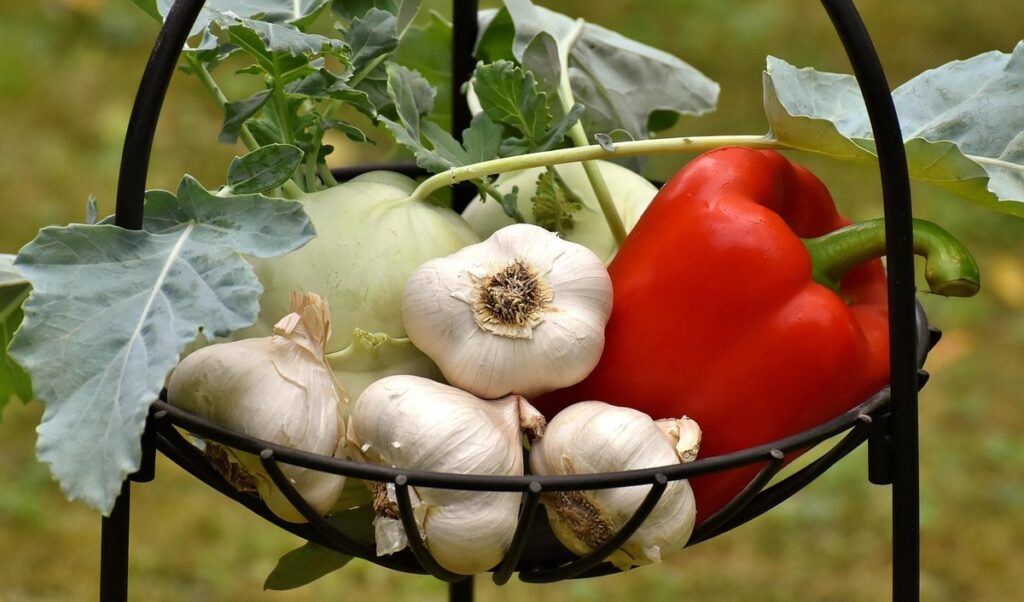
Benefits of Companion Planting for Garlic
When it comes to companion planting, garlic benefits from the right friends by boosting its flavor and health, and we’re sharing some surprising pairings that will take your harvest to the next level.
Improving Garlic’s Growth and Yield
When it comes to companion planting for garlic, not only can these plants enhance its flavor and aroma, but they can also significantly improve its growth rate, size, and overall yield. Companion plants like marigolds, nasturtiums, and chives are known to promote healthy growth in garlic.
Marigolds, for instance, repel nematodes that can harm garlic bulbs, while their bright flowers attract beneficial insects that pollinate the plant. Nasturtiums, on the other hand, spread their leaves wide, shading the soil and preventing weeds from competing with garlic for water and nutrients. Chives, being a member of the onion family, also benefit from the same growing conditions as garlic, making them an ideal companion.
When planting these beneficial companions alongside your garlic, be sure to plant marigolds and nasturtiums at least 6-8 inches away from garlic to avoid overcrowding. Chives can be planted even closer, about 4-6 inches apart from garlic, as they don’t compete for space or resources. By incorporating these companion plants into your garden, you’ll not only enjoy a more bountiful harvest but also improve the overall health and quality of your garlic crop.
Repelling Pests and Diseases
When it comes to companion planting for garlic, one of the most significant benefits is the ability to repel pests and diseases that target this popular crop. Certain plants have been shown to be natural pest-repellents or disease-fighters, reducing the need for pesticides and other chemicals.
For example, marigolds are known to repel nematodes, microscopic worms that can cause damage to garlic bulbs. By planting marigolds alongside your garlic, you can protect your crop from these unwanted visitors. Chives and rosemary also have natural oils that repel aphids, whiteflies, and other pests that can harm garlic.
Garlic itself has antibacterial properties that help combat fungal diseases like powdery mildew. However, companion plants like calendula and chamomile can further enhance its resistance to disease by promoting a healthy balance of beneficial microbes in the soil. By incorporating these companion plants into your garlic garden, you’ll not only boost flavor but also create a more resilient and pest-free crop.
Choosing Companion Plants for Garlic
When selecting companion plants for garlic, it’s essential to choose varieties that complement its flavor and growth. Let’s explore some fantastic options that’ll boost your garlic’s potency and flavor.
Vegetables as Companion Plants
When it comes to choosing companion plants for garlic, vegetables like marigold, nasturtiums, and calendula can be excellent additions to your garden. These flowers not only add a pop of color but also provide several benefits that enhance garlic’s growth.
Marigold, with its bright yellow and orange blooms, is known for repelling nematodes and other pests that target garlic. Its strong scent can also deter aphids and whiteflies. To incorporate marigold into your garlic companion planting strategy, simply plant them around the perimeter of your garlic bed or interspace them among the rows.
Nasturtiums, with their delicate flowers and spicy aroma, are another excellent choice for garlic gardens. They repel aphids, whiteflies, and other pests that can damage garlic bulbs. Calendula, with its bright orange and yellow petals, has antiseptic properties that can help prevent fungal diseases in garlic.
By planting these vegetables alongside your garlic, you can create a balanced ecosystem that promotes healthy growth and reduces the need for pesticides or fungicides. Simply plant them together at the same time as your garlic, or transplant them into your garlic bed once they’ve reached 6-8 inches tall.
Herbs as Companion Plants
When it comes to choosing companion plants for garlic, herbs like rosemary, thyme, and oregano can be a game-changer. Not only do they improve the flavor and aroma of your garlic, but they also help repel pests that might damage your crop.
Rosemary, in particular, is a natural pest repellent that keeps away carrot flies, spider mites, and even rabbits. Planting rosemary near your garlic will enhance its fragrance and add depth to its flavor. Thyme, on the other hand, has antibacterial properties that help prevent fungal diseases in garlic. Plus, its pungency repels whiteflies and aphids.
Oregano is another herb that works wonders with garlic. Its earthy aroma complements the flavor of garlic, while its antifungal properties keep powdery mildew and other diseases at bay. To get the most out of these herbs as companion plants, plant them on the north side of your garlic bed to avoid shading and competition for nutrients. By pairing garlic with these herbs, you’ll not only boost their flavor but also create a balanced ecosystem that promotes healthy growth.
Planting and Caring for Companion Plants
Now that you know which companion plants to grow alongside garlic, let’s dive into how to plant and care for them effectively. With these tips, you’ll be on your way to a thriving garden in no time!
Spacing and Timing Considerations
When planting companion plants around garlic bulbs, it’s essential to consider their spacing and timing. A good rule of thumb is to plant companions that repel pests and attract beneficial insects at least 12-18 inches away from the garlic. For example, basil and mint are excellent choices for repelling aphids and other pests that target garlic.
On the other hand, some companion plants like marigold and nasturtium can be planted as close as 6-8 inches away from garlic. These flowers not only repel nematodes but also attract beneficial insects that pollinate garlic flowers.
Timing is also crucial when planting companion plants. It’s best to plant them at the same time as garlic in early spring or fall, depending on your climate. This allows them to mature together and provides a symbiotic relationship between the two plants. Be sure to water and care for both the garlic and its companions equally, making sure not to overwater which can lead to rot and other issues. By following these spacing and timing guidelines, you’ll be able to create a thriving environment that boosts flavor and health in your garlic crop.
Composting with Companion Plants
When it comes to companion planting, most of us think about the benefits for our garlic crop itself. However, these plants can also be a valuable addition to our compost pile. Their leaves, stalks, and flowers are rich in nutrients that can enrich soil health when added to the mix.
To make the most of this resource, consider harvesting and drying the leaves and flowers from your companion plants. Nasturtiums, for example, have bright green leaves with a peppery flavor that are high in nitrogen, making them perfect for adding a boost to your compost. Chives and parsley also make excellent additions, as their flowers are rich in calcium and other minerals.
To incorporate these materials into your composting routine, simply chop or shred the dried leaves and flowers into smaller pieces before adding them to your pile. This will help speed up the decomposition process and create a nutrient-rich soil amendment for future crops. By utilizing the entire plant – rather than just discarding it after harvesting – you’ll not only reduce waste but also create a more diverse and healthy compost ecosystem.
Additional Tips and Variations
If you’re feeling adventurous, here are some creative ways to combine your favorite companion plants with garlic for a truly unique flavor boost. Experiment with these unusual pairings for added excitement!
Companion Planting for Specific Garlic Varieties
When it comes to choosing companion plants for specific garlic varieties, some types pair better than others. Elephant garlic, with its large, mild bulbs, is a great candidate for pairing with tall sunflowers that provide shade and help retain moisture. This combination not only adds visual interest but also creates a microclimate that promotes healthy growth.
Silverskin garlic, on the other hand, benefits from being paired with chives, which repel aphids and other pests that can harm garlic. Chives are also easy to grow alongside silverskin garlic, as they have similar growing requirements. Planting them together can help reduce the need for pesticides and maintain soil health.
Other factors to consider when selecting companion plants for your specific garlic variety include climate, soil type, and personal preferences. Be sure to choose plants that complement your garlic’s growth habits and don’t compete with it for resources. By carefully selecting companion plants, you can create a thriving garden ecosystem that boosts flavor and health.
Using Companion Plants in Indoor Gardening
Taking the principles of companion planting to indoor gardening with garlic can be a great way to create a thriving and diverse space. Since garlic doesn’t require a lot of direct sunlight, it’s perfect for growing indoors. To apply this concept, start by selecting companion plants that complement garlic’s needs.
Some excellent choices for indoor companion plants include basil, mint, and chives. These herbs not only provide a natural pest repellent but also add flavor to your cooking. Basil and mint are easy to care for and can thrive in low-light conditions, making them ideal for indoor spaces. Chives, on the other hand, are great for repelling aphids and other pests that target garlic.
To get started, plant garlic cloves in a container with good drainage, about 4-6 inches deep. Add a layer of compost or well-rotted manure to improve soil fertility. Next, choose your companion plants and position them around the garlic, leaving enough space for air circulation and sunlight penetration. Water regularly, but avoid overwatering, which can lead to root rot. By following these simple steps, you’ll be enjoying homegrown garlic with fresh herbs in no time!
Common Mistakes and Troubleshooting
When it comes to growing garlic with companion plants, mistakes can be costly. Here are common errors to watch out for and how to fix them.
Overcrowding and Under-Planting
When pairing companion plants with garlic, it’s easy to get carried away with planting too much of everything. However, overcrowding can be detrimental to the health and flavor of both the garlic and its companions.
Not only does overcrowding reduce air circulation between plants, but it also creates a competitive environment for water and nutrients. This can lead to weakened plants that are more susceptible to pests and diseases. Imagine planting an entire bed with garlic and companion plants like marigolds, nasturtiums, and chives – sounds like a great idea, right? But without proper spacing, these plants will struggle to thrive.
To avoid overcrowding, aim for a ratio of 6-8 inches between each garlic bulb and 12-18 inches between rows. This allows for ample air circulation, making it easier for beneficial insects and microorganisms to do their job. Under-planting is just as problematic. Leaving too much space between plants can lead to weeds taking over the bed, competing with your garlic and companions for resources.
When planting companion plants alongside garlic, consider a 1:3 or 1:4 ratio of garlic to companion plant. This ensures that each bulb has enough room to grow without feeling overcrowded, while also providing an adequate population of beneficial insects to aid in pest control and soil health.
Interactions Between Companion Plants
When pairing companion plants with garlic, it’s essential to consider potential interactions that can impact growth. Some plants may compete for resources like water and nutrients, while others might even repel beneficial insects that help pollinate garlic flowers.
For instance, planting marigolds alongside garlic can enhance its pest resistance due to the nematocidal properties in their roots. However, if you’re growing beans or peas nearby, be cautious as they may compete with garlic for nitrogen in the soil. Similarly, onions and garlic are often planted together due to their complementary flavor profiles but might stunt each other’s growth if not separated by at least 12 inches.
To avoid conflicts between companion plants, research the specific needs of each plant variety. If you’re planting multiple types of herbs or vegetables around your garlic patch, consider grouping them according to similar growing requirements. This will help minimize competition for resources and allow your garlic to thrive in a stress-free environment.
Frequently Asked Questions
Can I use companion plants for garlic indoors, or is it strictly an outdoor activity?
You can indeed use companion plants for garlic indoors, especially if you’re growing garlic in containers or have limited space outside. Choose compact varieties of herbs like basil, chives, or parsley that won’t outcompete your garlic for resources. Place them near a sunny window and maintain good air circulation to prevent fungal diseases.
How do I know which companion plants are best suited for my specific climate and region?
Your local climate and region play a significant role in choosing the right companion plants for your garlic. Consider factors like temperature, moisture levels, and pest pressure when selecting plants that thrive in similar conditions. Research specific companion plant recommendations for your area or consult with local gardening experts.
Can I combine multiple types of garlic with different companion plants to create a diverse garden ecosystem?
Absolutely! Mixing and matching different types of garlic with their respective companion plants can lead to a thriving, balanced garden ecosystem. Just be mindful of potential overcrowding and ensure each plant has enough space to grow without competing for resources.
What’s the ideal timing for planting companion plants alongside my garlic? Should I plant them at the same time or stagger their growth?
Plant companion plants that have similar growth cycles as your garlic (e.g., spring-planted herbs) around the same time. For others with different growth habits, consider staggering their planting to avoid overcrowding and allow each plant to thrive in its optimal growing conditions.
Can I use companion plants to repel pests from my entire garden, not just the area surrounding my garlic?
While some companion plants are incredibly effective at repelling pests, they may not be sufficient to protect an entire garden. Consider using a combination of companion planting strategies alongside other integrated pest management techniques for comprehensive protection.