
Garlic scapes are one of the most underrated treasures in the world of gardening. These delicate, curly shoots that emerge from garlic bulbs are not only edible but also packed with flavor and nutrients. Not to mention, they’re a great way to add some visual appeal to your garden beds.
If you’re new to growing garlic or looking for ways to maximize your harvest, learning how to grow garlic scapes is essential. By following our comprehensive guide, you’ll discover the secrets of preparing your bulbs for scape production, planting them at the right time, and providing optimal care for a bountiful harvest. We’ll take you through every step of the process, from preparation to harvesting techniques, so you can enjoy a fresh supply of garlic scapes all season long.
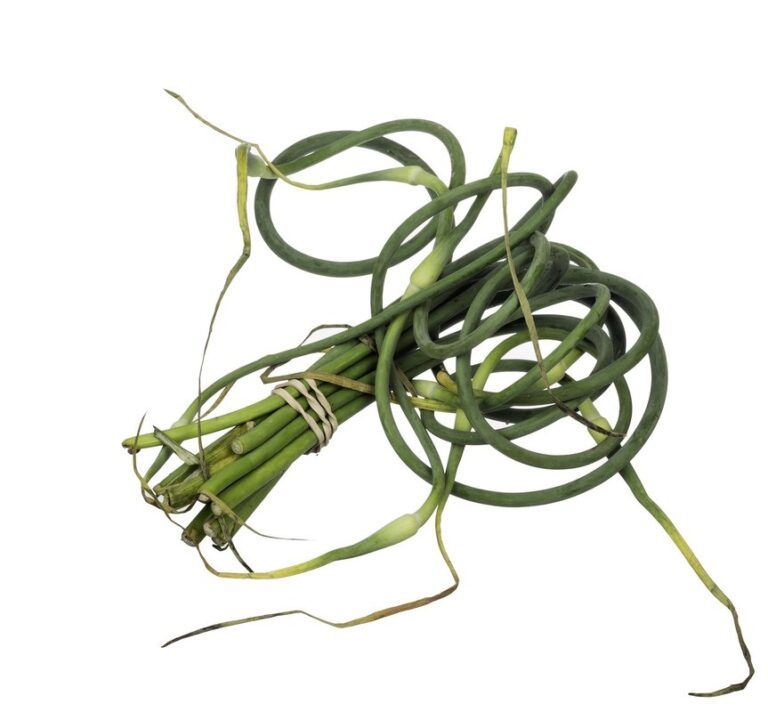
Understanding Garlic Scapes
As you begin growing garlic scapes, it’s essential to understand what they are and how to identify them, as well as their unique growth habits. This will help you cultivate healthy and thriving plants.
What Are Garlic Scapes?
Garlic scapes are the curly green shoots that emerge from the top of garlic bulbs as they grow. They’re often mistaken for weeds, but they play a crucial role in the development of healthy garlic plants. The purpose of garlic scapes is to help the plant focus its energy on producing a large bulb underground rather than investing it in seed production.
Removing garlic scapes can promote healthy bulb growth by allowing the plant to channel its energy into developing a larger, more flavorful bulb. In fact, studies have shown that removing scapes can increase bulb size by up to 20%. By removing them regularly, you’ll be encouraging your garlic plants to put their energy towards producing a high-quality crop.
It’s essential to remove scapes when they’re around 6-8 inches tall, typically in late spring. Simply snip them off at the base of the plant using scissors or pinch them off with your fingers. This will help direct the plant’s energy towards developing a robust bulb. By doing so, you’ll be rewarded with bigger, more flavorful garlic bulbs come harvest time.
Benefits of Growing Garlic Scapes
Growing garlic scapes offers several benefits that can enhance your overall gardening experience and culinary endeavors. One of the most significant advantages is the additional harvest opportunities it provides. While garlic bulbs are typically harvested in late summer, scapes are ready for harvest around 6-8 weeks earlier, usually in spring or early summer. This allows you to enjoy a fresh, young crop of garlic greens before the main bulb harvest.
Garlic scapes also contribute significantly to the overall flavor and aroma of your garlic harvest. They contain the same pungency as the bulbs but in a more concentrated form, making them ideal for adding a robust garlic flavor to dishes. Additionally, scapes can be used in a variety of ways, such as sautéing or steaming, providing you with more flexibility when preparing meals.
To maximize the benefits of growing garlic scapes, make sure to harvest them regularly to encourage the plant’s energy to focus on bulb production. This will result in larger, more flavorful bulbs come harvest time.
Preparing Your Soil and Climate
To grow healthy garlic scapes, it’s crucial to start by preparing your soil for optimal conditions. Let’s dive into how to get your garden ready for these delicious shoots!
Choosing the Right Location
When choosing the right location for growing garlic scapes, it’s essential to consider the ideal conditions that will allow them to thrive. Garlic scapes require full sun to partial shade, so select a spot that receives at least 6 hours of direct sunlight per day.
The soil type is also crucial in growing garlic scapes. They prefer well-draining soil with a pH between 5.5 and 7.0. If your soil is heavy clay or sandy, amend it with organic matter like compost to improve its structure. Aim for a depth of about 12 inches (30 cm) to accommodate the garlic plant‘s root system.
Temperature-wise, garlic scapes are hardy in zones 4-9 and can tolerate temperatures between 32°F (0°C) and 75°F (24°C). However, they’ll grow best in temperatures ranging from 40°F (4°C) to 55°F (13°C), which is typically ideal for most regions during spring.
To further optimize your location, choose a spot with good air circulation to prevent moisture buildup and diseases.
Soil Preparation and pH Levels
Before planting garlic scapes, it’s essential to prepare the soil for optimal growth. Garlic prefers well-draining, loose soil with a pH level between 6.0 and 7.0. If your soil’s pH is outside this range, you’ll need to adjust it to create a suitable environment for your garlic scapes.
To determine your soil’s pH level, use a DIY testing kit or send a sample to a lab for analysis. Based on the results, add lime to raise the pH or sulfur to lower it. For example, if your soil has a pH of 5.5 and you want to adjust it to 6.5, add one cup of lime per square foot of garden bed.
In addition to adjusting pH levels, also ensure your soil is rich in nutrients. Garlic scapes require a balanced diet of nitrogen, phosphorus, and potassium (NPK). Add compost or well-rotted manure to the soil to provide essential micronutrients like magnesium, sulfur, and calcium. For optimal growth, apply 1/2 cup of balanced fertilizer per square foot around the base of each garlic plant about two weeks after planting.
Planting Garlic Scapes
When planting garlic scapes, timing is crucial, so we’ll cover the optimal months for sowing and how to prepare your soil for success. Now let’s dive into the specifics of planting these delicious shoots.
When to Plant Garlic Scapes
When it comes to planting garlic scapes, timing is everything. The optimal time for planting varies depending on your location and climate conditions. In general, you can plant garlic scapes in early spring, usually around 4-6 weeks before the last frost date.
In warmer climates with mild winters, such as California or the southern states, you can plant garlic scapes in late winter to early spring, around February or March. This allows them to establish themselves before the heat of summer sets in.
In cooler climates with cold winters, such as the northern states or Canada, it’s best to wait until the soil has warmed up and the danger of frost has passed, typically around late April or May. Make sure to check the weather forecast beforehand to ensure that there won’t be any unexpected frosts.
Remember, garlic scapes are a cool-season crop, so they prefer temperatures between 40°F to 70°F (4°C to 21°C). Plant them when the soil is workable and moist, and give them about 6-8 hours of direct sunlight per day. By planting at the right time, you’ll be on your way to a bountiful harvest of delicious garlic scapes.
Planting Technique and Spacing
When planting garlic scapes, it’s essential to consider spacing and depth to ensure proper growth and development. Start by loosening the soil with a fork to a depth of about 6-8 inches. This will make it easier for the scapes to spread out and establish their roots.
For optimal growth, space garlic scapes 2-3 inches apart in all directions. This allows for good air circulation and prevents overcrowding, which can lead to disease and pests. If you’re planting multiple rows, space them at least 12 inches apart to ensure easy access and maintainable harvesting.
When placing the scapes in the soil, bury them up to their necks, leaving about an inch of stem exposed above ground. Firm the soil gently around the base of each scape to secure it in place. Keep in mind that garlic scapes are more sensitive than regular garlic bulbs, so be gentle when handling them to avoid damaging the roots or causing stress.
Proper spacing and depth will also make harvesting easier, as you’ll have more room to maneuver and won’t risk accidentally digging up nearby scapes.
Caring for Your Garlic Scape Crop
Now that you’ve harvested your garlic scapes, it’s essential to care for them properly to ensure they remain healthy and continue producing. In this section, we’ll cover tips for nurturing your crop.
Watering and Irrigation Strategies
Watering and irrigation are crucial for healthy garlic scape growth. Over-watering can be detrimental to your crop, leading to rot and other issues. As a general rule, water your garlic scapes when the top 1-2 inches of soil feels dry to the touch.
For young seedlings, aim to provide about 1 inch of water per week through either rainfall or irrigation. You can achieve this by watering every 2-3 days during hot and dry spells. For established plants, you might only need to water once a week. To save time and reduce waste, consider investing in a drip irrigation system.
This type of system delivers water directly to the roots, reducing evaporation and runoff. As an added benefit, it’s gentler on the plant than overhead sprinklers, which can cause fungal diseases by wetting the leaves.
Monitor your plants’ response to watering schedules and adjust as needed. Keep in mind that garlic scapes have a relatively low water requirement compared to other vegetables.
Fertilization and Pest Management
Fertilizing your garlic scapes is crucial for promoting healthy growth and development. As with any crop, regular fertilization helps provide essential nutrients like nitrogen, phosphorus, and potassium that support photosynthesis, root development, and overall plant health.
When to Fertilize:
Timing is everything when it comes to fertilizing garlic scapes. Aim to fertilize about 2-3 weeks after planting, or once the scapes have reached 6-8 inches in height. This allows the plants to establish a strong foundation before requiring additional nutrients.
What to Use:
For optimal results, use a balanced fertilizer that contains equal amounts of nitrogen (N), phosphorus (P), and potassium (K). Organic options like compost tea or fish emulsion work well, but be sure to follow the recommended application rates to avoid over-fertilizing. Over-fertilization can lead to weak growth and reduced flavor.
Regular fertilization will also help prevent pests like aphids, spider mites, and nematodes from taking hold. Keep an eye out for these common issues and address them promptly with insecticidal soap or neem oil if necessary.
Harvesting Your Garlic Scapes
Now that you’ve coaxed those beautiful garlic scapes out of your garden, it’s time to harvest them for their unique flavor and versatility. We’ll walk you through how to do this carefully.
Identifying Mature Scapes
When it’s time to harvest your garlic scapes, you’ll need to know when they’ve reached maturity. Mature garlic scapes are typically 6-8 inches long and about the diameter of a pencil. To determine if your scapes have reached this stage, inspect them regularly for these key characteristics.
Look for the top set of leaves on each scape – these should be tightly wrapped around the stem and not easily removable. If they’re loose or falling off, it’s likely too early to harvest. Also, check the color of the leaves; mature scapes will have a lighter green hue compared to younger ones.
Another way to confirm maturity is by checking for flower buds. Mature garlic scapes will have visible buds forming near the top of the stem. If you notice these buds, it’s likely time to harvest your scapes. Harvesting at this stage ensures optimal flavor and aroma in your final product.
Harvesting Techniques
When it’s time to harvest garlic scapes, you’ll want to do so carefully to avoid damaging either the bulbs or the scapes themselves. Here are some step-by-step instructions for harvesting garlic scapes at the right moment and with minimal disruption.
Start by checking the scapes regularly, typically around 6-8 weeks after planting, when they’re around 6-12 inches long and beginning to form a bulbil (a small bulb) at their base. To harvest, snip off the scape just above the node where it meets the plant’s foliage. This will help prevent damage to the foliage and ensure you can continue to enjoy healthy growth.
Another method is to twist and pull the scapes away from the plant, but be cautious not to break any of the delicate stems. To avoid damaging the bulbs, make sure to leave a few inches of stem attached to each bulb, as this will help the plant continue to grow.
Preserving and Storing Your Harvest
Now that you’ve successfully grown your garlic scapes, it’s time to think about how to preserve them for future meals, and we’ll show you some great ways to store them.
Methods for Preserving Garlic Scapes
Now that you’ve harvested your garlic scapes, it’s time to think about preserving them for future use. There are several methods to choose from, and the best one for you will depend on your personal preferences and storage space.
Freezing is a popular method for preserving garlic scapes. To freeze, simply chop or slice the scapes as desired, then place them in an airtight container or freezer bag. Frozen garlic scapes can be used in soups, stews, and sauces throughout the year. Dehydrating is another option, which helps to remove moisture and preserve the flavor. You can use a food dehydrator or your oven on the lowest temperature setting.
Pickling is also a great way to preserve garlic scapes, adding a tangy flavor that’s perfect for salads and sandwiches. To pickle, combine chopped scapes with vinegar, salt, and any other desired spices in a jar. Allow the mixture to sit at room temperature for a few hours before refrigerating or storing in a cool place.
Long-Term Storage Solutions
Proper storage of garlic scapes is crucial to maintaining their flavor and quality over an extended period. To store harvested garlic scapes for a long time, you’ll want to keep them dry and free from moisture. This can be achieved by tying the stalks together in small bunches and hanging them upside down in a cool, well-ventilated area.
You can also consider storing garlic scapes in an airtight container filled with silica gel packets or uncooked rice. These absorb excess moisture, preventing mold and bacterial growth. Be sure to label the containers so you know what’s inside and when they were stored.
In terms of temperature, it’s best to store garlic scapes at around 40°F (4°C) to slow down their ripening process. Avoid storing them near direct sunlight or heat sources as this can cause them to spoil quickly. By following these storage tips, you can enjoy your homegrown garlic scapes for several months without a loss of flavor or texture.
If stored properly, garlic scapes can last up to 6-8 weeks in optimal conditions.
Frequently Asked Questions
Can I grow garlic scapes indoors or do they require a specific climate?
Garlic scapes prefer full sun to partial shade, so if you’re growing them indoors, make sure they receive at least 4-6 hours of direct sunlight per day. If this isn’t possible, consider using grow lights to supplement the natural light.
How often should I harvest garlic scapes for optimal growth and flavor?
Harvesting garlic scapes regularly will encourage your plants to produce more shoots, but be sure not to remove too many at once. Aim to take off 2-3 scapes per week, leaving about an inch of stem attached to the plant.
Can I use garlic scapes in place of regular garlic for cooking?
Yes! Garlic scapes have a milder flavor than mature garlic bulbs and can be used in a variety of dishes, from soups to stir-fries. Simply chop or mince them as you would regular garlic and use according to your recipe.
How do I prevent pests and diseases from affecting my garlic scape crop?
To minimize the risk of pests and diseases, make sure to keep your soil consistently moist but not waterlogged. Also, avoid overcrowding your plants, as this can lead to increased humidity and promote fungal growth.
Can I grow multiple varieties of garlic together for a diverse harvest?
Yes, but be aware that different garlic varieties may have varying scape habits and growing requirements. To minimize competition for resources, plant complementary varieties side by side, such as hardneck and softneck garlic.