
If you’re a fig tree enthusiast or simply looking for a reliable harvest, effective pruning is crucial. Pruning your fig tree can be intimidating, especially if you’re new to gardening. However, with the right techniques and approach, you’ll not only promote healthy growth but also boost fruit production. In this comprehensive guide, we’ll walk you through the ins and outs of how to prune fig trees like a pro. We’ll cover the different types of cuts you should know about, as well as provide a pre-pruning checklist to ensure you’re properly prepared. By following our step-by-step instructions, you’ll be able to effectively prune your fig tree for optimal results. With this guide, you’ll learn how to prune like a pro and enjoy a bountiful harvest year after year.
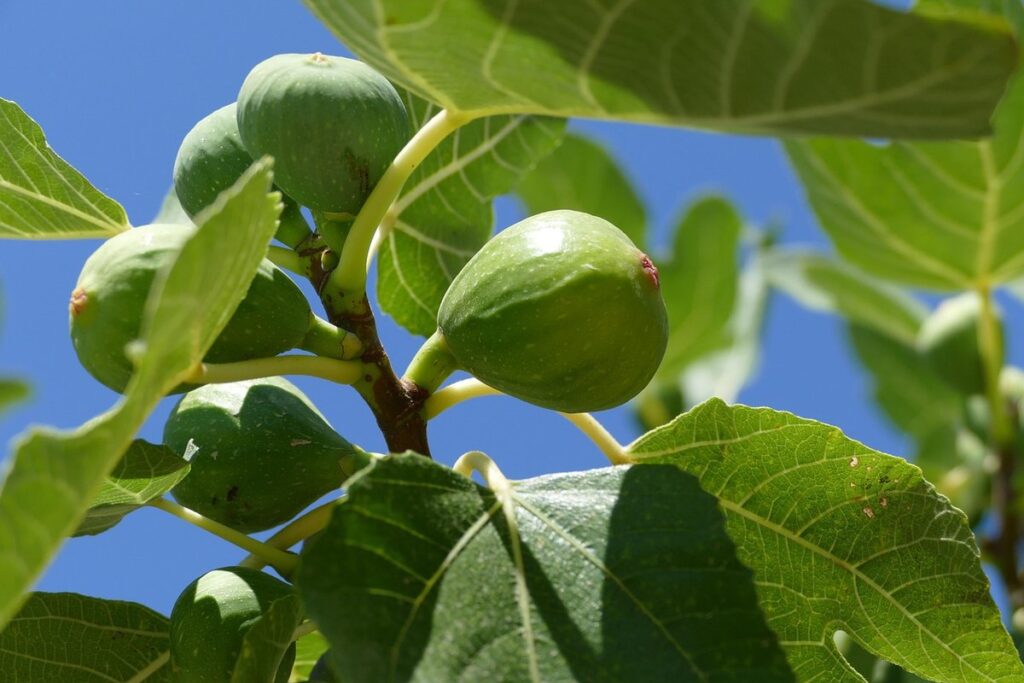
Understanding Fig Tree Pruning
When pruning fig trees, it’s essential to understand the different techniques and tools involved to achieve a balanced and healthy tree. Let’s dive into the specifics of fig tree pruning.
Why Prune a Fig Tree?
When you first plant a fig tree, it’s easy to forget about pruning. After all, they’re relatively low-maintenance compared to other fruit trees. However, neglecting this crucial step can lead to problems down the line. Pruning is essential for maintaining the health and productivity of your fig tree.
Promoting Fruiting
One of the primary reasons why you should prune a fig tree regularly is to encourage fruiting. When a fig tree is left unpruned, it will focus its energy on growing new shoots and leaves rather than producing fruit. By pruning away these unwanted growths, you’re directing the tree’s resources towards creating a bountiful harvest.
Controlling Pests and Diseases
Regular pruning also helps control pests and diseases that can damage your fig tree. For example, overgrown branches provide a haven for aphids, whiteflies, and other insects to infest. Pruning these areas keeps them at bay. Similarly, pruning helps remove diseased or damaged branches that could spread disease to the rest of the tree.
Shaping the Tree
Pruning not only serves practical purposes but also aesthetic ones. By controlling the shape and size of your fig tree, you can maintain its natural beauty while also making it easier to harvest fruit from. This is especially important for dwarf or compact varieties where space is limited.
Types of Pruning Cuts
When pruning fig trees, it’s essential to understand the different types of cuts used to achieve the desired results. There are three primary types of pruning cuts: reducing cuts, thinning cuts, and renewal cuts.
Reducing cuts involve cutting back branches or stems to control their size or promote a more balanced canopy. This type of cut is typically made in late winter or early spring, before new growth begins. For example, if your fig tree has become leggy or top-heavy, reducing cuts can help shape the tree and encourage new growth from lower branches.
Thinning cuts, on the other hand, involve removing select branches to improve air circulation, reduce congestion, and promote healthy fruit production. This type of cut is usually made in late winter or early spring, just like reducing cuts. Thinning cuts should be made at a 45-degree angle, about one-quarter inch above a bud or lateral branch.
Renewal cuts are used to rejuvenate old or over-mature trees by removing large branches and promoting new growth from the base of the tree. This type of cut is typically made in late winter or early spring, and should be done with caution to avoid damaging the remaining limbs.
In general, it’s best to make pruning cuts at a 45-degree angle, about one-quarter inch above a bud or lateral branch. This helps the tree heal quickly and minimizes the risk of disease or pests taking hold. By understanding and using these different types of pruning cuts, you can promote healthy growth, increase fruit production, and enjoy a thriving fig tree for years to come.
Pre-Pruning Checklist
Before starting to prune your fig tree, it’s essential to prepare yourself with the right tools and knowledge. This pre-pruning checklist will ensure that you’re well-equipped to tackle the task.
Begin by selecting the right pruning tools for the job. You’ll need a pair of sharp, clean pruning shears or loppers, as well as a saw for thicker branches. Make sure your tools are rust-free and properly sanitized to prevent the spread of disease.
Consider the time of year when planning your pruning schedule. In general, it’s best to prune fig trees during their dormant season, usually between late winter and early spring. This allows you to assess the tree’s structure without the distraction of leaves and fruit.
Assess your fig tree’s condition before pruning by inspecting for any signs of disease or pests. Look for yellowing or browning leaves, and check for cracks or splits in the trunk. This will help you prioritize areas that need attention during pruning.
Preparing for Pruning
Before you start pruning, make sure you have the right tools and knowledge to avoid damaging your fig tree. Understanding when to prune is crucial for its health and productivity.
Inspecting Your Fig Tree
Before you start pruning your fig tree, it’s essential to inspect it thoroughly for signs of pests, diseases, or nutrient deficiencies. This will help you address any underlying issues that may affect the health and productivity of your tree.
Start by examining the leaves for any visible signs of damage or discoloration. Look for holes, tears, or yellowing, which can indicate the presence of pests like aphids, whiteflies, or spider mites. Check for powdery mildew, a common fungal disease that causes a white, powdery coating on the leaves.
Next, inspect the branches and trunk for signs of damage, cracks, or splits. These can provide entry points for diseases like root rot or fungal infections. Look for any dead or diseased wood, which should be removed to prevent the spread of disease.
It’s also crucial to identify the different parts of your fig tree, including the main trunk, branches, and roots. Familiarize yourself with these areas so you can make informed pruning decisions later on. For example, the main trunk is responsible for supporting the entire tree, while the branches produce fruit and leaves.
Creating a Pruning Schedule
When it comes to pruning fig trees, timing is everything. Creating a pruning schedule that takes into account your climate and region is crucial for promoting healthy growth and encouraging fruiting. To start, you’ll need to determine the best time of year to prune your fig tree based on its location.
In general, fig trees in warmer climates can be pruned year-round, while those in cooler climates should wait until late winter or early spring when new growth begins. Consider your region’s average last frost date and plan accordingly. For example, if you live in a zone with mild winters, you may be able to prune your fig tree in February or March.
Once you’ve established the best pruning time for your area, create a schedule that outlines specific tasks for each season. This might include:
• Deadheading spent flowers in late spring
• Removing weak growth and thinning branches in summer
• Pruning roots and repotting as needed in fall
• Reducing top growth to promote dormancy in winter
By following this schedule, you’ll be able to maintain your fig tree’s health and encourage bountiful fruiting. Remember to observe your tree regularly and adjust the schedule as necessary based on its specific needs.
Basic Pruning Techniques
When pruning fig trees, understanding basic techniques is essential for maintaining their shape and promoting healthy growth. This section will walk you through the fundamental steps to get started with pruning your fig tree.
Removing Deadwood
When pruning fig trees, it’s essential to remove deadwood to maintain the tree’s health and structure. Dead branches can weaken the tree’s defenses, making it more susceptible to disease and pests. They also take energy away from the living parts of the tree, which can lead to a decline in overall health.
To identify deadwood, look for signs such as:
* Brittle or dry wood that breaks easily
* Discoloration or fungal growth on the branch
* Dead leaves or twigs that don’t respond to pruning
When removing dead branches, make clean cuts just above a bud or a lateral branch. This will help the tree heal quickly and reduce the risk of infection. Use sharp, sterile pruning tools to avoid spreading disease.
Remove any diseased or damaged branches first, working from the bottom up to prevent debris from falling on healthy areas of the tree. Cut back branches that are rubbing against each other or growing inwards to promote a balanced, open structure.
Thinning Out Branches
Thinning out branches is an essential part of fig tree pruning. By removing select branches, you’re allowing for better air circulation and sunlight penetration, which promotes healthy growth and reduces the risk of disease. To thin out branches effectively, start by identifying the oldest or thickest stems. These are usually the ones closest to the ground and can become heavy with fruit.
Remove any crossing branches that rub against each other, as this can cause damage and create an entry point for pests or diseases. Also, take note of any weak or spindly growth that’s not producing well. This type of growth is often a sign of stress and can be removed to direct the tree’s energy towards healthier areas.
When removing branches, cut them at the base using clean, sharp pruning tools. Make sure to disinfect your equipment between cuts to prevent spreading any diseases. Aim for a balanced canopy by maintaining a mix of old and new growth. This will help your fig tree thrive and produce an abundance of delicious fruit.
Advanced Pruning Techniques
For more experienced gardeners, we’ll dive into advanced pruning techniques that will help you fine-tune your fig tree’s shape and promote optimal fruiting. This includes strategies for renewal pruning and rootstock management.
Renewal Pruning
Renewal pruning is an essential technique for maintaining the health and productivity of your fig tree. This method involves cutting back branches to encourage new growth, which can help control the size of the tree, promote fruiting, and enhance its overall appearance.
When selecting branches to cut, look for those that are at least 1-2 feet long and have a diameter of about 1 inch. Cut these branches back to about one-third to one-half their original length, making sure each cut is clean and angled slightly above the bud eye (the small bump on the branch where new growth emerges). This will help stimulate new growth from the remaining buds.
Some fig tree varieties, such as ‘Brown Turkey’ and ‘Black Jack’, are more prone to suckering than others. Suckers are weak, unproductive shoots that grow from the base of the tree or near the graft union. When performing renewal pruning, be sure to remove any suckers you find, cutting them off at ground level. This will help direct the tree’s energy towards producing fruit rather than weak new growth.
Remember to always make clean cuts using sharp tools and disinfect your pruners between each cut to prevent the spread of disease.
Tip Pruning
Tip pruning is an essential technique for fig tree owners who want to maintain their tree’s shape and promote healthy fruiting. This method involves removing the terminal bud of new growth, which helps control the tree’s vertical growth and encourages a more compact, bushy shape.
When to tip prune your fig tree depends on its age and growth stage. For young trees (less than 2 years old), tip pruning can be done at any time during the growing season, as it will help develop a strong root system and promote a balanced canopy. For mature trees, tip pruning should be done in late winter or early spring, just before new growth begins.
The frequency of tip pruning also depends on your tree’s growth rate and desired shape. As a general rule, remove 6-12 inches of new growth per session, and repeat every 4-6 weeks during the growing season. This will help maintain a balanced canopy and encourage fruiting. For example, if you’re aiming for a more compact, bushy shape, you may need to tip prune your tree every week or two.
By incorporating tip pruning into your regular pruning routine, you’ll be able to control your fig tree’s growth, promote healthy fruiting, and enjoy a bountiful harvest.
Post-Pruning Care
After pruning your fig tree, it’s essential to provide proper care to promote healthy growth and encourage a bountiful harvest. This involves regular watering and fertilization.
Caring for Your Tree After Pruning
After pruning your fig tree, it’s essential to provide the right care to ensure its recovery and continued health. Watering is crucial during this period, as the tree may be more susceptible to stress from exposure. Check the soil moisture by inserting a finger into the soil up to the first knuckle, and if it feels dry, water thoroughly until excess water drains out of the bottom of the pot or container.
Fertilization should also resume after pruning, but avoid over-fertilizing as this can cause more harm than good. A balanced fertilizer with a ratio of 10-10-10 NPK (nitrogen-phosphorus-potassium) is suitable for fig trees during the growing season, typically from spring to summer.
Regular monitoring for pests and diseases is vital after pruning, as weakened branches and wounds provide an entry point for unwanted visitors. Check for signs of pests like aphids, whiteflies, or spider mites on new growth, and inspect leaves for any discoloration or blackening that could indicate fungal infections.
Monitoring for Pests and Diseases
After pruning your fig tree, it’s essential to keep a close eye on its health. Pests and diseases can quickly spread if left unchecked, causing significant damage to your tree. Start by inspecting the leaves, stems, and fruit for signs of infestation or infection.
Look out for pests like aphids, whiteflies, and spider mites, which can be identified by their tiny eggs, sticky honeydew droplets, or fine webbing. Regularly check for fungal diseases such as powdery mildew, leaf spot, and root rot, characterized by yellowing leaves, black spots, or a soft, mushy stem.
To prevent the spread of disease, ensure good air circulation around your tree by pruning nearby plants if necessary. Remove any infected branches, disinfecting your pruning tools between cuts. Regularly water your fig tree in moderation, avoiding overhead watering that can splash water onto leaves and encourage fungal growth.
Tips for Pruning Mature Fig Trees
When pruning mature fig trees, it’s essential to focus on maintaining a balanced structure and encouraging new growth. We’ll guide you through the key considerations for achieving this delicate balance in older trees.
Pruning Large Branches
Pruning large branches on mature fig trees can be intimidating, but with the right approach, you’ll be able to tackle them safely and effectively. When dealing with heavy or overhanging branches, it’s essential to exercise caution to avoid injury or damage to the tree.
To begin, assess the branch’s weight and structure before cutting. If it appears unstable or is weighing heavily on a smaller branch, consider using support structures such as wooden stakes or twine to prevent breakage. This will give you a safer working environment and allow you to make clean cuts.
When pruning large branches, use sharp, curved loppers or pruning saws specifically designed for heavy-duty cutting. Cut just outside the node (where the branch meets the trunk), making sure not to crush the remaining bark. Remove any debris or chipped wood to promote healthy healing and prevent disease. If you’re unsure about tackling a particularly large branch, consider enlisting the help of an experienced arborist or pruning professional.
Pruning Multiple Trunks
When pruning multiple trunks on a mature fig tree, it’s essential to prioritize reducing stress on individual trunks. This can be achieved by thinning out the canopy and promoting air circulation between the trunks. Start by selecting the strongest, healthiest trunk as the central leader. Remove any weak or damaged branches growing from this trunk, making clean cuts just above a bud or lateral branch.
Next, evaluate each of the smaller trunks for their overall health and potential for growth. Identify any that are dead, diseased, or damaged, and remove them entirely to prevent further stress on the tree. If multiple trunks are still competing for resources, consider selective pruning to reduce the number of branches growing from each trunk. This will help redistribute energy and promote healthy growth.
By addressing multiple trunks in a controlled manner, you can minimize stress and encourage your fig tree to thrive.
Troubleshooting Common Issues
Don’t let pruning mistakes ruin your fig tree’s growth – this section will help you identify and fix common issues, ensuring a healthy and thriving tree. We’ll tackle common problems like inadequate watering and incorrect pruning techniques.
Over-Pruning and Under-Pruning
Over-pruning or under-pruning can have severe consequences for your fig tree’s health. When you prune too much of the tree’s foliage, it can shock the tree, causing stress and potentially leading to disease or pest infestations. This is especially true for young trees that are still developing their root systems.
Conversely, under-pruning can also be detrimental, as it allows deadwood to accumulate and creates an environment conducive to pests and diseases. Think of pruning like a haircut – you need to trim your tree regularly to maintain its shape, promote healthy growth, and encourage fruiting.
When pruning fig trees, the general rule of thumb is to remove no more than one-third of the tree’s foliage in any given year. This allows the tree to recover from the shock while still promoting growth. It’s also essential to prune during the dormant season (winter or early spring), as this minimizes stress and gives the tree a chance to adjust before new growth begins.
By being mindful of how much you prune, you can avoid over- and under-pruning and keep your fig tree healthy and thriving throughout its life.
Identifying Pruning Errors
When pruning fig trees, it’s easy to make mistakes that can compromise their health and productivity. Recognizing these errors early on is crucial for correcting them before they cause more harm. One common error is over-pruning, which involves cutting back too much of the tree at once. This can lead to stress, disease, and even death. To avoid this, prune only what’s necessary, removing any dead, diseased, or damaged branches.
Another mistake is pruning at the wrong time, usually during the growing season when trees are producing fruit. Pruning now can encourage new growth but reduce fruiting for that year. Wait until late winter or early spring to prune your fig tree. Additionally, avoid cutting back the apical dominance – the central leader of the tree – as this can stunt its growth and prevent it from reaching its full potential.
By being mindful of these common pruning errors and taking corrective action, you’ll be able to maintain a healthy and productive fig tree. Remember, pruning is an art that requires patience and practice. With experience and attention to detail, you’ll develop the skills needed to prune your fig tree like a pro!
Frequently Asked Questions
What’s the ideal time to prune a fig tree, considering its life cycle?
When pruning a fig tree, it’s essential to consider its life cycle. In general, it’s best to prune your fig tree during its dormant season (winter or early spring). This allows for optimal healing and reduces stress on the tree.
Pruning at other times can lead to increased risk of disease or pest infestation. If you’re unsure about the timing, consult a local nursery or gardening expert for specific advice based on your climate and region.
How often should I prune my fig tree, especially if it’s mature?
While regular pruning is essential, over-pruning can be detrimental to a mature fig tree. It’s recommended to prune your mature fig tree annually, but focus on maintaining a balanced shape rather than removing excessive growth.
Monitor your tree’s response to pruning and adjust your schedule accordingly. Prune only what’s necessary, and avoid removing more than one-third of the tree’s canopy in a single season.
Can I use power tools for pruning larger branches?
While power tools can be efficient, they’re not always the best choice for pruning fig trees. For larger branches (over 2 inches in diameter), it’s recommended to use hand saws or loppers instead.
Power tools can cause damage and lead to uneven cuts, which can compromise the tree’s health. Hand tools allow for more control and precision, making them a safer option for large-scale pruning tasks.
What if I accidentally over-prune my fig tree? Are there any immediate remedies?
If you’ve over-pruned your fig tree, don’t panic! While it may look bare at first, the tree will likely respond with new growth. In the short term:
* Avoid fertilizing until the next growing season.
* Provide extra water to help the tree recover from stress.
* Prune any dead or damaged wood as soon as possible.
With proper care and attention, your fig tree should rebound within a few months. Monitor its progress closely, and adjust your pruning schedule accordingly for future seasons.
How can I prevent pests and diseases after pruning my fig tree?
After pruning, it’s essential to maintain good hygiene practices to prevent the spread of pests and diseases:
* Inspect your tools regularly and disinfect them between cuts.
* Remove any dead or diseased wood promptly.
* Keep an eye out for signs of infestation (e.g., aphids, whiteflies) and treat accordingly.
By following these steps, you can minimize the risk of pest and disease issues after pruning your fig tree.