
February is finally here, and you’re probably itching to get your hands dirty in the greenhouse. This time of year is perfect for planting seeds that thrive in cooler temperatures, but with so many options available, it can be overwhelming to choose the right ones.
In this guide, we’ll walk you through how to select the best greenhouse seeds for February, taking into account factors like optimal temperature, light exposure, and soil requirements. We’ll also share tips on optimizing your growing environment to maintain a healthy ecosystem and maximize yields. By the end of this article, you’ll have a clear understanding of what seeds to sow in February, how to prepare your space, and what to expect from your greenhouse garden. Whether you’re a seasoned gardener or just starting out, our comprehensive guide will help you make the most of your greenhouse and start enjoying homegrown produce all year round.
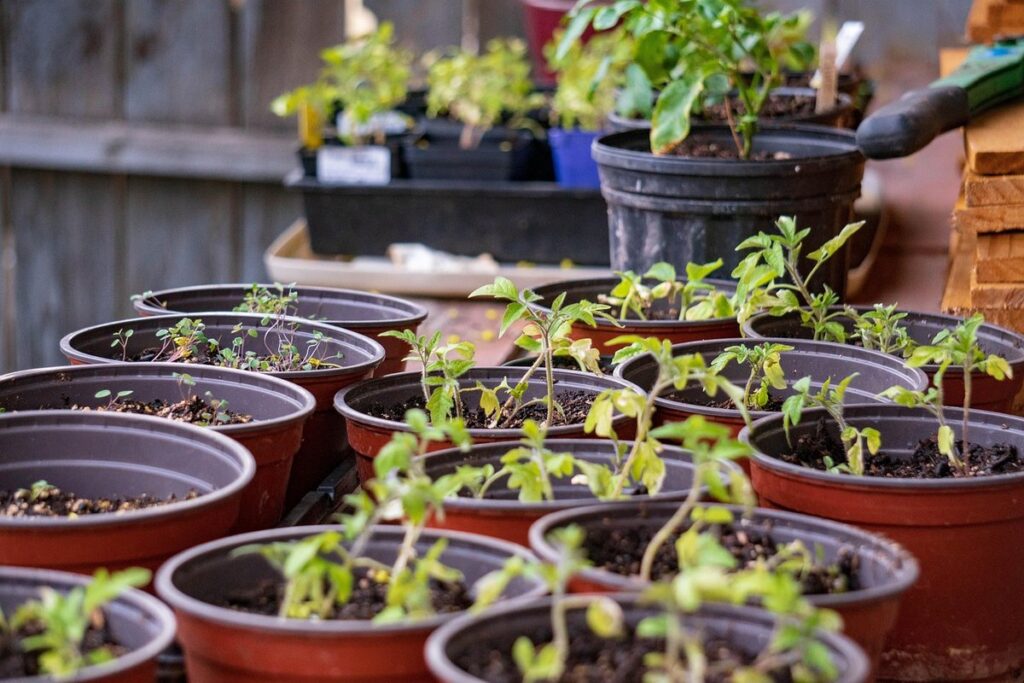
Choosing the Right Varieties
With so many varieties to choose from, selecting the right seeds for your February greenhouse can be overwhelming. Let’s explore some popular options that thrive in cooler temperatures and shorter days.
Understanding the Climate and Soil Requirements
When selecting seeds for your greenhouse in February, it’s essential to consider the climate and soil conditions that will support healthy growth. Assessing these factors will help you choose varieties that thrive under the specific conditions of your greenhouse.
Start by evaluating the temperature range in your area during February. Greenhouses can be heated or cooled, but some plants require a more stable temperature than others. For example, tomatoes and peppers prefer warmer temperatures (above 55°F/13°C), while lettuce and spinach tolerate cooler temperatures (around 40-50°F/4-10°C). Research the specific climate requirements for each seed variety you’re interested in growing.
Next, inspect your greenhouse’s soil quality. Is it well-draining, or does water tend to collect? Some plants, like cucumbers and squash, prefer a rich, fertile soil, while others, such as herbs and leafy greens, can grow in poorer soils. Consider testing your soil pH levels and nutrient content to determine which seeds will perform best.
You can also check the greenhouse’s microclimate by observing how light penetrates the structure during different times of day. Some plants, like lettuce and spinach, require partial shade, while others, such as tomatoes and peppers, need full sun. By assessing these factors, you’ll be able to choose seed varieties that will thrive in your February greenhouse.
Popular Varieties for Cool Weather
When choosing varieties for sowing in your greenhouse during February, some popular options that thrive in cooler temperatures are lettuce, spinach, and kale. These leafy greens are ideal for early spring cultivation and can tolerate light frosts.
Lettuce comes in a range of varieties, including loose-leaf, romaine, and buttercrunch. For a February sowing, look for bolt-resistant types like ‘Little Gem’ or ‘Reine des Glaces’. These will perform well in cooler conditions and avoid flowering prematurely.
Spinach is another excellent choice for February sowing. Opt for slow-bolting varieties such as ‘Space’, ‘Tyee’, or ‘Red Cardinal’. These will mature quickly, often within 20-25 days of sowing, and can be harvested before the weather warms up.
Kale is a hardy crop that can tolerate temperatures as low as 40°F (4°C). It’s perfect for adding a nutritious boost to salads and other dishes. For early February sowing, try varieties like ‘Dwarf Blue Curled’ or ‘Lacinato’. These will mature in about 50-60 days and continue to produce leaves throughout the spring.
In general, make sure your greenhouse is well-ventilated and has adequate light for optimal growth. Keep the soil consistently moist but not waterlogged, and provide protection from extreme weather conditions. With proper care, these cool-season crops should thrive in your February sowing.
Considerations for Seed Selection
When selecting seeds for your greenhouse in February, there are several factors to consider to ensure a successful crop. One of the most critical considerations is disease resistance. Choose varieties that have built-in resistance to common diseases prevalent during this time of year, such as powdery mildew or root rot. For example, if you’re growing tomatoes, look for varieties like ‘Better Boy’ or ‘Early Girl’, which are known for their robust disease resistance.
Another essential factor is days to maturity. Since February is still a relatively cool month in many regions, it’s crucial to select varieties that mature quickly. This will allow you to take advantage of the warmer weather and get your plants into production sooner. Consider lettuce, spinach, or peas, which typically mature within 20-30 days.
Finally, don’t forget to consider space requirements when selecting seeds. Some varieties can become quite large and sprawling, while others remain compact and bushy. Plan ahead and choose varieties that will thrive in the available space you have allocated for your greenhouse. This will ensure a harmonious growth environment and prevent overcrowding issues.
Preparing the Greenhouse Environment
Before sowing those February seeds, it’s essential to prepare your greenhouse environment to provide the optimal conditions for growth and development. This includes setting up temperature controls, humidity management, and providing adequate light.
Creating an Optimal Temperature Range
Maintaining an optimal temperature range is crucial for successful seed germination and plant growth during February. As you prepare your greenhouse for sowing seeds, ensure that the temperature fluctuates within a suitable range to promote healthy development.
Typically, daytime temperatures between 65°F (18°C) and 75°F (24°C) are ideal for most plants during this time. However, nighttime temperatures can be slightly lower, around 55°F (13°C) to 65°F (18°C). Monitor your greenhouse temperature closely using thermometers or temperature sensors to avoid fluctuations that may stress your plants.
To maintain a stable temperature range, consider investing in insulation materials like bubble wrap or thermal curtains for the roof and walls. You can also use heating mats or electric heaters to supplement natural heat during extremely cold periods. Regularly inspect your greenhouse structure for any gaps or cracks that may be allowing heat loss, and address these issues promptly.
Keep an eye on temperature fluctuations throughout the day, as this will help you make necessary adjustments to ensure optimal growing conditions for your February sown seeds.
Providing Adequate Light and Water
In a greenhouse, light intensity and water requirements are crucial for seedlings to grow and thrive. During February, most greenhouses receive around 12-15 hours of daylight, which is still relatively short compared to summer months. To provide adequate light, aim for at least 4-6 feet of clearance between plants and ensure that the greenhouse receives direct sunlight during peak hours (usually between 10 am and 3 pm). You can also consider supplementing natural light with additional grow lights or LED strips.
As for water requirements, seedlings in February need consistent moisture to establish a strong root system. Water your seedlings when the top inch of soil feels dry to the touch. Aim to provide about 1-2 gallons of water per square foot of growing space per week. To maintain optimal humidity levels, you can cover the greenhouse with plastic sheeting or row covers at night to trap moisture and warmth. This will also help prevent temperature fluctuations that can stress young seedlings. By providing adequate light and water, you’ll set your February sown seeds up for success and a healthy start to their growth cycle.
Pruning and Training
Pruning and training plants is an essential aspect of greenhouse management, especially during the early stages of growth. By pruning and training your plants, you can significantly improve their overall health and productivity. For instance, pruning removes diseased or damaged areas, promoting healthy growth and preventing the spread of disease.
Regular pruning also encourages bushy growth, leading to increased yields. In a greenhouse setting, this is particularly beneficial as it allows for better air circulation and sunlight penetration, which are crucial for optimal plant development. Training plants, on the other hand, enables you to maximize space and direct growth in desired directions.
To achieve these benefits, prune your plants when they reach around 6-8 inches tall. Remove any weak or spindly shoots, and encourage lateral growth by pruning tips. For training, use trellises or supports to guide stems upwards or outwards. Be gentle when handling plants, as excessive manipulation can cause shock.
By incorporating these techniques into your greenhouse routine, you’ll be rewarded with healthier, more productive plants that thrive throughout the growing season.
Sowing Seeds at the Right Time
When it comes to sowing seeds in February, timing is everything. Let’s take a closer look at when and how to sow your greenhouse seeds for optimal growth and success.
Understanding the Last Frost Date
When sowing seeds in your greenhouse during February, it’s essential to consider the last frost date for your specific region. This date is crucial because it marks the end of the frost season and signals that outdoor temperatures are reliably above freezing.
The last frost date varies depending on your location and climate zone. In general, areas with a shorter growing season tend to have an earlier last frost date, while regions with longer summers may experience later frosts. To determine the last frost date for your area, you can consult local nurseries, gardening clubs, or online resources such as the USDA Plant Hardiness Zone Map.
In most parts of North America and Europe, February is still a chilly month, and outdoor temperatures are not yet suitable for direct sowing. However, in warmer regions like California or the Mediterranean coast, February’s mild climate makes it an ideal time to start seeds outdoors. Knowing your local last frost date helps you plan accordingly and ensures that your greenhouse-grown seedlings can be safely transferred outside when the conditions permit.
Planning Seed Sowing Schedule
To plan an effective seed sowing schedule for February, consider the temperature, light, and water requirements of each variety. For example, broccoli and cauliflower thrive in cooler temperatures between 60-70°F (15-21°C), while tomatoes prefer warmer conditions above 65°F (18°C).
Make sure to provide adequate light to your seeds by ensuring they receive at least 12 hours of daylight. You can supplement with grow lights if necessary. Water requirements also vary, so be mindful of the specific needs for each crop. For instance, seedlings like lettuce and herbs require consistent moisture, while more robust plants like peppers and eggplants can tolerate some drought.
As a general rule, start sowing seeds 4-6 weeks before the last frost date in your area. For February sowing, you can begin planting cool-season crops around mid-month. Here’s a sample schedule to consider:
* Week 1: Sow broccoli, cauliflower, and lettuce
* Week 2: Plant radishes, spinach, and carrots
* Week 3-4: Start tomatoes, peppers, and eggplants under grow lights
Tips for Successful Germination
To ensure successful germination of seeds sown in February, it’s essential to create an ideal environment that fosters optimal growth. This begins with soil preparation. Use a high-quality potting mix specifically designed for seed starting, as it will have the right pH level and nutrient balance for young seedlings.
When preparing your soil, make sure to remove any debris or contaminants that may hinder germination. You can also add a small amount of compost or worm castings to enrich the soil with beneficial microorganisms. Sow seeds at the correct depth – usually 2-3 times their thickness – and firm the soil gently but firmly around them.
Water the soil thoroughly, but avoid overwatering, which can lead to seed rot and poor germination rates. Keep the greenhouse cool and well-ventilated, as high temperatures can also hinder seed germination. Aim for daytime temperatures between 65-75°F (18-24°C) and maintain a consistent humidity level of around 50-60%. By following these simple steps, you’ll be able to create an optimal environment that supports successful germination and sets your seedlings up for success.
Soil and Fertilization
Soil quality plays a crucial role in your February sowing success, so let’s take a closer look at how to prepare and fertilize for optimal growth.
Preparing the Soil for Seed Sowing
Before sowing seeds in your greenhouse, it’s essential to prepare the soil for optimal growth. This involves testing the pH levels and adding necessary amendments to create a fertile environment for your seeds to thrive.
Test the pH levels of your soil using a pH meter or by sending a sample to a lab for analysis. Most vegetables prefer a slightly acidic to neutral soil pH, ranging from 6.0 to 7.0. If your soil is too alkaline or acidic, you’ll need to adjust it accordingly. For example, if your soil has a high pH, adding elemental sulfur can help lower it.
In addition to pH testing, consider the nutrient levels in your soil. Conduct a soil test to determine the levels of nitrogen, phosphorus, and potassium. Based on the results, add organic amendments like compost or well-rotted manure to boost fertility. A 2-inch layer of compost spread evenly across the greenhouse floor can make a significant difference in seedling growth.
By taking these simple steps, you’ll create an ideal environment for your seeds to germinate and grow strong. This groundwork is crucial for healthy plant development, ensuring a bountiful harvest from your February sown greenhouse crops.
Choosing the Right Fertilizers
When it comes to selecting fertilizers for your greenhouse in February, one of the most crucial decisions is choosing the right type for each plant species. Different plants have varying nutrient requirements, and using the wrong fertilizer can lead to suboptimal growth or even plant damage.
For example, leafy greens like lettuce and kale thrive on balanced, water-soluble fertilizers with a 20-20-20 N-P-K ratio. On the other hand, flowering plants like tomatoes and peppers benefit from high-phosphorus fertilizers (10-52-10) to promote blooming and fruiting.
When selecting between organic and synthetic options, consider the following:
* Organic fertilizers release nutrients slowly, reducing burn risks and promoting healthy microbial activity in the soil. Examples include compost tea, fish emulsion, and bone meal.
* Synthetic fertilizers provide quick spikes of essential micronutrients but can be harsh on beneficial microorganisms if overused.
To ensure you’re using the right fertilizer for each plant species, research their specific requirements or consult with a local nursery expert.
Composting in the Greenhouse
Composting in the greenhouse is an excellent way to create nutrient-rich soil for your February-planted seeds. By composting, you’ll not only reduce waste but also improve the overall health of your plants. Think of it as a natural fertilizer that will give your seedlings a head start on growth.
To get started with composting in your greenhouse, you can collect kitchen scraps and yard trimmings in a designated area. Add these materials to your compost pile along with other “green” ingredients like manure or peat moss. As the materials break down, they’ll release essential nutrients that will enrich your soil.
For example, a well-composted mix can contain up to 20% more nitrogen than commercial fertilizers. This means your plants will have access to an abundance of nutrients, promoting healthy growth and development. To incorporate compost into your greenhouse routine, simply mix it into the top inch of soil or use it as a mulch around your seedlings.
Not only is composting beneficial for plant growth, but it also reduces waste in your greenhouse by diverting organic materials away from landfills. By implementing a composting system, you’ll create a sustainable and environmentally friendly growing environment that will pay dividends all season long.
Pests and Diseases Management
Don’t let pests and diseases ruin your February greenhouse harvest! Learn how to identify, prevent, and control common issues that can affect your seedlings.
Identifying Common Pests and Diseases
As you start sowing seeds in your greenhouse in February, it’s essential to be aware of common pests and diseases that can affect your plants. One of the most prevalent pests during this time is aphids. These tiny insects feed on plant sap, weakening the plant and stunting its growth. Whiteflies are another concern, as they transmit diseases like tomato spotted wilt virus. To manage these pests, use neem oil or insecticidal soap to repel them.
Another significant threat in February is powdery mildew, a fungal disease that appears as white powder on leaves. It thrives in humid environments and can be controlled with fungicides or by improving air circulation. Regularly inspect your plants for signs of pests or diseases, such as curled leaves or yellowing foliage. Isolate infected plants to prevent the spread of diseases. Keep your greenhouse clean and maintain optimal temperature and humidity levels to create an environment that discourages pest development.
Maintain a strong immune system in your plants by providing essential nutrients through balanced fertilizers. This will help them withstand potential infections.
Integrated Pest Management Techniques
When it comes to managing pests and diseases in your greenhouse, adopting Integrated Pest Management (IPM) techniques is crucial. IPM involves a holistic approach that considers the entire ecosystem of your greenhouse, rather than relying on chemical pesticides or fungicides alone.
One effective way to manage pests with IPM is by introducing beneficial insects into your greenhouse. These natural predators feed on pests, helping to regulate their populations and reducing the need for chemicals. For example, lacewings are a popular choice for controlling aphids, whiteflies, and other soft-bodied pests. Encourage these beneficial insects by providing a diverse range of flowers, herbs, and shrubs that attract pollinators and predatory insects.
Another essential IPM technique is using neem oil to control diseases such as powdery mildew and leaf spot. Neem oil works by inhibiting fungal growth, preventing the disease from spreading. Mix 2-3% neem oil with water and spray it on plants as a preventative measure or after detecting early signs of infection. Additionally, maintain good greenhouse hygiene by regularly cleaning equipment, removing weeds, and ensuring proper air circulation to prevent diseases.
By incorporating these IPM strategies into your management plan, you’ll be better equipped to control pests and diseases, creating a healthier environment for your February-sown seeds to thrive.
Organic Control Methods
As you start sowing seeds in your greenhouse this February, it’s essential to consider alternative methods of controlling pests and diseases. These eco-friendly approaches not only benefit the environment but also promote a healthier crop growth.
Crop rotation is an effective way to manage pests and diseases. By changing the location of your crops each season, you break the life cycle of pests and reduce the risk of disease transmission. For example, if you’re growing tomatoes in one area, move them to a different spot for the next season. This simple technique can significantly reduce the need for pesticides.
Physical barriers are another excellent control method. Use fine mesh screens or row covers to prevent insects from reaching your plants. You can also employ fine netting or fine-mesh bags around individual plants to prevent damage from small pests like aphids and whiteflies.
Consider using neem oil, a natural insecticide that’s safe for most crops and beneficial organisms. Mix it with water according to the label instructions and spray it on the leaves of your plants as needed.
Maintaining a Healthy Greenhouse Ecosystem
To ensure your greenhouse ecosystem remains balanced and thriving, regular maintenance is crucial to promote healthy plant growth and prevent pest issues from arising. This involves monitoring temperature, humidity, and light levels.
Monitoring pH Levels and Nutrient Deficiencies
Monitoring pH levels and nutrient deficiencies is crucial for maintaining a healthy greenhouse ecosystem. A perfect balance of nutrients is essential for seed germination, root development, and overall plant growth. If the soil pH is too high or too low, it can lead to nutrient deficiencies, stunted growth, and even plant death.
To monitor your greenhouse soil conditions, take regular readings with a pH meter. Compare these results against the optimal pH range for your specific plants (most vegetables prefer a slightly acidic pH between 6.0-7.0). If you notice any fluctuations or concerns, adjust your fertilization schedule accordingly. For example, if your soil is too alkaline and nitrogen levels are low, add an acidic fertilizer to bring the pH down.
Regularly inspect your seedlings for signs of nutrient deficiencies, such as yellowing leaves or stunted growth. Keep records of your soil tests and plant observations to identify patterns and make informed decisions about future fertilization and maintenance schedules. By staying on top of these checks, you’ll ensure a thriving greenhouse ecosystem that supports healthy growth and bountiful harvests throughout the growing season.
Air Circulation and Ventilation
Maintaining proper air circulation and ventilation is crucial in a greenhouse to prevent disease and promote healthy growth. As we focus on growing our February seeds, it’s essential to create an environment that encourages airflow and reduces the risk of fungal diseases.
To achieve this, ensure that at least 1-2 feet of space between plants allows for adequate air movement. You can also use trellises or stakes to train climbing varieties, keeping them off the ground where moisture tends to collect. Keep your greenhouse doors and windows slightly ajar during warm periods to facilitate natural ventilation.
It’s also vital to monitor humidity levels, aiming for 50-60% relative humidity. Using fans, misting systems, or evaporative coolers can help manage this balance. For example, if the temperature soars above 65°F (18°C), using a misting system can lower the temperature and maintain optimal humidity.
Regularly inspect your greenhouse for signs of moisture accumulation and take action to address it promptly.
Water Conservation Techniques
As you nurture your February sown seeds in the greenhouse, conserving water is crucial to maintaining a healthy ecosystem. Efficient irrigation systems and mulching practices can significantly reduce water waste, ensuring your plants receive the right amount of moisture without overwatering.
To begin with, consider installing a drip irrigation system or soaker hoses that deliver water directly to the roots of your plants. These systems prevent evaporation and runoff, allowing you to use up to 50% less water than traditional sprinkler systems. Another effective method is mulching around your plant beds. Organic materials like wood chips or straw help retain moisture in the soil, reducing the need for frequent watering.
When selecting seeds to sow in February, choose varieties that thrive in cooler temperatures and can tolerate some drought stress. For example, broccoli and kale are ideal choices as they have relatively low water requirements. Regularly monitor your plants’ water needs by checking soil moisture levels with a simple finger test or using a moisture meter. Adjust your watering schedule accordingly to prevent overwatering, which can lead to root rot and other diseases.
Frequently Asked Questions
What if I’ve already planted seeds that are sensitive to frost, but I notice a sudden drop in temperature? Can I still save them?
If you notice a frost warning while your greenhouse is unheated, cover the plants with a thick layer of mulch or bring them indoors temporarily. This can help protect them from damage. However, if the drop in temperature is prolonged, it’s best to prioritize the health and safety of your plants by relocating them or providing supplemental heating.
How do I determine the optimal sowing depth for my greenhouse seeds?
The ideal sowing depth depends on the specific variety you’re planting. Check the seed packet or consult a reliable gardening resource for guidance on optimal seeding depths. In general, seeds 1/8 inch deep are suitable for most cool-season crops, but some varieties may require deeper or shallower planting.
Can I reuse soil from previous greenhouse seasons, and if so, how do I prepare it for new seedlings?
Yes, you can reuse soil from previous greenhouse seasons with proper preparation. Remove any debris, till the soil to loosen it, and add fresh compost to replenish nutrients. Consider testing your soil pH levels and adjusting accordingly.
What are some signs of nutrient deficiencies in my greenhouse plants, and how do I address them?
Common signs of nutrient deficiencies include yellowing leaves, stunted growth, or discoloration. To address these issues, inspect your plants regularly and monitor your water and fertilizer applications. Balance your fertilizers according to the specific needs of each plant type.
How often should I rotate my greenhouse crops to maintain a healthy ecosystem?
Rotate your crops every 6-8 weeks to avoid depleting soil nutrients and to reduce pest and disease buildup. This will also help prevent over-reliance on certain varieties, keeping your greenhouse diverse and resilient.