
As winter sets in, your potted rosemary plant may start to look a bit worse for wear. The dry air and lack of sunlight can be challenging for this fragrant herb, but with some simple care tips, you can keep it thriving indoors all season long.
In this article, we’ll cover the essentials of rosemary winter care in pots, from pruning and fertilizing to troubleshooting common issues that might arise. Whether you’re a seasoned gardener or just starting out, learning how to care for your potted rosemary during the colder months will ensure it stays healthy and productive throughout the year.
By following these expert tips, you’ll be able to enjoy fresh rosemary all winter long, perfect for adding flavor to soups, stews, and roasted vegetables. Let’s dive in and explore the best ways to care for your potted rosemary during the coldest months of the year.
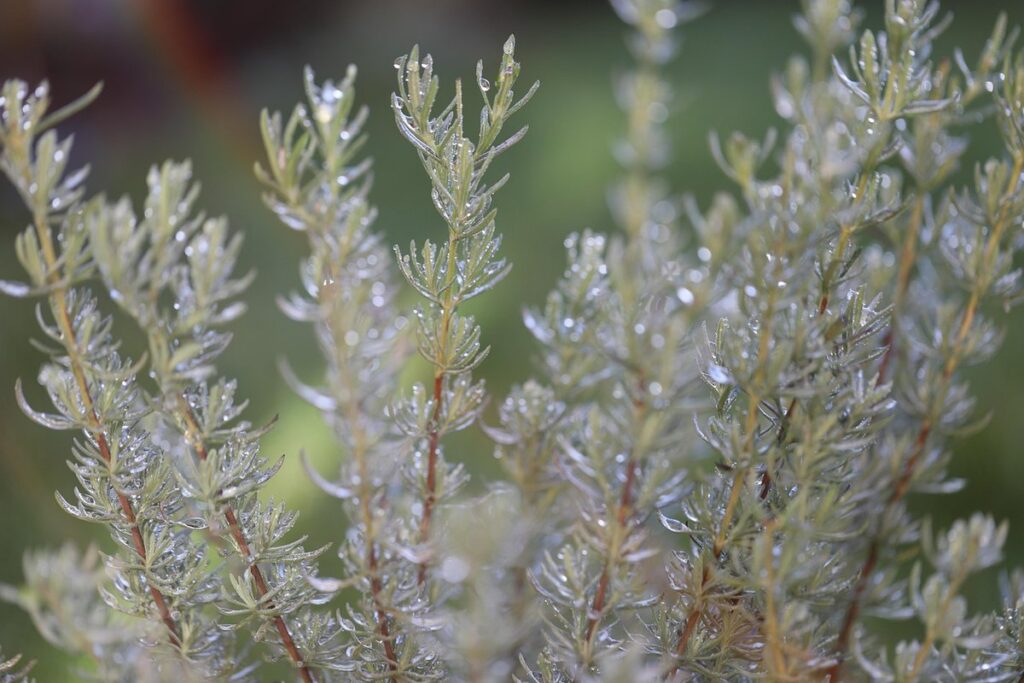
Choosing the Right Rosemary Variety for Container Gardening
When choosing a rosemary variety for container gardening, it’s essential to consider factors such as hardiness and compact growth habits that thrive in small spaces. Let’s explore some of the top options.
Factors to Consider When Selecting a Rosemary Variety
When selecting a rosemary variety for container gardening, there are several key factors to consider. First and foremost, you’ll want to choose a variety that’s suitable for your hardiness zone. Rosemary is typically hardy in zones 6-9, but some varieties can tolerate colder temperatures than others. For example, ‘Arp’ rosemary is a popular choice for container gardens in cooler climates, as it’s more tolerant of frost and cold temperatures.
You’ll also want to consider the mature size of the plant. Some rosemary varieties can grow quite large, up to 3-4 feet tall, while others remain compact and bushy. If you’re short on space or prefer a smaller plant, look for varieties like ‘Hill Hardy’ or ‘Tiny Tim’, which stay relatively small.
Another important factor is growth habits. Rosemary comes in both upright and trailing varieties, so consider the space and support available in your container garden. Upright rosemary can grow quite tall and may require staking, while trailing varieties like ‘Miss Jessop’s Upright’ will cascade over the sides of the pot. By choosing a variety that fits your specific needs and conditions, you’ll be well on your way to enjoying healthy and thriving rosemary all winter long.
Popular Rosemary Varieties Suitable for Winter Care in Pots
When choosing rosemary varieties for container gardening, it’s essential to select ones that thrive during the winter months. Here are some popular rosemary varieties well-suited for winter care in pots:
* ‘Arp’ is a compact, fragrant variety with bright blue flowers and silvery-green leaves. It grows up to 3 feet tall and can tolerate light frosts.
* ‘Hill Hardy Blue’ is another robust option that grows up to 4 feet tall, producing vibrant blue blooms and sturdy stems. Its ability to withstand temperatures as low as -10°C (14°F) makes it an excellent choice for winter care.
* ‘Miss Jessop’s Upright’ boasts delicate white flowers and a compact growth habit, reaching about 2 feet in height. This variety prefers well-draining soil and partial shade.
When selecting rosemary varieties for your pot garden, remember to choose ones that can adapt to cooler temperatures and indoor conditions during winter. Most of these popular varieties will require pruning before winter to maintain their shape and promote healthy growth come springtime. By choosing the right rosemary variety for container gardening, you’ll be well-prepared to enjoy a thriving plant throughout the colder months.
Preparing Roses for Winter: Fall Care Tips for Container-Grown Rosemary
As we head into fall, it’s essential to give your container-grown rosemary a little extra TLC to ensure it thrives come winter. This includes some crucial fall care tips for protection and maintenance.
Pruning Rosemary for a Healthy Winter Structure
Pruning rosemary before winter is crucial to maintain its structure and promote healthy growth. As the plant enters dormancy, pruning helps remove deadwood, encourages new growth, and prepares it for the cold months ahead.
When pruning rosemary, start by removing any damaged or diseased branches. Cut these off at the base, making clean cuts just above a node (where a leaf meets the stem). This will help prevent the spread of disease and encourage healthy new growth.
Next, shape the plant to maintain its desired structure. Remove any leggy stems and thin out congested areas to promote air circulation and light penetration. Cut back about one-third of the plant’s height to encourage bushy growth and prevent it from becoming too leggy. Be cautious not to over-prune, as this can shock the plant and lead to dieback.
For optimal results, prune your rosemary in late summer or early fall, about 4-6 weeks before the first frost. This allows the plant time to heal and prepare for winter. With proper pruning, your container-grown rosemary will thrive through the winter months and come back strong in the spring.
Fertilizing Rosemary in the Fall for Winter Vigor
Fertilizing rosemary during the fall season is crucial to promote healthy growth and resilience during the winter months. As the days get shorter and temperatures drop, rosemary can become more susceptible to stress and disease. A well-timed application of a balanced fertilizer can help fortify your plant against these challenges.
When choosing a fertilizer for fall, opt for one that’s high in phosphorus (around 10-20% P2O5) as this will promote root development, helping rosemary absorb essential nutrients more efficiently. You can use either a water-soluble or granular fertilizer, depending on your personal preference and potting setup.
For best results, fertilize your potted rosemary once a month from September to November. Start with a gentle application, following the product’s instructions for dilution rates to avoid burning your plant’s roots. As the winter months approach, reduce fertilization to once every 2-3 months to prevent over-fertilizing and promoting weak growth. Regularly inspect your rosemary’s soil pH and adjust the fertilizer accordingly to ensure optimal performance.
Bringing Potted Rosemary Indoors for Winter Protection
As winter approaches, it’s time to protect your potted rosemary from harsh outdoor conditions and bring it indoors where it can thrive. This section will guide you through the process of successfully transitioning your rosemary plant.
Preparing Containers for Indoor Storage
Before bringing your potted rosemary indoors for winter protection, it’s essential to prepare its container to prevent pests and diseases from taking over. Start by giving the pot a thorough cleaning with soap and water. Scrub away any dirt or debris that may have accumulated during the outdoor growing season. Then, mix one part white vinegar with nine parts water in a spray bottle, and give the entire pot a good disinfecting spray. Let it sit for about 10 minutes to allow the solution to penetrate and kill any lingering pests or bacteria.
Once you’ve cleaned and disinfected your rosemary’s container, make sure it’s completely dry before bringing it indoors. Any moisture can lead to fungal diseases that thrive in humid environments like indoor spaces. To speed up the drying process, place the pot upside down in a sunny spot for a few hours or use a hair dryer on a low setting to gently blow away any excess moisture.
Finally, inspect your rosemary’s roots to ensure they’re not showing signs of rot or decay. If you do find any damage, trim away the affected areas with clean scissors and repot your rosemary in fresh potting mix. This will give your plant the best chance at a healthy, pest-free winter indoors.
Placing Rosemary in a Bright, Cool Location During Winter
When you bring potted rosemary indoors for winter protection, it’s essential to provide it with ideal conditions to thrive. This means replicating its natural environment as closely as possible to ensure the plant remains healthy and productive throughout the cold months.
A bright, cool location is perfect for indoor rosemary care during winter. Aim for a spot that receives direct sunlight for at least 4-6 hours a day, but be cautious not to place it in front of a south-facing window, which can cause scorching. East- or west-facing windows are ideal alternatives.
Keep the temperature between 40°F (4°C) and 60°F (15°C), avoiding drafts and extreme fluctuations. This will help prevent shock and promote steady growth. Maintain a relative humidity of around 50-60%, as dry air can cause leaves to become brittle and drop.
Monitor your rosemary’s response to these conditions, adjusting as necessary to optimize its performance. With proper care, you’ll be rewarded with lush foliage and fragrant stems that will add flavor and beauty to your winter cooking.
Watering and Humidity Considerations for Potted Rosemary Over Winter
When it comes to potted rosemary, getting the right balance of water and humidity is crucial during winter when growth slows down. Proper watering and humidity levels will help your rosemary thrive.
Understanding Rosemary’s Water Requirements During Dormancy
During dormancy, rosemary’s water requirements decrease significantly. To maintain healthy plants, it’s essential to adjust watering schedules accordingly. Since rosemary is a Mediterranean herb, it naturally enters a state of dormancy during winter months, reducing its water consumption.
As you monitor your potted rosemary’s progress, you’ll notice it requires less frequent watering. Instead of the usual weekly watering schedule, aim for every 7-10 days during this period. This will prevent overwatering, which can lead to root rot and kill the plant.
To gauge when your rosemary needs water, stick your finger into the soil up to the first knuckle; if it feels dry, it’s time to water. Water thoroughly, allowing excess moisture to drain from the pot. Be cautious not to let water collect in the saucer, as this can cause roots to rot.
Keep an eye on temperature fluctuations and adjust watering accordingly. If temperatures drop below 40°F (4°C), reduce watering even further, to every 2-3 weeks. By understanding your rosemary’s unique needs during dormancy, you’ll help it conserve energy for a strong spring revival.
Maintaining Optimal Humidity Levels in Indoor Containers
When it comes to maintaining optimal humidity levels in indoor containers, rosemary plants can be quite particular. Indoor spaces tend to dry out quickly, which can lead to stressed and unhappy plants. To combat this, you’ll want to monitor the relative humidity (RH) in the area where your potted rosemary is located.
A general rule of thumb is to maintain a RH between 40-60%. You can use a hygrometer to measure the RH levels in your space. For most indoor environments, this range should be achievable with minimal effort.
However, there are some additional steps you can take to ensure optimal humidity levels for your rosemary plant:
* Grouping plants together can create a microclimate that helps retain moisture.
* Avoid placing plants directly in front of heating or cooling vents, as this can dry out the air quickly.
* Mist your potted rosemary regularly with a fine spray bottle to maintain a consistent level of humidity.
By following these tips and keeping an eye on RH levels, you should be able to create a healthy environment for your indoor rosemary plant.
Troubleshooting Common Issues with Potted Rosemary Over Winter
If your potted rosemary is struggling over winter, don’t worry – we’ve got you covered. This section will walk you through common issues and provide solutions to keep your plant thriving year-round.
Identifying Signs of Underwatering or Overwatering
When it comes to rosemary winter care in pots, one of the most common issues is getting the watering just right. Too little water and your rosemary plant will suffer from underwatering, while too much water and you’ll be dealing with overwatering. So, how can you tell if your potted rosemary needs more or less H2O?
Some signs of underwatering in potted rosemary include wilted leaves, a dry and crumbly texture to the stems, and a decrease in new growth. If you notice any of these symptoms, it’s time to give your plant a good soaking. Water thoroughly until water drains out of the pot, making sure not to let it sit in waterlogged soil.
On the other hand, overwatering can cause root rot, yellowing leaves, and a soft, mushy texture to the stems. If you notice any of these signs, stop watering immediately and repot your rosemary plant in fresh, well-draining potting mix. To prevent both underwatering and overwatering, make sure to check the soil moisture by sticking your finger into the soil up to the first knuckle. Water when the soil feels dry but not crumbly.
By paying attention to these signs and taking corrective action promptly, you can keep your potted rosemary happy and thriving even during the cold winter months.
Addressing Pests and Diseases in Indoor Rosemary Containers
Pests and diseases can be a significant concern when growing rosemary indoors over winter. These issues can spread quickly, causing damage to your plant and potentially affecting its overall health.
To identify pests, inspect your rosemary regularly for signs of infestation such as white powdery patches, sticky honeydew droplets, or actual insects like spider mites, mealybugs, or aphids. For diseases, look out for symptoms like yellowing leaves, black spots, or a soft, mushy texture.
Preventing pests and diseases involves maintaining good hygiene practices, such as pruning your rosemary regularly to promote air circulation, using clean potting mix, and repotting your plant every 6-12 months. Regularly inspect your plants and treat any issues promptly by isolating the affected area, removing infected parts, or using organic pest control methods like neem oil or insecticidal soap.
If you notice any issues, manage them immediately to prevent further damage.
Tips for Forcing New Growth from Cuttings: A Sustainable Winter Care Option
To encourage new growth, you can take rosemary cuttings and root them indoors over winter, providing a sustainable way to refresh your potted plants. This method requires some patience, but it’s well worth the effort.
Propagating Rosemary Through Stem Cuttings
Taking stem cuttings from rosemary is an excellent way to propagate new plants and ensure a continuous supply of this fragrant herb. To start, choose healthy rosemary stems with plenty of leaves, as these will increase the chances of successful rooting. Cut 3-4 inch sections just above a leaf node using a sharp, clean tool. Remove lower leaves from the cutting, leaving only two or three sets at the top.
Place the cuttings in a glass of water or a propagation tray filled with a well-draining mix. Roots should develop within 1-2 weeks if kept in bright, indirectly lit conditions. Once roots have formed, transfer the cutting to a pot filled with good quality potting mix and keep it consistently moist but not waterlogged. By propagating rosemary through stem cuttings, you can enjoy fresh new growth year-round without having to rely on winter-hardy varieties or indoor heating systems.
This method also allows for greater control over plant density and variety, making it ideal for gardeners who want to cultivate specific types of rosemary in their pots. Additionally, rooted cuttings can be transplanted outside when weather permits, giving you a head start on the growing season and ensuring that your pot-grown rosemary stays healthy and thriving throughout the year.
Encouraging New Growth in Existing Potted Rosemary Plants
When winter’s chill begins to set in, it’s not uncommon for potted rosemary plants to slow down their growth. However, with a little TLC and the right techniques, you can encourage new growth from established plants, promoting healthy recovery after the cold months.
To stimulate new growth, start by pruning your rosemary plant back by about one-third. This will help control its size, promote bushy growth, and direct energy towards producing new shoots. Cut just above a node (where a leaf meets the stem) using sharp, clean scissors or pruning shears to prevent spreading disease.
Next, repot your rosemary in fresh, well-draining soil. Add a balanced fertilizer specifically formulated for herbs, following the manufacturer’s instructions for application rates. Provide bright, indirect light and maintain a consistent temperature between 60-70°F (15-21°C) to simulate springtime conditions. With proper care and patience, you should start seeing new growth emerging from the tips of your rosemary plant within 4-6 weeks.
Monitor your plant’s progress closely, adjusting its environment as needed. By providing optimal conditions and a little TLC, you can coax your potted rosemary back to health, ready to thrive when warmer weather returns.
Frequently Asked Questions
Can I still propagate rosemary through stem cuttings during winter?
Yes, while rosemary is dormant, it’s still possible to propagate new plants from stem cuttings. This method allows you to encourage healthy growth and ensure a continuous supply of fresh herbs throughout the year.
How do I know if my potted rosemary needs more humidity or less watering over winter?
Rosemary prefers well-draining soil and can be prone to root rot in humid environments. Check for signs of underwatering (dry, brittle stems) or overwatering (soft, mushy stems). Adjust your watering schedule accordingly, ensuring the top inch of soil feels dry before adding water.
Can I fertilize rosemary during winter, even if it’s not actively growing?
No, fertilizing rosemary during its dormant period can cause more harm than good. Wait until spring when new growth begins to emerge and apply a balanced, water-soluble fertilizer at half the recommended strength. This will promote healthy growth without causing damage.
What should I do with my potted rosemary if I notice signs of pests or diseases?
Inspect your plant regularly for any signs of infestation or disease. Isolate affected plants, prune infected areas, and treat with organic pest control methods or fungicides as needed. Regularly cleaning containers and repotting in fresh soil can also help prevent future issues.
How often should I water my potted rosemary during the winter months?
Watering frequency depends on the environment where your rosemary is kept. Generally, water sparingly, allowing the top inch of soil to dry out between waterings. Avoid getting water on leaves or stems to minimize risk of root rot and promote healthy growth.