
Are you an orchid enthusiast who’s always wondered how to keep your prized blooms alive for as long as possible? The fleeting nature of orchid flowers can be frustrating, but with the right care and conditions, you can extend their lifespan. In this article, we’ll dive into the world of orchids and explore the secrets to making their blooms last longer. From species-specific care to optimal growing conditions, we’ll cover it all. You’ll learn how to create an environment that encourages your orchid flowers to thrive and stay vibrant for weeks or even months. We’ll also look at the latest innovations in breeding that are changing the game when it comes to orchid flower longevity. By the end of this article, you’ll be equipped with expert advice on how to get the most out of your orchids’ blooms.
Understanding Orchid Blooms
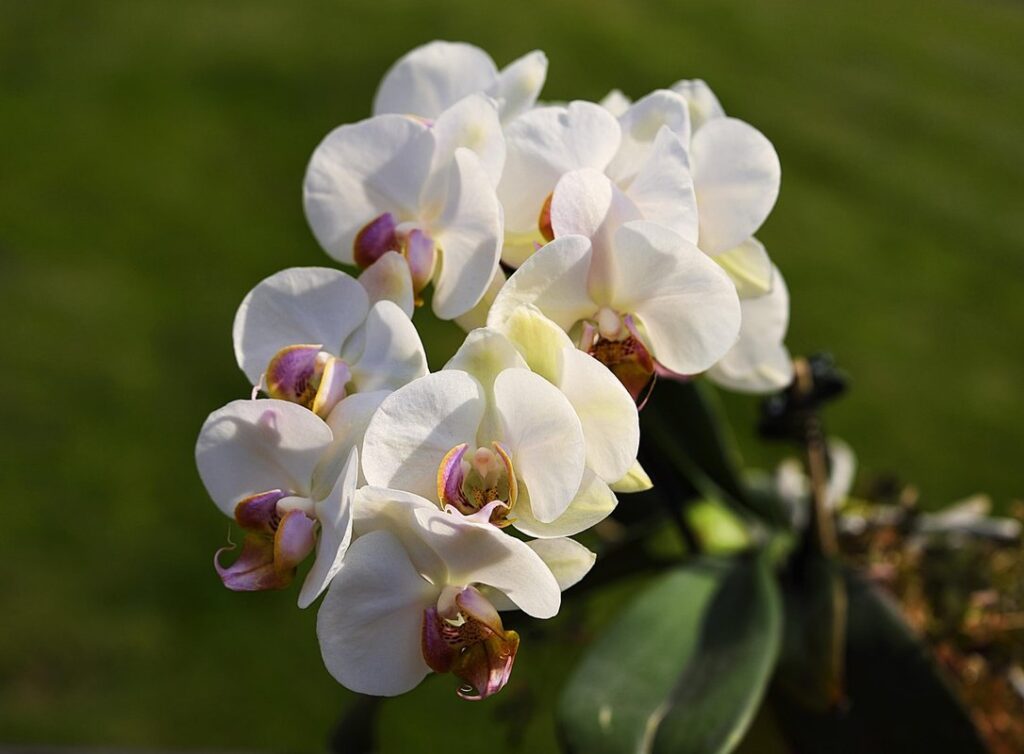
Understanding orchid blooms requires a look at their unique life cycle, from budding to fading. Let’s take a closer look at how long each stage lasts.
Factors Influencing Bloom Length
The duration of orchid blooms can vary significantly depending on several factors. As an orchid enthusiast, it’s essential to understand that different species have unique bloom characteristics. For instance, Phalaenopsis orchids are known for their long-lasting blooms, often lasting 2-3 months, whereas Paphiopedilum orchids typically bloom for a shorter period of 1-2 weeks.
Growing conditions also play a crucial role in determining the length of an orchid’s bloom. Factors such as light exposure, temperature, and watering habits can either promote or inhibit blooming. For example, providing your orchid with bright, indirect light can encourage repeat blooming, while extreme temperatures can lead to premature bloom drop.
Environmental factors like humidity and air circulation also affect the duration of orchid blooms. Maintaining optimal humidity levels (50-70%) and ensuring good air circulation around your orchid can promote healthy growth and longer blooms. By being aware of these influencing factors, you can create an environment that supports prolonged blooming in your orchids.
Average Bloom Lifespan by Species
The average bloom lifespan for orchids varies greatly depending on the species. Phalaenopsis, also known as moth orchids, are one of the most common varieties and their blooms can last anywhere from 2 to 4 months, with some varieties flowering for up to 6 months.
Dendrobium orchids have a slightly shorter bloom period, typically lasting between 3-5 months. Oncidium and Miltonia orchids, on the other hand, tend to have longer blooms, often lasting 5-7 months or even up to a year in some cases.
Some species, like Paphiopedilum and Cymbidium, are known for their long-lasting blooms, which can last from 6 to 12 months. It’s essential to understand that these lifespans can vary depending on factors such as temperature, humidity, light, and the orchid’s overall health.
To encourage longer blooming periods, ensure your orchids receive optimal growing conditions, including sufficient water and fertilization. Also, consider repotting your orchid every 2-3 years to provide a fresh potting medium and promote healthy growth.
Causes of Short-Lived Orchid Blooms
Orchids are incredibly diverse, but their blooming habits can vary greatly from one species to another. Some orchids produce blooms that are fleeting and short-lived, leaving you wondering what’s causing this brief beauty to disappear.
Nutrient Deficiencies
Nutrient deficiencies can significantly impact the duration of orchid blooms. Orchids are epiphytes, and their roots absorb essential nutrients from the air and surrounding environment. However, when these nutrients become scarce, it can affect the plant’s ability to produce blooms.
One common symptom of nutrient deficiency in orchids is a lack of color or vibrancy in the flowers. If your orchid blooms appear pale or washed out, it may be due to inadequate nitrogen levels. On the other hand, a phosphorus deficiency can cause buds to drop prematurely.
To address these issues, ensure that your orchid is receiving sufficient fertilization. Use a balanced fertilizer (20-20-20) during the growing season, and a blooming fertilizer (15-30-15) when the plant is in bloom. Monitor your orchid’s pH levels, as this can also impact nutrient availability.
Aim to repot your orchid every 2-3 years using a well-draining potting mix specifically designed for orchids. This will help maintain optimal nutrient levels and support healthy growth.
Temperature Extremes
When it comes to orchid bloom duration, temperature extremes can have a significant impact. Some species are highly sensitive to temperature fluctuations, which can cause the blooms to last shorter than usual. For example, Phalaenopsis orchids, one of the most popular varieties, prefer temperatures between 65°F and 75°F (18°C and 24°C). If the temperature drops below 55°F (13°C) or rises above 80°F (27°C), the blooms may last for only a few days.
On the other hand, some species like Cymbidium and Dendrobium orchids thrive in cooler temperatures, between 40°F and 60°F (4°C and 15°C). These temperatures allow them to bloom for several weeks. However, if you live in an area with extreme temperature fluctuations, it can be challenging to provide the ideal conditions.
To minimize the impact of temperature extremes on your orchid blooms, make sure to place them away from heating or cooling vents, fireplaces, and drafty windows. Keep your home at a consistent temperature between 65°F and 75°F (18°C and 24°C) during the day, and slightly cooler at night.
Encouraging Longer-Blooming Orchids
To get the most out of your beautiful orchid blooms, you’ll want to know how to encourage them to last longer in the first place. Let’s explore some simple tips and tricks!
Optimal Growing Conditions
To encourage longer-lasting blooms on your orchids, it’s essential to provide them with optimal growing conditions. This begins with light exposure. Orchids generally require bright, indirect light but some species can tolerate direct sunlight for a few hours a day. East- or west-facing windows are ideal locations. Avoid placing them in low-light areas as this can lead to weak and short-lived blooms.
A balanced watering schedule is also crucial. Over-watering is common among orchid enthusiasts, which can cause roots to rot, leading to shortened bloom duration. Water your orchids when the potting medium feels dry to the touch, usually once a week in summer and less frequently during winter. Be cautious not to get water on the plant’s crown or leaves, as this can cause root rot.
Maintaining temperatures between 65-75°F (18-24°C) will also promote healthy growth and longer blooms. Some orchid species require cooler nights, around 55-60°F (13-15°C), which can stimulate blooming. By controlling these factors, you’ll be well on your way to enjoying extended bloom periods from your orchids.
Repotting and Fertilization Strategies
Repotting and fertilizing your orchids at the right times can significantly impact their bloom duration. Orchids typically need to be repotted every 1-3 years, as their potting medium breaks down over time and can harbor diseases. Spring is usually the best season for repotting, as it allows new roots to grow before the plant begins producing blooms.
When selecting a new pot, choose one that’s slightly larger than the previous one, but not so big that the orchid becomes waterlogged. A well-draining medium, such as sphagnum moss or coconut husk, is essential for healthy root growth.
Fertilizing your orchids is also crucial for promoting blooming and maintaining overall health. During the growing season (spring-fall), feed your orchids with a balanced fertilizer (20-20-20) once a month. However, during the dormant period (winter), reduce fertilization to every 2-3 months or stop altogether. Using too much fertilizer can lead to over-fertilization, causing more harm than good.
Monitor your orchid’s response to fertilizers and adjust as needed. Some common signs of over-fertilization include yellowing leaves and a decrease in blooms.
Managing Orchid Bloom Cycles
Now that you know how long your orchids bloom, let’s talk about managing those cycles to keep them producing beautiful flowers all year round.
Knowing When to Expect Blooms
Knowing when to expect blooms is crucial for orchid enthusiasts who want to enjoy their plants’ beauty for as long as possible. Different orchid species have varying blooming cycles, and understanding these patterns can help you anticipate when your plant will produce flowers.
Phalaenopsis, one of the most common types of orchids, typically blooms in 3-4 month intervals. However, this can vary depending on factors like temperature, light, and humidity. Some Phalaenopsis varieties may bloom as frequently as every 2 months, while others might only flower once a year.
Other popular species like Dendrobium and Oncidium have longer blooming cycles, often lasting 6-12 months. These plants tend to produce multiple spikes of flowers, which can provide a prolonged display of color.
To anticipate blooms in your orchid, observe its growth habits and adjust care accordingly. For example, if you notice your Phalaenopsis producing new canes or keiki (pups), it’s likely getting ready to bloom soon. Adjusting light, temperature, and watering schedules can also encourage blooming. By understanding the typical blooming cycles of your orchid species, you’ll be better equipped to provide optimal care and enjoy its beautiful blooms for a longer period.
Encouraging Repeat Blooms
Encouraging repeat blooms is essential for maximizing the blooming period of your orchid. One effective technique is pinching, which involves removing the flower spike after it has finished blooming. This helps redirect the plant’s energy towards producing new growth and eventually another bloom. For example, Phalaenopsis orchids often produce multiple spikes on a single stem, making pinching a convenient way to encourage repeat blooms.
Pruning is another technique used to induce repeat blooms. By removing old or dying flowers, you allow the plant to focus its energy on producing new buds. This method is particularly effective for species like Dendrobium and Oncidium, which tend to produce multiple spikes at once. When pruning, make sure to cut the spike about an inch above a node (where the leaf meets the stem), as this will help promote new growth.
By incorporating pinching and pruning into your orchid care routine, you can enjoy more frequent blooms throughout the year.
Orchid Hybridization and Bloom Duration
Orchids can live for years, but their blooms are fleeting. Let’s explore how hybridizing orchids affects their bloom duration and what you can expect from your prized plants.
Breeding for Longer-Lasting Blooms
As an orchid enthusiast, you might be wondering how breeders create hybrids with longer-lasting blooms. The process involves selecting parent plants with desirable traits and carefully crossing them to produce offspring with the desired characteristics. Breeders use various techniques, such as artificial pollination, embryo rescue, or somatic embryogenesis, to facilitate the breeding process.
Notable successes in breeding for extended bloom durations include Phalaenopsis hybrids like ‘Sweet Surrender’ and ‘Lucky Strike’, which have been reported to bloom for up to 6-8 months. However, challenges still exist. One major issue is the loss of vigor over generations, leading to smaller flowers or reduced blooming periods.
To create successful breeding programs, orchid enthusiasts should consider factors like climate, soil quality, and fertilization practices when growing parent plants. Regular monitoring of plant health and growth habits can also help identify potential breeding candidates. By combining genetic selection with optimal care conditions, breeders aim to produce hybrids that not only have longer bloom durations but also exhibit other desirable traits like fragrance or novel flower colors.
Impact on the Industry
The impact of hybridization efforts on the orchid industry is multifaceted and far-reaching. As orchid enthusiasts continue to push the boundaries of what’s possible with these delicate flowers, we’re seeing a shift in market trends and consumer preferences. For one, hybridized orchids are becoming increasingly popular among growers and collectors due to their unique characteristics, such as longer bloom periods and improved disease resistance.
This demand is driving innovation within the industry, with nurseries and breeders developing new varieties that cater to consumers’ desires for low-maintenance, long-blooming orchids. As a result, we’re seeing a rise in the popularity of Phalaenopsis hybrids, which can bloom for several months under optimal conditions. To capitalize on this trend, growers are advised to invest in research and development, exploring new techniques for extending bloom duration while maintaining flower quality.
The hybridization efforts also have implications for consumer education and marketing strategies. By highlighting the benefits of long-blooming orchids, nurseries can appeal to a broader audience and differentiate themselves from competitors. This may involve creating informative content on bloom duration, as well as showcasing examples of high-performing hybrids in their collections.
Conclusion: Orchids in Bloom
As you’ve now gained insight into the duration of orchid blooms, it’s essential to consider what this means for your orchid care routine. Understanding how long your orchid will bloom allows you to plan and make the most of its flowering period. For example, if you have an orchid with a short bloom duration, such as Phalaenopsis, you’ll want to enjoy its blooms while they last and consider repotting it soon after to encourage new growth. On the other hand, if your orchid has a longer bloom cycle, like Paphiopedilum or Cattleya, you can appreciate its flowers for weeks or even months, giving you more time to admire their beauty.
Frequently Asked Questions
What’s the best way to encourage repeat blooms on my orchid?
Encouraging repeat blooms requires a delicate balance of factors, including temperature, humidity, light, and fertilization. To stimulate your orchid to rebloom, you should provide it with optimal growing conditions, repot it in fresh media, and reduce watering and fertilization once the blooms have faded. This will help the plant conserve energy for new growth rather than producing seeds.
How do I know if my orchid is suffering from nutrient deficiencies or temperature extremes?
Nutrient deficiencies can be identified by yellowing leaves, while temperature extremes may cause buds to drop or flowers to wilt. Monitor your orchid’s response to its environment and adjust conditions accordingly. Regular repotting with fresh potting media will also help prevent nutrient deficiencies.
Can I speed up the blooming process of my orchid?
While you can’t hurry nature, you can encourage your orchid to bloom faster by providing optimal growing conditions, such as bright light, moderate temperatures, and humidity. You should also repot your orchid in fresh media at least every 2-3 years to prevent nutrient deficiencies.
How often should I water my orchid during the blooming period?
Watering frequency can vary depending on the species and environment of your orchid. Generally, it’s best to water your orchid once a week, or when the top inch of potting media feels dry. Avoid overwatering, which can cause root rot and shorten bloom lifespan.
Are there any species-specific tips for extending the life of my orchid blooms?
Yes! Different species have unique characteristics that affect their blooming duration. For example, Phalaenopsis orchids are known for their long-lasting blooms, often lasting 2-3 months, whereas Paphiopedilum orchids typically bloom for a shorter period of 1-2 weeks. Research the specific needs of your orchid species to tailor your care routine accordingly.