
Deadheading hydrangeas can be a bit intimidating, but trust us, it’s worth the effort! Not only does it keep your plant looking its absolute best, but it also encourages repeat blooming and promotes healthy growth. By removing spent flowers from your hydrangea plant, you’re allowing it to conserve energy for new blooms and maintain its stunning appearance all season long. In this article, we’ll walk you through the best techniques, tools, and tips for deadheading like a pro. You’ll learn how to identify when to deadhead, the right tools to use, and how often to do it. Whether you’re a seasoned gardener or just starting out, our step-by-step guide will have your hydrangeas thriving in no time!
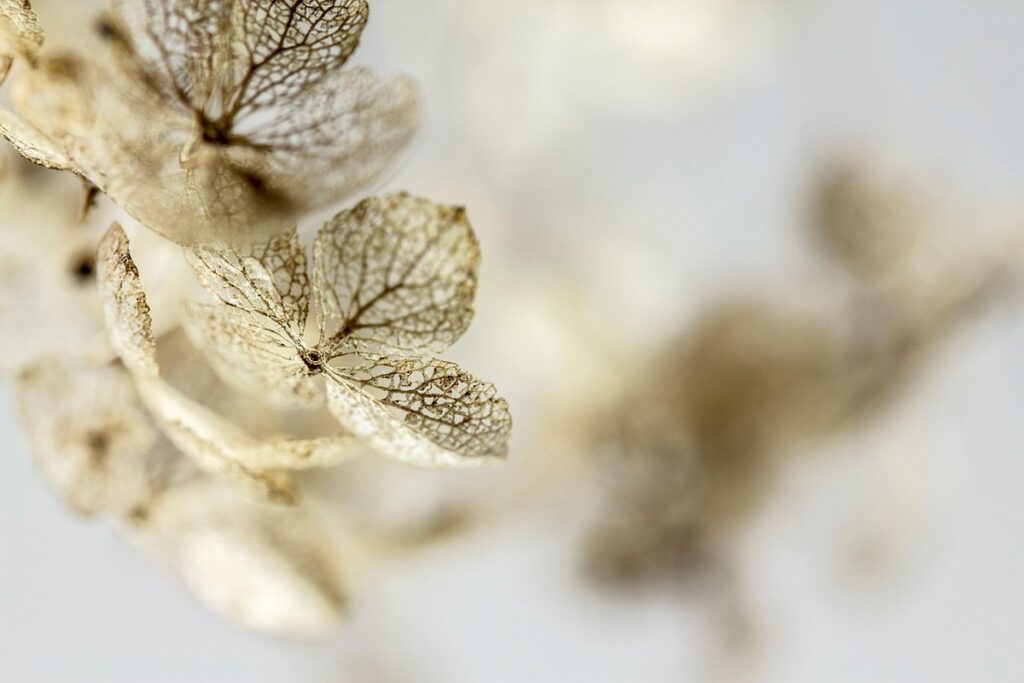
Understanding Hydrangea Blooms and Why Deadheading Matters
When it comes to deadheading hydrangeas, understanding how blooms form and why removing old flowers is crucial for new growth will help you tackle this task with confidence. Knowing these basics sets you up for success!
What is a Hydrangea Bloom?
Hydrangea blooms are a sight to behold, but did you know that there are several types of blooms, each with its unique characteristics? When it comes to deadheading hydrangeas, understanding the different types of blooms will help you decide which method to use.
Bigleaf hydrangeas (Hydrangea macrophylla) produce large, round clusters of flowers in shades of pink, blue, or white. These blooms are the showiest and most common type, often growing up to 12 inches across. When deadheading bigleaf hydrangeas, make sure to snip off spent flowers at the base of the stem to encourage new growth.
Panicle hydrangeas (Hydrangea paniculata) produce long, cone-shaped clusters of flowers that start white and turn pink or red as they mature. These blooms can grow up to 18 inches long and are often less sensitive to soil pH than bigleaf varieties. When deadheading panicle hydrangeas, you can cut the stems back by about one-third to promote new growth.
Smooth hydrangeas (Hydrangea arborescens) produce rounded clusters of white flowers that turn pink or purple as they age. These blooms are often smaller than bigleaf varieties and tend to be less fussy about soil conditions. When deadheading smooth hydrangeas, simply snip off the spent flowers at the base of the stem.
By understanding the characteristics of each type of bloom, you’ll be able to tailor your deadheading approach to get the most out of your hydrangea plants.
Importance of Deadheading in Hydrangeas
Deadheading is an essential practice when it comes to hydrangea care. By removing spent blooms, you not only maintain the plant’s appearance but also encourage healthy growth and repeat blooming. When deadheaded regularly, hydrangeas focus their energy on producing new flowers rather than seed production.
This process has a significant impact on the overall health of your plant. For one, it reduces the risk of disease and pests that often target spent blooms. Additionally, removing old flowers promotes air circulation around the plant, preventing fungal diseases from spreading. Furthermore, deadheading encourages bushy growth, making your hydrangea look fuller and more vibrant throughout the growing season.
To reap these benefits, make sure to deadhead your hydrangeas as soon as the blooms fade. Cut off the stem just above a leaf node, using clean pruning tools to prevent the spread of diseases. Repeat this process every week or two during peak blooming periods to keep your plant thriving and looking its best.
Preparing Your Hydrangea Plant for Deadheading
Before you start deadheading your hydrangeas, make sure to prepare your plant by cleaning up any debris and removing weak stems that may be competing with blooms. This will help your flowers thrive after pruning.
Choosing the Right Time to Deadhead
When it comes to deadheading hydrangeas, timing is everything. You’ll want to remove spent blooms at the right moment to encourage healthy growth and prevent seed production. So, when should you start deadheading? It largely depends on a few key factors: the bloom stage, weather conditions, and the specific variety of your hydrangea.
For most bigleaf and panicle hydrangeas, it’s best to wait until the blooms have fully faded and dropped off. This can take anywhere from a week to three weeks after they’ve reached their peak color. Be patient – some varieties take longer than others. On the other hand, smooth and oakleaf hydrangeas often drop their cones within a few days of blooming.
Weather plays a significant role in deadheading timing too. Avoid cutting back during periods of extreme heat or cold, as this can shock the plant. Instead, wait for temperatures to stabilize before pruning. By considering these factors and timing your deadheading sessions accordingly, you’ll be able to promote healthy growth and encourage your hydrangea to produce more blooms next season.
Gathering Essential Tools and Materials
Before you begin deadheading your hydrangea plant, it’s essential to gather all the necessary tools and materials. This will ensure a smooth and efficient process, saving you time and effort in the long run.
First and foremost, you’ll need a good pair of pruning shears or loppers. These should be sharp and clean to prevent any damage to the stems or leaves of your hydrangea plant. Make sure they’re specifically designed for cutting through woody branches, as this will make the process much easier.
In addition to pruning shears, you’ll also need a pair of gloves to protect your hands from thorns and dirt. Choose a pair that fits comfortably and provides adequate grip, even when wet. A bucket or container is also necessary for collecting any fallen blooms or debris.
Lastly, consider having a small trash bag on hand to dispose of any dead or dying flowers. This will keep your workspace clean and prevent the spread of disease. By gathering these essential tools and materials, you’ll be well-prepared to tackle the task of deadheading your hydrangea plant with confidence.
Removing Faded Blooms and Cutting Back
Now that you’ve removed the old blooms, it’s time to focus on revitalizing your hydrangea plant for another year of stunning flowers. Next up is removing faded blooms and cutting back the plant.
How to Deadhead Bigleaf Hydrangea Flowers
When it comes to bigleaf hydrangeas, removing faded blooms is crucial for maintaining their appearance and encouraging new growth. To deadhead these flowers, start by inspecting the plant carefully, looking for wilted or brown petals that have dropped below the clusters of blue or pink flowers.
Gently grasp a stem with your fingers and cut off the faded bloom using pruning shears or loppers, making sure to cut just above a bud eye (the small swelling on the stem from which new growth emerges). Cut at an angle, rather than straight across, to help water run off and prevent disease. It’s essential not to cut too much of the stem, as this can damage the plant.
For bigleaf hydrangeas that have grown quite tall, you may need to use a step ladder or pruning saw to reach the blooms. Be mindful of the branch structure when cutting back – aim to remove no more than one-third of the stems in a single session. This will help the plant redirect its energy towards producing new flowers and foliage rather than putting out weak growth.
Deadheading Panicle and Smooth Hydrangeas
When it comes to deadheading panicle and smooth hydrangeas, you’ll need to take their unique characteristics into account. Panicle hydrangeas produce long stems with numerous small flowers at the end, forming a panicle shape. These varieties tend to hold their flowers all summer long, but they can still benefit from regular deadheading to promote new blooms.
To deadhead panicle hydrangeas, simply snip off the spent flowers just above a set of leaves using sharp pruning shears. This will help direct the plant’s energy towards producing more flowers rather than seeds. You can also cut back the stems by about one-third after they’ve finished blooming to maintain shape and encourage new growth.
Smooth hydrangeas, on the other hand, produce large clusters of big, showy flowers that typically bloom in late spring or early summer. To deadhead smooth hydrangeas, remove the faded flower heads as soon as possible, taking care not to damage the buds below them. This will help prevent seed production and encourage a second bloom if your variety is known for one.
It’s also essential to note that panicle hydrangeas typically require less maintenance than smooth varieties, but they may still need regular deadheading to keep them looking their best.
After-Deadheading Care: Tips for Healthy Growth
After you’ve deadheaded your hydrangeas, it’s essential to provide them with proper care to promote healthy growth and encourage repeat blooming. This section shares valuable tips for post-deadheading care.
Watering and Fertilizing Post-Deadhead
After deadheading your hydrangea, it’s essential to provide the right care to promote healthy growth and encourage new blooms. Proper watering and fertilization are crucial during this period. Make sure not to overwater your hydrangea, as this can lead to root rot and other problems. Instead, water your plant when the top 1-2 inches of soil feel dry to the touch.
When it comes to fertilizing post-deadheading, use a balanced, slow-release fertilizer that’s specifically formulated for flowering plants like hydrangeas. You can apply it according to the product’s instructions or follow these general guidelines: apply 5-10 pounds per 100 square feet in early spring and again after the plant finishes blooming.
To promote healthy growth and encourage new blooms, also consider adding a bloom-booster fertilizer that contains phosphorus, which helps promote root development and flower production. For example, you can use a product like Osmocote Bloom! or Miracle-Gro Shake ‘n Feed All Purpose Plant Food.
Keep in mind that overfertilizing can harm your hydrangea’s roots, so be cautious not to apply too much fertilizer. It’s better to err on the side of caution and start with a smaller amount, gradually increasing as needed based on your plant’s response.
Mulching Around the Base
Mulching around the base of your hydrangea plants is an essential step after deadheading. Not only does it enhance their overall appearance, but it also provides numerous benefits that promote healthy growth and development.
One of the primary advantages of mulching around hydrangeas is weed suppression. Weeds can compete with your plant for water, nutrients, and light, which can hinder its growth. A 2-3 inch layer of organic mulch, such as wood chips or bark, can effectively suppress weeds, reducing the need for regular weeding.
Mulching also helps retain moisture in the soil, reducing the risk of drought stress. As hydrangeas prefer moist, well-draining soil, this is particularly beneficial. Additionally, mulch acts as a protective barrier around the roots, shielding them from extreme temperatures and potential damage caused by mowing or trimming equipment.
When applying mulch, be sure to keep it a few inches away from the plant’s stem to avoid rotting. Also, replenish the mulch layer annually, as it can break down over time, losing its effectiveness. By incorporating mulching into your after-deadheading care routine, you’ll create an ideal environment for your hydrangeas to thrive.
Common Mistakes to Avoid When Deadheading Hydrangeas
Deadheading hydrangeas can be a delicate process, and making mistakes can have an impact on next year’s blooms. In this section, we’ll cover some common errors to steer clear of.
Over-Pruning and Its Consequences
Deadheading hydrangeas requires finesse to avoid over-pruning, which can have severe consequences for the plant’s health and blooming performance. When you remove too many flowers, stems, or buds, you’re essentially removing the plant’s energy source. This can lead to a reduced number of blooms in subsequent seasons, as the plant may not have enough energy reserves to produce new flowers.
Moreover, over-pruning makes hydrangeas more susceptible to diseases and pests. When the plant is stressed from excessive pruning, its natural defenses are compromised, making it easier for pathogens to attack. This can result in root rot, leaf spot, or even plant death if left unchecked.
To avoid these pitfalls, focus on removing only the spent flowers, taking care not to cut back too much of the stem. Cut just above a bud eye (the small swelling from which new growth emerges) using clean, sharp pruning tools to minimize damage and prevent disease transmission. By deadheading carefully and judiciously, you’ll encourage your hydrangea to continue blooming robustly for years to come.
Insufficient Pruning: How It Affects Plant Health
When you neglect to prune your hydrangea plant properly, it can have severe consequences on its overall health. Insufficient pruning is one of the most common mistakes gardeners make when deadheading hydrangeas. This oversight can lead to stunted growth, weak stems, and a decrease in bloom quality.
Pruning plays a crucial role in maintaining the shape and structure of your hydrangea plant. By removing old flowers and stalks after they’ve bloomed, you allow new growth to emerge, which promotes healthy development. However, if you fail to prune regularly, dead wood and weak stems can accumulate, making it challenging for the plant to thrive.
The effects of inadequate pruning become apparent over time. As weak stems take hold, the plant’s ability to produce high-quality blooms decreases significantly. You may notice a drop in flower size or color vibrancy, which can be disappointing if you’re looking forward to enjoying your hydrangea’s beauty. To avoid this scenario, make sure to prune your hydrangea regularly, and deadhead promptly after each bloom cycle. This will not only enhance the plant’s appearance but also ensure it remains healthy and robust in the long run.
Troubleshooting Deadheading Challenges
Deadheading can be a bit tricky, especially when you’re trying to coax out more blooms from your hydrangeas. Let’s tackle some common deadheading challenges together in this section.
Addressing Leaf Scorch and Wilting
If you’ve deadheaded your hydrangea and notice that its leaves are scorching or wilting, don’t panic – it’s a relatively common issue. When hydrangeas are stressed due to factors like extreme temperatures, drought, or overwatering, their leaves can become scorched or wilted.
To address leaf scorch, stop deadheading the plant immediately and give it some time to recover. Inspect the roots for any signs of root rot and prune them if necessary. This will help prevent the spread of disease and promote healthy growth.
For wilting, check the soil moisture by inserting your finger into the soil up to the knuckle. If the soil feels dry, it’s likely that the plant needs more water. However, be cautious not to overwater, as this can exacerbate the issue. To prevent wilting in the future, make sure to provide consistent moisture and avoid exposing your hydrangea to extreme temperatures.
Some other factors to consider include pruning, fertilization, and pest management. If you’ve recently pruned or fertilized your hydrangea, it may be experiencing a shock that’s leading to leaf scorch or wilting.
Dealing with Insect or Disease Infestations
Deadheading can be an effective way to promote new blooms on hydrangeas, but sometimes unwanted visitors like insects and diseases can ruin the process. If you notice anything unusual on your plants after deadheading, such as white powdery patches or tiny eggs on the leaves, it’s essential to take action promptly.
Common pests that target hydrangeas include aphids, spider mites, and caterpillars. These insects can be managed using neem oil or insecticidal soap, which should be applied carefully according to the product instructions. Another effective method is introducing beneficial insects like ladybugs or lacewings, which feed on these pests.
Fungal diseases are another concern when it comes to deadheaded hydrangeas. Symptoms include blackened leaves and stems. To manage fungal diseases, remove any infected parts of the plant and increase air circulation around your plants. You can also use fungicides specifically designed for hydrangea care.
Regular monitoring and inspection of your plants will help you catch infestations or infections early on. Be sure to wash your hands thoroughly after handling plants and tools to prevent spreading diseases.
Conclusion: Mastering the Art of Deadheading Hydrangeas
Now that you’ve learned the basics of deadheading hydrangeas, let’s tie everything together and discuss how mastering this skill will elevate your garden to new heights.
Recap of Key Takeaways
When it comes to successfully deadheading hydrangeas, there are several key takeaways from this step-by-step guide that you should keep in mind. First and foremost, the timing of deadheading is crucial. It’s essential to remove spent blooms as soon as possible after they fade to promote healthy growth and encourage new flower production.
Use a pair of clean, sharp pruning shears or loppers to carefully cut off the stem at a 45-degree angle just above a leaf node. This will help prevent water from collecting on the cut end and reduce the risk of disease. Be sure to remove only the dead flowers, leaving the rest of the stem intact.
Regular maintenance is also vital for optimal results. Deadhead your hydrangeas regularly throughout the growing season, ideally every 7-10 days during peak blooming periods. By following these techniques and maintaining a consistent routine, you’ll be able to enjoy beautiful blooms from your hydrangea plants all season long.
Final Tips and Variations
When working with hydrangeas, it’s essential to consider the unique needs of each variety and growing conditions. For instance, Bigleaf Hydrangea (Hydrangea macrophylla) produces flowers on old wood, meaning last year’s stems. This means that for optimal blooming results, you should avoid pruning these stems in spring.
For panicle hydrangeas like ‘Limelight’, deadheading is less critical as the flowers are attractive even after blooming. However, removing spent flowers can still promote bushy growth and encourage new blooms.
In regions with mild winters, consider cutting back stems to about 6-8 inches from the ground in late winter or early spring. This will help control height and prevent damage from harsh weather conditions.
Similarly, for areas with hot summers, it’s crucial to provide adequate moisture and sun protection to ensure your hydrangeas thrive. Deadheading during these periods can be more challenging due to heat stress and potential water loss.
Frequently Asked Questions
Can I deadhead hydrangeas in the fall or winter when they’re dormant?
Yes, you can still deadhead hydrangeas during their dormant season, as long as you do it carefully to avoid causing unnecessary stress on the plant. This is a good opportunity to prune back any dead or damaged stems and prepare your plant for new growth in the spring.
How often should I water my hydrangea after deadheading?
It’s essential to maintain consistent moisture levels after deadheading, but be cautious not to overwater. Water your hydrangea once or twice a week, depending on weather conditions, making sure the soil is moist but not soggy. This will help promote healthy growth and prevent root rot.
What if I accidentally cut too much of the stem when deadheading?
Don’t panic! If you’ve removed more stem than necessary, simply allow the plant to grow back naturally. Hydrangeas are incredibly resilient and can recover from accidental pruning. Monitor your plant’s progress and adjust your technique accordingly for future deadheading sessions.
Can I use regular garden shears or do I need specialized tools?
While regular garden shears will work in a pinch, it’s recommended to invest in high-quality, sharp pruning shears specifically designed for hydrangeas. These tools will make the process easier and more precise, reducing the risk of damaging your plant.
How long does it take for new blooms to appear after deadheading?
The time frame for new blooms to emerge varies depending on factors like weather, soil quality, and plant health. However, with proper care and regular deadheading, you can expect new flowers to start appearing within 6-8 weeks, with peak blooming season typically occurring in late spring or early summer.