
Are you ready to brighten up your garden with vibrant colors and sweet scents? Planting spring bulbs is an excellent way to add some excitement to your outdoor space, and it’s easier than you think! With so many types of bulbs to choose from, selecting the right ones for your garden can be a bit overwhelming. But don’t worry, we’ve got you covered. In this comprehensive guide, we’ll walk you through the process of choosing, planting, and caring for spring bulbs like pros. From preparing the perfect soil to tackling common issues that might arise, we’ll cover it all. Whether you’re a seasoned gardener or just starting out, our expert tips will help you plant beautiful spring bulbs that will bloom magnificently come springtime!
Choosing the Right Spring Bulbs
When it comes time to pick out spring bulbs, you want to choose varieties that thrive in your specific climate and soil conditions. This helps ensure a beautiful bloom come spring.
Types of Spring Bulbs to Consider
When it comes to choosing the perfect spring bulbs for your garden, you have an array of options to consider. Among the most popular and sought-after varieties are tulips, daffodils, hyacinths, and grape hyacinth.
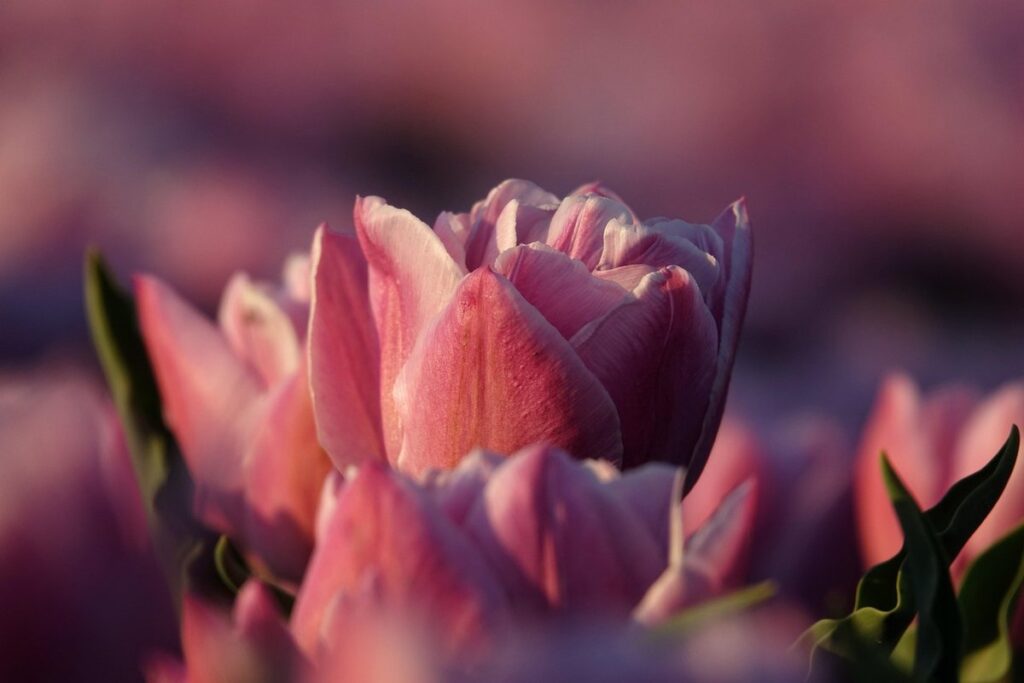
Tulips are a classic choice for spring gardens, offering vibrant blooms in a range of colors from soft pastels to bold statement hues. These bulbs require well-draining soil and full sun to partial shade, and typically bloom in late March or early April. Daffodils, on the other hand, are known for their trumpet-shaped flowers and ability to naturalize over time, making them an excellent choice for areas with minimal maintenance requirements.
Hyacinths produce fragrant blooms that range from delicate pastels to vibrant pinks and blues. These bulbs prefer well-draining soil and partial shade to full sun, and typically bloom in late April or early May. Grape hyacinth is a low-maintenance option that produces small, bell-shaped flowers in shades of blue and white. This type of bulb prefers well-draining soil and partial shade to full sun, and blooms in mid-to-late spring.
Each of these varieties has its own unique characteristics, growth habits, and bloom times, making it essential to choose the right one for your specific garden conditions.
Selecting the Best Bulb Variety for Your Garden
When it comes to selecting the best bulb variety for your garden, there are several factors to consider. Climate and soil type play a significant role in determining which bulbs will thrive. For example, tulips and daffodils prefer well-drained soil and can tolerate cooler temperatures, making them ideal for gardens with clay or loamy soils.
On the other hand, hyacinths and grape hyacinths require more moisture and prefer richer soils, making them better suited for gardens with sandy or chalky soils. If you live in a region with extreme weather conditions, choose bulbs that are disease-resistant and can withstand temperature fluctuations.
Consider your intended use for the bulbs as well. If you’re planning to create a cutting garden, opt for varieties like tulips and daffodils that produce sturdy stems and plenty of blooms. For naturalizing, choose species like grape hyacinths and bluebells that spread easily and require minimal maintenance. When selecting bulbs, check their hardiness zone rating and ensure it matches your local climate. This will help you avoid disappointment and ensure a successful bloom in the spring.
Preparing the Soil for Spring Bulbs
Before planting spring bulbs, it’s essential to prepare your soil properly, which involves loosening, aerating, and adding organic matter to create a fertile environment for them to thrive. This section will guide you through the process.
Understanding Soil Requirements for Bulbs
Soil preparation is an often-overlooked but crucial step in planting spring bulbs. The right soil conditions can make all the difference between a beautiful display of blooming flowers and a disappointing crop. To begin, it’s essential to understand the fundamental requirements for healthy bulb growth.
Firstly, pH levels play a significant role. Most spring bulbs prefer slightly acidic to neutral soils, with a pH range of 6.0-7.0. If your soil is too alkaline or acidic, it can hinder nutrient uptake and root development. Test your soil using a DIY kit or send a sample to a lab for analysis.
Nutrient content is another vital consideration. Bulbs require a balanced diet of nitrogen, phosphorus, and potassium (NPK) to produce healthy growth and blooms. A general-purpose fertilizer or a bulb-specific blend can provide the necessary boost. However, be cautious not to over-fertilize, as this can cause more harm than good.
Drainage is also critical, as bulbs are susceptible to rot if the soil is waterlogged. Ensure your planting area drains well and avoid planting in low-lying spots where water tends to collect.
Creating a Suitable Growing Environment
To create an ideal growing environment for spring bulbs, you’ll want to consider three key factors: sunlight, temperature, and moisture. Spring bulbs generally require at least 6 hours of direct sunlight per day, but some varieties like daffodils can tolerate full sun (8-10 hours). However, be mindful that intense sunlight can cause bulb foliage to become scorched.
Temperature is another crucial aspect. Most spring bulbs thrive in cooler temperatures between 35°F and 60°F (2°C and 15°C), while they’re dormant. Avoid exposing them to prolonged periods of extreme heat or cold. As for moisture, make sure the soil isn’t waterlogged but also not too dry. Spring bulbs prefer well-draining soil with a consistent level of moisture.
If your garden receives direct sunlight for most of the day, you can create a microclimate by strategically planting trees or shrubs to provide shade for sensitive bulbs like tulips and hyacinths. Alternatively, you can build a cold frame or a cloche to protect your spring bulbs from harsh weather conditions. By replicating their natural habitat in your garden, you’ll be providing them with the best chance at healthy growth and blooming success.
Planting Spring Bulbs: A Step-by-Step Guide
First, let’s dive into the nitty-gritty of planting spring bulbs. In this step-by-step guide, you’ll learn how to prepare your soil and plant bulbs for a vibrant display of color in the coming months.
Preparing the Bulbs Before Planting
Before planting spring bulbs, it’s essential to prepare them properly. Start by gently removing any debris or old plant material from the bulb. Next, give the bulbs a good soaking in water for about 30 minutes to rehydrate them. This helps stimulate growth and makes the planting process easier.
When handling bulbs, be careful not to damage their delicate skin. Gently scrub away any mold or mildew with a soft brush, but avoid using harsh chemicals that can harm the bulb. If you’re storing bulbs over winter, make sure they are in a cool, dry place with good air circulation. Avoid storing them near heating vents or direct sunlight.
The ideal time to plant spring bulbs depends on your climate and region. In cooler climates, wait until late fall or early winter when the soil has cooled down. In warmer regions, plant in late winter or early spring before new growth begins. Check the specific planting times for your area by consulting a local nursery or gardening expert.
Digging and Planting the Bulbs
Now that you’ve selected your spring bulbs and prepared them for planting, it’s time to dig holes that will provide a comfortable environment for them to grow. When digging, consider the depth of the hole. Generally, the depth should be 2-3 times the height of the bulb. This allows enough room for the roots to expand and the stem to emerge.
The spacing between bulbs is also crucial. Planting them too close together can lead to overcrowding, which may result in reduced flower growth or even disease. A good rule of thumb is to plant tulips 3-6 inches apart, daffodils 3-12 inches apart, and hyacinths 4-8 inches apart.
To plant the bulbs correctly, start by placing them in a hole that’s been dug with the pointed end facing upwards. Cover the bulb with a thin layer of soil, followed by a layer of compost or well-draining mulch. This will help retain moisture and suppress weeds.
Aftercare and Maintenance of Spring Bulbs
To ensure your spring bulbs bloom beautifully year after year, proper aftercare is crucial, which we’ll cover next. Here’s how to keep them thriving from March to September and beyond.
Watering and Mulching Techniques
When it comes to aftercare and maintenance of spring bulbs, watering and mulching techniques are crucial for their survival. Proper watering helps prevent overwatering, which can lead to rotting of the bulb, while underwatering can cause the bulb to dry out. To maintain optimal moisture levels, water your spring bulbs when the top 2-3 inches of soil feels dry to the touch.
Mulching is another essential technique that helps retain moisture and suppress weeds around the bulbs. Organic mulches like wood chips or straw are ideal for this purpose. Apply a 2-inch layer of mulch around the base of the plants, keeping it a few inches away from the stem. This not only regulates soil temperature but also prevents waterlogged soil.
To prevent overwatering, ensure good drainage in your planting area by adding compost or perlite to improve soil structure. Avoid watering during peak sun hours when evaporation is high. Instead, do it early morning or evening when the plant can absorb water efficiently.
Deadheading and Post-Bloom Care
Deadheading and post-bloom care are crucial steps in extending the life of your spring bulbs and encouraging them to bloom year after year. By removing spent blooms, you’ll not only maintain your garden’s appearance but also promote healthy growth and prevent seed production, which can drain energy from the bulb.
When to deadhead depends on the type of bulb and its bloom duration. For tulips, daffodils, and hyacinths, remove spent flowers once they’ve faded, but wait until the foliage has started to yellow and die back before cutting it back. This usually takes 6-8 weeks after blooming. For shorter-blooming bulbs like grape hyacinth and winter aconite, deadhead immediately after flowering.
Post-bloom care involves allowing the foliage to die back naturally, which can take several weeks or even months, depending on the bulb type. Resist the temptation to cut back dying leaves too early, as this can weaken the bulb for next year’s bloom.
Troubleshooting Common Spring Bulb Problems
As you plant and wait for your spring bulbs to bloom, common issues can arise – don’t worry, we’ve got solutions to get your garden back on track. From pests to poor growth, let’s tackle these problems together.
Dealing with Pest and Disease Issues
Spring bulbs are susceptible to various pests and diseases that can cause damage and reduce their beauty. One of the most common issues is bulb mites, tiny insects that feed on the energy stored within the bulbs. To prevent infestation, inspect your bulbs carefully before planting and quarantine any suspect bulbs. You can also treat the soil with a fungicide or insecticide specifically designed for bulb mites.
Rodents, such as mice and voles, are another common problem, feeding on the bulbs’ underground corms. Planting spring bulbs in rodent-resistant mesh bags or containers can deter these pests. Also, consider using repellents like predator urine or hot pepper spray to keep them away.
Fungal infections, including tulip fire and narcissus botrytis, can also affect your spring bulbs. These usually occur due to overwatering or poor air circulation. To prevent fungal diseases, ensure good air circulation around the plants, water carefully, and avoid getting water on the foliage to minimize moisture accumulation.
Overwintering and Storage Tips
When winter’s chill sets in, it’s essential to properly care for your spring bulbs to ensure they bloom beautifully come spring. Overwintering and storage techniques play a crucial role in this process.
To start, choose a cool, dark place with consistent temperatures between 35°F and 45°F (2°C and 7°C) to store your bulbs. A garage, basement, or even a north-facing closet can work well. Avoid storing bulbs near heating vents, fireplaces, or direct sunlight, as this can cause them to dry out.
When storing bulbs, make sure they’re in a breathable container or bag, such as a paper bag or mesh sack, allowing for air circulation. Don’t overcrowd the space – leave enough room between each bulb for proper ventilation. If you live in an area with extremely cold winters, consider mulching around the bulbs to protect them from frost.
Typically, spring bulbs should be replanted 6-8 weeks before the last frost date in your area. Before replanting, inspect the bulbs for any signs of mold or rot. Trim away any damaged or affected areas, and then plant the bulb at a depth two to three times its height, with the pointed end facing up. With proper care during storage, your spring bulbs will be ready to bloom when the weather warms up.
Displaying Your Spring Bulb Bloom
Once you’ve planted your spring bulbs, it’s time to showcase their beauty and enjoy the stunning displays they create in your garden. We’ll share some expert tips on how to display your blooming bulbs for maximum visual impact.
Creating a Show-Stopping Display
Creating a stunning display with your spring bulb blooms requires some planning and thought. Grouping plants together is an excellent way to create a visually appealing show. Choose bulbs that have different bloom times, such as tulips and daffodils, to prolong the flowering period. This will ensure that there’s always something in bloom.
Consider the color palette you want to achieve – do you prefer pastel shades or vibrant hues? Mixing bold flowers with delicate foliage creates a beautiful contrast. For example, pair bright red tulips with silvery-leaved snowdrops for an eye-catching display. Don’t forget about foliage-only plants like hostas and ferns, which add texture and interest when they’re not flowering.
If you have limited space or want to add some visual interest to your lawn, consider container gardening or naturalizing bulbs in lawns. Choose a large container with good drainage and fill it with a mix of spring-blooming bulbs, such as crocuses and grape hyacinths. Alternatively, scatter small bulbs like snowdrops or miniature daffodils throughout your lawn for a charming display that’s easy to maintain.
Enjoying the Foliage After Blooms Have Passed
As you enjoy the vibrant blooms of your spring bulbs, it’s easy to overlook the foliage that follows. But, just like the flowers, the leaves and stems of your bulb plants play a crucial role in their health and longevity.
After blooming has passed, allow the foliage to remain on the plant for 6-8 weeks, or until it begins to yellow and fade naturally. This is a critical period, as the energy stored in the bulbs will be replenished during this time. Water your plants regularly, but avoid overwatering, which can lead to rot and disease.
When pruning the foliage, cut back the dead leaves to about 3-4 inches from the base of the plant, using clean, sharp scissors or a garden knife. You can also use the foliage in creative arrangements by drying and preserving it. Tie the stems together in small bunches, and hang them upside down in a warm, dry place until they are completely dry.
By giving your spring bulbs proper care during this period, you’ll ensure a strong root system and healthy plants for next year’s bloom.
Frequently Asked Questions
What is the ideal time for planting spring bulbs, considering different climates?
The ideal time to plant spring bulbs depends on your climate and location. Generally, fall is the best time to plant spring bulbs in temperate regions, allowing them to establish themselves before winter. In areas with mild winters or warmer climates, you can plant spring bulbs in late winter or early spring.
Can I plant spring bulbs in containers?
Yes! Planting spring bulbs in containers allows for better control over soil quality and drainage, which is essential for optimal blooming. Choose a container that’s at least 6-8 inches deep and has good drainage holes to prevent waterlogged soil. Use a well-draining potting mix and follow the same planting instructions as for in-ground gardens.
How do I know when spring bulbs need division?
Spring bulbs typically need dividing every 3-4 years, depending on their growth rate and type. Look for signs of overcrowding, such as reduced blooms or stunted growth, to determine if it’s time to divide your spring bulbs. Divide them in the summer after they’ve finished blooming, taking care to maintain the roots intact.
What are some common pests that can affect spring bulb gardens?
Some common pests that can damage spring bulbs include rodents, deer, and slugs/snails. To protect your bulbs from these pests, consider using physical barriers or repellents, such as copper tape or hot pepper spray. Regularly inspect your garden for signs of pest activity and take prompt action to prevent damage.
Can I plant multiple types of spring bulbs together?
Yes! Planting a mix of spring bulb varieties can create a beautiful, layered display. Just ensure that the varieties have similar growth habits and soil requirements to avoid competition for resources. For example, you could plant tall tulips behind shorter daffodils or hyacinths. Experiment with different combinations to find the perfect look for your garden!