
Are you growing kale in your garden but struggling to keep pests at bay or ensure optimal growth? You’re not alone! Kale is one of the most nutrient-rich and delicious leafy greens, but it can be challenging to cultivate. That’s where companion planting comes in – a natural and effective way to boost your kale harvest while reducing common problems like aphids, whiteflies, and powdery mildew. But did you know that certain plants can also enhance the flavor and nutritional value of your kale? In this article, we’ll explore the top kale companion plants, their benefits, and how to integrate them into your garden for a healthier and more productive harvest. By following our guide, you’ll be able to grow bigger, better-tasting kale with minimal fuss.
What are Companion Plants?
Companion plants are those that grow alongside kale, enhancing its growth and flavor, while also adding visual appeal to your garden. In this section, we’ll explore what companion planting is all about.
Definition and Importance of Companion Planting
Companion planting has been a trusted method for gardeners to create thriving and balanced ecosystems. By strategically pairing plants together, you can promote healthy growth, deter pests, and even enhance flavor. This approach is rooted in the understanding that different plants have unique characteristics, such as fragrance, growth habits, and nutrient requirements.
When used correctly, companion planting can lead to improved crop yields, reduced pesticide use, and a more diverse garden ecosystem. For example, basil repels aphids and improves the taste of nearby vegetables, while marigold deters nematodes and attracts beneficial insects. By incorporating these beneficial relationships into your kale garden, you’ll create an environment that’s resilient to pests and diseases.
Some plants are specifically paired with kale to improve its growth and flavor. For instance, planting beans with kale uses up excess nitrogen in the soil, reducing the risk of fungal diseases. Similarly, planting garlic near kale repels aphids and other pests. By understanding these simple yet effective pairings, you can cultivate a more harmonious and productive garden.
Types of Companion Planting
Companion planting involves selecting plants that benefit each other through various mechanisms. There are three primary types of companion planting: crop rotation, intercropping, and guilds.
Crop rotation is a method where you rotate kale with other crops to avoid depleting the soil’s nutrients and reduce pest buildup. For example, rotating kale with beans can help replenish nitrogen levels in the soil. This approach also disrupts pest life cycles, making it more difficult for them to adapt.
Intercropping involves planting multiple crops together, often in a single bed. By combining tall and short plants, you create a diverse ecosystem that promotes mutual benefits. For instance, planting kale with radishes repels cucumber beetles and adds nutrients through the radish’s extensive root system.
Guilds take companion planting to the next level by grouping a variety of plants together in a symbiotic relationship. This approach mimics nature by creating an environment where plants can thrive independently. By incorporating guilds into your kale garden, you’ll create a resilient ecosystem with minimal maintenance required.
Benefits of Kale Companion Plants
When you pair kale with the right companion plants, not only do they repel pests and attract beneficial insects, but also enhance each other’s growth. Let’s explore these mutually beneficial relationships in more detail.
Soil Health and Nutrition
When it comes to growing kale, having well-nourished soil is crucial. Kale is a nutrient-rich crop that requires a rich source of essential nutrients and minerals to thrive. Companion plants can play a vital role in improving the overall health of your soil, making it more suitable for kale growth.
Companion plants like legumes, such as beans and peas, are excellent at fixing nitrogen in the soil through their symbiotic relationship with rhizobia bacteria. This process not only enriches the soil but also creates a favorable environment for kale to absorb essential nutrients. For example, planting a row of beans alongside your kale crop can provide up to 100 pounds of nitrogen per acre.
Other beneficial companion plants like comfrey and clover help improve soil structure by introducing organic matter and reducing erosion. Comfrey’s deep taproots bring up minerals from the subsoil, making them available for other plants to absorb, while clover’s extensive root system holds the soil in place, preventing nutrient runoff. By incorporating these companion plants into your garden, you can create a self-sustaining ecosystem that supports healthy kale growth and maximizes yields.
Pest and Disease Control
Companion plants can be a game-changer for kale growers who struggle with pests and diseases. By strategically planting certain herbs, flowers, and vegetables alongside their kale, gardeners can create an environment that naturally repels unwanted critters and reduces the risk of fungal infections.
Take marigold, for example, which releases chemicals that deter nematodes, microscopic worms that can devastate kale crops. Planting marigold around the perimeter of your kale bed can provide a protective barrier against these pests. Another option is basil, which repels aphids and whiteflies – two common pests that target kale leaves.
Radishes are also a great companion for kale, as they break up compacted soil and prevent fungal diseases from taking hold. Interplanting radishes among your kale rows can improve drainage and reduce the need for fungicides. By incorporating these beneficial relationships into your garden design, you’ll not only promote healthy growth but also minimize your reliance on chemical pesticides and fungicides.
Best Companion Plants for Kale
When it comes to growing kale, choosing the right companion plants can make a huge difference in its health and yield. Let’s explore some of the best plants to grow alongside your kale.
Nitrogen-Fixing Legumes
When it comes to companion planting with kale, legumes are an excellent choice. These versatile plants have the unique ability to fix nitrogen in the soil, making it readily available for kale and other nearby plants. This symbiotic relationship is a game-changer for gardeners, as it eliminates the need for synthetic fertilizers.
Beans, peas, and clover are just a few examples of nitrogen-fixing legumes that pair well with kale. These plants have nodules on their roots where beneficial bacteria convert atmospheric nitrogen into a form that’s easily absorbed by the plant. By planting legumes alongside kale, you’re essentially creating a self-sustaining ecosystem.
To make the most of this partnership, try interspersing beans or peas with your kale plants. As they grow, their vining stems will provide shade and help retain moisture in the soil, while their nitrogen-fixing abilities will nourish the kale. Clover is another great option for companion planting – it’s a low-maintenance choice that can thrive in poor soil conditions, making it an excellent addition to any garden.
Repellent Plants
When it comes to growing kale, having repellent plants nearby can be a game-changer. These plants not only add visual appeal and diversity to your garden but also help keep pests at bay. Some of the most effective repellent plants for kale are those that deter aphids and whiteflies.
Consider planting Nasturtiums, which repel aphids and other pests through their bright, cheery flowers. These plants are easy to care for and can thrive in containers or directly in the ground. Marigolds are another great option, as they repel nematodes, whiteflies, and other insects that target kale.
Chives and Garlic Chives also have natural pest-repelling properties, making them a great addition to your kale garden. Simply plant these herbs near your kale plants to keep pests away. Basil is another popular choice for its ability to repel aphids and other pests, as well as add fresh flavor to your salads.
By incorporating these repellent plants into your kale companion planting scheme, you’ll be able to enjoy a healthier, more thriving garden with fewer pest problems.
Specific Kale Varieties and Their Companion Plant Needs
Let’s dive into some of the most popular kale varieties, such as lacinato and red Russian, and discover their unique companion plant needs.
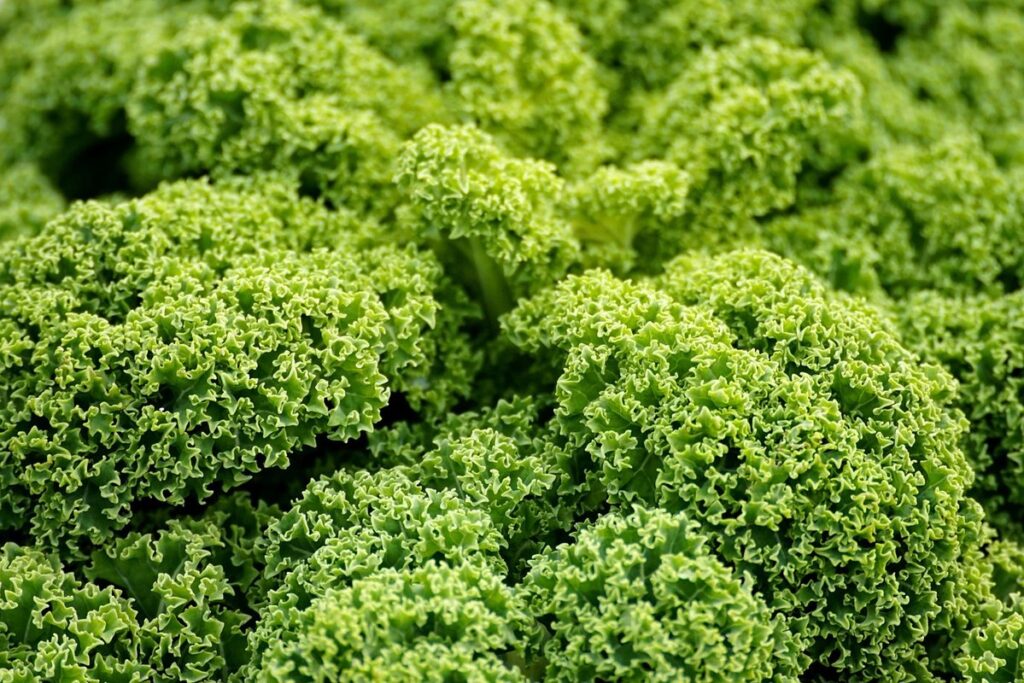
Curly-Leafed Kale Varieties
When it comes to curly-leaved kale varieties, their companion plant needs are distinct from those of flat-leaved kale. These curlier cousins require more precise care and attention to thrive alongside other plants.
Some popular curly-leaved kale varieties include ‘Rainbow Lacinato’, ‘Red Russian’, and ‘Curly-Leafed Siberian’. Each of these has its unique set of requirements, but there are some general guidelines you can follow. For example, ‘Rainbow Lacinato’ benefits from being paired with plants that repel pests like aphids and whiteflies, such as basil or dill.
When growing curly-leaved kale alongside other plants, make sure to choose companions that complement its nutrient uptake. For instance, planting garlic near ‘Red Russian’ kale can enhance its nitrogen levels. Additionally, some companion plants, like nasturtiums, repel the cabbage moth and aphids, which can be particularly problematic for curly-leaved kale.
Keep in mind that curly-leaved kale prefers a slightly different growing environment than flat-leaved varieties. They tend to do better with partial shade and consistent moisture levels. By understanding these specific needs, you can create a harmonious coexistence between your curly-leaved kale and its companion plants.
Lacinato (Dinosaur) Kale Varieties
Lacinato kale is a popular choice among gardeners due to its rich flavor and textured leaves. However, it requires a slightly different approach when it comes to companion planting. Unlike other kale varieties, Lacinato (or dinosaur) kale has a more upright growth habit, making it susceptible to wind damage and dry soil conditions.
To combat these issues, pair your Lacinato kale with plants that help retain moisture in the soil, such as creeping thyme or comfrey. These spreading groundcovers will not only retain water but also add nutrients to the soil through their deep taproots. Another option is to plant nitrogen-fixing legumes like clover or beans alongside your Lacinato kale.
When it comes to pest control, marigolds and nasturtiums can be effective deterrents for aphids and whiteflies that target Lacinato kale. By incorporating these plants into your garden design, you’ll not only promote healthy growth but also create a diverse ecosystem that benefits from the unique characteristics of each plant variety.
Companion Planting for Specific Growing Conditions
When growing kale, certain companion plants can help it thrive in specific conditions, such as dry soil or full sun. We’ll explore some top picks for each scenario.
Container Gardening
When growing kale in containers, it’s essential to consider companion planting carefully. Kale is a densely packed plant that can quickly outcompete its neighbors for water and nutrients if not managed correctly.
For container gardening with kale, start by selecting a well-draining potting mix specifically designed for containers. This will help prevent waterlogged soil and root rot, common issues when growing kale in small spaces. Next, choose a container that’s at least 6-8 inches deep to provide enough room for the kale’s taproot.
To ensure healthy growth, pair your kale with plants that complement its nutrient requirements. For example, planting mint or lemongrass nearby can help deter pests and improve air circulation around the kale. However, be cautious not to overplant – too many large containers can become overwhelming in a small space.
Keep in mind that container gardens often require more frequent watering than those planted directly in the ground. Make sure to water your kale when the top inch of soil feels dry to the touch, and avoid getting the leaves wet to prevent fungal diseases.
Small or Urban Gardens
For gardeners with limited space, companion planting can be especially beneficial. In small or urban gardens, it’s essential to choose kale companion plants that not only provide mutual benefits but also thrive in tight spaces.
Consider pairing kale with compact herbs like mint or basil, which repel pests and improve growth. Chives are another great option; they attract pollinators and have natural antifungal properties. If you’re short on space, consider using a vertical garden or trellis to maximize your growing area. This allows you to plant multiple companion plants alongside your kale without taking up too much room.
Some urban-friendly options include nasturtiums, which repel aphids and whiteflies, and marigolds, which deter nematodes and other pests. Keep in mind that even in small spaces, diversity is key. Plant a mix of annuals and perennials to ensure a continuous harvest throughout the growing season. Experiment with different combinations to find what works best for your specific climate and garden conditions.
Common Mistakes to Avoid When Companion Planting Kale
When companion planting kale, there are a few common mistakes that can hinder your harvest, from overcrowding to choosing incompatible partners. Let’s explore these pitfalls and how to avoid them.
Overcrowding and Competition
When companion planting kale, it’s easy to get carried away with adding more and more plants to the mix. However, overcrowding can have serious consequences for your garden’s overall health and productivity. Overcrowded beds are breeding grounds for disease and pests, which can quickly spread from one plant to another. This is especially true when growing kale, as it’s a member of the Brassica family and is susceptible to club root and other diseases.
To avoid overcrowding, start by choosing companion plants that have similar growing requirements and won’t compete with your kale for resources like light, water, and nutrients. For example, planting marigolds or nasturtiums alongside your kale can help repel pests and attract beneficial insects, without taking up too much space. When selecting multiple companion plants, remember to leave enough room between each plant for proper air circulation and sunlight penetration. Aim for a spacing of at least 12-18 inches between each plant, depending on their mature size. By being mindful of overcrowding and competition, you can create a balanced and thriving kale garden that’s bursting with flavor and nutrition.
Incompatible Plants
When companion planting kale, it’s essential to be aware of certain plants that may not get along with each other. Some common incompatibilities can lead to nutrient competition, reduced growth, or even disease susceptibility.
For instance, members of the Brassica family, such as broccoli and cauliflower, are not ideal companions for kale. This is because they all require similar growing conditions and nutrients, which can cause them to compete with each other. As a result, their growth may be stunted, and they might become more susceptible to pests and diseases.
Other plants that don’t mix well with kale include those from the Solanaceae family, such as tomatoes and peppers. These nightshade plants release chemical compounds that can inhibit the growth of nearby kale. Similarly, tall-growing plants like sunflowers or corn can shade out kale and reduce its productivity.
If you want to create a diverse garden with multiple companion plants, consider separating kale from these incompatibles using planters, rows, or containers. This will give each plant the space it needs to thrive without competing for resources.
Conclusion: Integrating Companion Planting into Your Kale Garden
As you’ve learned about the various kale companion plants, it’s time to put this knowledge into practice. Integrate these beneficial companions into your kale garden to create a thriving and diverse ecosystem. Start by selecting a few key companion plants that complement your kale variety, such as marigolds or nasturtiums, which repel pests and attract pollinators. Plant them around the perimeter of your kale bed or interspersed among the leaves.
Next, consider the mature size of each plant and leave enough space for growth. This will prevent overcrowding and ensure that both companion plants and kale receive adequate sunlight and nutrients. By incorporating these thoughtful pairings into your garden design, you’ll create a balanced and resilient ecosystem that promotes healthy growth and minimizes pests. With a little planning and creativity, you can enjoy a lush and thriving kale garden that brings you fresh produce all season long.
Frequently Asked Questions
Can I use companion planting for all types of kale, or are there specific varieties that require different approaches?
While the core principles of companion planting apply to most kale varieties, some like Curly-Leafed and Lacinato (Dinosaur) Kale may benefit from tailored strategies. Research the specific needs of your kale variety and adapt your companion planting approach accordingly.
How do I choose the right companion plants for my small or urban garden?
Select plants that thrive in compact spaces and have similar growing requirements to your kale. Consider nitrogen-fixing legumes, repellent plants, and those with fragrance or other beneficial traits. For example, basil can complement kale’s flavor while repelling pests.
Can I use companion planting as a standalone solution for pest control and soil health?
Companion planting is most effective when combined with other holistic garden practices like crop rotation, mulching, and maintaining healthy soil microorganisms. Integrate it into your overall garden strategy to achieve optimal results.
What are some common mistakes to avoid when incorporating new companion plants into my kale garden?
Be cautious of overcrowding, which can lead to competition for resources and increased pest pressure. Also, research potential incompatibilities between plants, as some may have conflicting growth habits or nutrient requirements.
Can I use companion planting with container gardening, or is it best suited for in-ground gardens?
Companion planting can be highly effective in container gardens, where space constraints are a significant consideration. Choose compact or trailing companion plants and maintain soil health through regular fertilization and pruning to ensure optimal results.