
If you’re looking to add a touch of Mediterranean charm to your garden, Spanish lavender is an excellent choice. This beautiful herb not only attracts pollinators and other beneficial wildlife but also boasts stunning purple blooms that can be used in cooking, crafts, and as a fragrant addition to bath products. However, growing Spanish lavender requires attention to specific care needs, which is why we’ve put together this comprehensive guide. In the following article, we’ll walk you through expert tips on choosing the right variety, planting it in your garden, watering it correctly, pruning it for optimal growth, and harvesting its flowers at the perfect moment. By the end of this post, you’ll be equipped with everything you need to grow thriving Spanish lavender and enjoy its many benefits in your home and garden.
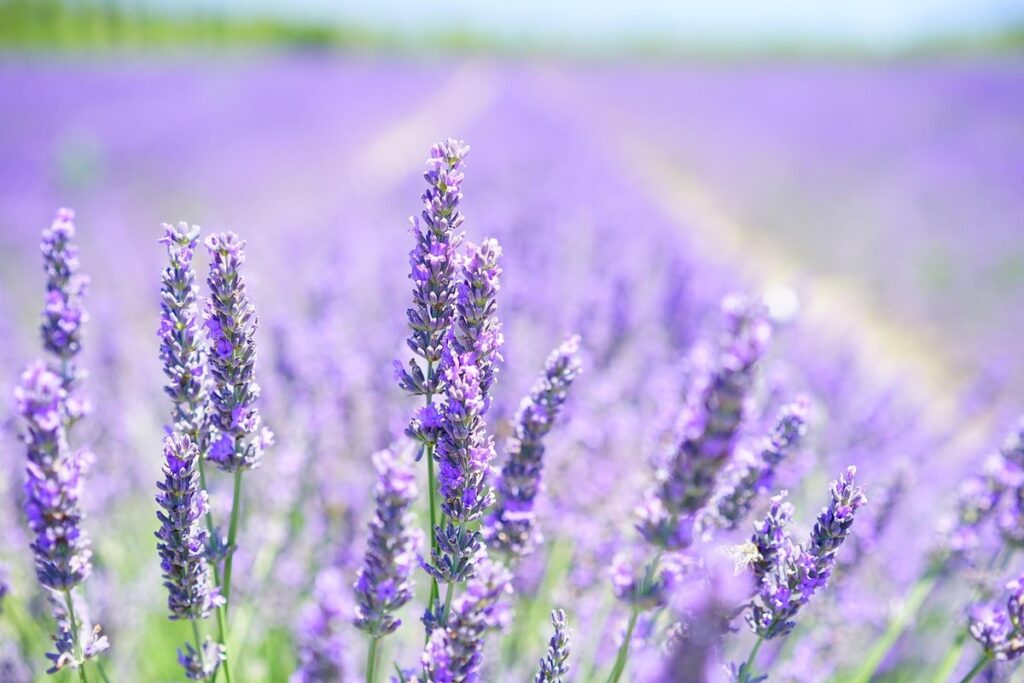
Choosing the Right Variety
When it comes to Spanish lavender care, selecting the right variety is crucial for its growth and health. Choose from compact, upright, or spreading types to suit your garden’s unique needs.
Factors to Consider When Selecting a Lavender Species
When it comes to selecting a lavender species, there are several factors to consider beyond just its appearance. You’ll want to choose a variety that thrives in your climate and meets your intended use.
There are several types of lavender to consider, including English, French, and Spanish varieties. Each has unique characteristics that set them apart from one another. For example, English lavender is known for its compact growth habit and is often used in traditional potpourri blends. French lavender, on the other hand, has a more delicate appearance and is commonly used in perfumes and fragrances.
When choosing a type of lavender, consider your climate first. If you live in an area with mild winters, Spanish lavender may be a good choice due to its hardiness and ability to tolerate heat and drought. However, if you experience colder temperatures, English or French lavender may be more suitable. Additionally, think about how you plan to use your lavender – do you want to dry it for potpourri, or use it in cooking? Choosing the right type of lavender can make all the difference in its success.
Understanding the Hardiness Zones and Climate Requirements
When choosing a Spanish lavender variety for your garden, it’s essential to understand the hardiness zones and climate requirements for optimal growth. The USDA Hardiness Zone Map is a valuable resource for determining which varieties will thrive in your region. Based on this map, Spanish lavender is generally suitable for zones 5-9, with zone 6 being the sweet spot.
However, even within these zones, local microclimates can significantly impact plant performance. To research your specific climate conditions, consult online resources such as the National Oceanic and Atmospheric Administration (NOAA) or the National Weather Service’s Climate Data Online tool. These platforms provide detailed information on temperature, precipitation, and sunlight patterns in your area.
To determine which varieties will succeed in your garden, consider factors like winter chill hours, heat tolerance, and moisture levels. For example, if you live in a region with mild winters (zone 9), look for Spanish lavender varieties that can tolerate warmer temperatures, such as ‘Hidcote’ or ‘Grosso’.
Planting and Soil Preparation
Before you start growing Spanish lavender, it’s essential to prepare your soil and plant at the right time to ensure a healthy and thriving plant. We’ll walk you through the best techniques for planting and soil preparation.
Preparing the Soil for Lavender Growth
When it comes to growing Spanish lavender, well-draining soil is essential. Lavender doesn’t tolerate wet feet, and roots that sit in waterlogged soil can lead to root rot and other problems. If you have clay soils, amending them with organic matter such as compost or well-rotted manure can help improve drainage. Mix in a 2-inch layer of the amendments into the top 6 inches of soil before planting.
If your soil is too sandy, adding organic matter can also be beneficial. Compost, leaf mold, or peat moss can help retain moisture and suppress weeds. Apply a 1- to 2-inch layer on top of the soil and mix it in lightly before planting. Before planting, prepare the bed by tilling the soil to a depth of about 8 inches. Remove any debris and level the ground for even growth.
Fertilize your Spanish lavender plants at the time of planting with a balanced fertilizer. Avoid over-fertilizing, as this can lead to weak stems and reduced oil production. A light application of a low-nitrogen fertilizer (such as 5-10-10 N-P-K) will provide enough nutrients for healthy growth without promoting excessive vegetative development.
Planting Techniques for Optimal Growth
When it comes to planting Spanish lavender for optimal growth, there are several best practices to keep in mind. First and foremost, spacing is crucial. Plant individual plants 12-18 inches apart to allow for proper air circulation and prevent overcrowding, which can lead to disease and pest issues.
For a beautiful display of colors and scents, consider planting a mix of Spanish lavender varieties with different bloom times and flower colors. For example, plant ‘Hidcote’ and ‘Munstead’ together for a stunning combination of purple and pink hues. This approach not only adds visual interest but also extends the blooming period.
When planting, make sure to dig a hole that is twice as wide and just as deep as the lavender’s root system. Gently place the roots in the hole and firm the soil around them. Finally, orient the plants so that they receive full sun (at least 6 hours of direct sunlight) and well-draining soil. This will help your Spanish lavender thrive and provide a fragrant display for years to come.
Keep in mind that Spanish lavender is a Mediterranean plant, so it prefers dry soil and may not perform well in areas with high rainfall or standing water.
Watering and Mulching
To keep your Spanish lavender healthy, it’s essential to water and mulch correctly. Proper watering and mulching techniques will help prevent moisture loss and retain soil nutrients.
Understanding Lavender’s Water Requirements
Watering Spanish lavender plants during their first year of growth is crucial for establishing a strong root system and promoting healthy development. If the soil is consistently waterlogged, it can lead to root rot and other problems. Overwatering can also cause the plant to drop its buds and flowers.
To avoid these issues, it’s essential to get watering right from the beginning. Start by checking the soil moisture daily, especially during hot weather. A well-draining potting mix or garden bed is vital for preventing waterlogged conditions. You can use a drip irrigation system to deliver water directly to the roots, reducing evaporation and runoff.
Here are some practical tips for efficient watering:
• Water your Spanish lavender in the morning, so the plant has the entire day to absorb the moisture.
• Use a long-spouted watering can or hose with a spray nozzle to avoid wetting the foliage.
• Mulch around the base of the plant to retain moisture and suppress weeds.
Remember, it’s always better to err on the side of caution when it comes to watering your Spanish lavender. If in doubt, wait another day before giving the soil a good soaking.
Benefits of Mulching Around Lavender Plants
Mulching around lavender plants offers numerous benefits that can enhance their overall health and appearance. One of the most significant advantages is weed suppression. Mulch prevents weeds from germinating and competing with the lavender for water and nutrients, reducing the need for frequent weeding. This not only saves time but also helps to prevent damage to the delicate roots of the lavender plant.
Another benefit of mulching is moisture retention. Organic mulches such as wood chips or bark retain moisture in the soil, reducing evaporation and minimizing the need for frequent watering. In arid climates like those found in Spain where Spanish lavender thrives, this can be particularly beneficial. Mulch also improves soil health by regulating soil temperature, increasing nutrient availability, and promoting beneficial microorganisms.
When choosing a mulch, consider your climate and region. For example, in dry regions with intense sunlight, choose a darker-colored mulch like cocoa hulls or pine straw to retain moisture. In cooler climates, lighter-colored mulches like wood chips or bark work well to regulate soil temperature.
Pruning and Maintenance
To keep your Spanish lavender thriving, you’ll want to prune it regularly and perform some essential maintenance tasks throughout its growing season. Regular pruning helps promote new growth.
When to Prune Spanish Lavender
Pruning Spanish lavender is an essential part of its care, and timing is crucial to promote healthy growth and encourage new blooms. In general, it’s best to prune your Spanish lavender plants in late winter or early spring, just before new growth begins. This allows you to remove any dead or damaged branches while the plant is still dormant.
For English Lavender (Lavandula angustifolia), a more aggressive pruning technique can be used. Cut back the entire plant by about one-third to promote bushy growth and prevent it from becoming leggy. For other varieties like Lavandula stoechas, a more delicate approach is necessary. Simply remove any dead or damaged flowers and stems, taking care not to damage the plant’s woody base.
When pruning your Spanish lavender, make sure to use sharp, clean pruners or shears to prevent spreading diseases. Wear gloves to protect yourself from the oil in the leaves, which can cause skin irritation. By pruning at the right time and using the correct techniques, you’ll be rewarded with a healthy, thriving plant that produces an abundance of beautiful flowers.
Common Pests and Diseases Affecting Lavender
As you tend to your Spanish lavender, it’s essential to keep an eye out for common pests and diseases that can affect its health. Aphids and whiteflies are two of the most prevalent issues, especially during warm weather. These tiny insects feed on the plant’s sap, causing curled or distorted leaves and a sticky substance known as honeydew.
To identify aphid infestations early, look for clusters of tiny, soft-bodied insects on the stems and leaves. Whiteflies, on the other hand, resemble small moths with delicate wings. If left unchecked, both pests can weaken the plant’s defenses, making it more susceptible to disease.
Another common issue is root rot, which occurs when the soil remains consistently waterlogged. This can be caused by overwatering or poor drainage. To prevent root rot, ensure good air circulation around your lavender plants and avoid watering them in excess during periods of high rainfall.
For prevention, use neem oil or insecticidal soap to repel aphids and whiteflies. Regularly inspect your plants for signs of infestation, and treat promptly if you notice any issues. By staying vigilant and taking proactive steps, you can keep your Spanish lavender healthy and thriving.
Propagation and Dividing
To keep your Spanish lavender plant thriving, you’ll need to learn how to properly propagate and divide it when it gets too big for its pot. This process is relatively easy and requires minimal equipment.
Methods for Propagating Spanish Lavender
Propagating Spanish lavender can be achieved through various methods, each with its own advantages and disadvantages. One of the most common methods is taking stem cuttings from mature plants. This involves cutting 3-4 inch sections from the tips of stems during the growing season, removing lower leaves, and planting them in a well-draining mix. Keep the soil consistently moist but not waterlogged.
Another method is division, which involves digging up established clumps and separating the roots to create new individual plants. This can be done every 3-4 years to maintain plant health and promote growth. However, it’s essential to wait until the plant is dormant or during a period of reduced growth.
Layering is another propagation technique that involves bending a stem down to the ground and securing it with a rock or U-shaped wire. Roots will develop along the buried section, allowing you to separate the new rooted section from the parent plant once it has developed its own root system. Keep in mind that layering can be more time-consuming than other methods but yields high success rates.
By choosing the right method for your needs and following proper techniques, you can successfully propagate Spanish lavender.
Tips for Dividing Established Plants
When to Divide Established Spanish Lavender Plants
———————————————-
Dividing established Spanish lavender plants is an excellent way to propagate new ones and give the parent plant a fresh start. The best times to divide are in early spring, right after the blooming period, or in late summer/early fall when the plant is dormant.
To divide your Spanish lavender plant, follow these steps:
* Prepare a clean potting mix, and have some sharp, sterile tools ready.
* Water the plant thoroughly the day before dividing to make it easier to separate the roots.
* Gently dig around the base of the plant, and with a fork or spade, carefully pry up the entire root mass.
* Use a tool to gently tease apart the divisions, making sure each section has at least one growing point (where new stems will emerge).
Once you’ve separated the sections, trim off any old or damaged roots on each division and replant them immediately in well-draining soil. Water thoroughly, and keep the soil consistently moist during the first growing season to allow the plants to establish themselves.
Harvesting and Drying
Now that your Spanish lavender plants have reached their full potential, it’s time to harvest and dry them for future use. We’ll walk you through the process of harvesting at the right time and drying methods for optimal preservation.
When to Harvest Spanish Lavender
The ideal time to harvest Spanish lavender blooms is during the early morning hours, just after sunrise. This allows for optimal essential oil retention and minimizes moisture loss due to heat and sunlight. Aim for a dry spell in weather conditions, as excessive moisture can cause the buds to become soggy and lose their potency.
Harvesting at the right stage of blooming is crucial to preserve the essential oils. Check the color of the blooms; they should be fully open but still slightly fragrant. Avoid picking lavender that’s past its prime or wilted, as this will result in a loss of aroma and flavor.
To harvest Spanish lavender, use scissors or pinch off individual buds with your fingers. Cut just above a leaf node to encourage new growth and prevent damage to the plant’s stem. Harvesting regularly will also promote bushy growth and prevent the plant from flowering too profusely. For optimal results, aim for every 7-10 days during peak blooming season.
Keep in mind that over-harvesting can weaken the plant, so it’s essential to strike a balance between collecting blooms and allowing the plant to recover.
Techniques for Drying Fresh Lavender
Drying fresh lavender is an essential step in preserving its potency and usability. There are several techniques to dry lavender flowers, each with its own advantages. Air-drying is a popular method that allows the flowers to retain their natural oils and fragrance. To air-dry lavender, simply tie the stems together with twine or wire and hang them upside down in a warm, dry place. This method can take anywhere from 2-4 weeks, depending on the humidity level.
For faster results, you can use an oven or dehydrator to dry your lavender flowers. Preheat your oven to its lowest temperature setting (usually around 150°F) and hang the stems upside down on a rack. Alternatively, place the flowers in a single layer on a dehydrator tray and follow the manufacturer’s instructions for drying times. This method typically takes 1-2 hours.
Regardless of the method you choose, it’s essential to dry your lavender flowers quickly to prevent bacterial growth and loss of potency. To do this, make sure to check on them regularly, especially during the first few days of the drying process.
Frequently Asked Questions
How Do I Know If My Spanish Lavender is Receiving the Right Amount of Sunlight?
Spanish lavender generally requires full sun to partial shade, depending on your climate. To ensure your plants receive sufficient sunlight, observe their growth and adjust their placement accordingly. In warmer climates, providing some afternoon shade can prevent scorching, while in cooler regions, more direct sunlight may be beneficial.
Can I Grow Spanish Lavender Indoors?
Yes, you can grow Spanish lavender indoors, but it requires careful consideration of temperature and humidity levels. Choose a variety that is compact or dwarf-sized to thrive in indoor conditions. Maintain temperatures between 65-75°F (18-24°C) and provide good air circulation to prevent fungal diseases.
How Often Should I Water My Mature Lavender Plants?
Lavender plants have deep roots and prefer well-draining soil, making them relatively drought-tolerant. However, during hot or dry spells, water your mature lavender plants every 7-10 days. Monitor their moisture levels by checking the soil’s depth with a finger or using a moisture meter to determine when they need watering.
Can I Harvest Spanish Lavender Year-Round?
Yes, you can harvest Spanish lavender year-round, but its peak flowering season typically occurs in mid-to-late summer. To encourage continuous blooming, prune your plants regularly and provide them with proper care. Harvest individual buds or stems as needed for cooking, crafts, or fragrant purposes.
How Do I Propagate Lavender Using Stem Cuttings?
To propagate lavender using stem cuttings, take 3-4 inch (7-10 cm) sections from the tip of a mature stem and remove lower leaves. Dip the cut end in rooting hormone and plant them in well-draining soil. Water thoroughly and keep the soil moist until roots develop, which can take several weeks to months, depending on conditions.