
Growing your own herbs can be incredibly rewarding, but did you know that thyme is one of the easiest and most versatile to cultivate? Not only does it require minimal maintenance, but this fragrant herb is also a staple in many cuisines around the world. From adding a burst of flavor to soups and stews to its medicinal properties, thyme is an incredibly valuable addition to any kitchen garden. But with so many types of thyme out there – from Lemon Thyme to Wild Thyme – how do you choose the right variety for your needs? And once you’ve got it growing, what’s the best way to care for it and use it in cooking and herbal remedies? In this article, we’ll cover everything you need to know about growing thyme, from seed to harvest.
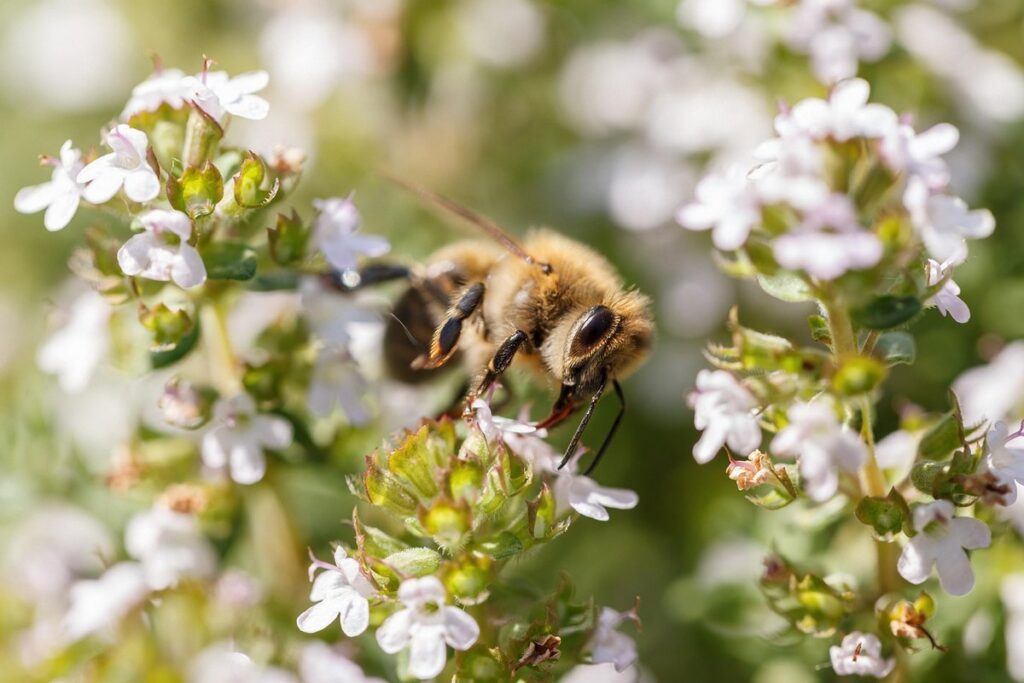
Understanding Thyme
To truly bring out the best in your thyme plants, it’s essential to understand their unique characteristics and needs. This section will break down what makes thyme tick.
Types of Thyme
When it comes to growing thyme, there are several types of thyme plants that you can choose from, each with its own unique characteristics and benefits. One popular variety is lemon thyme (Thymus x citriodorus), which has a bright, citrusy flavor and aroma. This type of thyme is perfect for adding a burst of fresh flavor to soups, salads, and roasted vegetables.
Another popular choice is creeping thyme (Thymus serpyllum), also known as wild thyme or mother-of-thyme. This low-growing, spreading variety is ideal for containers, hanging baskets, and walkways, as it forms a dense mat of tiny leaves that release a lovely fragrance when walked upon. English thyme (Thymus vulgaris) is another well-known variety, prized for its culinary and medicinal properties. It’s a hardy perennial that requires minimal care and can be used in a wide range of dishes, from soups to meats.
When selecting a type of thyme for your garden, consider the climate, soil, and intended use for the plant.
Choosing the Right Variety
When it comes to choosing the right thyme variety for your needs, several factors come into play. First and foremost, consider the purpose of growing thyme. Are you looking to use it primarily for cooking, or do you want to incorporate its medicinal properties into herbal remedies? Different varieties excel in these areas.
For culinary purposes, look for varieties like ‘English Thyme’, ‘French Thyme’, or ‘Lemon Thyme’. These are known for their robust flavor and aroma, making them perfect for soups, stews, and sauces. On the other hand, if you’re interested in herbal remedies, ‘Caraway Thyme’ or ‘German Winter Thyme’ might be more suitable due to their slightly bitter taste.
Another key consideration is the growing conditions of your thyme variety. Some varieties are more tolerant of shade and moisture than others. For example, ‘Creeping Thyme’ can thrive in poor soil and full sun, while ‘Silver Thyme’ prefers well-draining soil and partial shade. Understanding these differences will help you select a thyme variety that meets both your needs and the conditions of your garden.
Preparing the Soil and Environment
Before you start planting thyme, it’s essential to prepare your soil and environment for optimal growth. In this next step, we’ll cover how to create a suitable space for your herb to thrive.
Soil Requirements
Thyme is a Mediterranean native that thrives in well-draining soils with a balanced pH level. Ideally, thyme prefers slightly alkaline to neutral soil conditions, ranging from 6.0 to 7.0 on the pH scale. Avoid planting thyme in acidic or heavily compacted soils as this can lead to nutrient deficiencies and poor growth.
To replicate thyme’s natural habitat, aim for a mix of organic matter like compost, leaf mold, or well-rotted manure to improve soil structure and fertility. Thyme is not demanding when it comes to nutrients but does require adequate nitrogen, phosphorus, and potassium levels. A balanced fertilizer applied once a month during the growing season will suffice.
Drainage is another crucial aspect of thyme’s growth. The herb detests standing water and root rot that often ensues. Ensure your soil has good aeration by adding perlite or sand to improve drainage. Regularly inspect your thyme bed for signs of waterlogging, such as yellowing leaves or soft stems.
When transplanting thyme seedlings, gently firm the soil around the roots without compacting it too much. Keep in mind that over-tilling can damage thyme’s delicate taproots and compromise its growth potential.
Climate and Lighting Considerations
Thyme is a Mediterranean native that thrives in regions with warm temperatures and plenty of sunlight. When growing thyme outdoors, it’s essential to choose a location that receives at least 4-6 hours of direct sun exposure per day. This will help the plant maintain its compact growth habit and promote healthy foliage.
If you live in a region with high temperatures, be mindful of thyme’s temperature tolerance. It can withstand short periods of heat up to 90°F (32°C), but prolonged exposure above this threshold may cause stress or scorching. Conversely, young thyme seedlings are sensitive to frost and should be protected from cold snaps.
To optimize your thyme’s growth, consider providing supplemental lighting during the winter months when natural sunlight is scarce. LED grow lights or south-facing windows can help supplement the necessary photoperiod for healthy plant development.
Sowing and Transplanting Thyme Seeds or Seedlings
When it comes to growing thyme from scratch, sowing seeds indoors or transplanting seedlings outdoors is a crucial step that requires attention to detail. Let’s dive into the best practices for sowing and transplanting thyme seeds or seedlings with confidence!
Direct Sowing vs. Transplanting
When it comes to growing thyme from seed or seedling, you have two main options: direct sowing and transplanting. Both methods have their benefits and drawbacks, which we’ll explore below.
Direct sowing involves planting thyme seeds directly into the ground where they will mature. This method is ideal for areas with a long growing season and warm temperatures. Thyme seeds germinate quickly, typically within 1-2 weeks, and seedlings can establish themselves in about 6-8 weeks. However, direct sowing can be challenging due to poor soil quality or inadequate sunlight.
Transplanting thyme seedlings, on the other hand, offers more control over the growing conditions. You can start seeds indoors 4-6 weeks before the last frost date and then transfer them outside when they have developed two sets of leaves. This method allows you to choose from a wider selection of thyme varieties and gives your seedlings a head start on the growing season.
To direct sow, prepare the soil by loosening it to a depth of 12-18 inches. Sow seeds about 1/8 inch deep and 6-8 inches apart in rows spaced 12-18 inches apart. Keep the soil consistently moist during germination. For transplanting, start seeds indoors in seed trays or small pots with good drainage. Once seedlings have two sets of leaves, harden them off by gradually exposing them to outdoor conditions over 7-10 days before transplanting into individual containers or directly into the ground.
When choosing between direct sowing and transplanting, consider your specific climate and growing conditions. If you live in an area with a short growing season or cooler temperatures, transplanting may be a better option. However, if you have warm weather and well-draining soil, direct sowing can be a more straightforward approach.
Seedling Care After Transplantation
After transplanting thyme seedlings into their new environment, it’s essential to acclimate them gradually to prevent shock and promote healthy growth. Start by placing the seedlings in a shaded area for 1-2 weeks to allow them to adjust to the change in light intensity. Gradually increase exposure to direct sunlight over the next few days.
Watering is also crucial during this period. Thyme seedlings prefer well-draining soil, so avoid overwatering, which can lead to root rot and other problems. Instead, water gently but thoroughly, allowing the top inch of soil to dry out between waterings. Monitor temperature fluctuations as thyme prefers daytime temperatures around 65-75°F (18-24°C) and nighttime temperatures around 55-65°F (13-18°C).
To further aid in acclimation, avoid fertilizing seedlings immediately after transplanting. Wait for at least a week to allow them to establish themselves before introducing nutrients. By following these steps, you’ll help your thyme seedlings develop strong roots and become more resilient to environmental stressors. With proper care, they’ll thrive in their new environment and start producing fragrant leaves and flowers within weeks.
Thyme Care and Maintenance
To keep your thyme plants thriving, proper care and maintenance are crucial. In this section, we’ll cover the essential tips for keeping your thyme healthy and strong.
Watering Regimens
Watering thyme plants requires attention to detail, as overwatering can be detrimental to their health. Generally, thyme prefers well-drained soil and should not be watered too frequently. A good rule of thumb is to water thyme once a week during the spring and summer months when it’s actively growing.
However, this frequency may vary depending on your location and the climate you’re in. If you live in an area with high humidity or frequent rainfall, you may need to reduce watering to prevent root rot.
Signs of overwatering include yellowing leaves, droopy stems, and a soft, mushy texture to the leaves. On the other hand, underwatering can cause wilted leaves and a reduction in growth rate.
To determine if your thyme plant needs water, stick your finger into the soil up to the first knuckle. If the soil feels dry, it’s time to water. Remember that thyme is drought-tolerant, so it’s better to err on the side of caution and underwater slightly than to risk overwatering.
By paying attention to these signs and adjusting your watering schedule accordingly, you can keep your thyme plant healthy and thriving.
Pruning and Trimming Techniques
Pruning thyme regularly is essential for maintaining its shape, promoting healthy growth, and preventing it from becoming leggy. To encourage bushy development, prune thyme by cutting back the stem tips to about one-third of their length. This technique stimulates the plant to produce new growth, resulting in a fuller appearance.
For propagation purposes, take cuttings from the tip of a healthy stem, removing lower leaves and trimming the base of the cutting. Dip the cut end into rooting hormone powder or liquid to enhance root development. Plant the cutting in well-draining soil, and keep it moist but not waterlogged until roots have formed. Alternatively, you can divide established clumps by gently separating the stems and replanting them.
When pruning thyme to prevent its spread, remove any long stems that are growing beyond the designated area. This will help maintain a compact shape and prevent the plant from encroaching on neighboring plants or garden beds.
Pests and Diseases Affecting Thyme
Like any herb, thyme can be vulnerable to pests and diseases that might threaten its growth. In this section, we’ll discuss common issues to watch out for.
Common Pests and How to Address Them
Thyme is a low-maintenance herb that’s generally resistant to pests. However, it can be susceptible to certain insects and mites if not properly cared for. One of the most common pests affecting thyme plants are aphids. These tiny, soft-bodied insects feed on plant sap, causing curled or distorted leaves.
To control aphid infestations, spray your thyme plants with a strong jet of water to dislodge them from the leaves. You can also use insecticidal soap or neem oil to kill the pests. It’s essential to act quickly, as aphids can reproduce rapidly and spread disease to other plants.
Spider mites are another common pest that targets thyme. These tiny arachnids feed on plant sap, causing yellowing leaves and fine webbing on the undersides of the leaves. To address spider mite infestations, increase the humidity around your plants by misting them regularly with water. You can also use miticidal soap or neem oil to control the pest population.
Regularly inspect your thyme plants for signs of pests and take action promptly to prevent infestations from spreading.
Fungal and Bacterial Diseases
Thyme is susceptible to various fungal and bacterial diseases that can significantly impact its growth and overall health. Root rot and leaf spot are two of the most common issues you may encounter as a thyme grower. Fungal root rot occurs when the roots become waterlogged, creating an ideal environment for fungi to thrive. This disease causes the roots to decay, leading to yellowing leaves and stunted growth. To prevent fungal root rot, ensure your thyme is planted in well-draining soil and avoid overwatering.
Bacterial leaf spot, on the other hand, appears as small, dark spots on the leaves. It’s often caused by excess moisture or poor air circulation around the plants. Regularly inspect your thyme for signs of disease and maintain good air circulation to prevent bacterial leaf spot. To control these diseases, treat affected areas with a mixture of 1 tablespoon of baking soda and 1 gallon of water. This solution can help reduce fungal growth and prevent further infection.
Prevention is key when it comes to managing fungal and bacterial diseases in thyme. Keep your plants healthy by providing the right growing conditions, such as adequate light and moderate watering. Regularly inspect your thyme for signs of disease and take prompt action if you notice any issues.
Using Thyme in Cooking and Herbal Remedies
Thyme is a versatile herb that can be used not only to add flavor to your dishes, but also to create soothing herbal remedies for health and wellness. Let’s explore its culinary and medicinal applications in more detail now!
Culinary Uses for Fresh and Dried Thyme
Thyme is one of those herbs that can elevate even the simplest dishes into something truly exceptional. And the best part? It’s incredibly versatile and easy to incorporate into a wide variety of recipes.
One of the most popular ways to use thyme is in soups and stews, where it adds a deep, slightly minty flavor to slow-cooked meals like minestrone or beef stew. Simply chop fresh thyme leaves and add them towards the end of cooking time – about 10-15 minutes before serving. Alternatively, you can tie a few sprigs of fresh thyme in a bundle and simmer it in the pot for added convenience.
Thyme is also a great addition to marinades for meats like chicken or lamb. Mix minced garlic with olive oil, lemon juice, salt, and pepper, then stir in some chopped fresh thyme leaves. Rub the mixture all over your chosen protein, let it sit for 30 minutes to an hour before grilling or roasting.
Dried thyme is also a great option when fresh isn’t available – simply substitute one teaspoon of dried thyme for two teaspoons of fresh. You can use it in everything from roasted vegetables to stuffing and casseroles. Try pairing it with rosemary and oregano for a classic herb blend that’s perfect for lamb or chicken dishes.
When using either fresh or dried thyme, remember the key is to taste as you go – some people prefer a stronger thyme flavor than others! And don’t be afraid to experiment with different types of thyme, like lemon or variegated thyme for added depth and interest.
Thyme’s Medicinal Properties and Preparations
Thyme has been prized for its medicinal properties for centuries, and it’s no wonder why. This fragrant herb is packed with compounds that have potent anti-inflammatory, antimicrobial, and antiseptic qualities. Traditionally, thyme was used to treat a range of ailments, from coughs and colds to skin irritations and wounds.
In herbal remedies, thyme is often combined with other ingredients to create teas, tinctures, and salves that can help soothe sore throats, ease respiratory issues, and even combat fungal infections. For example, a warm thyme tea made by steeping fresh or dried leaves in hot water can provide instant relief from a sore throat.
To prepare thyme for medicinal use, you can dry the leaves by tying them in small bunches and hanging them upside down in a warm, dark place. Alternatively, you can make a tincture by infusing the leaves in vodka or another high-proof spirit for several weeks. These preparations can be used topically to treat skin issues like acne, eczema, and minor burns.
When using thyme in herbal remedies, always remember to use fresh, organic plants that have been grown without pesticides or other chemicals. This will ensure that the medicinal properties of the herb are retained and effective when used.
Troubleshooting Common Issues with Growing Thyme
Don’t worry if your thyme isn’t thriving yet – we’ve got solutions to common problems, from pests to wilting leaves and beyond. Let’s tackle these issues together!
Addressing Pests and Diseases
Thyme plants are susceptible to various pests and diseases that can severely impact their growth and productivity. One of the most common pests affecting thyme is spider mites, which can be identified by fine webbing on the leaves and stems. To control these infestations, simply spray the affected area with water and gently wipe away any eggs or webs.
Another pest to watch out for is aphids, which can cause curled or distorted leaves and stunted growth. Use neem oil or insecticidal soap to manage aphid populations. Regularly inspect your plants for signs of infestation and take prompt action to prevent further damage.
Diseases such as powdery mildew and leaf spot can also affect thyme, particularly in humid environments. To prevent these issues, ensure good air circulation around your plants and avoid overwatering. Remove any infected leaves or stems immediately to prevent the spread of disease. Regularly inspect your plants for signs of disease and address them promptly to maintain a healthy and thriving thyme crop.
Overcoming Environmental Stressors
Thyme is a hardy herb that can thrive in various conditions, but it’s not immune to environmental stressors. Extreme temperatures and inadequate light exposure can significantly impact its growth. When faced with such challenges, there are strategies you can employ to mitigate their effects.
Firstly, provide your thyme plants with protection from intense heatwaves or frosty nights by bringing them indoors or using shade cloth to filter the sun’s rays. For hot weather, make sure they receive a consistent supply of water to prevent scorching. In colder climates, ensure that the soil temperature remains above 40°F (4°C) for optimal growth.
To combat lack of light, consider transplanting your thyme into a south-facing container or using grow lights to supplement natural illumination. Aim for at least 12-14 hours of daily light exposure, adjusting as needed based on plant response and local climate conditions.
By implementing these strategies, you can create a more hospitable environment that minimizes the negative effects of environmental stressors on your thyme plants.
Frequently Asked Questions
Can I grow thyme indoors, or is it best suited for outdoor cultivation?
Thyme can thrive in indoor pots with proper care, but it requires bright, indirect light to photosynthesize effectively. If you’re growing thyme indoors, ensure the pot has good drainage and provide at least 4-6 hours of direct sunlight per day.
How do I know if my thyme plant is receiving too much or too little water?
Check your thyme plant’s soil moisture by inserting your finger into the soil up to the first knuckle. If the soil feels dry, it’s time to water; if it’s already moist, wait a few more days before watering again.
Can I use thyme essential oil in cooking, or is it only for aromatherapy?
Thyme essential oil can be used in cooking, but use it sparingly due to its potency. A few drops can add depth and complexity to soups, stews, and meat dishes, but be cautious not to overpower the other flavors.
How long does thyme typically take to mature from seed to harvest?
The time it takes for thyme to mature from seed to harvest depends on factors like climate, soil quality, and plant variety. Generally, it can take anywhere from 6-12 weeks to see the first blooms, with full maturity reached after about 3-4 months.
Can I propagate thyme through division or cuttings, or is sowing seeds the only option?
Yes, you can propagate thyme through division or cuttings, which can be a more efficient and successful method than sowing seeds. Take 2-3 inch stem cuttings from established mother plants and plant them in well-draining soil to encourage root development.