
If you’re a proud owner of a lemon tree, chances are you’ve noticed those bright yellow leaves at some point. But when they start to appear in large numbers, it’s time to take action. Yellow leaves on your lemon tree can be a sign of underlying issues that need to be addressed before it’s too late. These issues could range from simple nutrient deficiencies to more complex problems like pests and diseases.
In this article, we’ll delve into the common causes of yellow leaves on your lemon tree, including those pesky pests and diseases. We’ll also explore some effective remedies and preventative measures you can take to keep your tree healthy and thriving all year round. Whether you’re a seasoned gardener or just starting out with citrus trees, this guide will provide you with the knowledge you need to keep your lemon tree looking its best.
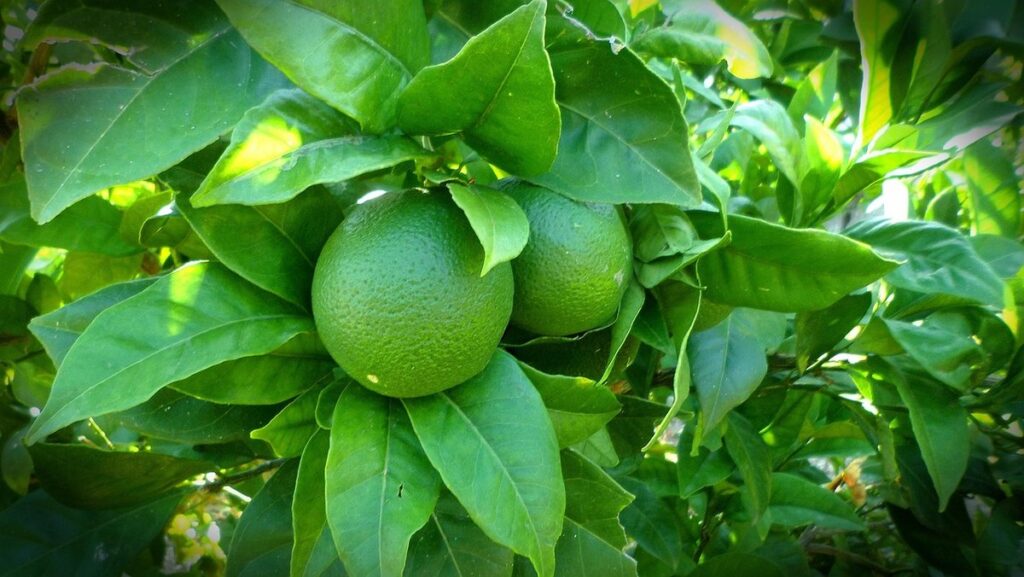
Understanding the Basics of Lemon Trees
To truly grasp the issue at hand, let’s take a closer look at how lemon trees typically grow and what their basic needs are. This will give us a solid foundation to diagnose any potential problems.
What Causes Yellow Leaves in Lemon Trees?
Yellow leaves on lemon trees can be a frustrating issue for even the most seasoned gardeners. But before you start applying remedies, it’s essential to understand what’s causing the problem. In most cases, yellow leaves are a symptom of an underlying issue rather than the root cause itself.
Common causes include nutrient deficiencies such as nitrogen or iron, which can hinder photosynthesis and lead to discoloration. Pests like aphids, whiteflies, and spider mites can also suck sap from the tree’s leaves, causing them to turn yellow. Fungal diseases like citrus canker or leaf spot can infect the tree, leading to yellowing leaves as it fights off the infection.
Environmental factors such as extreme temperatures, humidity fluctuations, or exposure to pollution can also stress the tree and cause yellow leaves. Proper diagnosis is crucial for effective treatment, so take a closer look at your lemon tree’s environment, monitor its condition regularly, and consider consulting with an expert if you’re unsure what’s causing the issue.
Check your soil pH level and adjust it if necessary. Ensure proper watering habits, as overwatering or underwatering can also lead to yellow leaves. By identifying and addressing the root cause of the problem, you’ll be well on your way to getting your lemon tree back to health.
Factors That Affect Lemon Tree Health
A healthy lemon tree is crucial for its optimal growth and productivity. However, several factors can affect its health, leading to issues like yellow leaves. Let’s dive into the key factors that impact lemon tree health.
Temperature fluctuations are a significant concern for lemon trees. Sudden changes in temperature can cause shock to the tree, resulting in yellow leaves. For example, if you live in an area with extreme temperatures, it’s essential to provide your lemon tree with some protection from these fluctuations.
Watering habits play a vital role in maintaining lemon tree health. Overwatering or underwatering can both lead to yellow leaves. Lemon trees prefer well-draining soil and should be watered regularly, especially during hot weather.
Pruning practices are also crucial for maintaining healthy growth. Prune your lemon tree annually to promote air circulation, prevent disease, and encourage fruit production. A good pruning practice includes removing any diseased or dead branches.
Soil quality is another critical factor in determining the health of your lemon tree. Lemon trees prefer slightly acidic soil with a pH between 6.0 and 6.5. Avoid using fertilizers that contain excessive amounts of nitrogen, as they can cause an overgrowth of leaves at the expense of fruit production. Instead, use a balanced fertilizer that promotes healthy growth.
Nutrient Deficiencies as a Cause of Yellow Leaves
One common reason for yellowing lemon tree leaves is a lack of essential nutrients, such as nitrogen, iron, or magnesium, that are crucial for healthy growth. Let’s take a closer look at how nutrient deficiencies can affect your tree.
Nitrogen Deficiency in Lemon Trees
Nitrogen is one of the most essential nutrients for plant growth, playing a crucial role in the development of healthy leaves, stems, and roots. It’s also responsible for producing chlorophyll, the green pigment that helps plants absorb sunlight for photosynthesis. Without adequate nitrogen, your lemon tree may start to show signs of deficiency, often manifesting as yellowing or pale leaves.
If you suspect a nitrogen deficiency in your lemon tree, look out for these common symptoms: stunted growth, reduced fruit production, and discolored leaves that may be more prone to disease and pests. Nitrogen-deficient trees may also exhibit curled or distorted leaves, particularly on the newer growth. To correct this issue, start by conducting a soil test to determine your tree’s current nitrogen levels.
To remedy nitrogen deficiencies, focus on providing your lemon tree with a balanced fertilizer rich in nitrogen (typically 10-20-10 NPK ratio). Follow these fertilization guidelines: apply a slow-release fertilizer during the growing season (spring-fall) at a rate of 1-2 cups per year for small trees and 3-4 cups for larger ones. For more severe deficiencies, consider adding compost or well-rotted manure to your soil to provide an immediate nitrogen boost.
Iron Deficiency: A Common Issue with Lemon Trees
Iron is an essential micronutrient for healthy plant development, particularly when it comes to photosynthesis and chlorophyll production. Without sufficient iron, plants can’t carry out these critical functions, leading to a range of issues including stunted growth, reduced yields, and discolored leaves.
One specific symptom associated with iron deficiency in lemon trees is interveinal chlorosis – a condition where the veins of the leaf remain green while the surrounding tissue turns yellow or white. This can be a telltale sign that your tree isn’t getting enough iron from its soil.
If you suspect an iron deficiency, here are some strategies to try:
Firstly, consider conducting a soil test to determine if there’s actually an issue with iron availability in the first place.
Next, amend the soil by adding an iron-rich fertilizer specifically formulated for citrus trees. You can also use compost or well-rotted manure as natural sources of iron.
Monitor your tree closely after treatment, and look out for signs that it’s responding to the changes – this might include new growth, improved coloration, or increased fruit production.
Pests and Diseases That Cause Yellow Leaves
If you’re seeing yellow leaves on your lemon tree, it’s possible that pests or diseases are to blame. Let’s explore some common culprits that might be causing the problem.
Common Pests That Attack Lemon Trees
Aphids, whiteflies, and mealybugs are some of the most common pests that attack lemon trees. These tiny insects can cause significant damage to your tree’s leaves, stems, and roots, leading to yellowing leaves and reduced fruit production.
Aphids, for instance, have a complex life cycle that involves multiple generations per year. They feed on sap, causing curled or distorted leaves, and can transmit plant viruses. Whiteflies, on the other hand, are attracted to lemon trees’ sweet, sticky sap and lay eggs in the tree’s crevices. Their larvae feed on the tree’s sap, sucking out nutrients and causing yellowing leaves.
Mealybugs, with their white, cottony coating, might look harmless but can cause significant damage. They secrete a sticky substance called honeydew, which attracts ants and promotes fungal growth, further weakening the tree. To control these pests, use organic methods like introducing beneficial insects, such as ladybugs or lacewings, to prey on them. Alternatively, spray your lemon tree with neem oil or insecticidal soap, making sure to cover all surfaces evenly. Regularly inspect your tree and remove any infested areas to prevent the spread of these pests.
Fungal Diseases Affecting Lemon Trees
Fungal diseases are a common threat to lemon trees, often manifesting as yellow leaves due to infection. Root rot is one such disease caused by fungi like Phytophthora and Pythium. These pathogens thrive in moist conditions, causing roots to decay and eventually leading to the death of the tree. Leaf spot, another prevalent fungal disease, affects younger leaves and produces circular or oval-shaped lesions with yellow or tan centers.
Citrus canker is a bacterial disease that causes lesions on lemon tree leaves, but also occurs due to fungal infections. It’s essential to differentiate between these diseases when choosing treatment options. To prevent fungal diseases, ensure your lemon tree receives good air circulation and avoid overwatering. Remove any infected branches to prevent the spread of disease.
When treating fungal infections, use a fungicide specifically designed for citrus trees. Regularly inspect your tree and treat it promptly to minimize damage. Maintaining a balanced nutrient supply also helps in preventing such diseases by promoting overall health.
Environmental Factors Contributing to Yellow Leaves
When it comes to identifying the root cause of yellow leaves on your lemon tree, environmental factors are often a key contributor. Let’s take a closer look at some common external influences that can impact your tree’s health.
Temperature Extremes: How They Affect Lemon Trees
Temperature fluctuations can be just as detrimental to lemon trees as they are to humans. When temperatures soar, lemon trees often suffer from heat stress, which can lead to yellowing leaves and decreased fruit production. Conversely, prolonged exposure to frost or cold temperatures can cause irreparable damage to the tree’s delicate leaves.
Heat stress occurs when the temperature exceeds 90°F (32°C), causing the tree’s cells to become dehydrated and its ability to regulate water loss impaired. This can lead to scorching of the leaves’ tips, wilting, and yellowing. To combat heat stress, make sure to provide your lemon tree with adequate moisture by watering deeply but infrequently.
Protect your tree from frost damage by bringing it indoors during extremely cold snaps or covering it with a sheet or tarp if you cannot move it. If you live in an area prone to frosts, consider planting a more tolerant variety of lemon tree.
Humidity Levels and Their Impact on Lemon Trees
Humidity levels play a crucial role in determining the health and well-being of your lemon tree. When humidity is too low, it can cause stress to the plant, making it more susceptible to disease and pests. One of the most significant issues with low humidity is the increased risk of fungal diseases such as root rot and leaf spot.
To put this into perspective, if your home’s relative humidity drops below 40%, you’ll likely notice a decline in your lemon tree’s growth rate and overall health. In contrast, maintaining optimal humidity levels between 50-60% will help promote healthy growth, including lush green leaves and plenty of fruit production.
So, how can you maintain the right balance? For indoor lemon trees, using a humidifier is often the most effective solution. You can also place the pot on a tray filled with water and pebbles to create a microclimate that maintains humidity levels. For outdoor trees, providing shade and ensuring adequate air circulation will help prevent moisture buildup.
Keep in mind that overwatering can exacerbate humidity-related issues. Be sure to monitor your tree’s watering needs carefully, as this is often the first step towards preventing yellow leaves caused by humidity imbalances.
Pruning and Grooming Practices for Healthy Lemon Trees
To keep your lemon tree thriving, it’s essential to develop a regular pruning and grooming routine that promotes healthy growth and prevents further yellow leaf issues. Proper care will boost your tree’s overall well-being.
Importance of Regular Pruning
Regular pruning is not just an essential practice for maintaining healthy lemon trees but also plays a significant role in preventing and managing yellow leaves. By removing dead, diseased, or damaged branches, you create an environment that fosters new growth, allowing the tree to focus its energy on producing fresh foliage.
To prune your lemon tree effectively, timing is crucial. The best time for pruning is during the dormant season, usually from late winter to early spring, as it minimizes stress on the tree. Avoid pruning during the active growing season, as this can trigger new growth that may be vulnerable to pests and diseases.
When it comes to tools, use sharp, clean pruning shears or loppers specifically designed for citrus trees. Cut just above a node (where a leaf meets the branch), at an angle of about 45 degrees, allowing water to run off. Remove any branches rubbing against each other, as this can cause damage and stress on the tree.
By incorporating regular pruning into your lemon tree care routine, you’ll be better equipped to manage yellow leaves and keep your tree thriving throughout the seasons.
Tips for Proper Watering Habits
Proper watering habits are essential for maintaining healthy lemon trees. When it comes to yellow leaves on lemon trees, overwatering and underwatering can be significant contributors to this issue. Overwatering can lead to root rot, while underwatering can cause stress, resulting in yellow or wilted leaves.
To avoid these problems, adjust your watering schedule based on climate and tree size. In hot and dry climates, lemon trees may require more frequent watering, whereas in cooler and humid environments, they might need less water. As a general rule of thumb, water your lemon tree when the top 2-3 inches of soil feel dry to the touch.
Keep in mind that younger trees (less than 2 years old) require more attention than mature ones. Younger trees may need watering every week or two, while older trees can go longer between waterings. Monitor your tree’s specific needs and adjust accordingly by checking the soil moisture regularly. Remember, it’s always better to err on the side of caution and underwater slightly rather than overwatering, which can lead to more severe problems down the line.
Preventative Measures for Healthy Lemon Trees
To keep your lemon tree thriving and yellow leaves at bay, it’s essential to establish good growing habits from the start. Regular pruning and fertilization can make all the difference in maintaining a healthy and vibrant tree.
Regular Monitoring and Maintenance
Regular inspections are crucial to catch issues before they escalate. Take a close look at your lemon tree’s leaves for signs of pests, diseases, or nutrient deficiencies. Check for tiny eggs, larvae, or actual insects on the underside of leaves. Be on the lookout for discoloration, white powdery patches, or black spots. If you notice any unusual growths or fungal infections, address them promptly to prevent further damage.
To maintain your lemon tree’s overall health, schedule regular maintenance tasks like fertilization and pruning. Fertilize your lemon tree during its active growing season (spring-fall) with a balanced fertilizer. This will provide essential nutrients for healthy growth and fruit production. Prune your tree annually to promote air circulation, remove diseased branches, and maintain shape.
For example, prune any branches that are damaged or diseased first, then thin out select areas to allow more sunlight penetration. Regular maintenance tasks can help you detect and prevent problems early on, ensuring a strong and resilient lemon tree that produces healthy leaves and fruit.
Soil Quality and Its Impact on Tree Health
Soil quality plays a crucial role in maintaining healthy lemon trees. When soil conditions are suboptimal, it can lead to a range of issues, including yellow leaves, reduced fruit production, and increased susceptibility to pests and diseases. This is because lemon trees derive essential nutrients from the soil, which in turn affects their overall growth and productivity.
To improve soil quality, you can start by testing your soil pH levels. Most citrus species prefer slightly acidic to neutral soil conditions, with a pH range of 6.0-7.0. If your soil is too alkaline or acidic, consider adding lime or sulfur to adjust the pH levels accordingly. Mulching around the tree base is another effective way to improve soil health.
Mulch helps retain moisture, suppress weeds, and regulate soil temperature. Organic mulches like pine straw, bark chips, or compost can also act as a slow-release fertilizer, providing essential nutrients to the tree. Aim to maintain a 2-3 inch layer of mulch around the tree’s drip line, keeping it a few inches away from the trunk. Regularly replenishing and rotating mulch types will help sustain soil health and support your lemon tree’s optimal growth.
Frequently Asked Questions
What should I do if I’ve identified a nutrient deficiency as the cause of my lemon tree’s yellow leaves?
To address a nutrient deficiency, you’ll need to determine which specific nutrients are lacking. Use a soil test kit or consult with a gardening expert to identify the issue. Then, apply a balanced fertilizer that addresses the deficiency, following the manufacturer’s instructions carefully.
Can I prevent yellow leaves on my lemon tree by simply pruning it regularly?
Pruning is an essential part of lemon tree care, but it won’t necessarily prevent yellow leaves caused by underlying issues like nutrient deficiencies or pests. Regular pruning can help promote healthy growth and encourage fruiting, but you’ll still need to address the root cause of the problem.
How do I know if my lemon tree has a fungal disease causing the yellow leaves?
Fungal diseases often produce characteristic symptoms such as black spots, powdery mildew, or a white, cottony coating on the leaves. Inspect your tree carefully for these signs and consider consulting with a gardening expert for confirmation. They may also recommend specific treatments to combat the disease.
Can I save my lemon tree if it’s been severely affected by pests or diseases?
In some cases, yes – prompt action can help recover your tree. For pest infestations, remove any infected leaves or branches, and treat with insecticidal soap or neem oil according to the product instructions. For fungal diseases, apply a fungicide specifically labeled for citrus trees, following all safety precautions.
What are some additional environmental factors that could be contributing to my lemon tree’s yellow leaves?
Apart from temperature extremes and humidity levels, other environmental factors can impact your lemon tree’s health. These include exposure to strong winds, soil pH imbalances, or nearby pollution sources. Regular monitoring of these factors will help you identify potential issues before they become severe problems for your tree.