
If you’re like many home winemakers or commercial growers, creating an effective grape trellis system is crucial for maximizing yield and quality. But with so many options available, it can be overwhelming to know where to start. Not only do you need to choose a design that meets your specific grape variety’s needs, but also select materials that are sustainable and durable.
In this article, we’ll take the guesswork out of building a grape trellis by providing expert advice on how to select, design, and build one that suits your needs. We’ll also delve into essential pruning techniques to ensure your vines remain healthy and productive throughout the growing season. Whether you’re just starting out or looking to refine your existing system, this guide will walk you through everything you need to know about grape trellis and pruning for optimal results.
Understanding Your Grape Variety’s Needs
When choosing a grape trellis, it’s essential to consider your specific grape variety’s needs and how they’ll impact its growth and production. Each type of grape has unique requirements that will influence your trellis design.
Section Introduction to Grape Varieties
As you begin planning your grape trellis, it’s essential to consider the specific needs of your grape variety. With over 10,000 known varieties worldwide, each has its unique characteristics and trellising requirements.
Some popular varieties like Chardonnay and Sauvignon Blanc tend to have a more upright growth habit and prefer a vertical trellis system with a higher cordon height (around 2-3 feet). This allows for better sunlight penetration and air circulation around the fruiting zone. On the other hand, compact varieties such as Merlot and Pinot Noir often thrive in a shorter trellis system (1-2 feet) to maximize space.
Understanding your grape variety’s growth pattern is crucial when designing your trellis. For example, red wine grapes like Cabernet Sauvignon and Syrah tend to be more vigorous and require more extensive pruning to control their growth. In contrast, white wine grapes like Riesling and Gewürztraminer are generally less vigorous but still need regular training to ensure proper fruit exposure.
When choosing your grape variety, consider the trellising requirements mentioned above to make informed decisions about your trellis design.
Identifying the Right Trellis System for Your Grapes
When it comes to selecting the perfect trellis system for your grapes, there are several options to consider. One popular choice is the high wire trellis, which features a single row of wires that support the grapevines. This system is ideal for varieties with vigorous growth habits and allows for easy access for harvesting and pruning.
Another option is the double curtain trellis, which consists of two rows of wires spaced evenly apart to create a more shaded environment. This type of trellis is suitable for varieties that prefer partial shade, such as Pinot Noir and Chardonnay. The Lyre system, on the other hand, features a curved or zig-zag pattern of wires that allow for better air circulation and sunlight penetration.
When choosing a trellis system, consider factors such as your grape variety’s growth habits, climate, and available space. Researching and selecting the right type of trellis can make all the difference in promoting healthy growth and maximizing yields. Consider consulting with a local nursery or viticulturist for specific recommendations tailored to your region and climate.
Designing and Building a Sustainable Grape Trellis
When designing your grape trellis, consider materials that are durable yet eco-friendly, such as recycled metal or sustainably sourced wood. This section will guide you through sustainable building options.
Planning Your Trellis Layout
When designing your grape trellis layout, several key factors come into play to ensure optimal growth and productivity. First and foremost, consider the sun exposure of your trellis location. Grapes generally require full sun to produce well, so choose a spot that receives at least 6 hours of direct sunlight per day.
Soil quality is also crucial in determining the success of your grape trellis. Well-draining soil with a pH between 5.5 and 6.5 is ideal for most grape varieties. If your soil lacks these characteristics, consider installing a raised bed or modifying the existing soil to create a suitable environment.
In addition to sun exposure and soil quality, also think about the layout itself. A trellis system can be as simple as two posts with wire, or it can be more complex, involving an entire framework of beams and wires. Consider how you’ll train your grapevines to grow up the trellis – will they be cordoned or espaliered? Planning ahead will save you time and effort in the long run.
For example, a simple T-shaped trellis can provide excellent support for younger vines, while more mature plants may require a more complex system.
Material Selection for Your Trellis
When it comes to selecting materials for your grape trellis, you have several options to consider. Traditional choices include wood and metal, while more sustainable alternatives like recycled plastic are gaining popularity.
Wooden trellises offer a natural look and feel, but may require periodic replacement due to rot or insect damage. Pressure-treated lumber can help extend the lifespan of wooden trellises. Metal trellises, on the other hand, provide durability and low maintenance, but can be more expensive upfront. Some gardeners opt for a combination of both materials for added strength.
Recycled plastic trellises have gained traction in recent years due to their eco-friendliness and long lifespan. They are often made from reclaimed plastic waste and can withstand harsh weather conditions without fading or warping. When choosing your material, consider factors such as durability, maintenance requirements, and budget constraints. If you’re looking for a sustainable option, recycled plastic may be the best choice.
Pruning Techniques for Grape Vines
Now that you’ve set up your perfect grape trellis, it’s time to learn how to prune your grape vines to promote healthy growth and maximize fruit production. We’ll walk through the best pruning techniques for a thriving vineyard.
Basic Pruning Principles
Pruning is an essential practice for grape vine growth and health. It encourages a strong framework, promotes fruit production, and helps maintain the overall shape of the plant. By removing dead, diseased, or damaged wood, you prevent the spread of diseases and encourage healthy cell division.
When pruning your grape vines, keep in mind that it’s not just about cutting off unwanted branches – it’s also about controlling the direction and balance of growth. Pruning helps train the vine to grow along the trellis system you’ve set up, which is why choosing the right trellis for your specific needs is crucial.
Some key things to remember when pruning: always make clean cuts using sharp tools, cut at a 45-degree angle just above a bud eye, and leave about one-third of the previous year’s growth intact. This will encourage new growth from the remaining buds and help maintain the vine’s structural integrity.
Pruning Tools and Safety Precautions
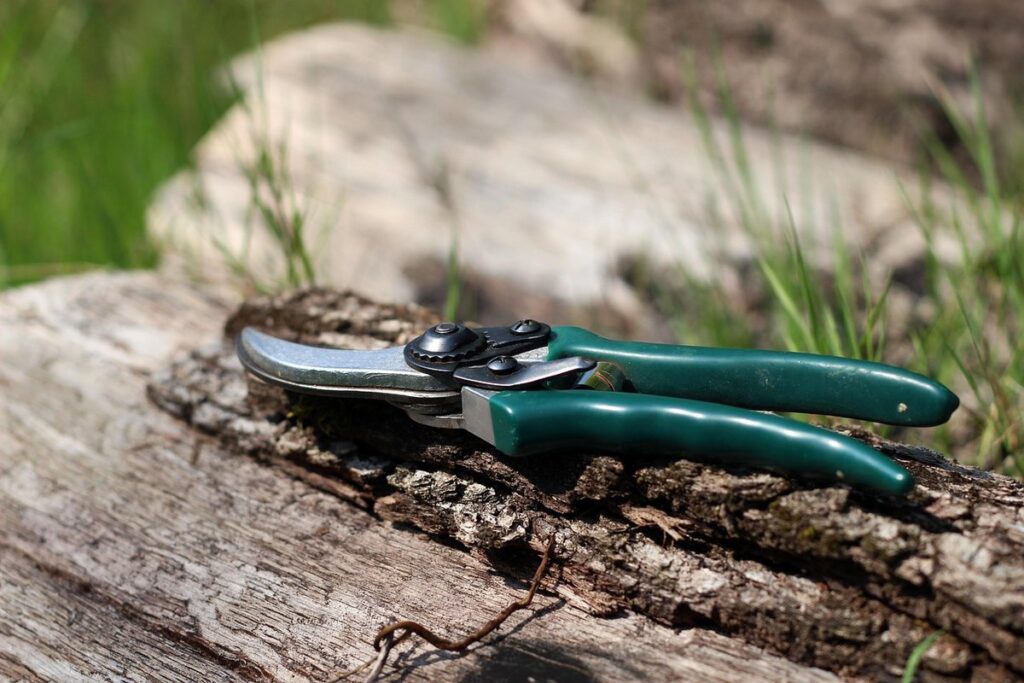
When it comes to pruning grape vines, having the right tools and taking necessary safety precautions are crucial for efficient and safe work. You’ll need a few essential items to get started: sharp hand pruners or loppers for smaller branches, a pruning saw for thicker cuts, and gloves to protect your hands from thorns and sap.
It’s also important to familiarize yourself with the tools’ proper use and maintenance. Regular sharpening of blades will ensure clean cuts and prevent crushing the vines. For instance, using dull pruners can lead to ripped bark and compromised plant health.
In terms of safety precautions, make sure to wear long sleeves and pants to protect your skin from thorns and sap, which can cause irritation or allergic reactions in some individuals. It’s also a good idea to work with a partner when pruning, especially if you’re new to the process, as having an extra pair of hands can help prevent accidents.
When handling sharp instruments, keep your fingers curled under and avoid reaching into tight spaces. If you do accidentally cut yourself, clean and disinfect the wound promptly to minimize risk of infection. By taking these precautions seriously and using the right tools, you’ll be well on your way to becoming a pro at pruning grape vines.
Advanced Pruning Techniques for Maximum Yield
When it comes to maximizing grape yields and quality, advanced pruning techniques come into play. These methods not only help control the vine’s growth but also promote healthy fruit production. One such technique is spur pruning, where the vine is pruned to a small number of fruiting spurs. This allows for better air circulation and sunlight penetration, reducing disease susceptibility.
Another method is the “double guyot” system, which involves cutting the cane to two buds above the previous year’s growth. This promotes a more even distribution of fruit and reduces shading between rows. Regular pruning sessions throughout the growing season will also help control vigor and direct energy towards fruit production.
To implement these techniques effectively, it’s essential to understand your grape variety’s specific needs and prune accordingly. For example, red wine varieties like Cabernet Sauvignon benefit from more severe pruning, while white wine varieties like Chardonnay require a lighter touch. Be sure to research the optimal pruning schedule for your specific cultivar.
Common Grape Trellis Mistakes to Avoid
As you’re building your grape trellis, it’s easy to overlook crucial details that can impact your vineyard’s success. Ignoring these common mistakes can lead to reduced yields and compromised plant health.
Poorly Planned or Built Trellises
When it comes to building a grape trellis, one of the most common mistakes is planning and constructing it poorly. This can lead to inadequate support systems for the vines, causing them to become overgrown, diseased, or even break off entirely.
A well-built trellis provides structural support to the vine’s weight, allowing air and sunlight to reach all parts of the plant. However, if the trellis is not sturdy enough, it can buckle under the weight of the vines, especially during heavy fruiting periods. This can be disastrous for your grape harvest.
Some common signs of poorly planned or built trellises include:
* Wires that are too far apart, allowing the vines to grow into each other
* Posts that are not securely anchored to the ground, causing the trellis to shift or topple over
* A lack of cross-bracing, which can cause the structure to become unstable and prone to collapse
To avoid these common mistakes, it’s essential to plan your trellis carefully before construction begins. Consider factors such as the mature size of your grapevine, the wind direction in your area, and the type of soil you have. By taking the time to do things right upfront, you’ll end up with a sturdy and functional trellis that will support your vines for years to come.
Neglecting Regular Maintenance
Neglecting regular maintenance of your grape trellis can have serious consequences on the health and productivity of your vines. Pruning is a crucial aspect of this maintenance, as it allows for better air circulation, sunlight penetration, and fruiting. Without regular pruning, your vines may become overgrown, leading to reduced yields and increased susceptibility to disease.
It’s essential to check the wire tension regularly to ensure that it remains at an optimal level. Over time, the wires can stretch or sag, causing the trellis to lose its shape and potentially damaging the supporting posts. To avoid this, inspect your trellis every 3-4 months and tighten any loose wires as needed.
In addition to pruning and wire tension checks, also keep an eye out for signs of wear on the trellis itself, such as rust or corrosion on metal components. Make repairs promptly to prevent further damage. By staying on top of regular maintenance tasks, you’ll be able to enjoy a healthy, thriving grapevine that produces abundant fruit year after year. Regular checks will also help extend the lifespan of your trellis, saving you money and hassle in the long run.
Inadequate Training and Support
When grape vines are not properly trained, it can lead to reduced yields and poor fruit quality. This is because untrained vines tend to grow more horizontally than vertically, resulting in a dense canopy that shades the fruiting wood. As a result, grapes may not receive adequate sunlight, leading to underripe or overripe fruits.
To avoid this issue, it’s essential to provide your grape vines with proper support and training from an early stage. This can be achieved by installing a well-designed trellis system that allows for easy pruning and management of the vine. Prune your vines regularly, removing any dead or diseased wood, and encourage vertical growth by tipping new shoots upwards.
Inadequate pruning can lead to a lack of air circulation within the canopy, making it more susceptible to diseases such as powdery mildew and downy mildew. By providing your grapes with adequate support and training, you can promote healthy growth, increase yields, and enjoy better fruit quality. Regular maintenance is key to preventing these problems from occurring in the first place.
Tips for Seasonal Grape Trellis Care
To keep your grape trellis healthy and thriving, it’s essential to provide regular seasonal care, including pruning and training techniques that promote strong growth. This section will walk you through these crucial steps.
Pre-Planting Preparations
Before planting new grapevines on your trellis system, it’s essential to ensure that the structure is clean and free from any diseases that may be detrimental to the health of your vines. Start by inspecting the trellis for any debris or dead plant material that may have accumulated over time. Remove any leaves, twigs, or other obstructions that could interfere with proper air circulation and sunlight penetration.
Next, disinfect the entire trellis system using a solution of 1 part bleach to 10 parts water. This will help eliminate any bacteria, fungi, or pests that may be lurking in the system. Use a soft-bristled brush to scrub away any stubborn stains or residue, making sure to rinse thoroughly with clean water.
It’s also crucial to check for any signs of wood rot or decay on the trellis posts and wires. If you find any damage, replace the affected areas promptly to prevent further deterioration. By taking these simple steps, you’ll be creating a clean slate for your new grapevines to thrive in optimal conditions.
Post-Harvest Maintenance
As you’ve enjoyed the bounty of your grape trellis’s harvest season, it’s essential to focus on post-harvest maintenance tasks. These efforts will not only keep your trellis healthy but also prepare it for next year’s growing season.
One crucial task is to remove any dead or diseased wood from the trellis. This step may seem daunting, especially if you’re unsure about what constitutes a diseased plant. Look for signs of fungal infections, black spots, or yellowing leaves – these are clear indicators that it’s time to prune. By removing affected areas, you prevent the spread of disease and encourage healthy growth.
Another critical task is pruning, which helps control the trellis’s shape, promote air circulation, and direct energy towards new growth. Prune in late winter or early spring, when the plant is dormant, as this allows for more significant cuts without causing shock to the system.
Regularly inspect your trellis for pests, such as aphids, spider mites, or scale insects, which can damage your plants if left unchecked. Monitor temperature fluctuations and adjust your trellis’s support system accordingly – ideally with sturdier stakes or a reinforced base – to withstand potential windstorms.
Troubleshooting Grape Trellis Issues
We’ve walked you through choosing and building your grape trellis, but what happens when things go wrong? Common issues and their solutions are outlined below.
Identifying Common Problems
As you work with your grape trellis, it’s inevitable to encounter some common issues that can affect its performance and longevity. Wire breakage is a frequent problem, often caused by heavy pruning, extreme weather conditions, or poor installation. To minimize this risk, ensure that the wire is properly anchored to sturdy posts and spaced correctly for optimal support.
Fungal infections are another common issue that can spread quickly through your trellis if not addressed promptly. These pesky microorganisms thrive in moist environments and can weaken your grapevine’s immune system. Regularly inspect your trellis for signs of fungal growth, such as white or black powdery spots on leaves.
To tackle wire breakage and prevent further damage, consider reinforcing weak areas with additional wire or replacing damaged sections entirely. For fungal infections, apply a fungicide specifically designed for grapevines, following the product’s instructions carefully to avoid harming your plants.
Solutions for Common Problems
When encountering common issues with grape trellises, it’s essential to have effective solutions up your sleeve. One frequent problem is damaged wires, which can compromise the entire structure. To repair a broken wire, start by identifying the source of the damage and gently twisting new wire around the existing one to secure it in place. Alternatively, you can replace the entire section with new wire, ensuring it’s properly tightened.
Another common issue is pest infestation, which can significantly impact grape yields. A proactive approach involves implementing integrated pest management strategies. This might involve using physical barriers to prevent pests from reaching your vines, introducing beneficial insects that prey on these pests, or applying targeted pesticides only when necessary. For instance, if you’re dealing with aphid infestations, consider introducing ladybugs or lacewings into the area.
Regular inspections and prompt action can go a long way in preventing issues before they escalate. By staying vigilant and having a plan for common problems, you’ll be well-equipped to maintain a healthy and productive grape trellis system.
Frequently Asked Questions
Can I reuse an old grape trellis design for a new grape variety?
Yes, you can adapt an existing trellis design to accommodate a different grape variety, but it’s essential to research the specific needs of your new variety and adjust the design accordingly. This might involve modifying the spacing between vines or changing the type of training system used.
How often should I inspect my grape trellis for signs of wear and tear?
Regular inspections are crucial to ensuring the longevity of your grape trellis. Schedule at least two inspections per year, once before budbreak and again after harvest, to check for any damage or wear on wires, posts, and other components.
What are some common mistakes beginners make when building a grape trellis?
Beginners often overlook the importance of proper drainage, leading to waterlogged soil and potential disease issues. Another common mistake is using materials that are too lightweight or prone to rot, compromising the structure’s stability over time.
Can I use a grape trellis for other types of vines or plants?
While grape trellises can be adapted for other climbing plants like kiwis or passionfruits, it’s not recommended to mix different types of vegetation on the same trellis system. This is because each plant has unique requirements and may compete with others for resources.
What are some essential tools I’ll need for pruning my grape vines?
You’ll require a combination of manual and mechanical tools, including loppers, pruning shears, and a pruning saw. It’s also crucial to invest in gloves and protective eyewear to ensure your safety during the pruning process.