
Are you tired of having a sad, leggy herb garden? Do you dream of lush, full plants that produce an abundance of fresh herbs all season long? Pruning is key to achieving bushy growth and maximum yields in your herb garden. By learning how to prune your herbs correctly, you can encourage healthy new growth, prevent disease, and enjoy a bountiful harvest. In this article, we’ll share our top tips and tricks for pruning herbs like a pro. From the best tools to use to the techniques that work wonders, we’ll cover it all. By the end of this post, you’ll be equipped with everything you need to take your herb garden from lackluster to lush, and enjoy fresh herbs right in your own backyard.
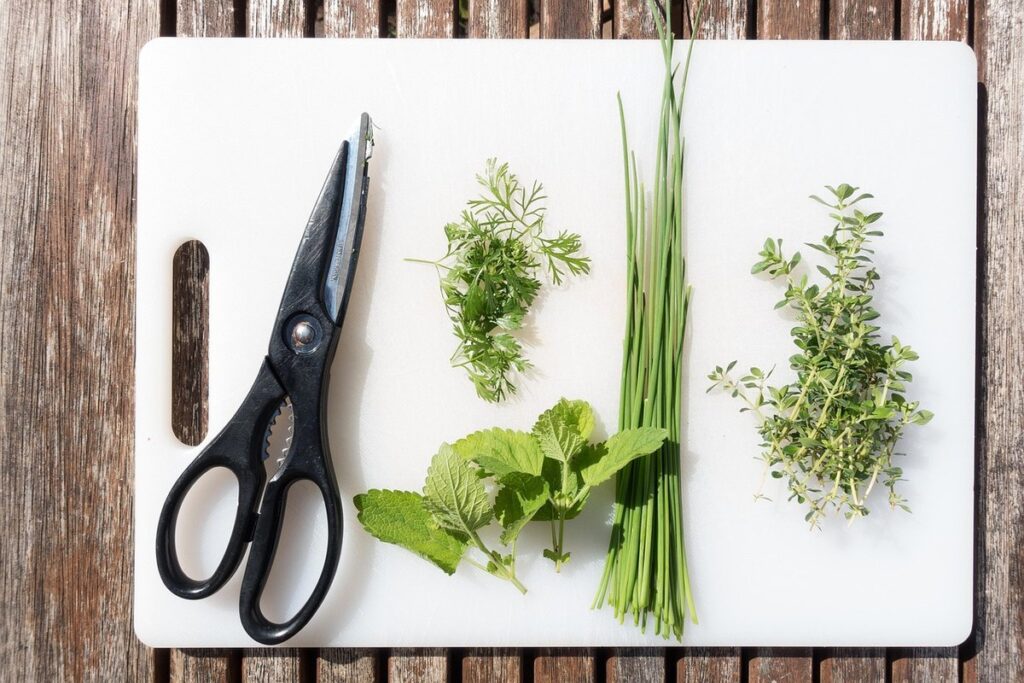
Understanding Herb Pruning
To achieve bushy growth, it’s essential to understand how to prune your herbs correctly. This involves learning which techniques and tools work best for various types of herb plants.
What is Herb Pruning?
So, what exactly is herb pruning? In simple terms, it’s the process of selectively cutting back and shaping herbs to encourage bushy growth. Unlike regular trimming, which focuses on maintaining a specific size or appearance, pruning for bushy growth aims to stimulate new stem production and increase leaf density.
When done correctly, pruning can actually promote healthier plants with more vigorous growth. By removing select stems and branches, you’re allowing the plant’s energy to focus on producing new growth rather than just maintaining its existing form. Think of it like a haircut – regular trimming keeps your herbs looking tidy, but pruning for bushy growth gives them a fresh start.
To prune effectively, look for areas where the stem is getting leggy or the leaves are becoming sparse. Cut these back to about one-third to one-half of their original length, making sure to leave at least two sets of leaves on each stem. This will give your herbs the signal to produce new growth, resulting in a fuller, more compact plant with plenty of fresh flavor and fragrance.
Benefits of Regular Pruning
Regular pruning of herbs is essential to maintain their health and promote bushy growth. One of the primary benefits of regular pruning is improved air circulation around the plant. When herbs are pruned regularly, it encourages new growth and promotes the development of a dense canopy, which in turn allows for better airflow. This reduced humidity prevents fungal diseases from taking hold, making your herb plants more resilient to common issues like powdery mildew.
Regular pruning also increases yields by stimulating the plant to produce more leaves and stems. By removing old or damaged growth, you encourage the plant to focus its energy on producing new growth, which can lead to a greater harvest of fresh herbs. For example, basil is a herb that benefits significantly from regular pruning. Pruning it back every few weeks encourages bushy growth, increases yields, and prevents the plant from flowering prematurely.
Reducing disease susceptibility through pruning also helps you avoid having to treat your plants with fungicides or other chemicals. Regularly pruning your herbs will help maintain their overall health and encourage them to grow more robustly.
Preparing for Pruning
Before you start pruning, make sure you have all the right tools and a solid understanding of how to cut your herbs effectively without causing damage. Gather your scissors, clippers, and gloves to begin the process.
Choosing the Right Tools
When it comes to pruning herbs for bushy growth, having the right tools can make all the difference. You’ll want to invest in a few essential items that will help you achieve healthy, full plants.
First and foremost, you’ll need a good pair of scissors or pruning shears. These are perfect for trimming delicate herbs like basil, rosemary, and thyme. Look for sharp blades that can cut through thick stems without crushing the leaves. Some popular options include Felco F-2 or Fiskars Softouch Pruning Shears.
For thicker branches and woody stems, you’ll need loppers. These are longer-handled shears with curved blades that allow you to make clean cuts up to 1 inch in diameter. Choose a pair with comfortable grips and sharp blades for easy cutting. Some popular options include Fiskars PowerGear2 or Corona Lopper.
When selecting the right tool, consider the size of your herbs and the type of pruning you’ll be doing most often. If you’re working with small stems, scissors may be all you need. But if you’re tackling thicker branches or larger plants, loppers will be a better choice. Remember to always clean and disinfect your tools between uses to prevent the spread of disease.
Timing Your Prune
Pruning herbs at the right time is crucial to encourage bushy growth and prevent legginess. As you plan for pruning, consider the plant’s maturity level. For most herb plants, it’s best to prune them when they’re about half their mature size. This allows you to shape the plant while still allowing it to develop its full potential.
Seasonality also plays a significant role in timing your prune. For example, basil and mint are warm-season crops that thrive during the growing season (spring-fall). Prune these herbs regularly throughout the summer months to maintain their compact growth. On the other hand, cool-season herbs like parsley and cilantro are best pruned in the fall or early spring when they’re about 6-8 inches tall.
Keep an eye on your herb plants’ growth patterns as well. For example, rosemary grows relatively slow in the winter months but accelerates in the spring. Prune it during its dormant season to control its size and encourage bushy growth. By considering these factors, you can prune your herbs effectively and promote healthy, compact growth that will keep them thriving throughout the growing season.
Techniques for Bushy Growth
To achieve that lush, full look, let’s dive into some of our favorite techniques for encouraging bushy growth in your herbs. From pinching to pruning, we’ll cover it all.
Tip Pruning
When it comes to promoting bushy growth on herbs, tip pruning is an effective technique that encourages branching and fuller plants. To start, you’ll want to identify the terminal buds on your herb stems – these are the small swellings at the end of each stem where new growth begins. Removing these terminal buds, also known as pinching or topping, triggers a response in the plant that stimulates it to produce more lateral shoots.
This process is similar to what happens naturally when you prune off flower buds to direct the plant’s energy towards vegetative growth – instead of producing flowers and seeds, your herb will focus on developing leafy stems. By removing the terminal buds, you’re essentially telling your plant to grow wider rather than taller. This not only makes for a fuller, more bushy appearance but also increases air circulation around the leaves, reducing the risk of disease.
To tip prune successfully, simply snip off about one-third to one-half of each stem just above a node – this is where the leaf meets the stem. You can use scissors or pinch with your fingers to remove these terminal buds.
Reducing Stem Length
Reducing stem length is an essential technique to encourage bushy growth in herbs. When stems grow too long, they start to dominate the plant, suppressing lateral growth and creating a tall, leggy appearance. This is known as apical dominance, where the terminal bud at the top of the stem produces hormones that inhibit the growth of lower buds.
To break this cycle and promote bushy growth, you need to reduce the length of your herb stems. Prune the tips of the longest stems back by about one-third to half their length. This will not only control the plant’s height but also encourage lateral branching. For example, if you’re growing a basil plant with long, leggy stems, pruning them back to about 6 inches from the top will stimulate new growth and produce more side shoots.
When reducing stem length, make sure to remove any weak or spindly growth to prevent the plant from putting energy into producing weak branches. Also, be cautious not to prune too much at once, as this can shock the plant and lead to disease. A gentle approach will yield better results in the long run.
Pinching Out
When it comes to promoting bushy growth in herbs, pinching out is a crucial technique that helps control the plant’s energy and direct its focus on developing a robust branch structure. This process involves removing the growing points of the stem, usually the top tips or meristematic areas, to encourage branching and prevent the plant from becoming leggy.
To pinch out your herbs effectively, you’ll need a pair of clean scissors or pruning shears. Locate the growing point of the stem, typically marked by a small swelling or a cluster of leaves. Gently snip off the top inch or so of growth, making sure to remove any developing flowers or buds. This will not only encourage branching but also prevent the plant from devoting too much energy to producing tall, spindly stems.
By pinching out your herbs regularly, usually every 1-2 weeks, you’ll be able to maintain a bushy shape and promote even growth throughout the plant. For example, if you’re growing basil, regular pinching will encourage it to produce multiple side shoots and prevent it from flowering prematurely.
Pruning for Specific Herb Types
For specific herbs like mint, lemongrass, and rosemary, pruning is crucial to maintain their compact growth and prevent them from becoming leggy. We’ll cover special pruning tips for these popular herb varieties in this section.
Leafy Herbs (Basil, Cilantro, etc.)
When it comes to leafy herbs like basil and cilantro, pruning plays a crucial role in promoting bushy growth. These herbs are notorious for their tendency to become leggy and lose their flavor when they’re not pruned regularly.
To encourage leaf growth and reduce stem length, start by pinching off the tip of the tallest stem on your herb plant. This will stimulate branching and promote a fuller appearance. Next, trim back any long stems to about half their length. This will help control the height of the plant and direct more energy towards producing new leaves.
Regular pruning also helps prevent leafy herbs from flowering prematurely. When they’re not pruned regularly, these plants can go to seed, which can lead to a decrease in flavor and aroma. To prevent this, simply remove any flower buds as soon as you notice them. By following these simple pruning techniques, you’ll be able to enjoy a continuous supply of fresh leaves from your leafy herb plants.
Woody Herbs (Rosemary, Thyme, etc.)
Woody herbs like rosemary and thyme can quickly become leggy and unruly if not pruned regularly. Their woody stems can be difficult to shape, but with the right techniques, you can control their height and width. The key is to prune these herbs on a regular basis to encourage bushy growth.
Pruning woody herbs helps to promote new growth from the base of the plant, rather than just encouraging it to grow taller. To do this, cut back the longest stems by about one-third in late winter or early spring. This will help to control the height and encourage more lateral growth. You can also pinch out the tips of woody herbs to prevent them from becoming too leggy.
Another important aspect of pruning woody herbs is to remove any dead or damaged wood. This not only keeps your plants looking their best, but it also helps to prevent the spread of disease. Simply snip off any affected areas with a pair of clean, sharp scissors or pruners.
Common Mistakes to Avoid
When pruning herbs for bushy growth, it’s easy to make mistakes that can actually do more harm than good. Let’s take a closer look at some of these common pitfalls.
Over-Pruning
Over-pruning is one of the most common mistakes gardeners make when trying to encourage bushy growth in their herbs. While it’s true that pruning can help control shape and promote healthy growth, overdoing it can have serious consequences for your plants.
When you prune too much of an herb plant, you’re essentially causing unnecessary stress to the plant. This can lead to a weakened immune system, making it more susceptible to diseases and pests. In extreme cases, over-pruning can even cause irreparable damage or even kill the plant altogether. On top of this, excessive pruning will reduce yields, as the plant may not have enough energy to produce new growth.
To avoid over-pruning, start by taking a step back and examining your herb plants regularly. Pinch off the tips of stems that are growing too leggy, but leave at least one-third of the foliage intact. This will allow the plant to focus its energy on producing new growth rather than constantly trying to recover from excessive pruning. By being mindful of how much you prune and when, you can promote healthy, bushy growth without stressing out your herbs.
Under-Pruning
Under-pruning can have serious consequences on your herb plants’ health and bushy growth. When you don’t prune enough, your herbs become more vulnerable to diseases. Poor air circulation around the plant is one of the main reasons for this susceptibility. As the leaves grow larger and closer together, they trap moisture and create a humid microclimate that fosters fungal growth.
This is particularly true for herbs like mint, basil, and lemongrass that are prone to fungal infections. If left unpruned, these plants can quickly become overwhelmed by disease-causing pathogens. The result is often a weakened plant with fewer leaves and a reduced capacity for photosynthesis.
To avoid under-pruning, inspect your herb plants regularly for signs of disease or pests. Remove any affected areas promptly to prevent the spread of infection. This will also give you an opportunity to assess the overall health of your plant and determine how much pruning is needed to maintain its bushy growth while preventing disease susceptibility.
Conclusion and Next Steps
Now that you’ve learned how to prune herbs for bushy growth, it’s time to put these techniques into practice and enjoy your thriving herb garden. Let’s take a look at what to do next.
Recap of Key Points
When pruning herbs to promote bushy growth, it’s essential to keep in mind that regular maintenance is key. This means trimming and shaping your plants on a consistent basis to encourage healthy development and prevent legginess.
To recap, we’ve discussed the importance of pinching off new growth to stimulate branching, using clean and sharp tools for pruning, and removing dead or dying leaves to maintain plant health. We’ve also talked about how to identify the right time for pruning based on your herb’s specific needs and growth habits.
For example, basil typically benefits from more frequent pruning than mint or rosemary. By keeping a close eye on your herbs’ progress and adjusting your pruning schedule accordingly, you’ll be able to enjoy lush, full plants that continue to thrive throughout the growing season. Remember, regular pruning is an ongoing process, but with practice, you’ll develop a keen sense of when and how to prune for optimal results.
Tips for Continued Success
To maintain the luscious, bushy growth you’ve achieved through regular pruning, it’s essential to make ongoing care and maintenance a habit. Here are some final tips to keep your herbs thriving:
Prune regularly: While we’ve established that over-pruning can be detrimental, regular maintenance pruning is crucial for continued health and bushiness. Aim to prune your herbs every 1-2 weeks during the growing season.
Monitor light and temperature: Most herbs require bright, direct sunlight to photosynthesize and grow bushy. Be mindful of temperature fluctuations, too – most herbs prefer daytime temperatures between 65-75°F (18-24°C).
Provide adequate water and nutrients: Herbs need consistent moisture, but overwatering can lead to root rot and other issues. Ensure your plants are getting the right balance of water and nutrients by using a balanced fertilizer.
Watch for pests and diseases: Regularly inspect your herbs for signs of pests or diseases, such as aphids, whiteflies, or powdery mildew. Catch these issues early on to prevent them from spreading and causing further damage.
Frequently Asked Questions
How Do I Know When My Herb Plants Need Pruning?
When done correctly, pruning can promote healthier plants with more vigorous growth. To determine if your herb plants need pruning, look for signs of overgrowth or thinning. Check the plant’s appearance and feel for any weak or leggy stems that may be taking away from the overall density.
Can I Prune My Herbs at Any Time, or Is There a Specific Timing?
The best time to prune herbs depends on the type of herb and its growth stage. Generally, pruning is most effective when done during the plant’s active growing season. For leafy herbs like basil and cilantro, prune regularly throughout the summer months for continuous production.
How Can I Avoid Over-Pruning My Herbs?
Over-pruning can lead to weakened plants that are more susceptible to disease and pests. To avoid over-pruning, take only 1/3 of the plant’s growth at a time, leaving enough foliage to continue photosynthesis. Also, prune in small sections, focusing on weak or damaged areas first.
Can I Prune My Herbs by Cutting Back Entire Stems, or Should I Pinch Out Individual Leaves?
Cutting back entire stems can be effective for promoting bushy growth, but it may require more maintenance. For smaller herbs like thyme and rosemary, pinching out individual leaves is often sufficient to control shape and promote density.
What If I Notice Pests or Diseases After Pruning My Herbs? Should I Use Chemicals?
If you notice pests or diseases after pruning your herbs, try addressing the issue organically before resorting to chemicals. This might involve removing infected areas, increasing air circulation, or using natural pest control methods like neem oil or insecticidal soap.