
Identifying weeds can be a daunting task, especially when they resemble edible plants. Plantain weed is one such example that often gets mistaken for its harmless counterpart. To avoid accidentally cultivating or consuming plantain weed, it’s essential to learn how to identify it accurately.
In this article, we’ll delve into the characteristics of plantain weed, exploring its growth habits and unique features that set it apart from other plants. By understanding what to look out for, you can confidently distinguish between plantain weed and similar-looking plants. We’ll also discuss why proper identification is crucial, as some weeds can cause skin irritation or allergic reactions. With this guide, you’ll be equipped with the knowledge necessary to tackle those pesky weeds in your garden and take control of unwanted growth.
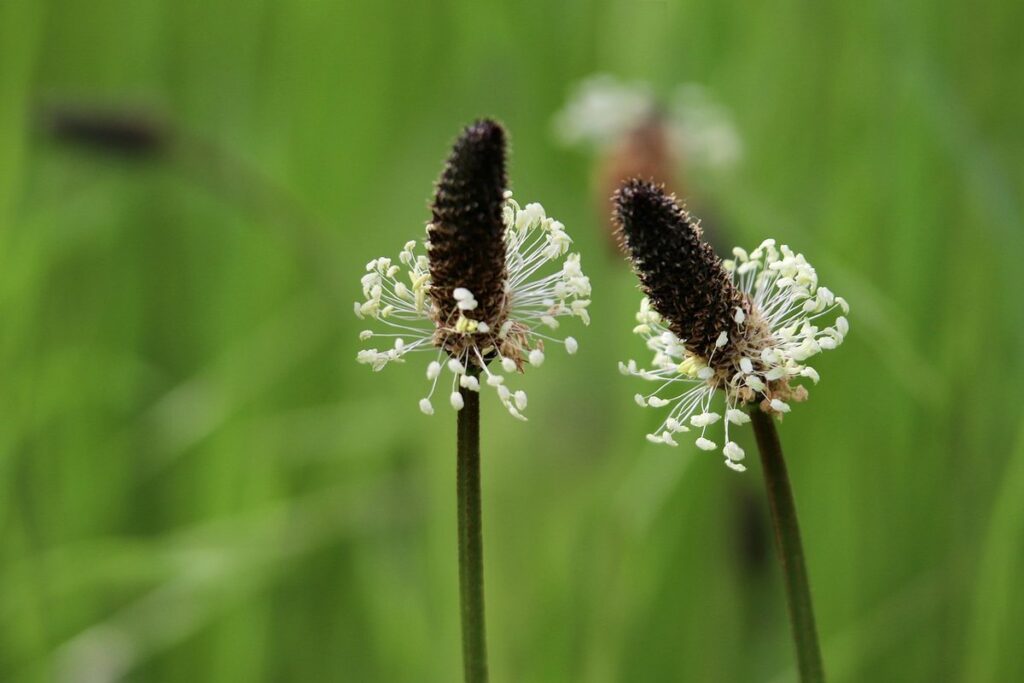
Understanding Plantain Weed
Plantain weed is often mistaken for a harmless plant, but understanding its unique characteristics and habits is crucial for effective identification. Here’s what you need to know about this sneaky weed.
Characteristics and Appearance
Plantain weed is easily recognizable due to its distinctive leaf shape and size. The leaves are typically 4-12 inches long and 2-5 inches wide, with a pointed tip and coarsely toothed edges. They have a waxy texture and can range in color from light green to dark green or even purple on the underside.
When observing plantain weed growth habits, you’ll notice it tends to grow upright, often reaching heights of 6-18 inches. The stem is typically unbranched, but may produce small clusters of flowers at the top in late spring. Plantain weeds can spread quickly through underground rhizomes, making them a challenging invasive species to eradicate.
When trying to identify plantain weed, pay attention to the base of the leaf, where you’ll often find a distinct sheath that wraps around the stem. This characteristic is unique to plantain and can be a valuable clue for identification purposes.
Habitat and Distribution
Plantain weed is a common and widespread species that can be found in various environments around the world. When it comes to habitat and distribution, plantain weed thrives in areas with rich soil and ample moisture. It commonly grows in lawns, gardens, and along roadsides, where it can spread quickly through its underground rhizomes.
In terms of soil types, plantain weed prefers fertile, moist soils with a pH between 6.0 and 7.0. It can tolerate a wide range of conditions, but it tends to do best in areas with high organic matter content. This is why it’s often found in gardens and lawns that have received regular fertilization or compost applications.
In terms of climate preferences, plantain weed is a hardy species that can grow in a variety of temperatures and humidity levels. It’s commonly found in temperate regions with mild winters and cool summers. However, it can also be found in warmer climates, where it may require more frequent mowing to control its spread.
Keep an eye out for plantain weed in areas with poor drainage or where water tends to collect. This is a prime location for the weed to take hold and spread quickly.
Similar Looking Plants
When identifying plantain weed, it’s not uncommon for gardeners and foragers to mistake it for other plants that share similar characteristics. Some of the most common lookalikes include dandelion, chicory, and wild garlic. These plants are often found growing together, which can make accurate identification even more challenging.
One key difference between plantain weed and its lookalikes is the shape and arrangement of its leaves. Plantain leaves are typically longer and narrower than those of dandelion or chicory, with a pointed tip at the end. The leaves also grow in a basal rosette pattern, meaning they grow directly from the center of the plant.
Another distinguishing feature is the color and texture of the leaves. While all three plants have green, lance-shaped leaves, plantain weed has a more rigid texture and a distinctive sheen to its leaves. In contrast, dandelion and chicory leaves are often fuzzy or covered in fine hairs.
If you’re unsure about the identity of a particular plant, take a closer look at the shape and arrangement of its leaves, as well as any flowers that may be present. By paying attention to these details, you can confidently identify plantain weed and avoid confusion with similar-looking plants.
Identifying Plantain Weed through Leaves
When it comes to identifying plantain weed, one of the easiest ways is by taking a close look at its leaves. Pay attention to their shape and texture for distinctive features that will help you tell this weed apart from other plants.
Leaf Shape and Size
When it comes to identifying plantain weed, taking note of its leaf shape and size is crucial. Plantain leaves are typically 4-12 inches long and 2-6 inches wide, with a pointed tip at the end. They have a deep green color on top and a lighter green or sometimes white underside.
The leaves can be ovate or lance-shaped, with smooth margins that are flat or slightly wavy. In some cases, the leaf edges may be serrated, especially towards the base of the plant. The veins on the leaf are usually prominent, running parallel to each other in a distinctive pattern.
It’s worth noting that young plantain leaves tend to be smaller and more rounded, while mature leaves can become larger and more pointed. Also, the arrangement of leaves on the stem is key – they grow alternately along the stem, with each new leaf emerging from the axil (the joint between the leaf and the stem). This unique growth pattern can help you identify plantain weed in the field or garden.
Margins and Veins
When examining the leaves of a potential plantain weed, pay close attention to the margins (edges) and veins. The margins can be an important distinguishing feature between plantain and other lookalike weeds.
Observe whether the margins are entire or have small teeth-like structures along their edges. Plantain leaves typically have smooth margins with no visible serrations or lobes. In contrast, certain other weed species may display more complex or jagged margins that can be a giveaway for non-plantain identification.
The veins on plantain leaves are also notable features to examine. Typically, the central vein is prominent and runs along the length of the leaf, with smaller secondary veins branching off from it in a ladder-like pattern. The overall venation pattern can help confirm whether you’re looking at a true plantain weed or something else entirely.
When inspecting the leaves, note any deviations from these characteristic patterns – this may indicate the presence of another weed species altogether.
Other Leaf Characteristics
In addition to their unique shape and arrangement, plantain weed leaves also exhibit some other notable characteristics that can aid in identification. The texture of the leaves is typically a key identifier, as they are often velvety to the touch due to fine hairs covering the surface. This soft, fuzzy sensation can be a giveaway when handling the plant.
The color of plantain weed leaves is usually a deep green on top, while the underside may appear lighter or have a reddish tint. It’s not uncommon for younger leaves to display a purplish hue, which gradually fades as they mature. Keep in mind that environmental factors like soil quality and exposure to sunlight can influence leaf coloration.
Some plantain weed species may also feature noticeable patterns on their leaves, such as streaks or mottling. These markings can range from thin, wispy lines to more prominent blotches, adding another layer of complexity to the identification process. When examining the leaves closely, look for any irregularities in shape, size, or color that might set them apart from other weeds.
Identifying Plantain Weed through Flowers
When examining plantain weed, its flowers can be a key identifier. Take a closer look at these tiny blooms to confirm your suspicions of an unwanted growth in your garden.
Flower Structure and Color
When examining plantain weed flowers, you’ll notice they are relatively small, measuring about 1/4 inch long. The blooms are typically greenish-white to purple in color, often with a hint of pink. They have two petals that are fused together at the base and form a tube-like shape. This unique structure is one reason plantain weed can be mistaken for other weeds or even wildflowers.
The arrangement of flowers on the stem is another identifying feature. Plantain weed produces small clusters of blooms along the upper part of the stem, often with only a few visible flowers at any given time. The clusters are usually spaced about 2-4 inches apart. As you observe plantain weed in different growth stages and environments, keep an eye out for this distinct flower arrangement. To accurately identify plantain weed, it’s essential to consider its flowers within the broader context of the plant’s overall appearance.
Reproductive Cycle
To understand plantain weed’s life cycle, it’s essential to grasp its reproductive habits. Plantain weed reproduces through a process called “cleistogamy,” where flowers self-pollinate without opening. This adaptation allows the plant to thrive in areas with limited pollinator activity.
When plantain weed produces seeds, they are dispersed by wind or water. The seed pods burst open at maturity, releasing numerous small seeds that can spread far and wide. This mechanism enables the plant to quickly colonize new areas and adapt to changing environments.
As a forager or gardener, understanding this reproductive cycle is crucial in controlling its spread. Regular removal of mature seed heads can significantly reduce plantain weed’s ability to produce offspring. Additionally, planting competing species that outcompete plantain weed for resources can also help prevent its proliferation. By being aware of plantain weed’s unique reproductive traits, you’ll be better equipped to manage its growth and minimize its impact on your surroundings.
Specialized Features
When examining plantain weed flowers closely, you’ll notice some distinctive features that can significantly aid in identification. One of the most notable characteristics is the presence of a long, narrow spur on the lower lip of each petal. This spur is usually around 3-4 times longer than the upper part of the corolla and has an almost tube-like shape.
Another crucial feature to look for is the cluster of stamens that protrude from the flower’s center. These stamens are typically pinkish in color, giving them a slightly visible appearance amidst the white or greenish hue of the petals. Keep in mind that this characteristic might be less pronounced in some specimens due to environmental factors.
In addition to these characteristics, plantain weed flowers tend to grow in clusters or umbels from a central stem. The stems are typically slender and may reach lengths of up to 2 feet, allowing the clusters to appear quite prominent against surrounding foliage.
Plantain Weed Growth Habits
To identify plantain weed effectively, it helps to know how it grows and develops its distinctive appearance over time. Let’s take a closer look at plantain’s growth habits now.
Stems and Roots
When it comes to understanding plantain weed growth habits, one of the key factors is its stem and root development. The stems of plantain weeds are typically thick and fleshy, often between 1/4 inch to 1/2 inch in diameter. This thickness helps the plant to support its own weight and withstand environmental stressors like wind and rain.
As for the roots, plantain weeds have a deep taproot that can extend several feet underground, allowing them to access water and nutrients more efficiently than other plants. In fact, some studies have shown that plantain roots can grow up to 6-8 inches deep in just a few weeks. This extensive root system also enables the plant to regrow new shoots even after being partially or completely removed.
When identifying plantain weeds, take note of their stem and root characteristics. Look for thick, fleshy stems and taproots that seem to go on forever. Keep in mind that these traits can be influenced by factors like soil quality and moisture levels, but they are generally indicative of a mature plantain weed.
Life Cycle
The life cycle of plantain weed is a complex process that allows it to quickly colonize and spread in various environments. It begins with germination, where seeds sprout into seedlings within 1-2 weeks after sowing. These initial plants grow rapidly during the vegetative stage, developing large, flat leaves that can reach up to 12 inches in length.
During this phase, plantain weed often forms a rosette-like structure at the base of its stem, which helps to store water and nutrients for future growth. As the plant grows taller, it starts producing small white flowers that are clustered around the leaf axils. These flowers eventually give way to seed production, allowing the cycle to repeat itself.
Understanding this life cycle is crucial for effective management. For example, controlling plantain weed during its vegetative stage can prevent the spread of seeds and reduce future infestations. Moreover, recognizing the different growth stages can help you choose the most suitable control methods, such as herbicides or physical removal, to prevent further damage to your lawn or garden.
Adaptations and Defenses
Plantain weed has developed several adaptations and defense mechanisms to ensure its survival in various environments. One of its primary strategies is producing large numbers of seeds, which allows it to quickly colonize new areas. This weed can produce up to 1,000 seeds per plant, ensuring a high probability of survival even if some individuals are eliminated by herbicides or other means.
In addition to seed production, plantain weed has developed a robust root system that enables it to absorb water and nutrients from the soil efficiently. This adaptation allows it to thrive in areas with poor soil quality and withstand drought conditions. Plantain weed also has a unique ability to grow new shoots from its roots, making it difficult to eradicate completely.
As an invasive species, plantain weed has learned to adapt to various environments, including lawns, gardens, and even woodland areas. Homeowners often struggle to control its growth due to these adaptations. However, with the right approach, including proper identification and targeted herbicide application, it is possible to manage plantain weed effectively.
Distinguishing Plantain Weed from Other Plants
When identifying plantain weed, it’s essential to know how to distinguish it from other similar-looking plants that might be growing in your garden. This section will guide you through the key characteristics to look for.
Common Misidentifications
One of the most significant challenges when it comes to identifying plantain weed is distinguishing it from other plants that share similar characteristics. As a result, it’s essential to be aware of the common misidentifications that can lead to confusion.
Plantago lanceolata (lance-leaved plantain) is often mistaken for true plantain weed due to its similar appearance. However, plantago lanceolata has narrower leaves with pointed tips and lacks the distinctive midrib found on true plantain. It’s also more tolerant of shade than true plantain, making it a common sight in woodland areas.
Another plant that can be easily confused with plantain weed is buckhorn plantain (Plantago coronopus). While they share similar leaf shapes, buckhorn plantain has leaves that are thicker and waxy to the touch. It also produces small white flowers along its stem, which true plantain lacks.
To accurately identify plantain weed, it’s crucial to examine the leaves carefully and note any distinctive features such as the midrib or flower production. By doing so, you can confidently rule out common misidentifications like lance-leaved plantain or buckhorn plantain.
Unique Features of Plantain Weed
When it comes to confirming a plantain weed identification, several unique features can be telling. One of the most distinctive characteristics is the shape and arrangement of its leaves. Plantain leaves are typically oval-shaped with pointed tips and hairless veins that radiate from the base of the leaf. They’re also arranged in an alternate pattern along the stem.
Another key feature to look for is the plant’s growth habit. Plantain weed tends to grow close to the ground, often forming a dense mat of vegetation. The stems are typically slender and brittle, breaking easily when bent.
If you’ve identified plantain leaves or growth habits but still want more confirmation, take a closer look at the plant’s flowers. Plantain weeds produce small, greenish-brown blooms in clusters, typically from late spring to early summer. These flowers often attract ants, which can be a helpful identification cue.
By paying attention to these distinctive features, you’ll be well on your way to accurately identifying plantain weed and taking steps to manage its spread.
Best Practices for Identification
When identifying plantain weed, it’s essential to consider its growth patterns and adaptability. Plantains can thrive in a variety of environments, from lawns and gardens to roadsides and waste areas. Observe the plant’s height, leaf shape, and arrangement to help distinguish it from other weeds.
To accurately identify plantain weed, examine its leaves closely. Plantain leaves are typically 4-8 inches long, with wavy or lobed edges. They can be oval or lance-shaped, and often have a pointed tip. The upper surface of the leaf is usually hairless, while the lower surface may be hairy.
When examining plantains in different environments, keep an eye out for variations in leaf size and shape. For example, plantains growing in shaded areas may have smaller leaves with more pronounced lobes. In contrast, those growing in full sun may produce larger, more lance-shaped leaves. By considering these factors and observing the plant’s overall appearance, you can increase your chances of accurately identifying plantain weed.
Precautions and Safety Considerations
When identifying plantain weed, it’s essential to take necessary precautions to avoid exposure to potential allergens, irritants, and other hazards that may be present in your environment. Be sure to follow proper safety protocols when handling plantain.
Toxicity and Allergic Reactions
When handling or ingesting plantain weed, it’s essential to be aware of potential health risks. Plantain has been reported to cause mild skin irritation and allergic reactions in some individuals. In rare cases, consuming large quantities can lead to gastrointestinal upset, including nausea, vomiting, and diarrhea.
Some people may experience an allergic reaction after coming into contact with plantain leaves or sap. Symptoms can range from mild hives and itching to more severe conditions like anaphylaxis. If you notice any of these symptoms, wash the affected area thoroughly and seek medical attention if necessary.
To minimize potential risks, always wear protective clothing when handling plantain weed. Wash your hands thoroughly after contact with the plant. Some individuals may also want to perform a patch test on a small skin area before using plantain for medicinal purposes. If you’re unsure about how to identify or use plantain safely, consult with a medical professional or an experienced herbalist.
Handling and Disposal
When handling plantain weed, it’s essential to take precautions to prevent the spread of this invasive species. Wear protective clothing, including gloves and long sleeves, to avoid skin contact with the sap, which can cause irritation. When removing the plant from the soil, make sure to get as much of the root system as possible to prevent regrowth.
To dispose of the plantain weed properly, do not compost it, as this can spread the seeds and promote unwanted growth. Instead, bag the plant material and throw it away in your regular trash. If you’re removing a large quantity, consider contacting your local waste management service for guidance on bulk disposal.
When handling tools or equipment that have come into contact with plantain weed, thoroughly clean them with soap and water to prevent any remaining plant material from spreading. Regularly inspect the area where you’ve removed the plant for any regrowth and take steps to control it promptly if necessary. By following these simple precautions, you can help minimize the risk of spreading invasive species or promoting unwanted growth.
Frequently Asked Questions
What are the most common mistakes people make when trying to identify plantain weed?
When identifying plantain weed, it’s easy to get confused with similar-looking plants like dandelion or chicory. To avoid this mistake, pay close attention to the leaf shape and size, as well as the texture of the leaves. A closer look at the margins (edges) and veins can also help you distinguish between these plants.
Can I still grow edible plantains if I have plantain weed in my garden?
Yes, it’s possible to cultivate both wild and cultivated plantains without letting plantain weed take over. To do this, ensure that your edible plantain seeds or seedlings are free from contamination with plantain weed spores or roots. Keep an eye out for any signs of plantain weed growth and take steps to remove it before it spreads.
What should I do if I accidentally touch or handle plantain weed and experience skin irritation?
If you’ve come into contact with plantain weed and experience skin irritation, wash the affected area thoroughly with soap and water. Apply a topical cream or ointment to soothe any discomfort. If symptoms persist or worsen, consult with a medical professional for further guidance.
How can I prevent plantain weed from spreading in my garden?
To keep plantain weed at bay, make sure your garden is well-maintained, and weeds are regularly removed. Mulch around plants can also help suppress plantain weed growth by blocking out light and preventing seed germination. Regularly inspect your garden for any signs of unwanted growth.
Can I use herbicides to control plantain weed in my lawn?
No, using herbicides to control plantain weed is not recommended, as it may harm other plants or contaminate soil and waterways. Instead, consider using physical removal methods, such as digging up the roots, or using natural alternatives like mulching or solarization to suppress unwanted growth.