
Are you looking for a way to take your gardening game to the next level? Do you want to create a thriving ecosystem that’s not only beautiful but also beneficial for your health and the environment? Look no further than oregano flowers! These lovely blooms are often overlooked in favor of their more prized leaves, but they have a multitude of uses that will make them an essential addition to any garden. From repelling pests and improving soil health to adding a burst of flavor to your cooking and even providing medicinal benefits, oregano flowers are a hidden treasure waiting to be discovered. In this article, we’ll delve into the many uses of oregano flowers in gardening, cooking, and medicine, and show you how to plant, care for, and harvest these incredible blooms.
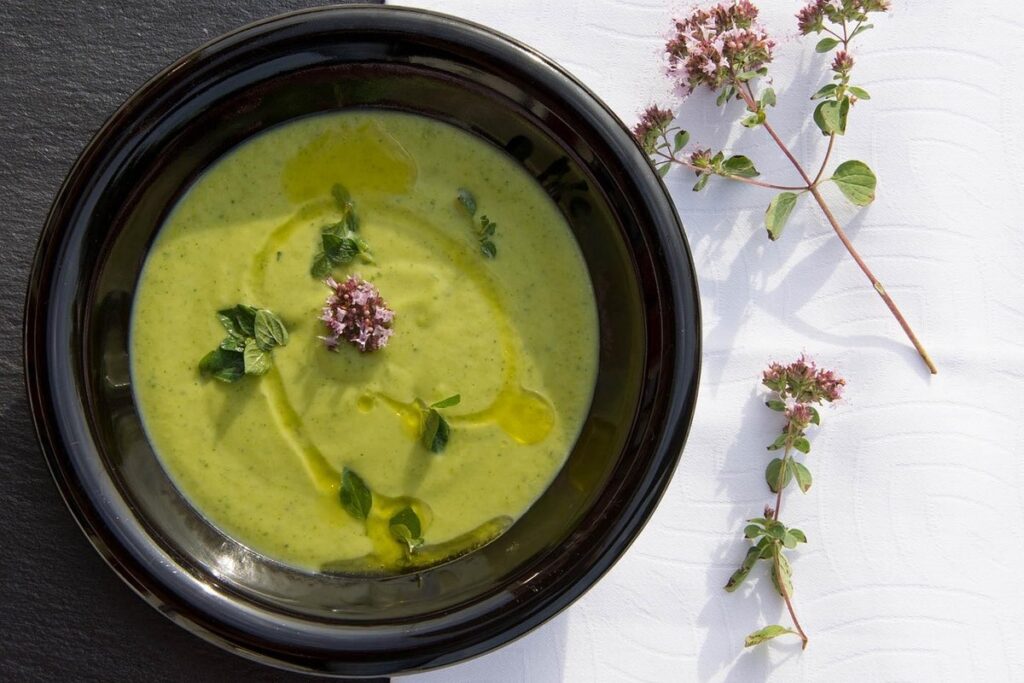
The Importance of Oregano in Gardening
When it comes to oregano flowers, their uses extend far beyond just adding flavor to your favorite dishes. In this section, we’ll explore why oregano is a must-have in every garden.
Benefits of Using Oregano as a Companion Plant
When it comes to companion planting, oregano is an unsung hero that deserves more attention. By incorporating oregano into your garden, you’ll not only benefit from its delicious and aromatic flowers but also reap the rewards of improved soil health and pest control.
One of the most significant benefits of using oregano as a companion plant is its ability to repel pests that can decimate your favorite crops. For example, oregano’s strong scent deters nematodes, whiteflies, and spider mites from targeting tomatoes and basil. These two popular garden staples are particularly vulnerable to pest infestations, but with oregano nearby, you’ll see a significant reduction in damage.
To get the most out of your oregano companion plant, try interspersing it between rows of tomato plants or near areas where aphids tend to congregate. Not only will this help keep pests at bay, but oregano’s fragrance also enhances soil fertility and promotes healthy microbial activity. As a result, your garden will become a haven for beneficial insects and microorganisms, leading to more robust plant growth and increased yields.
How to Use Oregano Flowers in Cooking and Medicinal Applications
When it comes to using oregano flowers in cooking and medicinal applications, the possibilities are endless. One of the most popular ways to use them is by infusing them into teas. Simply dry the flowers and steep them in hot water for a soothing, antiseptic brew that’s perfect for calming digestive issues or relieving stress.
In salads, oregano flowers add a burst of flavor and aroma, pairing particularly well with leafy greens, cherry tomatoes, and feta cheese. To make a simple salad dressing, combine dried oregano flowers with olive oil, lemon juice, garlic, and honey for a tangy, herby vinaigrette.
You can also use oregano flowers to create homemade sauces and marinades. Mix them into your favorite pasta sauce or BBQ rub for an added depth of flavor and medicinal benefits. Their antiseptic properties make them particularly effective against bacterial infections, while their anti-inflammatory effects help to reduce swelling and pain.
To reap the most benefits from oregano flowers, be sure to use them fresh or dried within a few days of harvesting. Store them in an airtight container to preserve their potency and flavor. Experiment with different recipes and applications to unlock the full potential of these versatile flowers in your kitchen and garden.
Planting and Caring for Oregano Flowers
To grow beautiful oregano flowers, you’ll need to know how to plant them correctly and provide the right conditions for healthy growth. Let’s dive into the details of planting and caring for these lovely blooms.
Choosing the Right Variety for Your Garden
When it comes to growing oregano flowers, choosing the right variety is crucial for their success. The good news is that there are many types of oregano plants suited for different climates and soil conditions.
For example, Greek oregano (Origanum vulgare) is a popular choice for its robust growth and resistance to heat. It’s perfect for Mediterranean climates with well-draining soil. On the other hand, Italian oregano (Origanum heracleoticum) prefers cooler temperatures and moist soil, making it ideal for temperate regions.
Before selecting a variety, consider your local climate and soil type. If you live in an area with extreme heat or cold, choose a more resilient variety like ‘Aureum’ or ‘Nana’. For areas with poor soil quality, opt for a compact or dwarf variety that requires minimal maintenance.
Some popular oregano varieties include:
* ‘Compacta’, which grows up to 12 inches tall and is suitable for containers
* ‘Hopley’s Orange’, known for its vibrant orange flowers and tolerance of partial shade
* ‘Rosmarinifolium’, a compact variety with fragrant leaves and small white flowers
By selecting the right oregano variety for your garden, you’ll be well on your way to growing beautiful and bountiful blooms.
Tips for Growing and Pruning Oregano
To unlock oregano’s full potential in your garden, it’s essential to create an environment that fosters healthy growth. Start by providing optimal sunlight – oregano thrives in well-drained soil and full sun to partial shade conditions. Aim for at least 4-6 hours of direct sunlight per day to promote robust leaf production.
Watering practices also play a crucial role. Oregano is drought-tolerant but performs best with consistent moisture, especially during the first few weeks after planting. Water your oregano plants when the top inch of soil feels dry to the touch. Avoid overwatering, which can lead to root rot and other issues.
Fertilize your oregano plants regularly using a balanced, water-soluble fertilizer. Feed them once a month during the growing season (spring-fall) for optimal growth. Prune your oregano plants every 6-8 weeks to encourage bushy growth and prevent legginess. Pinch off flower buds as they form to direct energy towards foliage production. This simple technique will keep your oregano plant looking its best while preventing unwanted flowering.
Propagation Methods: How to Multiply Your Oregano Plants
To multiply your oregano plants, you can use a few simple propagation methods that will have you enjoying fresh herbs in no time. We’ll explore these techniques in the following section.
Vegetative Propagation Techniques
Propagating oregano through stem cuttings, division, and layering is an excellent way to multiply your plants and ensure a continuous supply of this fragrant herb. To achieve successful propagation, timing is crucial. For stem cuttings, take 3-4 inch sections from the tip of the stem during the spring or early summer when new growth is vigorous. Remove lower leaves, leaving only two or three sets at the top, and plant them in a well-draining mix, keeping the soil moist but not waterlogged.
Division is another effective method, best done in the fall or early spring when the plant is dormant. Gently dig up the entire clump, separating the individual roots with a fork, then replant the sections 6-8 inches apart. For layering, choose a healthy stem and bend it down to the ground, securing it with a rock or U-shaped wire. Roots should develop within a few weeks, after which you can cut the section below the node and pot it up.
Remember to monitor your cuttings for signs of rooting, such as new growth or a slight tug on the cutting when gently tugged. Successful propagation requires patience, but with proper timing and technique, you’ll be enjoying fresh oregano in no time!
Seeds as an Alternative for Oregano Propagation
When it comes to propagating oregano plants, you have several methods at your disposal. One often overlooked but effective alternative to vegetative propagation is using seeds. Sowing oregano seeds indoors or directly into the garden bed can be a more straightforward process than some of the other methods.
To begin, start by acquiring high-quality oregano seeds from a reputable supplier. You’ll want to choose a location with bright indirect light and maintain a consistent temperature between 65-75°F (18-24°C). Sow the seeds about 1/4 inch deep in seed trays or small pots filled with well-draining soil. Keep the soil consistently moist, but not waterlogged.
The advantages of using seeds over vegetative methods include the ability to achieve more genetic diversity and reduce disease transmission. However, there are potential challenges to overcome: seed viability may be lower than that of cuttings, and germination rates can vary depending on factors like sowing depth and soil quality. With a little patience and attention to detail, though, you can successfully propagate oregano from seeds and enjoy the benefits of this versatile herb in your garden.
Companion Planting: Pairing Oregano with Other Herbs and Vegetables
When paired with other herbs and vegetables, oregano’s pungent flavor and medicinal properties can enhance your garden’s overall health and productivity. We’ll explore some of its best pairing options to boost growth and repel pests.
Popular Combinations for Enhanced Growth and Pest Control
One of the most exciting aspects of companion planting is discovering which herbs and vegetables pair perfectly with oregano flowers. Not only do these combinations enhance growth and flavor, but they also help reduce pests and diseases. Let’s explore some popular pairing examples.
Oregano marigold is a classic combination that benefits from both plants’ natural pest-repelling properties. Marigolds release chemicals that deter nematodes, whiteflies, and other pests, while oregano repels mosquitoes and flies. This duo creates an environment where beneficial insects thrive, making it easier to grow a healthy crop.
When paired with tomatoes, oregano flowers improve flavor and promote healthy growth. Oregano’s antimicrobial properties prevent fungal diseases like powdery mildew from taking hold on the tomato plants. Tomatoes also appreciate the shade provided by oregano’s tall stems, reducing sun scorching and promoting even ripening.
For a more diverse companion planting experience, consider combining oregano with basil or mint. Basil repels pests that target oregano, such as aphids and spider mites, while mint helps to prevent root rot in oregano plants. These combinations showcase the incredible potential of companion planting when done thoughtfully.
How to Design a Companion Planting Garden Layout
When designing a companion planting garden layout that incorporates oregano, consider the mature size of both the oregano and its companion plants. For instance, basil and mint can spread rapidly, while carrots and beets are typically compact. To optimize space, group similar-sized plants together.
To create harmony in your garden, consider the growth habits and requirements of each plant. For example, oregano’s love of well-draining soil makes it a natural companion for vegetables like tomatoes and peppers. Conversely, moisture-loving herbs like chamomile can thrive alongside water-efficient crops like okra.
When designing a layout, also think about the benefits you’re aiming to achieve through companion planting. Do you want to deter pests, improve air circulation, or enhance flavor? By carefully selecting and placing your plants, you can create an ecosystem that minimizes competition for resources while promoting mutual support. Start with small pots on a balcony or patio to test different combinations before scaling up to larger beds in your garden.
Begin by sketching out your design and considering the mature size of each plant.
Pest and Disease Control: Using Oregano Flowers as a Natural Solution
Oregano flowers are not just beautiful additions to your garden, but also a natural solution for pest and disease control. Learn how to use them effectively in this section.
Repelling Common Pests with Oregano
When it comes to maintaining a healthy and thriving garden, one of the biggest challenges we face is dealing with pests. Aphids, spider mites, and whiteflies are some of the most common culprits, causing damage to our plants and stress to us as gardeners. But did you know that oregano flowers have natural pest-repellent properties that can help keep these pesky insects at bay?
Research has shown that oregano essential oil is highly effective against aphids, reducing their populations by up to 90% in just a few days. This is because the oil’s active compounds, such as carvacrol and thymol, have a strong repellent effect on these soft-bodied pests. Similarly, oregano has been found to repel spider mites, which can cause significant damage to plants by sucking their sap.
To use oregano flowers as an organic pesticide, simply plant them near the affected area or mix oregano essential oil with water and spray it directly on the infested plants. You can also add dried oregano leaves to your compost pile to create a pest-repellent soil amendment.
How to Use Oregano in Natural Pest Control Remedies
When it comes to using oregano flowers for natural pest control remedies, you can create infusions, sprays, or powders to help keep unwanted critters at bay. To make an infusion, simply steep a handful of fresh oregano flowers in boiling water for 5-7 minutes. Strain the liquid and use it as a spray by mixing it with water in a spray bottle.
You can also dry the oregano flowers to create a powder that can be used as a dusting agent or mixed with other natural ingredients like soap or oil for more potent pest control. For example, mix dried oregano powder with dish soap and water to create a solution that repels aphids and whiteflies.
When using these homemade remedies around pets and children, exercise caution by testing a small area first to ensure there are no adverse reactions. Keep in mind that while oregano is generally considered safe for most people, it can cause skin irritation or allergic reactions in some individuals. Use gloves when handling the dried flowers or powders, and wash your hands thoroughly afterwards.
Remember, always dilute the oregano solution with water before applying it to plants, as undiluted extracts can be too potent and potentially damage leaves.
Harvesting and Preserving Oregano Flowers: Tips and Tricks
Now that you’ve learned how to grow and use oregano flowers, it’s time to harvest them at their peak flavor and aroma. Here are some essential tips for harvesting and preserving those beautiful blooms.
Timing the Perfect Harvest for Fresh Use
When it comes to harvesting oregano flowers for fresh use in cooking, timing is everything. You want to pick them at the peak of their flavor and aroma, just before they start to wilt and lose their potency.
Check the color of the flowers – they should be a vibrant purple or pink hue, with a slight sheen to them. This indicates that they are packed with oils and flavor compounds. Snip off the flower heads just above a leaf node, using scissors or pinch them off by hand. This will help prevent damage to the stem and encourage new growth.
Handle fresh oregano flowers gently to avoid bruising the delicate petals. Store them in an airtight container in the refrigerator, away from direct sunlight and heat sources. To keep them fresh for longer, you can also trim the stems under running water or submerge them in ice-cold water for about 10 minutes before storing.
To add a burst of flavor to your dishes, use fresh oregano flowers within a day or two of harvesting. Simply chop them finely and sprinkle over salads, soups, or pasta dishes.
Drying, Freezing, or Preserving Oregano Flowers for Later Use
Preserving oregano flowers is an excellent way to enjoy their benefits throughout the year. Drying, freezing, and making infusions are popular methods for preserving these delicate blooms.
Drying oregano flowers is a simple process that involves air-drying or using a food dehydrator. Air-drying requires tying the stems in small bunches and hanging them upside down in a warm, dry place. This method takes about 1-2 weeks to complete. A food dehydrator can speed up the process by removing excess moisture within hours.
Freezing oregano flowers is another option for preservation. To do this, simply pick a few sprigs of fresh oregano and store them in an airtight container or freezer bag. Frozen oregano flowers are perfect for adding to soups, stews, or sauces during the winter months.
Making infusions involves steeping dried or frozen oregano flowers in hot water to release their oils and flavors. This method is ideal for making teas or adding flavor to dressings and marinades. To make an infusion, simply add 1 tablespoon of dried oregano flowers to a cup of boiling water and let it steep for 5-7 minutes.
When preserving oregano flowers, it’s essential to note that they can be sensitive to moisture and heat. Excessive moisture can cause the flowers to become soggy or develop off-flavors, while high temperatures can damage their delicate oils.
Common Questions and Troubleshooting Tips
We’ve gathered some frequently asked questions and troubleshooting tips to help you overcome common challenges when working with oregano flowers in your garden. Have any of these issues stumped you?
Addressing Common Oregano Plant Problems
As an oregano enthusiast, you’re likely to encounter some common issues that can hinder your plant’s growth and health. Identifying and addressing these problems promptly is crucial to maintaining a thriving garden. Poor growth, pest attacks, and disease susceptibility are among the most prevalent concerns.
Poor growth in oregano plants often stems from inadequate light or water. Ensure your plant receives at least four hours of direct sunlight daily and maintain consistent moisture levels. Waterlogged soil can be detrimental, so avoid overwatering. If you notice yellowing leaves or slow growth, check if your plant is receiving sufficient nutrients through fertilization.
Pest attacks can also compromise oregano’s health. Common culprits include aphids, whiteflies, and spider mites. Regularly inspect your plants, and use organic pest control methods whenever possible. For instance, introducing beneficial insects like ladybugs or lacewings can help mitigate pest infestations.
Disease susceptibility is another critical issue to address. Fungal infections often arise from poor air circulation or excessive moisture. Remove infected leaves promptly, and ensure good air circulation around your plants. By being proactive in identifying and resolving these common problems, you’ll be well on your way to cultivating a healthy and vibrant oregano garden.
Frequently Asked Questions about Growing and Using Oregano Flowers
Are you wondering about growing and using oregano flowers? We’ve got answers to some of the most frequently asked questions that will help you unlock their potential in your garden.
Many people are curious about how often to water oregano flowers, and the answer is relatively simple: they prefer well-draining soil and moderate watering. Aim for about 1-2 inches of water per week, either from rainfall or irrigation. Overwatering can lead to root rot, so be mindful of your watering schedule.
Another common question is whether oregano flowers are edible. The short answer is yes – the leaves, stems, and even flowers are safe to use in cooking! However, make sure they’re free of pesticides and other chemicals before using them in salads or as a garnish. You can also dry or freeze oregano flowers for future use.
What about propagation? Oregano flowers produce tiny white blooms that attract pollinators, but these can be removed to encourage more leaf growth. To propagate new plants, simply snip off 2-3 inch stem cuttings with a few leaves attached and plant them in well-draining soil. With proper care, you’ll have fresh oregano flowers and leaves in no time.
Frequently Asked Questions
Can I use oregano flowers as a natural pest control method for indoor plants?
Yes, you can use oregano flowers to repel pests indoors by placing them near the affected plants or using dried oregano flowers in potpourri. Oregano’s strong scent will help deter pests without harming your indoor plants.
How long does it take to see results from companion planting with oregano?
Companion planting with oregano can start showing results within a few weeks, but it may take several months for the full benefits of improved soil health and pest control to be realized. Be patient and observe how your garden responds to oregano’s presence.
Can I use oregano flowers in cooking without any special preparation?
Yes, you can use fresh or dried oregano flowers in cooking just like you would with its leaves. Simply chop or crush them into your dish for added flavor and aroma. Oregano flowers have a milder flavor than the leaves but still pack a punch.
How do I store dried oregano flowers to preserve their potency?
To preserve the potency of dried oregano flowers, store them in an airtight container away from light and heat sources. You can also freeze or refrigerate them for longer-term storage. Always check on stored oregano periodically to ensure it remains fresh.
Can I grow oregano flowers year-round in my garden?
While oregano is a hardy perennial, its flowering period may vary depending on your climate and growing conditions. In areas with mild winters, you can enjoy oregano flowers throughout the year. However, in colder regions, oregano may go dormant during winter months and resume flowering in spring.