
When it comes to growing cucumbers, one crucial aspect that often flies under the radar is pollination. Without proper pollination, your cucumber plants may not produce the healthy yields you’re hoping for. But did you know that cucumbers have both male and female flowers? These tiny flowers play a vital role in seed production, and understanding how they work together can make all the difference in maximizing your harvest. In this article, we’ll delve into the world of cucumber pollination, exploring the unique characteristics of male and female flowers, and providing actionable tips on how to ensure successful pollination for a bountiful crop. We’ll also discuss key factors that affect pollination success, so you can take control of your cucumber yields and enjoy a more productive harvest.
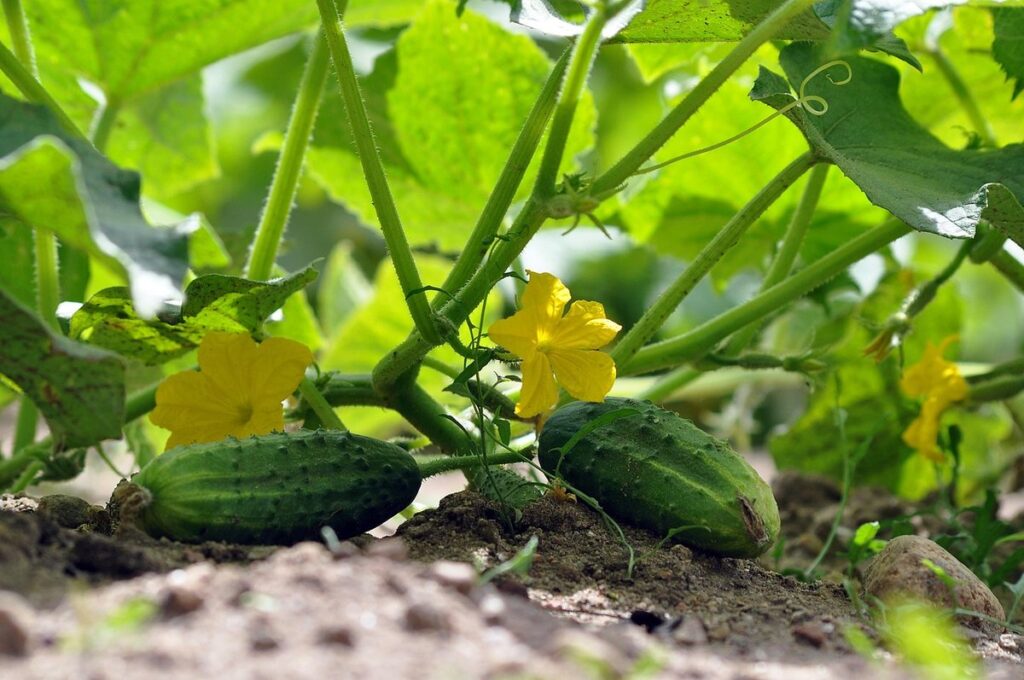
The Importance of Cucumber Pollination
Let’s dive into why pollination is crucial for cucumber plants, and how it affects their fruit production. Without proper pollination, your cucumbers may never reach full potential.
How Cucumbers Reproduce
To understand the importance of pollination in cucumber reproduction, it’s essential to grasp the process by which cucumbers produce seeds. Cucumbers are a type of monoecious plant, meaning they have separate male and female flowers on the same plant. The male flowers, typically smaller and found at the tips of the stems, produce pollen that is necessary for fertilization. Meanwhile, the female flowers, usually larger and located lower down on the stem, contain the ovary where seeds will eventually form.
Pollination occurs when pollen from the male flower is transferred to the stigma of the female flower. This process typically takes place through natural means like wind or insect activity, although humans can also assist in the pollination process by gently transferring pollen between flowers using a small brush. For optimal seed production, it’s crucial that cucumbers receive adequate pollination. Without proper pollination, plants may not produce viable seeds, which can lead to reduced yields and lower fruit quality.
Types of Cucumber Flowers
When it comes to cucumber pollination, understanding the different types of flowers is crucial for optimal fruit set. Cucumbers produce two main types of flowers: male and female. The key difference between them lies in their physical characteristics and function.
Male flowers are typically smaller, with five petals and a long, thin stem that protrudes from the vine. They have stamens, which are responsible for producing pollen. Male flowers often grow in clusters and can be found on the ends of longer stems, sometimes even growing off the main vine. Their primary function is to produce and release pollen into the air.
Female flowers, on the other hand, are slightly larger than male flowers and have three petals with a prominent ovary at the base. They lack stamens but instead produce a pistil, which contains the female reproductive organs responsible for receiving pollen from the male flower. Female flowers often grow directly on the main vine or just below it.
It’s essential to note that some cucumber varieties are parthenocarpic, meaning they produce fruit without fertilization by male flowers. However, even in these cases, pollination can still occur and may lead to better fruit set and quality.
Understanding Male Cucumber Flowers
Now that we’ve covered female cucumber flowers, let’s dive into understanding male cucumber flowers and how they play a crucial role in pollination. You’ll learn exactly what to look for when identifying these vital blooms.
Characteristics of Male Flowers
Male cucumber flowers are responsible for producing pollen, which is essential for fertilization and fruit set. A typical male flower consists of a cluster of stamens, each containing an anther at the tip. The anthers produce pollen grains, which contain the sperm cells necessary for fertilization. In a healthy male flower, the anthers will be visible as small, yellowish-green protrusions at the base of the petals.
The number and arrangement of stamens in a male cucumber flower can vary depending on factors such as plant variety and growing conditions. However, typically, there are 5 or more stamens per flower. It’s essential to note that male flowers do not have ovules or ovaries, which means they cannot produce fruit even if pollinated.
To encourage healthy male flower production, cucumber growers can provide their plants with adequate light, water, and nutrients. By promoting robust plant growth, gardeners can increase the chances of successful pollination and a bountiful harvest. In addition to proper care, some farmers use techniques like hand-pollination or using bee-friendly flowers nearby to boost pollinator activity and improve yields.
Role of Male Flowers in Pollination
Male flowers play a crucial role in the pollination process of cucumbers. Their primary function is to produce and transfer pollen to the female flowers for fertilization to occur. This process starts when male flowers release their anthers, which contain the pollen grains. The pollen is then carried by external agents like bees, butterflies, or even the wind to the stigma of the female flower.
It’s essential to note that male flowers do not produce the cucumbers themselves. They only serve as the pollinators’ pathway to reach the female flowers. When a pollinator visits a male flower and collects pollen, it inadvertently picks up some while landing on its anthers or stamens. This collected pollen is then transferred to the stigma of a female flower during the next visit.
To maximize pollination, ensure that your cucumber plants have a mix of both male and female flowers. This will increase the chances of successful fertilization and subsequent fruit production.
Challenges Faced by Male Flowers
Male flowers face several challenges that can impact their fertility and pollination success. One of the primary concerns is temperature fluctuations. Cucumber plants thrive in warm temperatures between 65-75°F (18-24°C), but prolonged exposure to extreme heat or cold can damage male flower reproductive organs, reducing their ability to produce pollen.
Another issue affecting male flower fertility is humidity levels. High humidity can promote fungal growth, while low humidity can cause pollen to dry out and become ineffective. Ideal humidity for cucumber plants ranges from 40-60%, but this can vary depending on the region and time of year.
Male flowers are also susceptible to pests like aphids, whiteflies, and spider mites. These insects feed on plant sap, weakening the plant and reducing male flower fertility. Regularly inspecting your plants and using organic pest control methods can help mitigate these issues.
Furthermore, nutrient deficiencies, especially nitrogen, potassium, and magnesium, can impact male flower development and pollen production. Ensuring a balanced fertilizer application throughout the growing season is crucial for maintaining healthy male flowers. By monitoring temperature, humidity, pests, and nutrients, you can create an optimal environment for your male flowers to thrive.
Understanding Female Cucumber Flowers
So, you’re curious about the female cucumber flowers and what they look like? We’ll break down their unique characteristics and how to identify them.
Characteristics of Female Flowers
Female cucumber flowers are easily identifiable due to their unique characteristics. The first thing you’ll notice is the prominent pistils, which are the long, thin structures that protrude from the center of the flower. These pistils contain the female reproductive organs of the plant, specifically the stigma and ovary. The stigma is the sticky surface at the top of the pistil, responsible for catching pollen grains as they’re transported by pollinators.
The ovary, located below the stigma, contains the ovules where fertilization takes place. Female flowers have only one pistil, whereas male flowers often have multiple stamens surrounding it. The color and shape of female cucumber flowers can vary depending on the specific variety, but they typically have a small number of petals and are smaller than the corresponding male flowers.
To identify female flowers in your garden or greenhouse, look for the prominent pistils and notice if the plant is producing any fruit, such as cucumbers. Female flowers that receive sufficient pollination will produce cucumber fruits. Be aware that some cucumber varieties can produce parthenocarpic fruits, meaning they develop without fertilization, but this doesn’t necessarily mean that cross-pollination didn’t occur.
Role of Female Flowers in Pollination
When it comes to pollination, female flowers play a crucial role in receiving pollen from their male counterparts. This process is essential for fertilization to occur, and ultimately, for the growth of cucumbers.
To understand how this works, let’s revisit the anatomy of cucumber flowers. Female flowers, also known as pistils, are comprised of three main parts: the stigma, style, and ovary. The stigma is the sticky surface at the top of the flower, while the style is the long tube that connects it to the ovary.
Here’s how pollination works in female flowers:
* Pollen from male flowers, specifically the anthers, lands on the stigma.
* The pollen germinates and forms a pollen tube that grows down through the style into the ovary.
* Fertilization occurs when the pollen reaches the ovary, allowing for seed development.
For optimal pollination, it’s essential to provide your cucumber plants with adequate support. You can do this by using trellises or cages to keep the female flowers upright and accessible to pollinators like bees and butterflies. By creating a conducive environment, you’ll be supporting the pollination process and increasing your chances of a bountiful harvest.
Challenges Faced by Female Flowers
As we’ve discussed the importance of pollination for successful cucumber production, it’s essential to address some common challenges that can affect female flower receptivity and pollination success. Female flowers on cucumbers are particularly vulnerable to a range of issues, which can impact their ability to attract pollinators and receive pollen.
One key challenge is temperature fluctuations. Cucumber plants thrive in warm temperatures, but extreme heat or cold can disrupt the delicate balance required for successful pollination. For instance, a sudden drop in temperature can cause female flowers to become receptive too early, making them less attractive to pollinators. To mitigate this risk, ensure your cucumbers receive protection from frost and maintain optimal growing conditions.
Another common issue is nutrient deficiencies, particularly potassium and calcium. These essential minerals play a crucial role in promoting healthy flower development and receptivity. If your plants are lacking these nutrients, you may notice reduced female flower production or an increased susceptibility to pests and diseases. Regular soil testing can help identify any potential imbalances and guide targeted fertilization strategies.
Pollinator availability is also a critical factor influencing pollination success. Cucumber flowers rely on bees, wasps, and other beneficial insects for effective pollination. However, changes in local ecosystems or the introduction of invasive species can disrupt this delicate balance. Consider using organic bee-friendly plants nearby to attract pollinators and boost female flower receptivity.
Maintaining proper pruning techniques is also vital to promote healthy female flower growth. Over-pruning or neglecting to remove weak growth can lead to reduced yields and increased susceptibility to pests and diseases. By adopting targeted pruning strategies, you can optimize your cucumber plant’s potential for successful pollination.
Factors Affecting Cucumber Pollination
As you work to ensure your cucumber plants receive the pollination they need, several key factors come into play that can impact their ability to produce fruit. Weather conditions and plant placement are just a couple of these important considerations.
Weather Conditions and Temperature
Weather conditions play a significant role in determining the success of cucumber pollination. Temperature, in particular, is crucial for both male and female flowers to function optimally. Cucumber plants require warm temperatures between 65°F to 95°F (18°C to 35°C) for optimal growth and pollination. If the temperature drops below 55°F (13°C), pollen production is significantly reduced, leading to lower fruit set.
Humidity levels also impact pollination success. High humidity can lead to fungal diseases that damage both male and female flowers, while low humidity can cause stress to the plant, reducing its ability to produce viable pollen. Aim for a relative humidity of 40-60% for optimal pollination. It’s essential to monitor weather conditions regularly, especially during peak pollination periods, to ensure you provide your cucumber plants with the best possible environment.
Keep in mind that extreme temperatures can also affect pollinator activity. Bees and other pollinators are less active in very hot or cold weather, which can lead to reduced pollination success. By providing a suitable environment for both your plants and pollinators, you’ll increase the chances of successful cucumber pollination.
Soil Quality and Nutrient Availability
Soil quality plays a crucial role in supporting healthy pollination in cucumber plants. A well-balanced soil ecosystem with optimal nutrient availability enables flowers to develop and mature properly, thereby facilitating successful pollination. Nutrient deficiencies can negatively impact flower development, leading to reduced fertility and decreased yields.
Essential nutrients such as nitrogen (N), phosphorus (P), and potassium (K) are vital for cucumber plant growth. Nitrogen promotes vegetative growth, while phosphorus supports root development and flower formation. Potassium is involved in various physiological processes, including water balance and resistance to disease. Maintaining optimal nutrient levels can be achieved through balanced fertilization.
To support healthy pollination, ensure your soil has a pH between 6.0 and 7.0, which is ideal for cucumber cultivation. Regularly test your soil to determine its nutrient status and adjust fertilizer applications accordingly. Organic amendments like compost can help improve soil structure and fertility while minimizing environmental impact.
Adequate moisture levels are also essential for pollination. Consistent water supply ensures that flowers receive sufficient nutrients and energy for proper development, ultimately supporting successful pollination events.
Pesticide Use and Environmental Impact
The use of pesticides can have far-reaching consequences for cucumber pollination. Many beneficial insects, such as bees and butterflies, play a crucial role in transferring pollen between male and female flowers. However, the widespread application of pesticides can harm these vital pollinators.
Neonicotinoids, a common class of insecticides, have been linked to colony decline and reduced fertility in honeybees. These chemicals can accumulate in nectar and pollen, causing toxic effects on insects. Furthermore, pesticide use can also disrupt the natural balance of ecosystems, leading to an increase in pest populations and further exacerbating the problem.
To minimize the impact of pesticides on pollinators, consider adopting Integrated Pest Management (IPM) strategies that prioritize organic methods and selective applications of insecticides. Encourage beneficial insects by maintaining a diverse range of flowers that provide nectar and pollen resources throughout the growing season. By taking proactive steps to protect these vital pollinators, you can help ensure healthy cucumber yields while preserving ecosystem balance.
Enhancing Cucumber Pollination through Best Practices
To ensure a bountiful harvest, implementing specific best practices for pollinating cucumbers can significantly improve yields and fruit quality. Let’s explore these methods in more detail.
Crop Selection and Spacing
When selecting cucumber varieties for optimal pollination, it’s essential to consider factors such as flower structure and production. Choose varieties that have a mix of male and female flowers on the same plant (parthenocarpic types) or use adjacent plants with both types. This promotes within-plant cross-pollination.
In terms of spacing, ensure there is sufficient room for proper air circulation and sunlight penetration between plants. A distance of 12-18 inches (30-45 cm) between plants in rows that are at least 6 feet apart can improve pollinator access and reduce the risk of disease transmission.
Consider the growth habits of different varieties when planning your crop layout. Compact or bush-type cucumbers, for instance, require less space than vining types. Also, plant multiple varieties if needed to ensure a diverse range of flower structures and thus better pollination support. Keep in mind that over-dense planting can lead to reduced air circulation and compromised pollinator activity, negatively impacting cucumber yields.
Support Systems and Pruning Techniques
When it comes to enhancing cucumber pollination through best practices, having a robust support system is crucial. Cucumbers are a vining crop that requires substantial space and air circulation to thrive. Using trellises or cages can significantly improve air circulation around the plants, reducing the risk of disease susceptibility.
Trellises allow for better sunlight penetration, encouraging healthy growth and promoting even pollination between male and female flowers. By providing a structure for the vines to climb, you’ll also reduce soil contact with the fruit, minimizing the spread of fungal diseases. Consider using a trellis with a narrow mesh, which will promote air circulation while preventing pests from entering.
To maximize the effectiveness of your support system, ensure it’s placed near the plants at planting time and gently guide the vines as they grow. Keep in mind that different varieties may require specific types of supports; consult your seed packet or local nursery for recommendations tailored to your region’s growing conditions.
Companion Planting Strategies
When it comes to enhancing cucumber pollination, companion planting can play a vital role in attracting beneficial insects that help facilitate the process. By strategically selecting plants to grow alongside cucumbers, you can create a thriving ecosystem that encourages healthy pollination.
Some effective companion plants for cucumbers include nasturtiums, which repel aphids and whiteflies that prey on cucumber flowers. Radishes are another excellent choice, as they attract beneficial insects like lacewings and hoverflies, both of which feed on pests that harm cucumbers. Borage is also a popular companion plant, as its fragrance attracts bees and other pollinators to the area.
Incorporating these plants into your garden can be easy – simply intersperse them among your cucumber rows or create a dedicated companion planting bed. Remember to choose varieties that are suitable for your climate and growing conditions. By doing so, you’ll not only enhance pollination but also promote a balanced and resilient ecosystem in your garden.
The Role of Bees and Other Pollinators
Bees, butterflies, and other pollinators play a crucial role in cucumber reproduction, so let’s take a closer look at their importance in the process. They’re not just helpful, they’re essential!
Bee Species and Cucumber Pollination
When it comes to cucumber pollination, bees play a vital role in transferring pollen between male and female flowers. Honeybees (Apis mellifera) and bumblebees (Bombus spp.) are among the most important species for cucumber pollination.
Honeybees are highly efficient at collecting nectar from cucumber flowers, but their primary focus is on transferring pollen between flowers. In fact, research has shown that a single honeybee can collect and transfer up to 10 times more pollen than other bee species. Bumblebees, on the other hand, are larger and stronger than honeybees, making them ideal for accessing nectar deep within cucumber flowers.
To encourage successful pollination by these beneficial insects, gardeners should plant a variety of flowers that provide a rich source of nectar and pollen. This includes flowers such as sunflowers, zinnias, and cosmos, which are not only attractive to bees but also bloom at the same time as cucumbers. By creating a bee-friendly environment, gardeners can boost pollination rates and increase their chances of a bountiful cucumber harvest.
Other Beneficial Insects and Animals
In addition to bees, there are several other beneficial insects and animals that play a crucial role in cucumber pollination. Butterflies, for instance, are important pollinators of cucumbers, particularly species like the monarch butterfly, which is known to visit cucumber flowers frequently. These delicate creatures are attracted to the sweet nectar produced by cucumber blooms, which helps facilitate pollen transfer between flowers.
Another lesser-known but significant pollinator is the bat. Yes, you read that right – bats! Some species of bats, such as the Indian flying fox, feed on nectar and pollen from cucumber flowers, contributing to the plant’s reproduction. In fact, studies have shown that bats are responsible for pollinating around 500 different plant species worldwide, including cucumbers.
While bees are the primary pollinators of cucumbers, it’s essential to create a welcoming environment for these alternative pollinators. By planting a diverse range of flowers that provide nectar and pollen, you can attract these beneficial insects and animals, ensuring optimal cucumber pollination and healthy crop growth.
Conclusion: Optimizing Cucumber Pollination
Now that you’ve learned how to identify and distinguish between male and female cucumber flowers, let’s explore ways to optimize their pollination for a bountiful harvest. By following these tips, you’ll be well on your way to growing healthy, productive cucumbers.
Recap of Key Points
In conclusion to our exploration of cucumber pollination, let’s revisit the key points that will help you optimize this crucial process for your garden.
To ensure successful pollination, it’s essential to understand the distinct characteristics of male and female flowers. Male flowers are typically smaller and lack the ovary, while female flowers have a prominent ovary where the fruit will develop. By recognizing these differences, you can strategically place them in proximity to each other, often on the same plant.
We also discussed how bees and other pollinators play a vital role in transferring pollen from male to female flowers, highlighting the importance of maintaining a healthy bee population in your garden. This includes providing a source of nectar-rich flowers for these essential pollinators.
Additionally, we touched upon the impact of weather conditions on pollination, including excessive heat and drought that can hinder this process. To mitigate this risk, consider implementing irrigation systems or shading techniques to maintain optimal growing conditions.
Actionable Tips for Improved Yields
When it comes to optimizing cucumber pollination, several factors contribute to maximizing yields. To start with, ensure that you’re growing a variety of cucumber that’s suitable for the climate and soil conditions in your area. This will reduce stress on the plants, making them more receptive to pollination.
Monitor the temperature range during peak pollination periods (usually between 9 am and 3 pm) to encourage optimal pollen flow. Avoid exposing your cucumbers to extreme temperatures, as this can negatively impact yields.
To promote better pollination, maintain a clean environment around your plants by removing weeds and debris that could interfere with the process. Regularly inspect your cucumber flowers for signs of damage or disease, addressing any issues promptly.
When handling male flowers, exercise care not to accidentally damage the anthers, which are responsible for producing pollen. By following these guidelines and maintaining optimal growing conditions, you can significantly improve pollination efficiency and boost yields.
Frequently Asked Questions
How can I ensure successful pollination for my cucumber crop?
When ensuring successful pollination, it’s essential to consider factors like the presence of beneficial insects, such as bees, and optimal weather conditions. Regularly inspect your plants for signs of pest or disease infestations that could harm these pollinators.
What are some common challenges faced by male flowers during pollination?
Male flowers often face challenges due to unfavorable weather conditions, such as high temperatures, which can reduce pollen viability. Similarly, factors like soil quality and nutrient availability can also impact the overall health of male flowers and their ability to produce viable pollen.
How do I know if my cucumber plants are getting enough nutrients for optimal pollination?
To ensure your cucumber plants receive adequate nutrients, regularly test your soil pH levels and adjust accordingly. Also, consider adding organic matter like compost or manure to improve soil fertility and promote healthy growth.
Can I use pesticides that are safe for beneficial insects during peak pollination periods?
While some pesticides may be labeled as ‘bee-safe,’ it’s crucial to exercise caution when applying them near your cucumber plants. Even if the pesticide is deemed safe, it can still impact beneficial insect populations in other ways. Instead, opt for integrated pest management (IPM) strategies that balance control measures with environmental concerns.
What are some companion planting strategies I can use to enhance cucumber pollination?
Companion planting can be a valuable tool in boosting pollinator activity around your cucumber plants. Planting flowers like mint, basil, or marigold near cucumbers can attract beneficial insects and encourage pollination.