
Growing peppers in raised beds can be a real challenge. Not only do you need to ensure they receive enough sunlight, but also proper air circulation is crucial for their health and productivity. If left unmanaged, pepper plants can become overcrowded, leading to increased susceptibility to disease and reduced yields. This is where optimal pepper spacing comes into play. By understanding the best practices for calculating plant density, preparing the soil, and implementing effective spacing strategies, you can create an ideal environment for your peppers to thrive. In this article, we’ll delve into the world of pepper spacing in raised beds, exploring how to optimize air circulation, prevent disease spread, and boost yields – setting you up for a successful harvest.
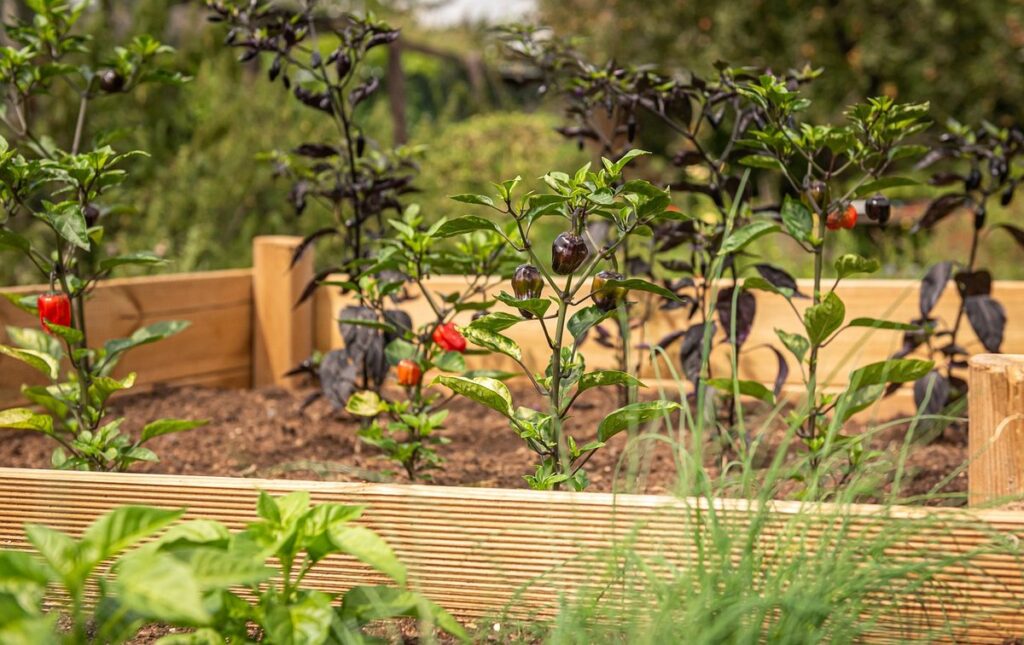
Understanding the Importance of Proper Pepper Spacing
When planting peppers in your raised bed, it’s crucial to consider the optimal spacing to ensure healthy growth and maximize yields. In this section, we’ll dive into why proper pepper spacing matters.
Benefits of Optimal Pepper Spacing
When you get pepper spacing right, the benefits are numerous. For one, optimal spacing allows for improved air circulation around each plant. This is especially important for peppers, which are susceptible to fungal diseases like powdery mildew and leaf spot. When plants have enough space between them, there’s less chance of moisture getting trapped and creating an ideal environment for these pathogens.
Proper pepper spacing also reduces the spread of disease from one plant to another. When plants are too close together, it’s easy for infected leaves or stems to come into contact with healthy ones, causing the disease to spread quickly through the bed. By giving each pepper plenty of room, you’re reducing the risk of this happening.
In addition to these benefits, optimal pepper spacing can also lead to increased yields. When plants have enough space to grow, they’re able to produce more fruit and are less likely to become stressed or weakened by competition for resources like water and nutrients. This means you’ll get a bigger harvest from your raised bed peppers than if you’d crowded them in too tightly.
Challenges of Raised Bed Gardening for Peppers
Growing peppers in raised beds can be a delightful experience, but it also comes with its set of challenges. One of the most significant hurdles gardeners face is limited space. Raised beds are typically smaller than traditional garden plots, making it essential to optimize pepper spacing to ensure maximum yield.
However, even with proper planning, uneven soil conditions can affect pepper growth. In raised beds, the compacted soil and reduced root depth can hinder water and nutrient uptake, leading to stunted or discolored plants. Moreover, peppers require a consistent supply of moisture and nutrients, which can be difficult to maintain in raised beds due to their shallow depth.
To overcome these challenges, gardeners should prioritize using well-draining potting mix, ensuring adequate sunlight (at least 6 hours of direct sun) and maintaining even watering schedules. Additionally, incorporating companion planting techniques, such as intercropping with herbs or other vegetables, can help improve soil health and reduce competition for resources. By understanding these challenges and implementing practical solutions, gardeners can still achieve successful pepper harvests in their raised beds.
Measuring and Preparing Your Raised Bed for Pepper Spacing
To ensure your pepper plants thrive, you’ll need to measure and prepare your raised bed to accommodate their ideal spacing. Let’s get started on measuring up!
Calculating the Right Pepper Plant Density
When it comes to calculating the right pepper plant density for your raised bed, there are several factors to consider. The first is the variety of pepper you’re growing. Different varieties have unique growth habits and mature sizes, which can significantly impact how much space they require.
For example, compact or dwarf pepper varieties like ‘Thai Hot’ or ‘Red Cherry’ typically thrive in smaller spaces and can be spaced as close as 6-8 inches apart. On the other hand, larger varieties like ‘Bell Boy’ or ‘California Wonder’ need more room to spread out and should be spaced at least 12-18 inches apart.
To determine the ideal number of pepper plants per square foot, consider multiplying the mature size of each plant by a factor of 2-3. For instance, if you’re growing compact peppers that will reach about 1 foot in diameter when mature, allocate around 4-6 square feet per plant. This ensures you have enough space for healthy growth and can help prevent overcrowding.
Remember to also account for air circulation between plants to prevent disease.
Soil Preparation for Optimal Root Growth
When it comes to growing peppers in raised beds, creating an optimal soil environment is crucial for healthy root development. A well-draining soil mix can make all the difference in promoting robust pepper plants with deep roots. But what exactly makes a soil mix suitable for pepper growth?
A suitable soil blend should have good water-holding capacity, yet still allow excess moisture to drain away quickly. This balance prevents waterlogged soil conditions that can lead to root rot and other problems. Aim for a mix with a high sand content (around 50-60%) to promote drainage, while incorporating organic matter like compost or well-rotted manure adds structure and fertility.
When crafting your own blend, consider adding perlite or vermiculite to improve water retention and reduce soil compaction. A general rule of thumb is to use 2 parts topsoil to 1 part compost or manure. Remember to avoid over-tilling the soil, as this can damage delicate pepper roots. By creating a well-draining soil mix, you’ll be giving your peppers the best chance at establishing deep, healthy root systems – essential for optimal growth and flavor.
Determining Pepper Spacing Based on Plant Variety
As you plan your raised bed pepper garden, it’s essential to consider the unique needs of each variety when determining how far apart to space them for optimal growth and health. Different peppers have varying space requirements based on their mature size.
Small-Bellied Peppers: Tighter Spacing Considerations
Small-bellied peppers are a popular choice for gardeners looking to maximize space in their raised beds. These compact varieties have a unique growth habit that allows them to thrive in tight spaces. When it comes to spacing small-bellied peppers, you’ll want to take advantage of their compact nature.
To get the most out of your small-bellied pepper plants, try planting them 6-8 inches apart. This close proximity will not only save space but also promote healthy air circulation and prevent disease from taking hold. In a raised bed with limited space, this spacing recommendation can add up to 2-3 more plants than you would be able to fit if using standard pepper varieties.
Keep in mind that small-bellied peppers have a slightly smaller fruit size compared to other types of peppers. However, they make up for it with their high yields and intense flavor. By planting them at the recommended spacing, you’ll be able to enjoy a bountiful harvest without sacrificing valuable space in your raised bed.
Large-Petaled Peppers: Wider Spacing Requirements
When growing large-petaled pepper varieties, such as ‘Big Red’ or ‘Pimento’, it’s essential to give them extra space to accommodate their sprawling growth patterns. These peppers produce large, showy flowers that require more room to unfurl and support the fruiting process.
If you fail to provide sufficient spacing, your plants will become overcrowded, leading to reduced air circulation, increased disease susceptibility, and lower yields. A good rule of thumb is to plant large-petaled pepper varieties at least 24-30 inches apart in raised beds. This wider spacing allows for better air circulation, making it more challenging for diseases like powdery mildew and septoria leaf spot to spread.
To ensure your peppers have enough room to grow, consider using a grid system when planning your bed layout. Place the pepper plants at regular intervals, leaving enough space between each plant to accommodate mature foliage and fruit growth. By providing these large-petaled varieties with the extra space they need, you’ll be rewarded with healthier, more productive plants and a bountiful harvest.
Implementing Pepper Spacing Strategies in Raised Beds
When planning your raised bed layout, implementing effective pepper spacing strategies is crucial for a bountiful harvest and optimal plant growth. Let’s dive into some practical tips to get you started!
The Use of Trellises and Supports for Optimal Growth
To achieve optimal growth and fruit set, it’s essential to provide pepper plants with the necessary support. This is where trellises, cages, and stakes come into play.
Trellises are a great way to train indeterminate peppers to grow upwards, making the most of space in your raised bed. By providing a sturdy structure for the plant to climb, you’ll promote vertical growth and keep the fruit off the ground, reducing rot and spoilage. You can use a freestanding trellis or attach one to a fence or wall to save space.
Cages are another effective option for supporting pepper plants. They’re particularly useful for smaller varieties that don’t require as much support. Simply place the cage around the plant when it’s still young, and it will provide stability and structure as it grows.
Stakes can also be used to support individual pepper plants or small clusters. These are best suited for larger varieties that produce heavy fruit loads. To use stakes effectively, drive them into the soil about 12 inches deep on either side of the plant, then tie the stem gently with twine or wire. This will prevent wind damage and keep the fruit upright.
By incorporating these support systems into your pepper spacing strategy, you’ll be able to promote healthy growth, improve air circulation, and increase yields in your raised beds.
Companion Planting to Enhance Pepper Health and Productivity
Companion planting is an age-old technique that can significantly enhance pepper health and productivity when done correctly. By strategically placing certain plants alongside peppers, you can create a harmonious garden ecosystem that repels pests, attracts beneficial pollinators, and promotes healthy growth.
Take the example of basil, which not only pairs well with peppers in culinary dishes but also has natural pest-repellent properties that deter aphids and whiteflies. Planting basil nearby can be a simple yet effective way to minimize the need for pesticides in your raised bed garden.
On the other hand, plants like marigold and calendula release chemicals that repel nematodes, which are microscopic worms that can harm peppers. These flowers also attract beneficial insects like ladybugs and lacewings that feed on pests, thereby reducing the need for external pest control methods.
Incorporating these companion plants into your raised bed design is straightforward. Simply plant them at a ratio of about 1:5 to 1:10, meaning one marigold or calendula flower per five to ten pepper plants. This will create an inviting environment that nurtures the overall health and productivity of your peppers.
Monitoring and Adjusting Your Pepper Spacing as Needed
As you watch your pepper plants grow, it’s essential to monitor their spacing regularly to ensure optimal growth, prevent overcrowding, and maintain airflow. We’ll walk through how to adjust your spacing as needed.
Signs of Overcrowding and Under-Spacing
When it comes to raised beds, overcrowding and under-spacing can be detrimental to pepper plant growth. One of the most noticeable signs is reduced air circulation. When plants are too close together, they create a dense canopy that blocks air from reaching all areas of the bed. This can lead to fungal diseases like powdery mildew and septoria leaf spot.
Another indication of overcrowding is stunted growth. Plants may become leggy or weak due to competition for resources like water and nutrients. If your pepper plants are looking pale or spindly, it’s possible they’re struggling to get the space they need.
Under-spacing can also have negative effects on plant health. When there are too many gaps between plants, weeds can more easily take hold, competing with your peppers for resources. This can lead to a decline in overall yield and quality of produce.
To avoid these issues, make sure to give your pepper plants enough space to breathe and grow. A general rule of thumb is to leave about 18-24 inches between each plant, depending on their mature size. Keep an eye out for signs of overcrowding or under-spacing and adjust your spacing accordingly.
Strategies for Mid-Season Adjustment and Pruning
As we approach mid-season, it’s not uncommon for raised bed peppers to become overcrowded. This can lead to reduced air circulation, increased disease susceptibility, and decreased fruit production. To mitigate these issues, you have a few strategies at your disposal.
One effective method is pruning. By removing lower leaves and weak growth, you promote healthy air circulation and direct the plant’s energy towards producing more fruit. For instance, remove any weak or spindly branches to encourage bushy growth and prevent over-shading of fruiting branches. Another option is thinning, where you carefully select and remove weaker plants to allow for better air circulation between the remaining peppers.
If overcrowding persists, replanting may be necessary. Choose a new location with sufficient space for healthy growth, taking into account mature plant size and spacing recommendations (typically 18-24 inches). Be sure to harden off any transplanted pepper seedlings before introducing them to their new surroundings.
Frequently Asked Questions
What’s the ideal time to start adjusting pepper spacing after planting?
If you’ve noticed that your peppers are becoming overcrowded, it’s best to adjust their spacing as soon as possible. However, wait until the plants have reached about 6-8 inches in height before making any significant changes. This will minimize root disturbance and ensure optimal growth.
How can I determine if my pepper plants need more space due to leaf size?
If your large-petaled peppers are showing signs of overcrowding, assess their leaf spread. If the leaves are touching each other or becoming distorted from competition for sunlight, it’s likely time to increase spacing. For every 18-24 inches of plant height, provide an additional 12-18 inches of space between plants.
What are some common mistakes to avoid when measuring and preparing raised beds for pepper spacing?
Don’t make the mistake of not accounting for trellises or supports in your initial measurement. Ensure you factor in enough space for these structures to avoid narrowing the bed’s usable area. Also, be aware that soil depth can impact root growth; consider adding organic matter like compost to improve drainage and aeration.
Can I use companion planting to enhance pepper spacing benefits?
Companion plants like basil, mint, or oregano can help improve air circulation around peppers while repelling pests. However, avoid planting them too close to your peppers – about 6-12 inches of separation is ideal. This will allow the companions to provide their benefits without competing with the peppers for resources.
What’s a good strategy for mid-season adjustment and pruning to maintain optimal pepper spacing?
When adjusting plant density mid-season, prioritize removing weaker or diseased plants rather than simply thinning them out. Prune your peppers regularly to promote bushy growth and encourage fruiting. This will also help you identify any potential issues with overcrowding before they become severe problems.