
Sharpening your pruners at home might seem like a daunting task, but trust us, it’s easier than you think. In fact, having sharp pruning tools is crucial for maintaining healthy plants and reducing the risk of injury when gardening. Dull blades can cause more harm than good, making it harder to cut through branches and increasing the likelihood of accidents.
If you’re tired of struggling with dull pruners or dealing with the frustration of plant damage, this guide is for you. In this article, we’ll walk you through a step-by-step process on how to sharpen your pruners effectively at home. From choosing the right sharpening tool to honing techniques and safety precautions, we’ve got you covered. By following our comprehensive guide, you’ll be able to maintain your pruners’ sharpness and keep your garden looking its best.
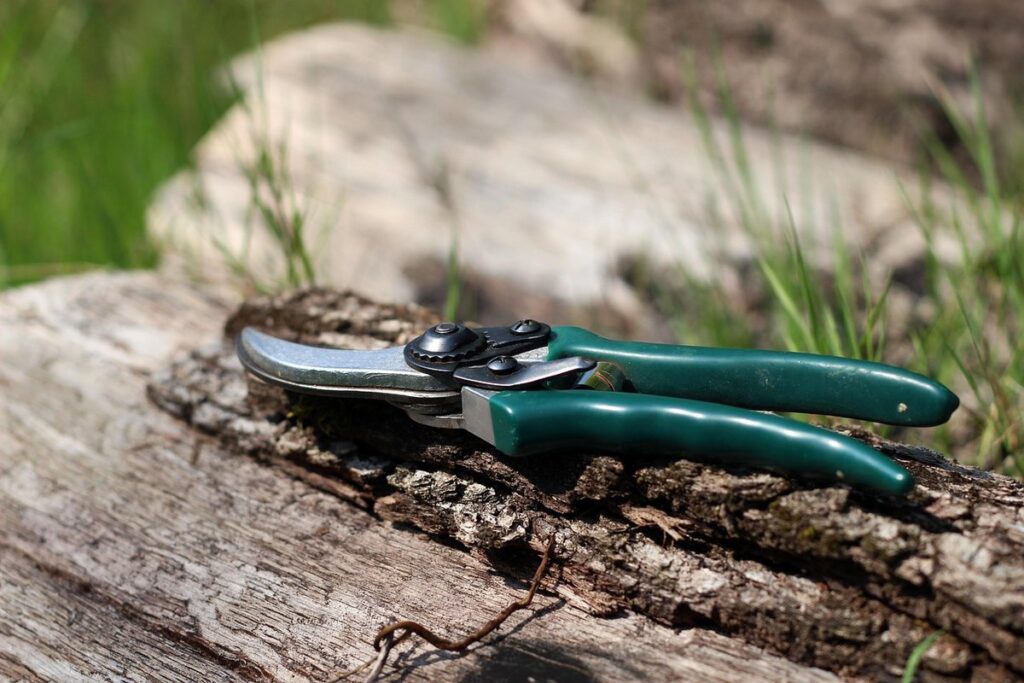
Understanding the Importance of Sharp Pruners
Now that we’ve covered how to sharpen your pruners, let’s dive into why having sharp pruners is crucial for gardening success and efficient plant maintenance.
Benefits of Using Sharp Pruners
Using sharp pruners is not just a matter of personal preference; it’s essential for garden maintenance. One of the primary benefits of using sharp pruners is that they reduce the risk of injury. Dull blades can cause the pruner to slip, leading to accidents and potentially severe cuts. In contrast, sharp pruners provide a clean cut, making them safer to use.
Another advantage of sharp pruners is that they make cutting easier. When your blades are dull, you may need to apply more force, which can lead to fatigue and frustration. Sharp pruners, on the other hand, require less effort, allowing you to trim branches with precision and speed. Furthermore, sharp pruners promote better plant health by making clean cuts that minimize damage to the plant tissue.
By using sharp pruners, you can also avoid spreading diseases between plants. Dull blades can crush or tear plant tissues, creating an entry point for pathogens. Regularly sharpening your pruners is a simple yet effective way to maintain a healthy garden ecosystem. To keep your pruners sharp, it’s recommended to hone them after every use and resharpen them according to the manufacturer’s guidelines.
Common Problems with Dull Pruners
Using dull pruners can lead to a host of problems that not only hinder your gardening progress but also affect the health and appearance of your plants. One common issue is torn branches, which can be particularly frustrating when trying to prune large or thick limbs. The dull blade causes the pruner to tear through the branch instead of cutting it cleanly, leaving behind unsightly tears and potentially creating entry points for disease and pests.
Another problem associated with dull pruners is crushed stems. When you try to cut through a stem with a dull blade, you may end up crushing or pinching the delicate tissue, causing damage that can take weeks to recover from. This not only wastes your time but also requires more effort in the long run as you struggle to nurse damaged plants back to health.
Using dull pruners also increases energy expenditure. Pruning with a dull blade requires more force and pressure, which can lead to fatigue and strain on your hands, wrists, and arms.
Choosing the Right Sharpening Tools
Now that you know how to sharpen your pruners, let’s talk about what tools you’ll need to do it effectively. The right equipment makes all the difference in getting a sharp edge.
Types of Sharpening Stones
When it comes to sharpening pruners at home, choosing the right sharpening stone is crucial for achieving a sharp edge. There are several types of sharpening stones available, each with its own unique characteristics and advantages.
Diamond stones are extremely effective at removing old metal and creating new edges. They’re made by bonding synthetic diamonds onto a metal base, making them extremely durable. However, they can be quite coarse, which may not be suitable for finer adjustments. Diamond stones are ideal for beginners who need to restore their pruners to working condition.
Water stones, on the other hand, are designed for precision sharpening and honing. They’re made from a combination of ceramic and water-absorbing agents that allow them to soften with water, creating a micro-abrasive surface. Water stones are perfect for fine-tuning your pruners’ edges and achieving a razor-sharp finish.
Ceramic stones offer a more affordable alternative to diamond stones while still providing excellent sharpening capabilities. They’re made from high-quality ceramic materials that resist wear and tear. Ceramic stones are ideal for frequent use, but may require more effort to achieve the same level of sharpness as diamond or water stones.
Regardless of which stone you choose, always follow proper maintenance and care procedures to ensure optimal performance. Remember to clean your stone regularly, store it properly, and replace it when necessary to avoid reducing its effectiveness over time.
Pruner Blade Types and Their Maintenance
When it comes to sharpening pruners, understanding the different types of blades and their maintenance requirements is crucial for optimal performance. There are two primary types of pruner blades: bypass and anvil.
Bypass blades feature a curved or angled edge that passes over a flat surface, making clean cuts without crushing leaves or stems. They’re ideal for cutting thicker branches and are often preferred by gardeners who value precision and minimal damage to plants. To maintain bypass blades, focus on sharpening the curved edge to maintain its original shape.
Anvil blades, on the other hand, feature a flat surface that meets the cutting edge, allowing for crushing cuts. They’re suitable for cutting thinner branches and are often used by gardeners who prioritize speed over precision. Anvil blades require regular cleaning to prevent sap and debris from accumulating on the flat surface, dulling the blade. To maintain anvil blades, clean them after each use and apply a light coating of oil to protect against rust.
When sharpening pruners with either type of blade, always inspect the cutting edge for signs of wear or damage before proceeding.
Sharpening Techniques for Pruners
When it comes to actually sharpening your pruners, there are a few techniques you can use depending on the type of blade and desired level of sharpness. Let’s take a closer look at these methods.
Basic Sharpening Methods
When it comes to sharpening pruners at home, there are several basic methods you can use. One of the most common and effective ways is by using a sharpening stone. Start by placing the blade on the stone at a 20-degree angle. Hold the pruner firmly in place with one hand while using a gentle sawing motion to draw it across the stone with the other hand. Repeat this process several times, moving the blade back and forth along the length of the stone.
Another method is to use a sharpening steel. This tool is designed specifically for straightening and sharpening blades. Hold the pruner at a 20-degree angle and pass the blade through the steel several times, using a gentle rocking motion. The steel will help realign the edge and remove any nicks or debris.
Both of these methods are effective for maintaining your pruners’ sharpness. Remember to always clean and dry the blade before sharpening to ensure the best results. By incorporating these basic sharpening techniques into your routine, you’ll be able to keep your pruners in top condition and enjoy better performance while pruning.
Advanced Sharpening Techniques
When you’ve mastered basic sharpening techniques and want to take your pruner-sharpening skills to the next level, it’s time to explore advanced methods. Two popular options are using a whetstone or a honing steel, each with its own set of benefits.
Using a whetstone allows for precise control over the sharpening process. You can choose from various grit levels, starting at coarse (around 1000) and progressing to finer ones (up to 12,000). This flexibility enables you to hone your pruners to the exact edge you need. However, it requires more time and effort than other methods.
A honing steel is another effective option for advanced sharpening. It helps maintain the bevel angle of your pruner blades while also realigning them if necessary. Honing steels often have a curved or angled profile that guides your motion, ensuring an even edge distribution. While not as versatile as whetstones, they’re quicker to use and suitable for small adjustments.
To achieve optimal results with either method, make sure to follow the manufacturer’s instructions and practice regularly to develop muscle memory.
Safety Precautions When Sharpening Pruners
When sharpening your pruners at home, safety should always be your top priority. In this section, we’ll cover essential precautions to take when handling sharp tools and maintaining a safe workspace.
Personal Protective Equipment (PPE) Essentials
When sharpening pruners at home, it’s essential to prioritize personal protective equipment (PPE) to prevent accidents and injuries. Start by wearing a pair of sturdy gloves that provide grip and protection for your hands. Look for gloves made from materials like leather or synthetic materials that can withstand the rigors of sharpening.
Safety glasses are another critical item to include in your PPE arsenal. They protect your eyes from flying debris, metal shavings, and other hazards associated with sharpening pruners. Consider goggles with a wrap-around design to shield your peripheral vision.
Having a first-aid kit nearby is also crucial in case of accidents or cuts. Make sure it’s easily accessible and contains basic supplies like bandages, antiseptic wipes, and a pair of tweezers.
Remember, PPE is not just about protecting yourself; it’s also about being prepared for unexpected situations. By having the right gear, you can focus on sharpening your pruners with confidence and precision.
Workspace Setup and Organization
When sharpening pruners at home, it’s essential to set up a safe and organized workspace. This will not only prevent accidents but also make the task more efficient. Start by choosing a well-lit area with good visibility. Natural light is ideal, but if you’re working indoors, invest in a high-quality desk lamp that provides focused illumination.
Proper tool storage is another crucial aspect of a safe and organized workspace. Designate a specific spot for your pruners and other sharpening tools, keeping them within easy reach but out of the way of foot traffic. Consider using a tool chest or a small toolbox with separate compartments to keep your equipment organized and prevent clutter.
Finally, consider ergonomics when setting up your workspace. Ensure that you have enough clearance to move around comfortably and that your work surface is at a comfortable height for you to stand or sit without straining your back or shoulders. A well-organized workspace will help you stay focused and avoid fatigue as you sharpen your pruners.
Tips for Maintaining Sharp Pruners
To keep your pruners in top condition, you need regular maintenance that goes beyond just sharpening. This section covers essential tips to maintain your pruners’ sharpness and extend their lifespan.
Regular Sharpening Schedule
Establishing a regular sharpening schedule is crucial to maintaining sharp pruners and preventing damage to plants. As a general rule, you should aim to sharpen your pruners after every 10-20 hours of use, depending on the type of pruning tasks you’re performing.
To create an effective sharpening schedule, consider the following factors: the type of pruners you’re using, the frequency and duration of your pruning sessions, and the specific plants being pruned. For example, if you’re working with delicate flowers or shrubs that require precise cuts, it’s essential to sharpen your pruners more frequently.
Here are some practical guidelines to help you create a regular sharpening schedule:
* Sharpen pruners after every 10 hours of use for heavy pruning tasks (such as trimming thick branches)
* Sharpen pruners after every 20 hours of use for light pruning tasks (such as trimming small flowers or herbs)
* Check and maintain your pruners’ sharpness weekly by running them through a sharpening stone or steel
* Consider setting reminders on your phone or calendar to stay on track with your sharpening schedule
Troubleshooting Common Issues
One of the most frustrating experiences when sharpening pruners at home is encountering common issues that can hinder the sharpening process. If you notice uneven edges or damaged blades, don’t worry – it’s an easy fix with a few simple adjustments.
To address uneven edges, try repositioning your pruner on the sharpening stone or steel. Sometimes, the edge may be slightly off-kilter, which can cause the blade to become uneven during sharpening. Experiment with different angles and positions until you achieve a smooth, even edge.
If you’ve damaged your blade while sharpening, inspect it carefully for any signs of metal loss or chipping. In such cases, it’s best to re-grind the blade using progressively finer grits of sandpaper or a grinding stone. This will help restore the original shape and sharpness of the blade. Always work gradually, from coarse to fine grits, to avoid further damaging the blade.
Regular maintenance can also prevent common issues like uneven edges and damaged blades. Regularly clean your pruners with soap and water, dry them thoroughly, and store them in a safe place to keep them protected from damage. By following these simple steps, you’ll be well-equipped to handle any issues that may arise during sharpening.
Frequently Asked Questions
Can I sharpen my pruners if they have a serrated blade?
Yes, you can sharpen pruners with serrated blades, but it requires more attention to detail. When using a sharpening stone, position the blade at an angle and focus on the edge between each tooth. This will help maintain the serration pattern while keeping the blade sharp.
How often should I sharpen my pruners?
The frequency of sharpening depends on usage. If you use your pruners frequently, you may need to sharpen them every 1-2 weeks. For less frequent use, sharpening every 4-6 weeks is sufficient. Regular maintenance will help prevent dull blades and reduce the risk of accidents.
Can I sharpen my pruners if they have a curved blade?
Yes, you can sharpen pruners with curved blades using a combination stone or a diamond stone specifically designed for curved edges. These stones allow you to maintain the curvature while sharpening the blade.
What’s the best way to clean and store my pruners after sharpening?
After sharpening your pruners, clean them thoroughly with soap and water, then dry them completely. Store your pruners in a dry place, such as a hook or hanging organizer, away from direct sunlight and moisture. Regular cleaning and storage will help maintain their condition.
Can I use a whetstone for all types of pruner blades?
While some whetstones can be used for various blade types, it’s essential to choose the right one for your specific pruners. For example, a water stone or oil stone may not be suitable for all pruner blades. Be sure to research and select the correct sharpening tool for your blade type.