
When it comes to improving the health and appearance of your garden, there are few decisions as important as choosing between mulch and compost. Both are popular soil amendments used by gardeners and landscapers alike, but they serve different purposes and have varying benefits. As you plan for a thriving outdoor space, understanding the differences between these two options is crucial. In this article, we’ll delve into the uses, benefits, and environmental impact of mulch and compost, helping you make an informed decision about which one to choose for your garden. We’ll explore how they can be used separately or together to achieve optimal results, so whether you’re a seasoned green thumb or just starting out, keep reading to learn more about the right soil amendment for your needs.
Understanding the Basics of Mulch and Compost
Let’s get started by breaking down the fundamentals of mulch and compost, two essential soil amendments that can help your garden thrive.
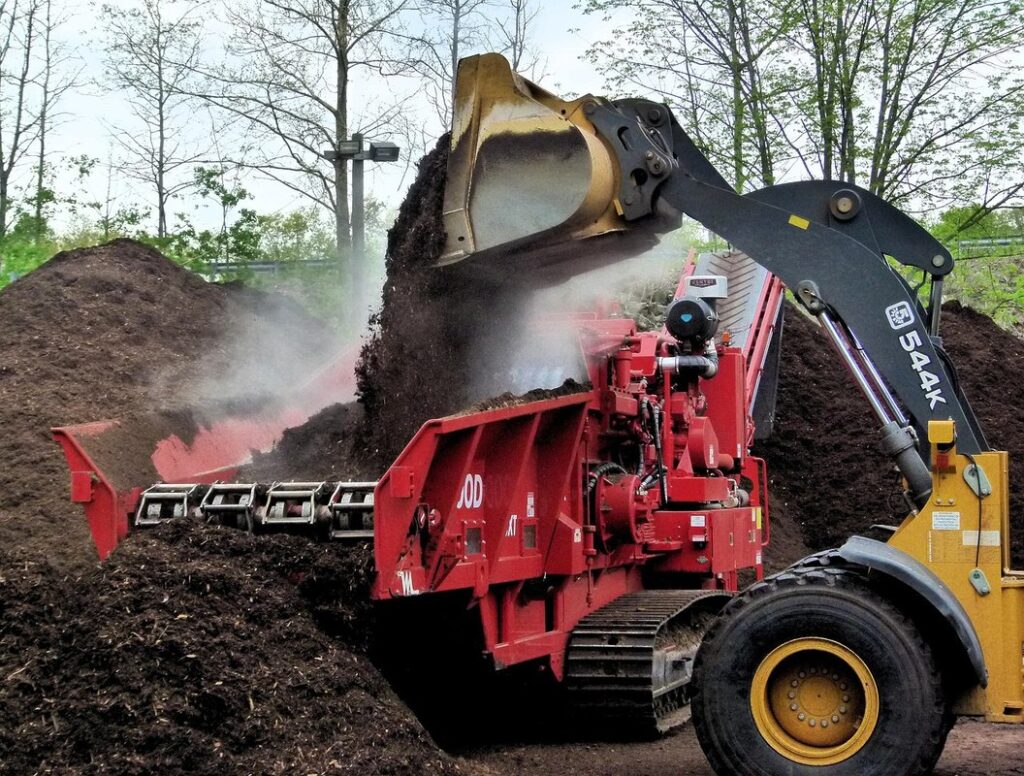
Mulch is a layer of organic material spread on top of the soil to retain moisture and suppress weeds, while compost is a nutrient-rich mixture created from decomposed plant and food waste.
What is Mulch and How Does it Work?
Mulch plays a vital role in maintaining healthy soil conditions. At its core, mulch is a layer of organic material applied to the surface of the soil to retain moisture, suppress weeds, and regulate soil temperature. This simple yet effective technique has been used for centuries by gardeners and farmers alike.
There are various types of mulch available, including wood chips or shavings, bark, straw, and even leaves. Each type offers its own set of benefits, but they all share the same goal: to protect and improve the soil. Mulch helps retain moisture in the soil by reducing evaporation and preventing water from seeping too quickly into the ground. This is especially important during dry spells when plants need consistent hydration.
Mulch also suppresses weeds by blocking light and preventing seed germination. As an added bonus, mulch can help regulate soil temperature, keeping it cooler in the summer and warmer in the winter. This allows plants to grow more consistently, reducing stress caused by extreme temperatures. By incorporating mulch into your gardening routine, you’ll be well on your way to creating a healthy, thriving ecosystem.
What is Compost and Its Importance in Gardening
Compost is a rich, nutrient-dense soil amendment made from decomposed organic matter. It’s essentially a blend of kitchen scraps, yard trimmings, and other biodegradable materials that are allowed to break down naturally over time. This process occurs through the work of microorganisms like bacteria, fungi, and protozoa, which feed on the carbon-rich materials and release nutrients as waste products.
The significance of compost in gardening can’t be overstated. It plays a vital role in maintaining healthy soil structure by improving its water-holding capacity, aeration, and overall fertility. Compost also helps to regulate the ecosystem balance in your garden by attracting beneficial microorganisms that fight off pests and diseases. For example, adding compost to your soil can increase its carbon-to-nitrogen ratio, which promotes the growth of beneficial microbes that fix nitrogen from the air.
To make effective use of compost, aim to create a mix that’s rich in organic matter (at least 30% by volume) and has a crumbly texture. You can achieve this by maintaining a balanced carbon-to-nitrogen ratio during decomposition – approximately 2/3 “brown” materials (dried leaves, straw, etc.) and 1/3 “green” materials (food scraps, grass clippings, etc.).
Comparison of Mulch and Compost: Key Differences
Now that we’ve explored the benefits and types of mulch, let’s dive into the key differences between mulch and compost to help you make an informed decision. We’ll break down what sets these two popular soil amendments apart.
Physical Properties and Aesthetics
When it comes to choosing between mulch and compost, their physical properties and aesthetics play a significant role. Mulch is typically made from organic materials like wood chips, bark, or leaves that are broken down into smaller pieces. This results in a coarse texture that can vary depending on the type of material used. In contrast, compost is a nutrient-rich soil amendment made from decomposed plant and animal waste. Its texture is generally finer and more uniform than mulch.
In terms of appearance, mulch often has a distinct color and pattern due to the presence of wood fibers or other organic matter. Compost, on the other hand, tends to be darker and more uniform in color. When it comes to garden design, both mulch and compost can enhance the aesthetic appeal of your outdoor space. Mulch can help suppress weeds and retain moisture, while adding a decorative touch with its varied texture and color. However, if you’re looking for a more subtle, natural appearance, compost is an excellent option that blends seamlessly into your garden landscape.
Nutrient-Richness and Fertility
When it comes to providing essential micronutrients and macronutrients to plants, both mulch and compost have their own unique strengths. Mulch is often high in organic matter content, which acts as a slow-release fertilizer, providing carbon-rich nutrients to the soil over time. However, its nutrient contribution can be limited if it’s not derived from nutrient-rich materials like leaf litter or manure.
On the other hand, compost is a rich source of both macronutrients (nitrogen, phosphorus, potassium) and micronutrients (boron, copper, zinc). The nutrient content of compost depends on its ingredients and decomposition process. A well-made compost can contain up to 50% organic matter, which improves soil fertility and structure.
In contrast to mulch, compost is more dynamic in terms of its nutrient contribution. As it breaks down, it releases a broad spectrum of nutrients that are readily available for plant uptake. This makes compost an excellent choice for gardeners who want to support the growth of plants with a range of essential micronutrients and macronutrients.
To maximize the fertility benefits of mulch or compost, gardeners should focus on sourcing high-quality materials. For compost, this means incorporating a diverse mix of green and brown materials into the pile, along with bulking agents like straw or shredded newspaper to improve airflow and carbon-to-nitrogen ratios.
Composting vs Mulching: Choosing the Right Method for Your Garden
When it comes to choosing between composting and mulching, understanding the benefits of each method is key to making an informed decision that suits your garden’s needs. This section will break down the main differences between these two popular soil amendments.
Factors Influencing Your Decision
When deciding between composting and mulching for your garden, several factors come into play. The size of your garden is a significant consideration. For smaller gardens, mulching might be the more efficient option as it requires less space and can be easily replenished. In contrast, larger gardens may benefit from composting, which can provide a consistent supply of nutrient-rich soil amendments.
Climate also plays a crucial role in this decision. If you live in an area with high rainfall or humidity, mulching might be the better choice to prevent waterlogged soil conditions. On the other hand, if your climate is dry, composting could help retain moisture and support healthier plant growth.
Budget is another essential factor. While composting can be cost-effective in the long run, initial investment in materials and equipment may be higher than mulching. Finally, personal preferences come into play – some gardeners prefer the hands-on process of composting, while others appreciate the ease and convenience of mulching.
Step-by-Step Guide to Implementing Each Method
Implementing each method requires careful planning and execution. Start by preparing the area where you’ll be placing mulch or compost. Clear the space of debris, weeds, and roots to ensure a smooth application process.
For mulching, apply a 2-3 inch layer of organic material such as wood chips, bark, or leaves around plants. Keep the mulch at least 6 inches away from plant stems to prevent rotting. Water thoroughly after applying mulch to settle it in place.
When composting, set up a designated area for your bin and collect materials like food waste, leaves, and grass clippings. Aim for a mix of 2/3 brown materials (dried leaves, straw) and 1/3 green materials (food scraps, grass). Keep the pile moist but not waterlogged, turning it every few days to aerate.
Regular maintenance is crucial for both methods. Mulch may need replenishing after heavy rainfall or extreme temperatures, while compost piles require occasional turning to ensure decomposition. Troubleshoot issues like moldy mulch by adding more brown materials or aerating the pile to prevent anaerobic conditions.
The Environmental Impact of Mulch vs Compost
When it comes to reducing waste and creating a more sustainable garden, understanding the environmental impact of mulch versus compost is crucial. Let’s examine how these two soil amendments affect the environment.
Resource Consumption and Waste Reduction
When it comes to mulch vs compost, resource consumption and waste reduction are crucial factors to consider. Mulch is often derived from wood chips or bark, which requires significant amounts of energy for processing and transportation. In contrast, composting reduces waste by turning organic materials into a valuable nutrient-rich soil amendment.
According to the US Environmental Protection Agency (EPA), yard trimmings alone account for approximately 37% of municipal solid waste in the United States. Composting these materials instead of sending them to landfills can significantly reduce greenhouse gas emissions and conserve natural resources. For instance, composting organic matter can save up to 30% of energy used for wastewater treatment.
To make a more environmentally friendly choice, consider using locally sourced mulch or compost from your own yard waste. You can also start a small-scale composting operation at home using worms (vermicomposting) or traditional methods with microorganisms. By doing so, you’ll be reducing waste, conserving resources, and creating a nutrient-rich soil amendment for your garden.
Benefits to Soil Microbiology and Ecosystem Health
When it comes to soil microbiology and ecosystem health, both mulch and compost have distinct roles. Compost, being a nutrient-rich amendment, supports the growth of beneficial microorganisms like bacteria and fungi that break down organic matter and recycle nutrients.
Mulch, on the other hand, creates an environment conducive to microbial activity by regulating soil temperature and moisture levels. This allows for the proliferation of beneficial microbes in the surrounding soil, which contributes to ecosystem health.
For instance, mulched areas tend to have higher populations of mycorrhizal fungi, which form symbiotic relationships with plant roots, increasing nutrient uptake efficiency and promoting soil structure.
By incorporating compost into your gardening practices, you can intentionally foster these microorganisms. To do so, aim for a mix that includes 20-30% finished compost and 70-80% aged mulch or other organic matter. This balance allows beneficial microbes to thrive while minimizing potential pathogens.
Long-Term Consequences of Mulch vs Compost Use
When deciding between mulch and compost, it’s essential to consider their long-term effects on your garden’s health and ecosystem. We’ll explore these consequences in detail below.
Soil Degradation Prevention
Soil degradation is a critical concern for gardeners and farmers alike. Mulch and compost can both help prevent this issue, but their effectiveness varies over time. Mulch acts as a physical barrier, reducing soil erosion and retaining moisture. However, it can eventually break down, lose its effectiveness, and contribute to the very problem it’s trying to solve.
Compost, on the other hand, is a nutrient-rich amendment that promotes soil fertility and structure. As it breaks down, it releases beneficial microbes that help to solubilize minerals and make them available to plants. Regular applications of compost can lead to increased soil carbon levels, improved water retention, and enhanced overall health.
To maintain fertility over time, consider the following strategies: Incorporate 2-4 inches of compost into your soil annually; use a combination of mulch and compost for optimal results; monitor your soil’s pH and nutrient levels regularly; and incorporate cover crops or green manure to replenish nutrients and structure. By adopting these practices, you can prevent soil degradation and maintain a healthy, thriving garden ecosystem. Regular maintenance is key to reaping the long-term benefits of using mulch and compost.
Sustainable Practices for Home Gardens and Farms
To create a thriving and sustainable home garden or farm, it’s essential to integrate environmentally friendly practices into your daily routine. One key area of focus is optimizing the use of mulch and compost in conjunction with other eco-friendly methods.
When using mulch, consider implementing a “mulch layering” technique, where you apply a 2-3 inch thick layer of organic material around plants, followed by a thin layer of wood chips or straw. This approach not only retains moisture but also suppresses weed growth and regulates soil temperature. For example, a study by the University of California, Davis found that mulch application reduced water consumption by up to 50% in drought-prone areas.
On the other hand, composting is an excellent way to recycle kitchen scraps and yard waste into nutrient-rich soil amendments. To maximize compost use, consider implementing a “compost tea” system, where you steep a mixture of compost and water for 24 hours before applying it as a foliar spray or soil drench. This approach can increase crop yields by up to 25% while reducing the need for synthetic fertilizers.
By combining mulch and compost use with other sustainable practices, such as rainwater harvesting and cover cropping, you’ll be well on your way to creating a thriving and environmentally conscious home garden or farm.
Real-World Applications and Success Stories
Now that you know the benefits of mulch and compost, let’s dive into how real gardeners are using them to get amazing results in their own yards.
Case Studies of Successful Composting and Mulching Initiatives
Let’s take a closer look at some real-world applications of composting and mulching. One notable example is the city of San Francisco’s “Green Cart” program, which provides composting bins to residents and collects food waste for composting. The city has been able to divert over 80% of its organic waste from landfills, reducing greenhouse gas emissions and creating a nutrient-rich soil amendment for local gardens.
Another successful initiative is the Seattle-based organization, P-Patch Community Gardens, which uses mulch and compost in its community garden program. Gardeners at P-Patch use a combination of wood chips and compost to create rich soil that supports a wide variety of fruits, vegetables, and flowers. This approach has not only improved crop yields but also created a thriving ecosystem that attracts local pollinators.
One challenge many cities face is the cost and logistics of implementing large-scale composting programs. However, some innovative solutions are emerging. For example, the city of Portland’s “Composting at Home” program provides residents with free composting bins and guidance on how to use them effectively. The result has been a significant increase in residential composting rates, with over 30% of households now participating.
One key takeaway from these initiatives is the importance of community engagement and education. Successful composting and mulching programs often require buy-in from residents, gardeners, and local businesses. By providing clear guidance and resources, cities can empower their citizens to take action and make a positive impact on their environment.
Frequently Asked Questions
Can I use mulch and compost together, or should I choose one over the other?
You can definitely use both mulch and compost together to achieve optimal results. In fact, combining them can enhance their individual benefits. Mulch helps retain moisture and suppress weeds, while compost adds nutrients and improves soil fertility. Simply apply a layer of compost and then top it with a layer of mulch for a more effective gardening strategy.
How often should I replenish or replace mulch and compost in my garden?
The frequency of replenishing or replacing mulch and compost depends on various factors, including the amount used, climate, and soil type. As a general rule, you may need to refresh your mulch every 6-12 months, while compost can be replenished every year or two. Monitor your soil conditions, and adjust accordingly based on your specific gardening needs.
Can I make my own compost at home using kitchen waste?
Making your own compost is a fantastic way to reduce waste and create a nutrient-rich fertilizer for your garden. You can use a variety of organic materials like food scraps, leaves, and grass clippings in a compost bin or pile. Just be sure to balance ‘green’ (nitrogen-rich) with ‘brown’ (carbon-rich) materials, and maintain adequate moisture and airflow.
How do I know which type of mulch is best for my garden: organic or inorganic?
When choosing between organic and inorganic mulches, consider the specific needs of your plants and soil. Organic mulches like wood chips or bark are generally safer for plants and improve soil health over time. Inorganic options like plastic sheeting may provide temporary benefits but can harm plants and the environment if not disposed of properly.
Can I use compost tea as a substitute for regular compost?
While compost tea can be a valuable addition to your gardening routine, it’s not a direct substitute for regular compost. Compost tea is a liquid solution made by steeping compost in water, providing beneficial microorganisms to plants and soil. However, it should complement, rather than replace, the use of regular compost as a primary soil amendment.