
Are you tired of struggling with poor soil that refuses to retain moisture or support healthy plant growth? You’re not alone! Improving your garden’s soil structure can be a game-changer, and it’s easier than you think. With a few simple tweaks, you can create a thriving ecosystem that will have your plants blooming in no time. But where do you start? The first step is to test and analyze your soil, identifying common problems like compaction and erosion that can undermine all your hard work. In this article, we’ll share expert tips on how to improve your garden’s soil structure, from testing and analyzing to correcting common issues. By the end of it, you’ll be well on your way to growing a lush, vibrant garden that will bring joy to your life for years to come.
Understanding Garden Soil Basics
When it comes to improving garden soil structure, understanding the basics is crucial. Let’s dive into what makes up your soil and how to identify its composition.
What is Garden Soil Made Of?
Garden soil is a complex mixture of minerals, organic matter, and water that provides the foundation for plant growth. At its core, garden soil consists of minerals such as sand, silt, and clay, which determine its texture and structure. These minerals are present in varying proportions depending on the type of soil.
For example, sandy soils have a high proportion of sand particles, making them well-draining but also prone to nutrient loss. Clay soils, on the other hand, have a high proportion of clay particles, making them retain water and nutrients but also compacting over time. Loamy soils strike a balance between these two extremes, with good drainage and fertility.
In addition to minerals, garden soil contains organic matter such as decaying plant roots, animal manure, and microorganisms. This organic matter helps to improve soil structure by breaking up clay particles and increasing the water-holding capacity of the soil. Aim to maintain a balance of 5-10% organic matter in your garden soil to support healthy microbial activity.
Importance of Soil Structure in Plant Growth
When it comes to plant growth, soil structure plays a vital role that often goes unnoticed. However, understanding its significance is crucial for creating a healthy and thriving garden. The way particles are arranged and held together within the soil matrix has a direct impact on how well roots can develop, nutrients can be absorbed, and water can be retained.
Soil with poor structure may lead to slow root growth, decreased nutrient uptake, and increased susceptibility to drought. On the other hand, well-structured soil allows for optimal root development, efficient nutrient absorption, and better water retention. This not only supports plant growth but also reduces the need for frequent watering and fertilization.
Improving soil structure is essential for a healthy garden as it ensures that plants receive what they need to thrive. By breaking up compacted soils or adding organic matter, you can create an ideal environment for roots to grow deep and strong, leading to healthier and more resilient plants.
Testing and Analyzing Your Garden Soil
Now that you have a good idea of what healthy soil looks and feels like, it’s time to put your skills into action by testing and analyzing your garden soil. This step will help you identify any nutrient deficiencies or structural issues.
How to Take a Soil Sample
When it comes to improving garden soil structure, understanding its composition and condition is crucial. To get an accurate picture of your soil’s health, you’ll need to take a representative sample. This involves collecting a small amount of soil from various locations in your garden and combining them for analysis.
To do this correctly, start by selecting five to ten spots in your garden that are representative of the entire area. These should include areas with different types of plants, as well as any slopes or drainage issues. Use a shovel or trowel to scoop up about one to two inches of soil from each location, avoiding any rocks, debris, or roots.
Next, combine all the collected samples in a bucket or container and mix them thoroughly. This will give you a composite sample that accurately represents your garden’s overall soil conditions. Be sure to label the sample with your name, address, and date, and include any relevant information about your garden, such as types of plants and fertilizers used.
Finally, store the sample in an airtight container or plastic bag for transportation to a testing laboratory or to be analyzed at home using a DIY kit. It’s essential to follow these correct sampling techniques to get accurate results and develop an effective plan to improve your garden soil structure.
Common Methods for Analyzing Soil Structure
When assessing your garden’s soil structure, it’s essential to understand its composition and characteristics. One of the most common methods for analyzing soil texture is through a process called particle size analysis. This involves separating the soil into its individual components, including sand, silt, and clay particles.
To perform this test, you’ll need a set of sieves with different mesh sizes and a soil sample. Start by removing any debris or rocks from the sample, then proceed to separate the particles using the sieves. The resulting mixture will give you an idea of your soil’s texture classification: sand, silt, clay, loam, or a combination.
Another crucial aspect is pH testing, which can be done using a pH meter or litmus paper. Soil pH affects nutrient availability and microbial activity, so it’s vital to ensure the optimal range for your plants (most vegetables prefer a slightly acidic to neutral soil pH). You’ll also want to conduct nutrient assessments by sending a sample to a lab for analysis.
When performing these tests, keep in mind that accurate results depend on proper sampling techniques. It’s recommended to collect multiple samples from different areas of your garden and mix them together before testing. This will give you an average reading and help identify any potential issues.
Identifying and Correcting Soil Problems
When you notice issues with your garden soil, it’s essential to identify the problem and take corrective action before it affects plant growth. This involves analyzing common soil problems and implementing solutions.
Compaction: Causes, Symptoms, and Solutions
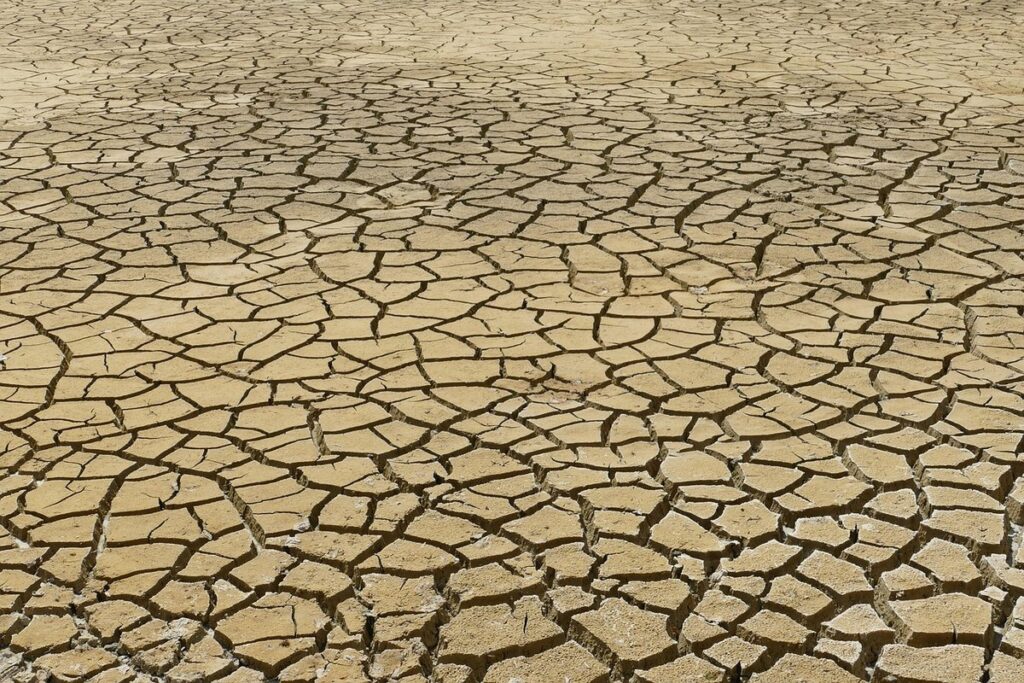
Compaction can have a significant impact on soil structure, making it challenging for plants to grow. This occurs when soil is subjected to repeated pressure from foot traffic, machinery, or heavy rain, causing the soil particles to become tightly packed and lose their natural pore space.
As a result of compaction, water cannot penetrate easily, and roots struggle to break through the dense soil matrix. This can lead to poor drainage, reduced root growth, and increased risk of plant disease. For example, if you notice that your plants are experiencing yellowing leaves or stunted growth despite adequate watering, it could be a sign of compaction.
To correct compaction, consider implementing methods such as aeration, which involves loosening the soil using specialized equipment to improve air circulation and promote healthy root development. Adding organic matter like compost or well-rotted manure can also help break up compacted soil layers by increasing its water-holding capacity and allowing roots to grow more freely.
Remember, prevention is key: take steps to minimize compaction in the first place by using mulch to protect your soil from excessive foot traffic or incorporating cover crops that help to break up compacted areas.
Erosion and Water Runoff Issues
Erosion and water runoff can be devastating to garden soil structure. When rainfall is intense or prolonged, it can cause topsoil to wash away, leading to nutrient loss and soil degradation. This not only affects the health of plants but also makes maintenance more challenging.
If left unchecked, erosion and water runoff issues can become a vicious cycle, causing further damage over time. For instance, when topsoil is eroded, it exposes the subsoil, which lacks essential nutrients and organic matter. This, in turn, reduces soil’s ability to retain moisture and support plant growth. On the other hand, excessive water flow can also lead to nutrient leaching, further depleting the soil of its fertility.
To address these issues, consider implementing techniques like terracing or installing swales. Mulching is another effective method that helps absorb excess rainfall and reduce erosion risk. By incorporating these methods into your garden design, you can mitigate erosion and water runoff effects while improving soil structure and overall health.
Building a Well-Structured Soil Profile
To build a well-structured soil profile, you’ll need to focus on creating a balance between soil texture, structure, and porosity. This is where careful layering and nutrient addition come into play.
Adding Organic Matter: Types and Benefits
When it comes to building a well-structured soil profile, adding organic matter is a crucial step. Organic matter can be thought of as the “food” for beneficial microorganisms that live in the soil, and by incorporating these materials into your garden, you’ll not only improve soil structure but also increase its fertility.
There are several types of organic matter that can be added to your soil, including compost, manure, and peat moss. Compost is perhaps the most popular option, as it’s a nutrient-rich mixture made from decomposed plant material. It’s easy to make at home or purchase in bags, and when incorporated into your soil, it improves its water-holding capacity and fertility.
Manure, on the other hand, is high in nitrogen and phosphorus, making it an excellent choice for gardens with heavy fertilization needs. Peat moss, a type of acidic, highly absorbent material, helps to improve drainage and prevent waterlogging.
Incorporating these materials into your garden can have numerous benefits, including improved soil structure, increased fertility, and enhanced drainage. By adding organic matter, you’ll be creating an ideal environment for beneficial microorganisms to thrive, which in turn will help to break down complex nutrients and make them available to plants.
Incorporating Worms for Nutrient Cycling
Earthworms play a vital role in decomposing organic matter and improving soil aeration, which are essential for maintaining a healthy garden. These underground ecosystem engineers break down decaying plant material into nutrient-rich humus, making it easily accessible to plants. By consuming and processing waste, earthworms help prevent the buildup of excess organic matter that can lead to anaerobic conditions, resulting in reduced oxygen availability and stunted root growth.
To encourage worm populations in your garden, start by incorporating compost and well-rotted manure into the soil. Avoid over-tilling, as this can disrupt their habitats and cause them stress. Mulch around plant bases to retain moisture and suppress weed growth, creating a favorable environment for earthworms to thrive. By adopting these practices, you’ll not only create an inviting space for worms but also foster a balanced ecosystem that will naturally regulate nutrient cycling, improving the overall soil structure in your garden. This synergy can lead to healthier, more resilient plants, and a more sustainable gardening practice.
Long-Term Strategies for Maintaining Healthy Soil
Now that we’ve covered how to improve your soil’s structure, let’s focus on implementing long-term strategies to keep it healthy and thriving over time. This involves creating a sustainable ecosystem for your garden.
Mulching: Its Role in Soil Conservation
Mulching plays a vital role in soil conservation by regulating soil temperature, retaining moisture, and suppressing weeds. When applied correctly, mulch can reduce soil temperature fluctuations, preventing extreme heat and cold that can harm plant roots. This results in improved root growth, increased nutrient uptake, and better overall plant health.
In terms of water retention, mulch acts as a barrier, reducing evaporation and runoff. Organic mulches like wood chips or bark retain up to 20% more moisture than bare soil, while also improving soil structure over time by adding organic matter.
Weeds are another issue mulching can effectively address. Mulch suppresses weed growth by blocking light and preventing seeds from germinating. Popular mulch materials include straw, leaves, pine needles, and gravel for pathways. When choosing a mulch, consider its pH level and potential impact on soil chemistry. For example, cedar mulch is acidic and should be used with caution in alkaline soils.
Crop Rotation and Cover Cropping Techniques
Crop rotation and cover cropping are two powerful techniques for maintaining a balanced soil ecosystem. By incorporating these methods into your garden, you can improve fertility, reduce pests and diseases, and create a thriving environment for plants to grow.
To start, crop rotation involves rotating different crops through the same bed to break disease cycles and nutrient depletions. For example, if you’re growing tomatoes in a particular spot, try moving them to a new location for the next season. This not only helps prevent diseases from building up but also replenishes soil nutrients that may have been depleted by previous crops.
Cover cropping is another essential technique. By planting cover crops like clover or rye between harvest seasons, you can add organic matter to your soil, suppress weeds, and even attract beneficial insects. Simply sow the seeds after harvesting your main crop, and let them grow until it’s time to plant again. Not only will this improve soil fertility, but it’ll also reduce erosion and create a welcoming environment for future crops.
By implementing these techniques, you’ll be well on your way to creating a balanced soil ecosystem that sets up your garden for long-term success.
Conclusion: The Path to Perfect Garden Soil
In conclusion, achieving perfect garden soil structure requires a multi-step approach that involves understanding your soil type, testing its pH levels, and implementing a comprehensive plan to improve its condition. By incorporating organic matter, adjusting the pH level, and minimizing erosion, you can create an optimal environment for healthy plant growth. It’s essential to be patient and consistent in your efforts, as improving garden soil structure is not a one-time task but a continuous process that requires regular maintenance. With time and dedication, you’ll notice significant improvements in the overall health and productivity of your garden, making it a haven for your favorite plants to thrive.
Frequently Asked Questions
What if I’m not sure where to start with testing and analyzing my soil?
Don’t worry, it’s a common challenge! Begin by identifying areas of your garden that are struggling the most. Then, use a simple DIY test kit or send a sample to a lab for analysis. This will give you a baseline understanding of your soil’s pH levels, nutrient content, and structure.
Can I improve my soil structure without adding too much organic matter?
Yes, it is possible! Focus on incorporating smaller amounts of high-quality compost or well-rotted manure into the top 6 inches of soil. This will help to increase aeration, reduce erosion, and support beneficial microorganisms. Start with small increments (about 1/4 inch deep) and gradually build up over time.
How can I prevent compaction on heavy clay soils?
To prevent compaction on heavy clay soils, prioritize incorporating air pockets by adding organic matter like straw or shredded leaves. This will help to improve drainage and reduce the density of your soil. Additionally, consider using raised beds or containers with improved drainage systems.
What’s the best way to integrate worm composting into my existing garden routine?
To integrate worm composting effectively, start by setting aside a dedicated space for the worms (about 1-2 square feet). Add a mix of bedding materials like shredded newspaper and coconut coir, followed by a layer of worms. Monitor temperature, moisture levels, and pH to ensure optimal conditions.
How often should I test my soil’s structure after implementing changes?
Test your soil’s structure every 6-12 months to monitor progress and identify areas for improvement. This will help you adjust your strategies accordingly and prevent issues like nutrient depletion or erosion. Keep records of your testing results to refine your approach over time.