
Neutral soil can be a bit tricky to work with when it comes to planting. On one hand, it has its benefits – it’s well-drained and doesn’t hold too much water, which makes it ideal for plants that don’t like wet feet. But on the other hand, neutral soil often lacks essential nutrients, making it difficult to grow plants that thrive in rich soil conditions.
If you’re a gardener struggling to get your plants to bloom in neutral soil, this article is for you. We’ll explore how to choose the right plants for your neutral soil garden, covering the basics of plant selection and care. From troubleshooting common issues like leaf discoloration and stunted growth to providing tips on fertilizing and pruning, we’ve got you covered. Whether you’re a seasoned green thumb or just starting out, this guide will walk you through everything you need to know about growing thriving plants in neutral soil conditions.
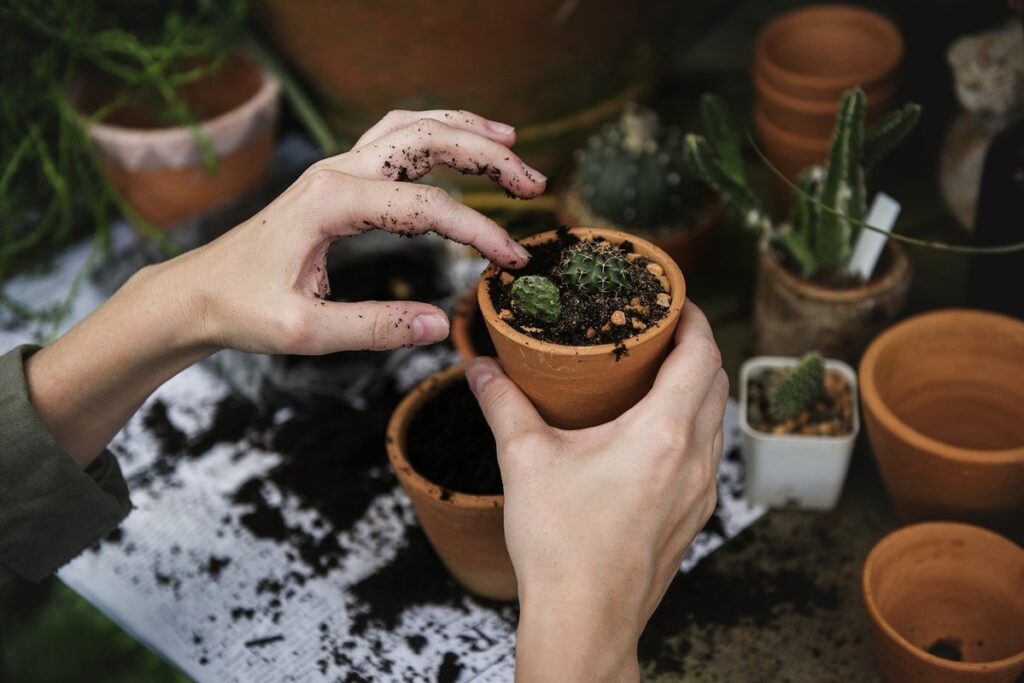
Choosing the Right Plant Species
When selecting a plant species for neutral soil, it’s essential to consider factors such as moisture requirements and sunlight needs to ensure your chosen plants thrive. Let’s explore some popular options that fit this bill perfectly.
Understanding Soil pH and Its Impact on Plant Growth
Soil pH plays a crucial role in determining which plants will thrive on neutral soil. When it comes to plant growth, soil pH is like the perfect cup of coffee – it’s all about finding that sweet spot. Too acidic or too alkaline, and your plants may struggle to survive.
On the pH scale, 7 is considered neutral, ranging from 0-14. Acidic soils have a lower pH (typically below 6), while alkaline soils are higher (above 8). Most plant species prefer slightly acidic to neutral soil conditions. However, there are some plants that excel in more extreme environments.
For example, the Azalea and Rhododendron family thrives in acidic soils with a pH between 5.5-6.5. On the other end of the spectrum, succulents like Aloe Vera and Echeveria prefer alkaline conditions with a pH above 7.2. When choosing plants for your neutral soil garden, consider what type of soil pH these species require.
When working with neutral soil (pH around 7), you can still choose from a wide variety of plant species that will adapt well to the environment. Consider incorporating native plants or those specifically bred for neutral soils, which often come with natural resistance to common pests and diseases.
Selecting Plants for Neutral Soils
When it comes to selecting plants for neutral soils (pH 7), choosing species that thrive in these conditions is essential for their survival. Neutral soils are neither too acidic nor alkaline, making them a stable environment for plant growth.
Plants suitable for neutral soils tend to have adaptations that enable them to tolerate the moderate pH levels. For example, grasses like Kentucky bluegrass and perennial ryegrass are popular choices for lawns in areas with neutral soil conditions.
When selecting plants for your neutral soil garden or lawn, consider the following characteristics:
• Deep roots: Plants with deep root systems can access water and nutrients more efficiently in neutral soils.
• Tolerant leaves: Leaves that are resistant to drought or extreme pH fluctuations will perform better in neutral conditions.
• Adaptability: Plants that can adapt to changing temperatures and precipitation levels will thrive in areas with neutral soil.
Examples of popular plant species for neutral soils include hostas, coneflowers, and black-eyed Susans. These plants come in a variety of shapes, sizes, and colors, making them easy to incorporate into your garden design.
Understanding Soil Composition
Soil composition is a crucial factor to consider when choosing plants for your garden, and understanding its properties will help you select the right species.
It’s influenced by factors like pH levels, nutrient availability, and texture, all of which affect how well roots can absorb water and essential nutrients.
The Importance of Nutrient Balance in Neutral Soils
When it comes to neutral soils, achieving a balanced nutrient profile is crucial for plant health and growth. Macronutrients like nitrogen (N), phosphorus (P), and potassium (K) play a significant role in this process. Nitrogen is essential for leaf development and root growth, while phosphorus promotes healthy root development and flower/fruit production. Potassium helps with overall plant resistance to disease and stress.
A balanced nutrient profile means providing the right amount of these macronutrients to your plants. Too little nitrogen can result in stunted growth, while too much can cause excessive vegetative growth at the expense of fruiting. Phosphorus deficiency can lead to weak roots and poor flower/fruit production, whereas an overabundance can cause an abundance of leaves but no fruit.
To achieve a balanced nutrient profile in neutral soils, consider getting a soil test done to determine your soil’s specific nutrient levels. Then, apply a fertilizer that provides a balanced mix of nitrogen, phosphorus, and potassium (e.g., 10-10-10 N-P-K). Also, incorporate organic matter like compost or manure into the soil to improve its water-holding capacity and overall fertility.
Factors Influencing Soil Fertility
Soil fertility is a complex phenomenon influenced by various factors. One key factor is organic matter content, which plays a vital role in maintaining soil health. As organic matter decomposes, it releases essential nutrients that plants require for growth. Aim to add 2-4% of organic matter to your neutral soil through composting or using natural fertilizers.
The pH level of the soil also significantly impacts fertility. Neutral soils typically have a pH range between 6.5 and 7.5. However, even within this range, subtle variations can affect nutrient availability. For instance, slightly acidic soils (pH 6-6.5) may limit phosphorus uptake by plants.
Nutrient availability is another critical aspect of soil fertility. Neutral soils often lack essential micronutrients like iron and zinc, which are crucial for plant growth. Regularly test your soil to determine its nutrient profile and take corrective measures accordingly. Consider adding organic amendments or using targeted fertilizers based on the results.
When planting in neutral soils, focus on crops that are adapted to these conditions. Some examples include vegetables like carrots, beets, and broccoli. By understanding the interplay between these factors, you can optimize soil fertility and promote healthy plant growth.
Plant Care for Neutral Soils
Neutral soil plants require a bit more TLC when it comes to care, as their specific needs can vary greatly depending on the type of plant. Let’s dive into some essential tips for keeping your neutral soil plants thriving!
Watering Strategies for Neutral Soil Plants
Watering neutral soil plants requires a delicate balance between providing enough moisture and avoiding overwatering. Since neutral soils have moderate acidity, they tend to retain more water than acidic or alkaline soils. This means that the risk of overwatering is higher, which can lead to root rot and other issues.
To determine the right watering schedule for your neutral soil plants, check the soil moisture by inserting a finger into the soil up to the knuckle. If the soil feels dry, it’s time to water. However, if it still feels damp, wait another day or two before checking again.
It’s essential to note that some plants are more drought-tolerant than others. For example, succulents and cacti can thrive in neutral soils with minimal watering. On the other hand, plants like ferns and peace lilies prefer consistently moist soil. Be sure to research your specific plant’s needs before adjusting its watering schedule.
To avoid overwatering, water your plants thoroughly until you see water coming out of the drainage holes. This ensures that excess moisture can escape, reducing the risk of root rot and other problems.
Fertilization Needs of Neutral Soil Plants
When it comes to fertilizing plants grown in neutral soils, it’s essential to strike the right balance between providing necessary nutrients and avoiding over-fertilization. Neutral soil plants typically require a balanced fertilizer that contains equal amounts of nitrogen (N), phosphorus (P), and potassium (K).
As you’re deciding on a fertilizer type, consider whether you prefer organic or synthetic options. Organic fertilizers, such as compost tea or fish emulsion, release nutrients slowly and promote healthy microbial activity in the soil. These natural alternatives are often preferred by gardeners who prioritize environmental sustainability.
Synthetic fertilizers, like ammonium sulfate or potassium nitrate, provide a quick boost of nutrients but can deplete soil life if overused. They’re best used sparingly during times of high growth demand, such as when seedlings are establishing themselves. Regardless of the type you choose, apply fertilizers at the right time – typically in early spring and mid-summer for most plants.
To ensure optimal nutrient balance, have your soil tested periodically to determine its specific pH levels and nutrient content. This will help you identify areas where adjustments need to be made to create a supportive environment for your neutral soil plants.
Designing a Thriving Garden
To create a lush and vibrant garden, you’ll need to carefully consider the design elements that will bring your neutral soil plants to life in harmony. Let’s explore the key considerations for designing a thriving garden.
Creating a Balanced Plant Palette for Neutral Soils
When designing a garden with neutral soils, creating a balanced plant palette is crucial for visual interest and biodiversity. Neutral soils can be challenging to work with, but a thoughtful approach to color schemes, texture contrasts, and visual interest can make all the difference.
Start by selecting plants that thrive in neutral soils, such as coneflowers, black-eyed Susans, and Russian sage. These plants come in a range of colors, from vibrant yellows and oranges to soft pinks and purples. Consider creating a color scheme that incorporates 3-5 dominant hues, allowing for subtle variations and depth.
Add texture contrast by incorporating plants with different foliage types, such as smooth-leaved shrubs like boxwood or ornamental grasses like pampas grass. This will create visual interest and draw the eye through the garden. Consider a mix of upright growers like coneflowers and sprawling groundcovers like thyme or sedum to add depth and dimension.
Remember, a balanced plant palette should also include plants with different growth habits, such as annuals, perennials, and shrubs. This will create a dynamic and thriving ecosystem that requires minimal maintenance.
Companion Planting Techniques for Neutral Soil Gardens
Companion planting is a game-changer for neutral soil gardens. By pairing plants that complement each other in terms of growth habits, pest resistance, and nutrient requirements, you can create a thriving ecosystem that’s less susceptible to pests and diseases.
For example, marigolds repel nematodes, which are microscopic worms that feed on plant roots. Planting marigolds alongside tomatoes or cucumbers can significantly reduce the risk of root damage. Similarly, basil and mint not only add flavor to your cooking but also help to repel pests like aphids and whiteflies.
To get started with companion planting in your neutral soil garden, consider the following tips:
* Research plant combinations that work well together. A good resource is the USDA’s Plant Database, which lists companion plants for various crops.
* Choose plants that have different growth habits and maturity dates to ensure a steady supply of food throughout the season.
* Consider plants with deep taproots like comfrey or dandelion, which can bring up nutrients from deeper soil layers and make them available to other plants.
By implementing these simple techniques, you’ll be amazed at how your neutral soil garden comes alive!
Troubleshooting Common Issues
Don’t worry if you’re facing problems with your neutral soil plants – we’ve got you covered. This section will tackle common issues and provide practical solutions to get your garden back on track.
Identifying and Addressing Nutrient Deficiencies
Identifying nutrient deficiencies in neutral soil plants can be a challenge, but there are some common signs to look out for. Leaves that are pale yellow or light green may indicate a nitrogen deficiency, while yellowing leaves with green veins suggest a magnesium shortage. On the other hand, if your plant’s leaves are turning brown or crispy, it could be due to an overabundance of salt in the soil.
To identify nutrient deficiencies, start by monitoring your plants’ growth and leaf color. Keep an eye out for any unusual changes or discoloration. You can also perform a soil test to determine the pH level and nutrient content. Based on the results, you can take targeted action to address any imbalances.
For example, if your soil test reveals low levels of phosphorus, consider adding a balanced fertilizer that includes this essential macronutrient. Alternatively, if your plant is suffering from salt buildup, try flushing the soil with water to remove excess salts and replenish the nutrient-rich topsoil layer. By paying attention to these subtle signs and taking proactive steps, you can ensure your neutral soil plants receive the nutrients they need to thrive.
Managing Pests and Diseases in Neutral Soil Gardens
When it comes to neutral soil gardens, pests and diseases can be a significant concern. Unfortunately, neutral soils are more susceptible to moisture fluctuations, which creates an ideal environment for pests and diseases to thrive.
Some of the most common pests affecting plants in neutral soils include aphids, whiteflies, and spider mites. These pests feed on plant sap, causing damage to leaves and stems. To prevent infestations, use physical barriers like fine mesh or row covers to keep pests away from your plants. You can also introduce beneficial insects like ladybugs or lacewings, which prey on these pests.
Diseases such as powdery mildew, root rot, and leaf spot are also prevalent in neutral soils. These diseases thrive in moist conditions, so it’s essential to maintain good air circulation around your plants. Remove any affected leaves or stems immediately to prevent the spread of disease. Regularly inspect your plants for signs of pests or diseases and take prompt action if you notice any issues.
In addition to preventative measures, practice integrated pest management (IPM) techniques by combining physical, cultural, biological, and chemical controls. This holistic approach will help you manage pests and diseases effectively in your neutral soil garden.
Advanced Tips for Experienced Gardeners
Now that you have a solid understanding of neutral soil plants, let’s dive into some advanced techniques to take your gardening skills to the next level.
Experimenting with Unique Plant Combinations
Experimenting with unique plant combinations is one of the most exciting aspects of gardening. As an experienced gardener, you’re likely eager to push the boundaries of what’s possible on neutral soils. This means thinking outside the box and combining plants that might not seem like natural partners at first glance.
Consider pairing tall, stately grasses like pampas or blue oat grass with shorter, more compact flowers like black-eyed Susans or cosmos. Not only do these combinations create a striking visual contrast, but they also encourage beneficial insects to visit your garden. For instance, the tall grasses provide shelter for pollinators, while the smaller flowers offer nectar-rich blooms.
Another idea is to mix plants with varying textures, such as soft-leaved lamb’s ear and spiky succulents like agave or aloe. This unique blend creates visual interest and attracts a range of beneficial insects. For example, the soft leaves of lamb’s ear provide habitat for beneficial insects, while the sharp spines of succulents deter pests.
When experimenting with new plant combinations, remember to consider factors like sunlight, watering needs, and nutrient requirements. Start small, begin with one or two unusual pairings, and observe how they interact over time. This will help you refine your understanding of what works best in your specific climate and soil type.
Optimizing Soil Structure Through Mulching and Composting
As an experienced gardener, you’re likely aware of the importance of maintaining a healthy soil ecosystem. However, neutral soils can be particularly challenging to work with due to their tendency to become waterlogged and depleted of nutrients. To mitigate these issues, it’s essential to implement mulching and composting practices that enhance soil structure.
When done correctly, mulching improves soil fertility by retaining moisture and suppressing weed growth. Organic mulch materials like wood chips or bark retain up to 90% of rainfall, reducing the need for frequent watering. Additionally, as mulch breaks down, it adds essential nutrients back into the soil. Composting is another effective strategy for improving neutral soils. By incorporating a mix of green and brown materials into your compost pile, you can create a nutrient-rich amendment that enhances soil aeration and water retention.
To get started with mulching and composting, consider these tips: Create a 2-3 inch layer of organic mulch around plants, leaving space for new growth. Aim to add 1/4 cup of finished compost per square foot of soil when planting or repotting. By incorporating these practices into your gardening routine, you’ll be well on your way to creating an ideal environment for neutral soil plants to thrive.
Frequently Asked Questions
Can I still grow plants that prefer acidic or alkaline soil in neutral soil?
While it’s possible to adapt some plant species to neutral soil, it’s essential to understand that they may not thrive as well as they would in their preferred pH conditions. You can try adding amendments like sulfur or lime to adjust the pH, but this can be a trial-and-error process.
What are some common nutrient deficiencies I should watch out for in neutral soil?
Neutral soil often lacks essential nutrients like nitrogen, phosphorus, and potassium. Be on the lookout for signs of nutrient deficiencies such as leaf discoloration, stunted growth, or poor fruit production. Regular soil testing can help identify areas where you need to supplement.
How do I know when my plants are getting enough water in neutral soil?
Neutral soil dries out quickly, but overwatering can still be a problem. Monitor your plants’ watering needs by checking the soil moisture regularly, and adjust your watering schedule accordingly. Water thoroughly but infrequently to encourage deep root growth.
Can I use regular compost on my neutral soil garden?
While compost is beneficial for most soils, it may not provide enough nutrients for neutral soil. Look for compost specifically formulated for neutral pH or make your own using materials like peat moss and composted manure. Avoid adding too much compost, as this can raise the pH.
What are some companion planting techniques I can use to improve soil fertility in my neutral soil garden?
Companion planting is a great way to promote beneficial relationships between plants and improve soil health. Try pairing plants like clover, alfalfa, or beans with your main crops to fix nitrogen, reduce pests, and increase biodiversity.