
As a gardener or eco-conscious homeowner, you’re probably aware that composting is an essential step in creating nutrient-rich soil for your plants. But have you ever wondered how often to turn your compost pile? The frequency of turning your compost can make all the difference in its quality and effectiveness. If you’re not turning it frequently enough, it may become a soggy mess or even attract pests. On the other hand, turning it too often can be wasteful and disrupt the natural decomposition process. In this article, we’ll dive into the best practices for optimizing your composting frequency, taking into account climate considerations and providing you with tips on how to create perfect soil every time.
Benefits of Regular Composting
Regular composting brings numerous rewards, from improving soil structure to reducing waste and creating a nutrient-rich environment for your garden. Let’s dive into the benefits that make regular turning a worthwhile habit.
Importance of Composting in Sustainable Gardening
Composting is an essential practice for sustainable gardening, and its importance cannot be overstated. By incorporating composting into your gardening routine, you’re not only reducing waste but also creating a nutrient-rich soil amendment that promotes healthy plant growth.
When done correctly, composting can help maintain soil health in several ways. It increases the soil’s water-holding capacity, reduces erosion, and provides essential nutrients for plants to thrive. Compost acts as a natural fertilizer, releasing its nutrients slowly over time, which means you’ll reduce your reliance on synthetic fertilizers.
For gardeners, composting offers numerous benefits. By using compost, you can improve soil structure, increase crop yields, and create a more resilient ecosystem. For instance, adding compost to your soil can help suppress pests and diseases, reducing the need for chemical pesticides and fungicides.
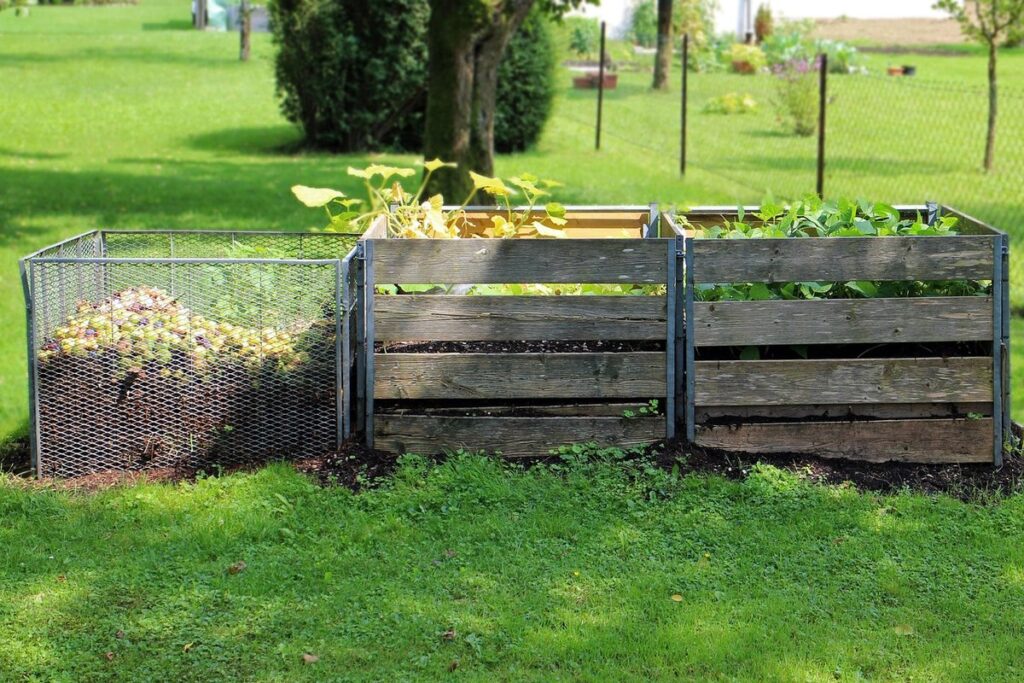
To get started with composting, begin by collecting organic waste such as food scraps, leaves, and grass clippings. Layer these materials in a designated compost bin or pile, ensuring adequate airflow to speed up decomposition. Regularly turning your compost pile will also help maintain optimal conditions for microbial activity, breaking down the organic matter into a rich, earthy compost that’s ready to use in your garden.
How Composting Impacts Climate Change
When you regularly turn compost, you’re not only creating nutrient-rich soil for your garden, but also contributing to a significant reduction in greenhouse gas emissions. The connection between composting and climate change mitigation is more direct than you might think.
As it turns out, traditional waste management practices often involve transporting organic materials to landfills, where they decompose anaerobically (without oxygen). This process releases methane, a potent greenhouse gas with 28 times the global warming potential of carbon dioxide. By composting at home or in community settings, you can divert these materials from landfills and reduce the associated emissions.
In fact, studies have shown that composting programs can mitigate up to 90% of the greenhouse gas emissions associated with traditional waste management. To make the most of this impact, focus on turning your compost regularly (every 7-10 days) to ensure it’s breaking down efficiently and aerobically. This will not only speed up the decomposition process but also minimize odors and pests. By incorporating these simple practices into your composting routine, you’ll be doing your part to combat climate change while creating a nutrient-rich soil amendment for your garden.
Compost’s Impact on Soil Ecosystems
Regular composting has a profound impact on soil ecosystems, supporting local biodiversity and fertility. By incorporating organic matter into the soil, you’re creating an environment that fosters beneficial microbial activity, improving its structure and overall health.
This process also enhances water retention, reducing soil erosion and runoff. As a result, microorganisms thrive, breaking down complex nutrients and making them available to plants. This leads to improved nutrient cycling, which in turn supports local plant and animal life. For instance, adding compost rich in phosphorus can stimulate beneficial bacteria that fix nitrogen in the soil.
The benefits of regular composting extend beyond individual gardens. By creating nutrient-rich soil, you’re contributing to a healthier ecosystem. This, in turn, supports pollinators, improves air quality, and mitigates climate change. To maximize these effects, focus on adding diverse organic materials, like kitchen scraps, leaves, and grass clippings, to your compost pile. Aim for a mix that includes “green” (nitrogen-rich) and “brown” (carbon-rich) materials in equal proportions.
Incorporating 10-20% of mature compost into your soil can have significant long-term benefits. This will create an ideal environment for beneficial microorganisms, supporting the complex relationships within local ecosystems. Regularly monitoring and adjusting your compost pile’s carbon-to-nitrogen ratio will also help optimize its impact on soil fertility and biodiversity.
Factors Affecting Composting Frequency
Factors that affect composting frequency can vary depending on your climate, waste generation rate, and personal preferences, making it essential to consider these elements when turning your compost. Understanding these factors will help you maintain a balanced compost pile.
Understanding Compostable Materials
When it comes to composting, understanding what materials can be added to your pile is crucial for successful decomposition and nutrient-rich soil creation. As you’re navigating the frequency of turning your compost, let’s break down common compostable materials that will help you optimize your process.
Food waste, including fruit and vegetable peels, cores, and rinds, are excellent additions to your compost pile. These high-carbon sources provide a food source for microorganisms, facilitating decomposition. Aim to add 2-3% of your pile’s volume in food scraps daily. Chop or shred these materials before adding them to ensure even distribution.
Yard trimmings like leaves and grass clippings are also vital components. They contribute nitrogen, which aids microbial growth. However, be cautious not to overdo it – too many yard trimmings can lead to anaerobic conditions, slowing decomposition. Aim for a mix of 2/3 “brown” materials (dry leaves, straw) and 1/3 “green” materials (food waste, grass clippings).
Paper products like newspaper, cardboard, and corrugated boxes are also acceptable additions. Shred them to prevent matting and ensure they break down evenly with other materials. When combining these materials, maintain a balance between high-carbon sources (dried leaves, straw) and high-nitrogen sources (food waste, grass clippings). This ratio will help you achieve an ideal decomposition environment for your compost pile.
Climate and Weather Considerations
When it comes to composting, temperature, humidity, and weather patterns play a significant role in determining the ideal turning frequency. Temperature is one of the most crucial factors, as high temperatures can lead to anaerobic conditions, while low temperatures slow down the decomposition process. Ideally, the pile should be maintained between 130°F and 140°F (54°C to 60°C) for optimal composting.
However, humidity levels also affect the composting process. If the pile is too dry, it can become prone to fires, whereas excessive moisture can lead to a slimy, anaerobic environment. Maintaining an ideal moisture level between 50% and 70% ensures a balanced decomposition process.
Weather patterns like rain or intense sunlight can also impact turning frequency. Excessive rainfall can make the pile soggy and difficult to turn, while prolonged exposure to direct sunlight can cause it to dry out too quickly. Keep in mind that composting is a seasonal activity; during extreme weather conditions, it’s best to slow down the process by reducing turning frequency or adding extra moisture.
When assessing your compost pile, consider factors like temperature fluctuations, humidity levels, and recent weather patterns. By monitoring these variables, you can adjust your turning frequency accordingly, ensuring a well-balanced and efficient decomposition process.
Compost Pile Size and Turn Rate
When it comes to composting frequency, understanding the relationship between compost pile size and turn rate is crucial for achieving optimal results. A general rule of thumb is to maintain a balance between these two factors.
Aim for a pile size that’s around 3-4 feet wide and 5-6 feet long – large enough to generate heat and speed up decomposition, but not so big that it becomes unwieldy. For every 1 cubic yard of compost material, turn the pile once or twice a week. This is often referred to as the “turn rate.”
Aim for a minimum of one turn per month for smaller piles (less than 3 feet wide). If you have larger piles, you’ll need to turn them more frequently – ideally every 7-10 days.
To determine your ideal turn rate, consider factors like temperature, moisture levels, and carbon-to-nitrogen ratios. Aim for temperatures between 130°F to 140°F (54°C to 60°C) and maintain a mix of 2/3 “brown” materials (dried leaves, straw) with 1/3 “green” materials (food scraps, grass clippings).
Best Practices for Turning Compost
When turning your compost, it’s essential to balance aeration and moisture levels to prevent pests, odors, and nutrient loss. This involves regular manual turning or incorporating aerating tools into your routine.
Identifying Optimal Turning Frequency
When it comes to turning compost, timing is everything. You want to turn the pile when it’s most beneficial for the decomposition process, and this depends on several factors. The temperature of the pile is one key indicator – aim to turn it when the internal temperature reaches 130-140°F (54-60°C). This usually occurs after 2-3 weeks of active composting.
Another factor to consider is moisture levels. If your pile is too dry, turning it can help redistribute water and speed up decomposition. Conversely, if it’s too wet, turn it to introduce oxygen and balance out the mix. The carbon-to-nitrogen ratio also plays a crucial role – aim for 2/3 “brown” materials (carbon-rich) to 1/3 “green” materials (nitrogen-rich). As you monitor these factors, observe your pile’s appearance: look for signs of breakdown, such as fragments of food waste disappearing or the presence of earthworms.
To determine when to turn, check on your pile every few days. Take note of its temperature using a compost thermometer, and assess moisture levels by squeezing a handful of compost – it should form a loose crumb without crumbling apart.
Techniques for Efficient Composting
When it comes to turning compost, using effective techniques can make all the difference in achieving a balanced and nutrient-rich final product. One of the most essential aspects is maintaining adequate airflow within the pile. This can be achieved by using tools such as pitchforks or compost turners that allow for efficient aeration.
Another key technique is regular monitoring of progress. Check on your compost pile every 2-3 days, especially during the first few weeks after adding new materials. This will help you identify any potential issues and make adjustments as needed. Keep an eye out for signs such as excessive moisture, heat buildup, or unpleasant odors.
To maintain a healthy balance within the pile, it’s essential to alternate between ‘green’ (nitrogen-rich) and ‘brown’ (carbon-rich) materials. For example, you might add some fresh grass clippings followed by a layer of shredded leaves or straw. This alternating pattern will ensure that your compost is both balanced and efficient.
By incorporating these techniques into your turning routine, you’ll be well on your way to creating rich, nutrient-dense compost for your garden or indoor plants.
Troubleshooting Common Composting Issues
When turning compost, it’s not uncommon to encounter issues that can slow down the decomposition process or make the experience unpleasant. Let’s address some common problems and provide solutions.
Odors are often a sign of an imbalance in the carbon-to-nitrogen ratio or insufficient oxygen flow. To minimize odors, ensure you’re adding equal parts “green” materials (high in nitrogen) like kitchen scraps and grass clippings to “brown” materials (high in carbon) such as dried leaves and shredded newspaper. Regularly turning your compost pile will also help aerate it and reduce odor-causing anaerobic conditions.
Pests, especially rodents and flies, can be attracted to the nutrient-rich environment of a compost pile. To deter them, cover your pile with a layer of brown materials or a breathable compost lid, and turn it frequently to maintain oxygen flow. Incomplete decomposition often results from inadequate moisture levels or insufficient mixing of materials.
To avoid this, aim for a mix that’s about 2/3 “brown” materials and 1/3 “green” materials. Regularly monitor the pile’s temperature – if it gets too hot (above 160°F), it may indicate inadequate oxygen flow or excessive nitrogen-rich materials.
Monitoring Progress and Adjusting Frequency
Now that you’re familiar with turning compost frequency, it’s time to consider how often to do it based on your pile’s progress. We’ll cover monitoring techniques and adjusting frequency accordingly in this section.
Using Temperature to Track Progress
Monitoring temperature is one of the most critical aspects of composting. It’s an indicator of microbial activity, which in turn shows how quickly the compost is breaking down organic matter. You can use a thermometer to take regular readings of the pile’s temperature. Aim for temperatures between 130°F and 140°F (54°C to 60°C), as this range indicates optimal decomposition.
If the temperature exceeds 160°F (71°C), it may indicate over-turning or inadequate moisture levels, leading to “cooking” – a condition where the compost becomes too hot and kills off beneficial microbes. Conversely, temperatures below 100°F (38°C) can slow down the process. Regular temperature checks will help you identify any issues and make necessary adjustments.
When interpreting readings, consider factors like pile size, location, and composition. For example, smaller piles tend to heat up faster than larger ones. Also, keep in mind that temperature fluctuations are normal, but consistent drops below 100°F (38°C) may indicate a problem.
Maintaining Moisture Levels
Maintaining optimal moisture levels is crucial for a healthy composting process. Too little water can lead to dry piles that are slow to break down and may attract pests, while too much water can create anaerobic conditions, resulting in unpleasant odors. To avoid these issues, it’s essential to monitor the moisture levels regularly.
Aim for a mix of “as-is” materials (like leaves or straw) with high-moisture ingredients like food scraps or grass clippings. This balance will help maintain a consistent moisture level. Check the compost pile daily by squeezing a handful of material; if it sticks together, it’s too wet. If it falls apart easily, it’s too dry.
Add water as needed to achieve an optimal consistency, but avoid overwatering. You can also use mulch or straw to help absorb excess moisture and maintain airflow within the pile. Aim for a balance between moisture levels of 40-60% for efficient decomposition. Regular monitoring and adjustments will ensure your compost piles stay healthy and pest-free.
Adjusting Frequency Based on Results
As you continue to monitor your compost pile’s progress, it’s essential to assess its temperature, texture, and odor to determine if adjustments are needed. Aiming for a turning frequency that balances decomposition speed with oxygen supply is key.
Check the pile’s temperature regularly by inserting a thermometer. Aim for temperatures between 130°F and 140°F (54°C to 60°C), which indicate optimal microbial activity. If the temperature consistently exceeds 160°F (71°C), it may be a sign of over-turning or inadequate carbon-rich materials.
Evaluate your compost pile’s texture by checking its moisture levels. A damp, but not soggy, consistency is ideal for microorganisms to thrive. Avoid turning the pile if it feels too dry or crumbly, as this can lead to slowed decomposition.
Pay attention to odor levels as well – a strong, pungent smell can indicate inadequate carbon-rich materials or insufficient oxygen supply. If you notice an unpleasant odor, reduce the turning frequency to allow more time for decomposition and oxygenation. Conversely, if your pile is too dry or cold, increase the turning frequency to stimulate microbial activity.
Adjusting your turning frequency based on these factors will help create a balanced composting environment, reducing odors and promoting efficient decomposition.
Advanced Composting Strategies
For more advanced composters, we’ll dive into specific techniques and strategies that can help you refine your turning schedule and achieve optimal decomposition. This includes methods like hot composting and worm farming.
Bokashi Composting: A High-Rate Method
Bokashi composting is a high-rate method that accelerates the decomposition process, allowing you to produce nutrient-rich compost in a shorter timeframe. This approach involves using microorganisms specifically designed for bokashi fermentation, which break down organic matter rapidly and efficiently.
To implement bokashi composting, start by adding the right mix of microorganisms to your compost pile. You can purchase these microbe-rich additives at most gardening stores or online. Follow the manufacturer’s instructions for application rates and mixing guidelines.
The typical bokashi fermentation process takes 1-2 weeks to complete, depending on factors like temperature, moisture levels, and carbon-to-nitrogen ratios. After fermentation is complete, mix the resulting liquid with water and pour it onto plants as a nutrient-rich fertilizer or add it to your compost pile to enhance decomposition.
Keep in mind that bokashi composting requires regular maintenance, including daily mixing and monitoring of pH levels. By implementing this high-rate method, you can significantly reduce your composting time while producing a rich, nutrient-dense end product for your garden.
Vermicomposting: Worm-Based Composting
Vermicomposting is an innovative approach to composting that utilizes worms to break down organic matter. This method offers a unique set of benefits and challenges worth exploring. For instance, vermicomposting can be an excellent option for small-scale gardeners or urban dwellers with limited space, as it requires minimal equipment and can be done indoors.
One of the key advantages of vermicomposting is its ability to process organic matter quickly – often within 1-3 months. This is due in part to the worms’ high metabolism and ability to break down complex materials like paper and food waste. Additionally, vermicomposting produces a rich, nutrient-dense compost that’s perfect for gardening.
However, there are also some challenges associated with vermicomposting. For one, it requires a controlled environment to maintain optimal temperatures and moisture levels. This can be a challenge for beginners who may struggle to balance these factors.
When setting up a worm composting bin, it’s essential to provide the right conditions for the worms. This includes maintaining a pH level between 6.5 and 7.5, keeping the temperature between 55°F and 77°F (13°C and 25°C), and ensuring adequate moisture levels. By doing so, you can enjoy the benefits of vermicomposting while minimizing its challenges.
To get started with vermicomposting, begin by acquiring a bin specifically designed for worms. You’ll also need to obtain red wiggler worms, which are well-suited for composting due to their high metabolism and ability to break down complex materials. Once your setup is in place, start adding organic matter like food waste, paper, and cardboard. Monitor the conditions closely, making adjustments as necessary to maintain optimal temperatures and moisture levels.
Ultimately, vermicomposting can be a rewarding alternative to traditional composting methods. By understanding its benefits and challenges, you can make informed decisions about incorporating this approach into your gardening routine.
Compost Tea and Other Liquid Amendments
Compost tea and other liquid amendments can be powerful tools to boost soil fertility and plant health. Compost tea is a liquid solution made by steeping compost in water, which allows the beneficial microorganisms present in the compost to infuse into the liquid. This process can create a nutrient-rich elixir that promotes healthy microbial populations in the soil.
To make compost tea at home, you’ll need a bucket or container with a lid, some compost, and water. Steep the compost in the water for 24-48 hours, then strain the mixture before applying it to your plants as a foliar spray or soil drench. You can also use a compost tea brewer, which makes the process easier and more efficient.
In addition to compost tea, other liquid amendments like worm casting tea and fish emulsion can be effective in promoting plant growth and health. When using these products, it’s essential to follow the manufacturer’s instructions for application rates and frequency to avoid over-fertilizing your plants. By incorporating liquid amendments into your gardening routine, you can create a balanced and thriving ecosystem that supports healthy plant growth and development.
Frequently Asked Questions
What’s the ideal compost pile size for efficient turning?
The ideal compost pile size is typically between 3×3 feet to 4×4 feet, depending on the available space and the amount of materials you’re composting. A smaller pile can be turned more frequently, while a larger one may require less frequent turns.
How do I determine if my compost pile is too wet or dry?
Check your compost pile’s moisture levels by inserting your hand into the center of the pile up to the elbow. If it feels damp but not soggy, it’s perfect. If it’s too dry, you can add water; if it’s too wet, let it sit for a day before turning.
Can I compost meat and dairy products?
No, meat and dairy products should be avoided in composting as they attract pests and create unpleasant odors. Stick to adding fruit and vegetable scraps, leaves, grass clippings, and other plant-based materials.
How often should I turn my compost pile if I live in a cold climate?
In colder climates, it’s essential to turn your compost pile more frequently (every 2-3 days) during the decomposition process. This helps maintain heat and accelerates breakdown of organic matter.
What’s the best way to balance carbon-rich and nitrogen-rich materials in my compost pile?
A general rule of thumb is to aim for a mix that’s 2/3 “brown” materials (e.g., leaves, straw) and 1/3 “green” materials (e.g., food scraps, grass clippings). Adjust the ratio as needed based on your specific composting setup and materials.