
Weeds can be a major nuisance in any garden or yard, but using chemical herbicides to get rid of them isn’t always the best solution. Not only can these chemicals harm the environment and our health, but they also fail to address the root cause of the problem – poor soil conditions and imbalanced ecosystems. That’s where organic weed control comes in. By learning effective methods like physical removal, using beneficial microbes with compost tea, selecting companion plants that suppress weeds, and implementing crop rotation, you can say goodbye to chemical herbicides for good. In this article, we’ll take a closer look at these techniques and provide you with the knowledge you need to naturally control weeds and create a healthier, more sustainable garden or yard.
Understanding the Importance of Organic Weed Control
When it comes to maintaining a healthy garden, understanding the importance of organic weed control is crucial for long-term success and sustainability. In this next part, we’ll explore its significance in more detail.
The Risks of Chemical Herbicides
The use of chemical herbicides for weed control has been widely adopted by many farmers and gardeners due to its effectiveness. However, it poses significant risks to both the environment and human health.
When applied to large areas, chemical herbicides can contaminate soil, water, and air, affecting not just crops but also wildlife habitats and ecosystems. Studies have shown that exposure to certain herbicides has been linked to increased cancer rates in humans, as well as reproductive problems in animals.
The World Health Organization (WHO) classifies glyphosate, a commonly used chemical herbicide, as “probably carcinogenic to humans.” Additionally, it can cause skin irritation and allergic reactions in some individuals. Moreover, the repeated use of chemical herbicides has led to the development of herbicide-resistant weed populations, reducing their effectiveness over time.
For these reasons, it’s crucial to explore sustainable alternatives to chemical herbicides for organic weed control. This includes integrated pest management (IPM) strategies that combine cultural, mechanical, and biological methods to manage weeds effectively without harming the environment or human health.
The Benefits of Organic Weed Control
When you switch to organic weed control methods, you’ll start enjoying numerous benefits for your garden and the environment. One of the most significant advantages is improved soil health. Organic weed control products work by creating an unfriendly environment for weeds to grow, which means they don’t harm beneficial microorganisms in the soil like synthetic chemicals do.
Reducing your reliance on synthetic chemicals is another major perk of organic weed control. These chemicals not only pollute waterways and soil but also pose a threat to human health. By using natural methods to control weeds, you’ll lower your risk of exposure to these hazardous substances. Moreover, many synthetic herbicides have been linked to long-term environmental damage.
In the long run, opting for organic weed control can save you money too. Synthetic chemicals may provide quick but temporary solutions, whereas natural methods often require more time and effort upfront but lead to sustained results. For instance, using mulch or cover crops as barriers against weeds can reduce your need for repeated herbicide applications, thus saving you from the financial burden of frequent purchases.
Identifying Weeds and Understanding Their Life Cycles
To effectively tackle weeds, it’s crucial you can identify them accurately, which means understanding their unique characteristics and life cycles. This knowledge is key to choosing the right control methods.
Common Types of Weeds and How to Identify Them
When it comes to tackling weeds in your garden, lawn, or agricultural setting, understanding the common types that exist is crucial. One of the most recognizable weeds is the dandelion (Taraxacum officinale), with its bright yellow flowers and jagged leaves. Another common weed is the clover (Trifolium spp.), which can be identified by its small, pink or white flowers and three-lobed leaves.
The annual weed, such as the purslane (Portulaca oleracea) and lamb’s quarters (Chenopodium album), tend to grow quickly, producing multiple generations in a single growing season. These weeds can spread rapidly through seed dispersal and rhizome production. Perennial weeds like the thistle (Cirsium spp.) and plantain (Plantago major) have a deeper root system, allowing them to survive harsh weather conditions and persist for years.
Common characteristics among these weeds include deep taproots or extensive underground networks, enabling them to draw nutrients from the soil. Their growth habits vary, but most thrive in full sun and can tolerate drought or excess moisture. By recognizing the physical characteristics and growth patterns of common weeds, you’ll be better equipped to develop effective organic weed control strategies tailored to your specific situation.
The Importance of Understanding Weed Life Cycles
Understanding weed life cycles is crucial for effective organic weed control. It’s not just about pulling out the weeds you see above ground, but also about preventing new ones from emerging. Weeds have distinct growth stages, and targeting them at each stage can greatly reduce their numbers.
For example, annual weeds like crabgrass germinate in spring, grow rapidly, and produce seeds before dying off in fall. Perennial weeds like dandelions have a more complex life cycle, with roots that persist through winter and new shoots emerging in spring. Biennials like wild mustard take two years to complete their life cycle.
To control weeds effectively, you need to consider these different stages of growth. In the pre-emergent stage (before germination), use mulch or a pre-emergent herbicide alternative to prevent seeds from sprouting. During active growth, target weeds with solarization or boiling water to scald their roots. In the seed production stage, remove flowers and seed heads to prevent new weeds from growing. By understanding weed life cycles, you can develop a targeted control strategy that reduces reliance on chemical herbicides.
Organic Methods for Weed Control
If you’re looking for effective, eco-friendly ways to control weeds without harsh chemicals, you’ve come to the right place – we’ll explore some game-changing methods in this section. From boiling water to clover, these natural solutions will revolutionize your garden’s weed-fighting strategy.
Physical Removal and Mulching
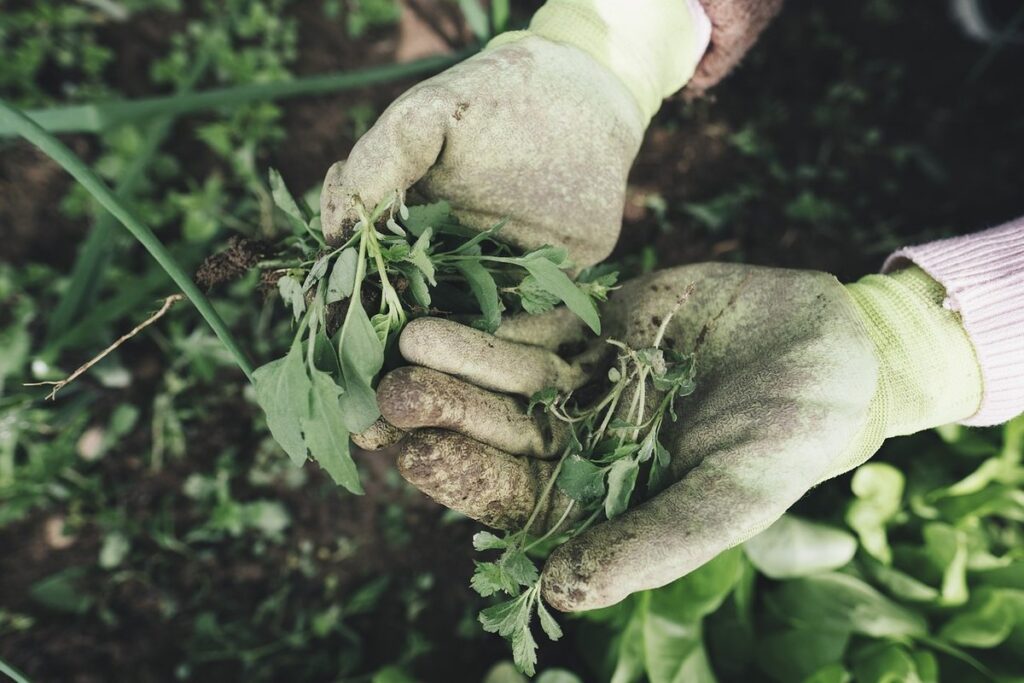
Physical removal is one of the most effective organic methods for weed control. Hand-pulling is a great technique to remove weeds from small areas, especially around plants that don’t allow herbicides near them. This method can be time-consuming and requires attention to detail to ensure all roots are removed.
Another option is using a garden fork to gently pry weeds out of the ground without damaging surrounding plants. For larger areas or established weeds, hoeing with a long-handled tool can be more efficient. The key here is timing – aiming for early morning when weeds are softest makes them easier to remove.
Mulching also plays an essential role in weed control by acting as a barrier between soil and sunlight that seeds need to germinate. Organic mulch materials like wood chips, bark, or grass clippings can be applied around 2-3 inches thick. They not only suppress weeds but also improve soil health by retaining moisture, regulating temperatures, and adding nutrients as they break down.
Regularly replenishing the mulch layer is crucial to maintain its effectiveness over time. By combining physical removal with ongoing mulching efforts, you’ll see a significant reduction in weed growth and an overall healthier garden environment.
Boiling Water and Solarization
Boiling water is an effective, non-toxic method for killing weeds on contact. This technique involves pouring boiling water directly onto the weed to scald its leaves and roots, effectively killing it without using chemical herbicides. To use this method, simply fill a kettle or pot with water, bring it to a rolling boil, and carefully pour it over the weed.
Another non-toxic approach to controlling weeds is solarization, also known as “mowing the sun.” This technique involves covering a bed of soil with clear plastic sheeting to trap heat. As the sun heats the plastic, it kills the weed seeds in the top layer of soil. To try this method, first mow or remove any existing weeds from the area. Next, lay down a thick layer of mulch or newspaper to help retain moisture and suppress weed growth. Finally, cover the bed with clear plastic sheeting, weighing it down with rocks or bricks to prevent wind from blowing it away.
By combining these two methods, you can create a weed-free zone in your garden without resorting to chemical herbicides. For example, use boiling water to kill any existing weeds, then follow up with solarization to prevent new seeds from germinating.
Compost Tea and Other Soil Amendments
Now that we’ve explored ways to prevent weeds, let’s dive into some organic methods for amending your soil to make it less conducive to weed growth. We’ll explore effective additions like compost tea and more!
The Benefits of Using Compost Tea
Compost tea is a liquid solution made by steeping compost in water, and it’s a game-changer for creating a healthier soil ecosystem. By using compost tea as an organic weed control method, you can reduce the need for synthetic fertilizers and herbicides. This not only benefits the environment but also promotes a balanced ecosystem that discourages weed growth.
When applied to your soil, compost tea introduces beneficial microorganisms that break down organic matter and make nutrients available to plants. These microbes outcompete weed seeds for resources, making it more challenging for weeds to germinate and grow. By creating a diverse microbial community in your soil, you’re also promoting the health and resilience of your desired plants.
To use compost tea effectively, start by steeping 5-10% compost in water (1 part compost to 9 parts water) for 24 hours. Then, dilute the liquid with water according to package instructions or recommended ratios. Apply it as a foliar spray or soil drench to promote microbial activity and nutrient uptake. Regularly brewing and applying compost tea can lead to a significant reduction in weed pressure over time.
Other Soil Amendments and Their Effects on Weeds
In addition to compost tea, there are several other soil amendments that can help control weeds by improving soil health. One such amendment is manure tea, which is made by steeping animal manure in water. This liquid solution is rich in beneficial microorganisms that promote a healthy soil ecosystem. By using manure tea as a foliar spray or adding it to irrigation water, you can create an environment where weeds struggle to thrive.
Another option is fish emulsion, a liquid fertilizer derived from the remains of small fish. Fish emulsion contains nitrogen, phosphorus, and potassium, as well as micronutrients that support beneficial microbial activity. When applied to the soil, fish emulsion can help suppress weed growth by promoting a diverse and robust soil microbiome.
To get started with manure tea or fish emulsion, begin by creating a small batch in your garden. This will allow you to test their effectiveness on a limited scale before scaling up. For example, start by brewing 5 gallons of manure tea using 1 cup of manure per gallon of water. Monitor the soil and weeds over time, making adjustments as needed. By incorporating these soil amendments into your organic weed control strategy, you can create a more balanced and resilient garden ecosystem.
Companion Planting and Crop Rotation
To effectively manage weeds while maintaining soil health, consider implementing companion planting and crop rotation strategies to create a balanced garden ecosystem. This approach can reduce weed pressure over time.
Using Companion Plants to Control Weeds
Using certain plants to suppress or repel weeds is a clever way to reduce manual weeding and minimize chemical herbicide use. Companion planting involves strategically placing plants that have natural weed-suppressing properties alongside those that are more susceptible to weed invasion.
Some examples of these beneficial plants include marigolds, nasturtiums, and creeping thyme. These flowers produce chemicals that either repel weeds or make it difficult for them to germinate. For instance, the roots of marigolds release a chemical called pyrethrum, which is toxic to nematodes – microscopic worms that feed on plant roots and can lead to weed growth.
To incorporate companion planting into your garden design, start by identifying areas where weeds tend to grow most prolifically. Then, intersperse these beneficial plants among your crops. This will not only reduce weed pressure but also create a more diverse and resilient ecosystem.
Crop Rotation Strategies for Weed Management
Crop rotation is a simple yet powerful strategy for managing weeds organically. By changing the type of crop grown on a particular land each season, you can break the weed cycle and reduce the reliance on chemical herbicides. This approach works by targeting specific types of weeds that are favored by certain crops.
For example, rotating between corn and soybeans can help control the spread of quackgrass, a common perennial weed in these regions. Similarly, growing legumes like beans or peas after a grass crop can suppress weeds like dandelions and plantain. You can also rotate between warm-season and cool-season crops to target specific weed types.
To implement effective crop rotation strategies for weed management, consider the following: Identify the dominant weed species on your land and choose alternative crops that are less appealing to them. Experiment with different rotations and observe their impact on weed populations over time. By adopting a dynamic approach to crop rotation, you can create a balanced ecosystem that promotes healthy plant growth while minimizing the need for herbicides.
Additional Tips and Considerations
As you continue on your journey to a weed-free garden, we’ve gathered some crucial additional tips and considerations to help you refine your approach for optimal results.
Integrated Pest Management (IPM) Principles
When it comes to organic weed control, Integrated Pest Management (IPM) principles are essential for maintaining a balanced ecosystem and reducing the need for chemical controls. IPM is an approach that considers the complex relationships between plants, pests, and their environment. By adopting IPM principles in your organic weed control plan, you can create a more resilient and self-sustaining system.
To incorporate IPM into your organic weed control plan, start by identifying the target weeds and assessing their impact on the ecosystem. Consider the life cycle of each weed species, including their growth habits, reproduction methods, and vulnerabilities to natural predators or diseases. This information will help you choose targeted control methods that minimize harm to beneficial plants and organisms.
For example, if a particular weed is attracting pests that are harming your desired plants, consider introducing natural pest predators or using mechanical removal methods. By adopting IPM principles, you can create an ecosystem where weeds are managed in balance with the health of your desired plants, reducing the need for chemical controls altogether.
Monitoring and Adaptation
Monitoring garden conditions is crucial for ongoing success with organic weed control. Regular checks allow you to identify emerging weeds before they seed and spread. This saves time and resources in the long run by preventing larger infestations. Keep an eye out for early signs of weed growth, such as tiny sprouts or roots breaking through the soil surface.
Adapt your plan as needed based on changing conditions. For example, if a particular method isn’t effective against a specific type of weed, switch to a different approach. Be prepared to adjust your strategy in response to weather patterns or temperature fluctuations that can impact weed growth. Stay alert for new weed species that may emerge due to climate change or other factors.
Monitor soil moisture levels as well, adjusting mulch or irrigation schedules accordingly to control weeds. Keep records of your efforts and note what works and what doesn’t. This helps you refine your approach over time and ensures you’re using the most effective methods.
Frequently Asked Questions
How do I know if my soil is ready for compost tea application?
Compost tea can be a powerful tool in organic weed control, but it’s essential to prepare your soil first. Check if your soil has a pH between 6.0 and 7.0, as this will help beneficial microbes thrive. Also, ensure your soil isn’t too compacted, as this can hinder the microbe growth. Test your soil and make adjustments before applying compost tea.
Can I use boiling water on weeds with deep taproots?
While boiling water can be effective for surface-level weed control, it’s not recommended for weeds with deep taproots. The heat won’t penetrate far enough to kill the root system, allowing the weed to regrow. Instead, try solarization or physical removal methods specifically designed for deep-rooted weeds.
What companion plants are most effective against specific types of weeds?
Companion planting is a versatile method, and different plants can target various weeds. For example, basil repels aphids and other pests that often accompany weeds like chamomile and dandelion. Marigold repels nematodes, which can harm crops and promote weed growth. Research and combine companion plants strategically to create a balanced ecosystem.
How do I maintain a long-term compost tea program?
Sustainability is key in organic gardening. To maintain a long-term compost tea program, regularly monitor your soil’s microbial activity and adjust the tea brewing schedule as needed. Also, ensure you’re using high-quality inputs like mature compost and diverse microbe strains. With proper management, your compost tea will remain effective for years to come.
Can I use crop rotation with existing garden layouts?
Crop rotation is a powerful tool in weed management, but it requires planning. If you have an established garden layout, consider dividing the space into sections or blocks to implement crop rotation. This way, you can move crops to different areas seasonally while maintaining existing beds and paths. Be creative and adapt your approach to fit your unique garden needs.