
If you’re tired of using harsh chemicals to control aphids in your garden or agricultural setting, you’re not alone. Many gardeners are now turning to natural and eco-friendly solutions that work with nature to prevent pest problems. One of these effective solutions is lacewings – a beneficial insect that preys on aphids, keeping their populations under control. But how can you attract, raise, and maintain an effective lacewing population? By learning more about the benefits of lacewings for aphid control, you’ll discover a simple yet powerful way to protect your plants without harming the environment. In this article, we’ll explore the advantages of using lacewings as a natural pest management solution and provide practical tips on how to make it work for you.
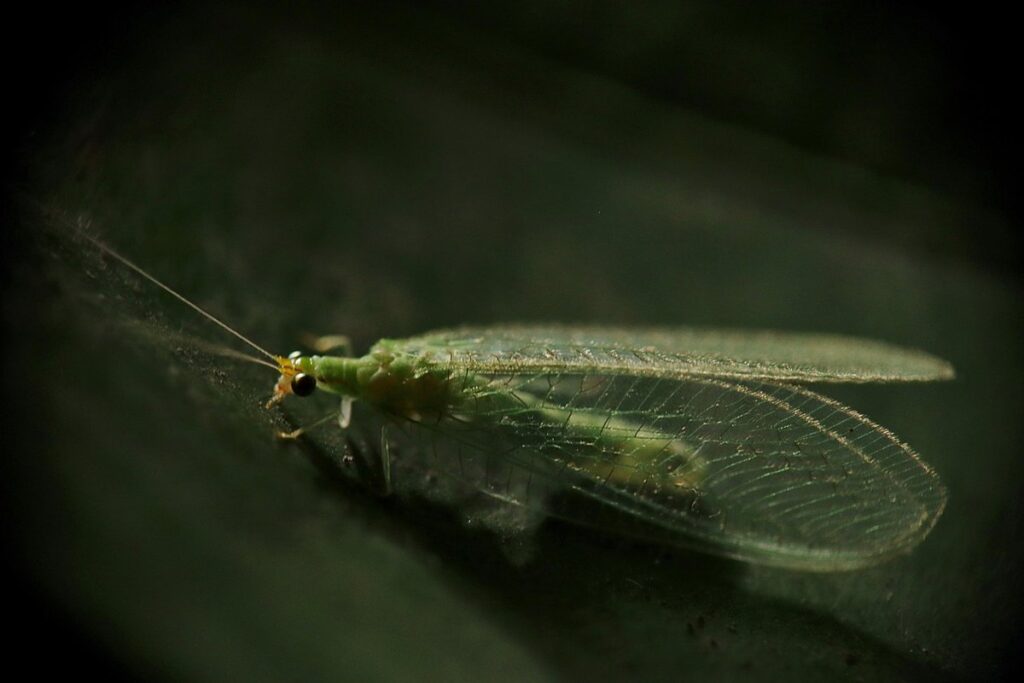
What are Lacewings and How Do They Help with Aphids?
Let’s dive into what lacewings are, how they’re beneficial for your garden, and why they make a natural solution for aphid control. Lacewings are actually quite fascinating insects!
Lacewing Life Cycle and Habitat
Lacewings undergo a complete metamorphosis, transforming from eggs to adults over several stages. The life cycle begins with the female lacewing laying her eggs on a suitable host plant, typically one that harbors aphids. These tiny eggs are usually yellow or orange and can be found on the undersides of leaves.
After 3-5 days, depending on temperature and humidity, the eggs hatch into hungry larvae. The larval stage is the most voracious feeding period for lacewings, as they consume aphids, their eggs, and even other soft-bodied insects. They go through a series of molts as they grow, eventually reaching 1-2 inches in length.
As they outgrow their skin, the larvae enter the pupal stage, often hiding in a protected location like under a leaf or on the soil surface. During this resting phase, internal transformations occur, and the adult form begins to take shape. After 4-7 days, the adult lacewing emerges from its pupa, ready to start the cycle anew.
To attract lacewings to your garden, consider providing a diverse range of host plants that offer shelter and food for their larvae.
Importance of Lacewings in Controlling Aphid Populations
Lacewings are incredibly effective at controlling aphid populations due to their unique predatory behavior and feeding habits. These beneficial insects are voracious predators that feed on nectar and pollen, but their true advantage lies in their larvae’s insatiable appetite for soft-bodied insects like aphids.
A lacewing larva can consume up to 60 times its own body weight in aphid in a single day! This means that even a small number of lacewings in your garden can have a significant impact on aphid populations. In fact, studies have shown that a single lacewing adult can lay up to 300 eggs per season, each of which will hatch into an aphid-munching larva.
To harness the power of lacewings, you don’t need to do much beyond creating a welcoming environment for these beneficial insects. Plant nectar-rich flowers like sunflowers or marigolds, which provide a constant food source for adult lacewings. Also, avoid using broad-spectrum pesticides, as they can harm lacewings and other beneficial insects.
By introducing lacewings into your garden ecosystem, you’ll be creating a natural balance that allows these beneficial insects to thrive and aphids to decline. With their impressive appetite and prolific egg-laying abilities, it’s no wonder why lacewings are considered one of the most effective natural solutions for controlling aphid populations.
Benefits of Using Lacewings to Control Aphids
When using lacewings as a natural aphid control solution, one of the most significant advantages is their ability to reproduce quickly and effectively target infestations. This section explores these benefits in more detail.
Natural and Eco-Friendly Solution
When using lacewings to control aphids, you can enjoy numerous benefits of natural and eco-friendly pest management. One significant advantage is reduced chemical use, which minimizes harm to beneficial insects, bees, and other pollinators. Lacewings are a safe choice for gardens with children or pets, as they don’t pose any toxic risks.
Moreover, using lacewings reduces the environmental impact of synthetic pesticides, which can contaminate soil, waterways, and air. This is particularly important in urban areas where stormwater runoff can quickly spread chemical residues into nearby water sources. By opting for a natural solution like lacewings, you’re not only controlling aphid populations but also contributing to a healthier environment.
To incorporate lacewings into your garden’s pest management strategy, consider introducing them during peak aphid seasons or when aphids first appear. Lacewing larvae are voracious predators that can consume thousands of aphids in their lifetime, providing long-lasting control without the need for repeated chemical applications.
Cost-Effective and Long-Term Solution
When it comes to managing aphids, many gardeners rely on chemical pesticides as a quick fix. However, these solutions often provide temporary relief at best and can even exacerbate the problem over time. Lacewings offer a cost-effective and long-term solution for controlling aphid populations.
One of the key benefits of lacewings is their ability to reproduce quickly, allowing them to establish themselves in your garden as a self-sustaining population. This means that you won’t need to rely on repeated applications of pesticides or other chemicals to control aphids. In fact, studies have shown that lacewing populations can reduce aphid numbers by up to 90% within just a few weeks.
To harness the power of lacewings in your garden, try introducing them as soon as you spot an aphid infestation. You can purchase lacewings online or create a welcoming environment for these beneficial insects by planting nectar-rich flowers and avoiding the use of pesticides. By choosing this natural approach, you’ll not only save money on chemical controls but also create a healthier ecosystem in your garden that’s better equipped to resist future aphid outbreaks.
How to Attract Lacewings to Your Garden
To create a welcoming habitat for lacewings, start by incorporating nectar-rich flowers that bloom throughout the growing season in your garden. This will attract these beneficial insects and encourage them to stay.
Planting Lacewing-Friendly Plants
To attract lacewings to your garden, you’ll want to focus on planting nectar-rich flowers that provide a constant source of energy for these beneficial insects. Consider incorporating plants like marigold, calendula, and sunflower into your garden landscape. These flowers not only attract lacewings but also serve as a food source for them, particularly during their larval stage.
In addition to nectar-rich flowers, it’s essential to provide pollen sources that cater to the nutritional needs of adult lacewings. Plants like fennel, dill, and angelica are rich in pollen and will attract these beneficial insects to your garden. Incorporate a mix of annuals and perennials to ensure a constant supply of nectar and pollen throughout the growing season.
Don’t forget to provide shelter and habitat for lacewings by incorporating plants with dense foliage or providing nesting sites. For example, planting shrubs like lavender or rosemary can create hiding spots for these delicate insects. By incorporating these plants into your garden design, you’ll be well on your way to attracting lacewings and harnessing their natural aphid control abilities.
Creating a Lacewing-Friendly Environment
To create a lacewing-friendly environment in your garden, it’s essential to adopt an integrated approach that minimizes chemical use and promotes a balanced ecosystem. Start by reducing your reliance on pesticides, which can harm or even kill lacewings. Instead, focus on encouraging beneficial insects like lacewings to thrive.
One effective way to do this is by incorporating a variety of host plants for lacewings into your garden design. Some popular choices include flowers from the carrot and parsley families, as well as angelica and fennel. These plants will provide a constant source of food and shelter for lacewing larvae as they develop.
When selecting plants, prioritize native species that are less likely to be damaged by pests or diseases. A diverse range of plants also encourages beneficial insects like bees and butterflies, which help pollinate your garden’s crops.
By creating a welcoming environment and adopting a more holistic approach to gardening, you can attract lacewings naturally and reduce your reliance on pesticides. This not only benefits the health of your garden but also supports the local ecosystem as a whole.
Raising Lacewings in Your Garden or Backyard
If you want to make the most of your lacewing population, raising these beneficial insects in your garden or backyard is a simple yet effective way to boost their numbers. This process requires minimal equipment and care.
Starting a Lacewing Colony
Starting a lacewing colony from scratch can seem daunting, but with the right equipment and materials, you’ll be well on your way to raising these beneficial insects. To begin, you’ll need a secure enclosure that mimics their natural habitat. A plastic container or mesh-ventilated box is ideal, as it allows for airflow while keeping pests out.
When starting from eggs, make sure they’re collected at the right stage – newly laid eggs are dark blue and have tiny ridges. Place them on moistened paper towels within the enclosure, ensuring adequate humidity (around 60%) to prevent desiccation. Maintain a temperature of around 75°F (24°C) for optimal development.
For colony establishment from larvae, transfer them to individual cells or compartments with food sources, such as aphid-infested plants or a sugar-water solution. Monitor their growth and be prepared to release the lacewings once they reach maturity – typically within two weeks. Provide adequate space for flying and a shallow water source to ensure optimal health.
When introducing new lacewings to an existing colony, ensure compatibility by observing behavior and size differences before integrating. Maintain cleanliness and monitor temperature, humidity, and food availability regularly.
Providing the Right Conditions for Lacewing Survival
When it comes to raising lacewings in your garden, providing the right conditions is crucial for their survival and success. First and foremost, ensure you have a constant food source available. Lacewings are predators that feed on aphids, whiteflies, and other soft-bodied insects, so having a population of these pests will keep your lacewing colony thriving.
In terms of shelter, provide some dense vegetation or create a brush pile to serve as a haven for the adults. This will also help protect them from harsh weather conditions like strong winds and direct sunlight. Consider adding a shallow dish or birdbath filled with fresh water nearby, as adult lacewings need access to water for drinking.
Additionally, consider introducing some companion plants that attract beneficial insects and pollinators, which can aid in creating a balanced ecosystem. For instance, planting marigolds or nasturtiums can repel nematodes and other pests that might harm your lacewings. By providing the right environment, you’ll be well on your way to raising healthy lacewing populations that will help control aphid infestations naturally.
Monitoring and Maintaining an Effective Lacewing Population
To ensure a healthy lacewing population, it’s essential to monitor their numbers and take steps to maintain a thriving colony that will keep aphids under control effectively. This involves regular monitoring and making adjustments as needed.
Identifying the Signs of a Healthy Lacewing Population
A healthy lacewing population is essential for effective aphid control. To identify whether you have a thriving lacewing colony, look out for these key signs. First and foremost, check for the presence of lacewing eggs on plants. These tiny, white or yellowish eggs are usually laid in clusters on the underside of leaves or stems. If you spot several egg clusters, it’s a good indication that your lacewing population is robust.
In addition to eggs, also keep an eye out for lacewing larvae and adult lacewings. The larvae, often referred to as ‘aphid lions,’ are voracious predators that feed on aphids and other soft-bodied insects. They can grow quite large, but their presence in significant numbers suggests a healthy population. As for adults, you should see multiple individuals flitting around your plants, particularly during peak insect activity.
If you observe these signs consistently over time, it’s likely that your lacewing colony is thriving and doing its job well – keeping aphid populations under control naturally.
Managing Pests with Lacewings
When you’ve successfully established a healthy lacewing population in your garden, it’s essential to manage other pests effectively using these beneficial insects as a biological control method. One of the most effective ways to do this is by implementing integrated pest management (IPM) strategies.
To begin with, consider the pest life cycle and adapt your IPM plan accordingly. For instance, if you’re dealing with whiteflies or spider mites, which are also attracted to aphids, lacewings can help control these pests as well. Be sure to identify the primary pest species in your garden before introducing lacewings.
In an ideal scenario, lacewings will work in conjunction with other natural predators and beneficial insects like ladybugs, parasitic wasps, or ground beetles. By maintaining a diverse ecosystem, you’ll minimize the need for chemical pesticides, which can harm these beneficial organisms.
Common Challenges and Solutions for Using Lacewings
As you start incorporating lacewings into your garden’s pest control routine, you’ll likely encounter some common challenges that can affect their effectiveness. Let’s tackle these obstacles together.
Overwintering Lacewing Problems
Overwintering lacewings can be challenging due to extreme weather conditions and the need for a stable food supply. During winter months, lacewing adults often perish, leaving behind eggs that are vulnerable to cold temperatures and lack of sustenance.
To protect overwintering lacewings from harsh weather, provide shelter in a dry location with minimal wind exposure. A cold frame or greenhouse can offer optimal protection, while maintaining a stable temperature around 40°F (4°C). This will not only safeguard the eggs but also promote early emergence when temperatures rise.
Ensure a consistent food source by providing overwintering plants that are less susceptible to frost and cold damage. Some suitable options include kale, spinach, or broad-leaved weeds like dandelion or plantain. As temperatures drop, these plants will continue to produce nectar, keeping the lacewings sustained until spring arrives.
To supplement their diet, provide a sugar-water feeder at a ratio of 4:1 (sugar to water). This will give them an extra energy boost during periods when natural food is scarce.
Managing Pests with Multiple Generations of Lacewings
When managing pests with multiple generations of lacewings, it’s essential to understand that their effectiveness increases significantly when used over an extended period. A single generation of lacewings may not be enough to control aphid populations, especially if the infestation is severe.
To maximize the effectiveness of lacewings as a natural pest control solution, consider implementing a multi-generational approach. This means releasing multiple generations of lacewings at different stages of your crop’s growth cycle. By doing so, you’ll create a continuous stream of predators that can target aphids throughout their development.
For example, if you’re growing vegetables like lettuce or spinach, release the first generation of lacewings when the plants are about 6-8 inches tall. Follow up with subsequent releases every 1-2 weeks to ensure a consistent supply of lacewing eggs and larvae. This strategy will not only control aphid populations but also reduce the need for chemical pesticides, creating a healthier ecosystem for your crops.
By adopting this multi-generational approach, you can reap the benefits of using lacewings as a natural pest control solution while minimizing the risk of aphid infestations.
Conclusion
In conclusion, lacewings are an effective and natural solution for controlling aphid populations. By introducing these beneficial insects into your garden or greenhouse, you can create a balanced ecosystem that relies on natural predation rather than chemical pesticides. With their ability to lay hundreds of eggs per female, lacewings can quickly establish themselves as a dominant force against aphids, reducing the need for manual intervention and minimizing potential damage to plants.
By adopting this approach, you’ll not only reduce your reliance on synthetic chemicals but also create a healthier environment for other beneficial insects, such as bees and butterflies. With proper care and maintenance, lacewings can thrive in a variety of environments, making them an excellent choice for organic gardeners and farmers alike.
Frequently Asked Questions
Can I use lacewings alongside other natural pest control methods?
Yes, lacewings can be used in conjunction with other natural pest control methods like neem oil, diatomaceous earth, or introducing beneficial nematodes to create a comprehensive and sustainable pest management strategy. This integrated approach can provide enhanced protection for your plants while minimizing the risk of developing pesticide-resistant pests.
How long does it take to establish an effective lacewing population?
Establishing an effective lacewing population can take several weeks to months, depending on factors like climate, available food sources, and habitat quality. It’s essential to maintain a consistent supply of host plants, provide sheltered areas for the lacewings, and monitor their populations regularly.
Can I use store-bought lacewing eggs or larvae instead of attracting them naturally?
Yes, you can purchase lacewing eggs or larvae from reputable suppliers as an alternative to attracting them naturally. However, this approach requires more effort and expertise in rearing the lacewings until they mature and start controlling aphids.
How do I identify if my lacewing population is healthy and effective?
A healthy lacewing population typically exhibits a balanced sex ratio, with many eggs hatching into larvae that consume aphid populations efficiently. Look for signs of high reproductive activity, such as large numbers of adults and larvae, and observe the presence of lacewing-friendly plants.
Can I use lacewings to control pests on crops in greenhouses or indoor gardens?
Yes, lacewings can be used to control pests in controlled environments like greenhouses or indoor gardens. However, it’s crucial to replicate natural conditions by providing suitable host plants, adequate shelter, and optimal temperature and humidity levels for the lacewings to thrive and efficiently manage aphid populations.