
Snails can be a gardener’s worst nightmare. These slimy creatures can wreak havoc on your plants, leaving behind a trail of chewed leaves and stems in their wake. Not only is this frustrating, but it can also lead to significant losses if left unchecked. Fortunately, there are many effective ways to control snail populations without resorting to harsh chemicals. In this article, we’ll explore the best non-chemical methods for preventing snail damage, including hand-picking and traps, as well as physical barriers and organic killers. We’ll also delve into Integrated Pest Management (IPM) strategies that can help you manage snails sustainably. Whether you’re a seasoned gardener or just starting out, this comprehensive guide will provide you with the knowledge and tools you need to protect your garden from these pesky pests.
Understanding the Problem
Before you start tackling the snails, it’s essential to understand why they’re a problem in your garden and what factors contribute to their presence. Let’s take a closer look at these issues together.
The Impact of Snails on Garden Plants
Snails can be quite the nuisance for gardeners, causing damage to plants and leaving unsightly slimy trails behind. But before we dive into snail control methods, it’s essential to understand which types of snails are most likely to infest your garden.
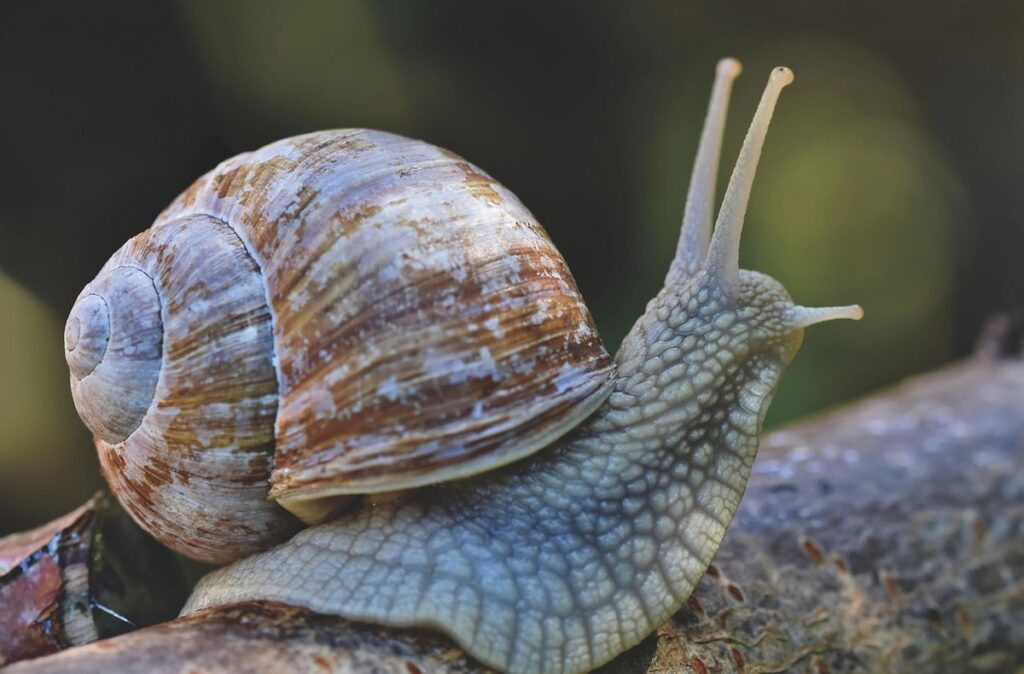
The two most common species found in gardens are the Brown-banded Snail (Helix fasciolata) and the Garden Snail (Helix aspersa). The Brown-banded Snail is typically smaller than its cousin, but has a distinctive brown band on its shell. These snails prefer moist environments with plenty of vegetation to feed on, often inhabiting areas near ponds or birdbaths.
Garden Snails, on the other hand, are larger and more aggressive eaters. They thrive in well-manicured lawns with dense vegetation and can be found in gardens with a mix of plants, particularly those with soft leaves like lettuce and hostas. Knowing which type of snail is present will help you tailor your control strategy to effectively manage the infestation.
In general, both species tend to seek out humid areas with plenty of food sources, so identifying these habitats in your garden can give you a head start on preventing snail damage.
Identifying Snail-Infested Areas in Your Garden
When it comes to effectively controlling snails in your garden, understanding where they are most active is crucial. Snails tend to thrive in areas with high humidity and moisture, making them naturally drawn to water sources such as ponds, birdbaths, or even pet dishes left outdoors.
To detect these areas, take a walk around your garden during dawn or dusk when snails are most active. Look for slimy trails on paths, leaves, or other surfaces – this is a telltale sign of snail activity.
Additionally, inspect the underside of vegetation such as leaf litter and mulch, where snails often seek shelter and protection from dehydration. Be sure to check areas with dense foliage, like under bushes or near garden beds with high plant growth.
Remember that even the smallest water sources can attract snails, so make sure to regularly clean and dry these areas to discourage snail infestation. By identifying these snail hotspots in your garden, you’ll be better equipped to implement targeted control measures and keep your plants safe from damage.
Non-Chemical Methods for Snail Control
If you’re looking for a more environmentally friendly approach to snail control, you’ll find some effective non-chemical methods in this next section. We’ll explore alternatives to pesticides and chemical barriers.
Hand-Picking and Trapping
Hand-picking snails at night is an effective non-chemical method for controlling their populations. When the sun sets and temperatures drop, snails become more active, making them easier to spot and catch. Use a flashlight to scan the area, paying attention to plants with tender shoots or leaves. Gently pick up the snails using a gloved hand, being careful not to crush them. Release them far away from your garden or dispose of them humanely.
You can also use traps to deter snails from specific areas. Beer traps are an interesting option – place a shallow container filled with beer near the affected area. Snails will be attracted to the yeast and ethanol in the beer, allowing you to capture them without harming them. Another effective method is using copper mesh barriers around plants. Snails detest the taste of copper and will avoid areas where it’s present.
To use these methods effectively, focus on targeted areas with high snail activity. Combine hand-picking with traps for a more comprehensive approach. By doing so, you can reduce the snail population without resorting to chemicals. Regular monitoring and maintenance are key to keeping your garden snail-free.
Physical Barriers and Repellents
Physical barriers can be an effective way to keep snails out of certain areas of your garden. One simple and affordable solution is to wrap copper tape around the stems of plants you want to protect. Snails don’t like the taste or smell of copper, so they’ll avoid crossing over it. To set this up, simply cut a piece of copper tape to size and wrap it around the stem, making sure to cover about an inch of the plant above the soil level.
In addition to copper tape, you can also use physical repellents like crushed eggshells, sharp gravel, or coffee grounds to deter snails from entering protected zones. For example, sprinkle a thin layer of crushed eggshells around the base of plants, and snails will be discouraged from crossing over them due to their rough texture and the risk of injury. Similarly, sharp gravel or coffee grounds can be used as an effective barrier, though they may need to be replenished periodically as they get worn down by rainfall or other environmental factors. By implementing these physical barriers, you can create a snail-free zone in your garden and protect your plants from damage.
Chemical Control Methods
When it comes to controlling snails, chemical methods can be a reliable and efficient solution. Here we’ll explore the most effective chemical treatments for snail control in your garden.
Organic Snail Killers
If you’re looking for effective ways to control snails without harming the environment, consider using organic snail killers made from natural ingredients. These eco-friendly products are safer for pets and wildlife, making them an excellent choice for gardeners who prioritize sustainability.
Some popular organic snail killer options include iron phosphate-based products, which work by dehydrating snails instead of poisoning them. For example, Escar-Go is a well-known product that uses this formula to kill snails without leaving any toxic residues behind. Another option is copper-based products, such as those containing copper sulfate or copper oxychloride, which also target snail populations without harming beneficial insects.
When choosing an organic snail killer, always follow the product instructions carefully and take necessary precautions to avoid contamination. For instance, keep children and pets away from treated areas until the product has fully broken down. By opting for natural ingredients and following proper application procedures, you can effectively control snail populations in your garden while maintaining a safe environment for all living creatures.
Inorganic Snail Control Products
Conventional chemical-based snail control methods are widely used to manage snail infestations in gardens. Two commonly employed products are metaldehyde and methiocarb baits. These baits work by attracting snails with a attractive odor or taste, causing them to ingest the active ingredient.
Metaldehyde baits, for instance, contain the toxic substance metaldehyde, which disrupts the snail’s nervous system, ultimately leading to its demise. Methiocarb baits, on the other hand, contain the compound methiocarb, which also acts as a neurotoxin in snails. Research suggests that these baits can be up to 90% effective in controlling snail populations.
However, while these products offer some level of control, they come with potential risks and safety precautions to consider. Pets, wildlife, and even humans may ingest the bait if accidentally eaten, leading to adverse health effects or poisoning. It’s essential to carefully follow application guidelines and take preventive measures to minimize exposure. This includes placing baits in areas inaccessible to non-target animals and using protective gear when handling the products.
Integrated Pest Management (IPM) Strategies
To effectively manage snails in your garden, consider implementing integrated pest management strategies that combine physical barriers, repellents, and biological controls. This balanced approach helps minimize harm to beneficial organisms.
Monitoring and Surveillance
Monitoring your garden regularly is crucial to catch snail infestations early on. Snails can cause significant damage to plants over time, so it’s essential to keep a close eye out for signs of their presence. This includes checking for slimy trails on leaves and stems, holes in plant leaves, and damaged flowers.
As you perform your regular garden checks, take note of areas where snails are most likely to congregate, such as under mulch or near water sources. Regularly inspect these areas to prevent snail populations from growing out of control. For example, check your plants early in the morning when snails are most active.
Remember that catching infestations early can save you a lot of time and energy in the long run. By staying vigilant and monitoring your garden regularly, you’ll be able to prevent further damage and reduce the need for more drastic measures. To make monitoring easier, consider creating a schedule or routine for checking your garden, such as weekly or bi-weekly inspections.
Combining Methods
Combining non-chemical methods with chemical control is often the most effective way to manage snails in gardens. This multi-faceted approach allows you to target snails from multiple angles, reducing the likelihood of developing resistance and minimizing environmental impact.
When combining non-chemical and chemical methods, it’s essential to start with a thorough assessment of your garden’s snail population and habitat. Identify areas where snails are most active and understand their food sources and shelter preferences. This information will help you tailor your control strategy and choose the most suitable non-chemical methods, such as hand-picking, copper barriers, or repellents.
In addition to these non-chemical measures, chemical baits can be used to target snail populations in areas that are difficult to access or where snails are highly concentrated. However, it’s crucial to use these products judiciously and follow the recommended application rates to avoid harming beneficial organisms and contaminating soil and water.
By combining non-chemical methods with targeted chemical control, you can create an effective snail management plan that protects your garden while minimizing harm to the environment.
Preventing Snail Infestations
To keep snails at bay, it’s essential to take proactive measures before they become a problem, and we’ll show you how to do just that. Here are some simple yet effective ways to prevent snail infestations in your garden.
Maintaining a Healthy Garden Ecosystem
Maintaining a balanced ecosystem is crucial for discouraging snails from inhabiting your garden. One of the most significant factors to consider is water management. Overwatering can make your garden an attractive haven for snails, as they thrive in moist environments. To avoid this, ensure you’re not overwatering your plants. A general rule of thumb is to water only when the top inch of soil feels dry to the touch.
In addition to adequate watering, providing sufficient plant diversity is also essential for a balanced ecosystem. This means incorporating a mix of native and non-native plants that cater to various pollinators and beneficial insects. By doing so, you’ll create a diverse environment where snails are less likely to dominate. A study by the University of California found that gardens with a high plant diversity tend to have lower snail populations.
By implementing these strategies, you can discourage snails from inhabiting your garden while promoting a healthy and balanced ecosystem.
Removing Attractants
When it comes to preventing snail infestations in your garden, one of the most effective methods is removing attractants. Snails are drawn to leaf litter, decaying matter, and weeds that provide them with food and shelter. To eliminate these potential food sources, start by clearing away any debris from around plants, especially after heavy rainfall or storms.
Regularly clean up fallen leaves, deadheading spent blooms, and removing weeds will help reduce snail populations. Consider incorporating organic mulches like wood chips or bark instead of leaf litter, as they won’t harbor pests. For weeds, use a combination of physical removal and targeted herbicides to prevent regrowth.
Take it a step further by avoiding overwatering your garden. Snails thrive in moist environments, so ensure you’re not creating an ideal breeding ground. Regularly inspect your plants for signs of snail damage or activity, and take prompt action if needed. By addressing potential attractants and maintaining a healthy balance of moisture and cleanliness, you’ll be well on your way to keeping snails at bay in your garden.
Conclusion
Now that you’ve learned effective methods for snail control in your garden, it’s time to put them into action. Remember, prevention is key – make sure to remove any debris and weeds from your garden beds, as these can attract snails. Consider using physical barriers like copper tape or crushed eggshells around plant stems to deter snails. Don’t forget to also use organic pesticides or repellents if necessary.
In conclusion, controlling snail populations in your garden is a manageable task when you have the right strategies and methods on hand. By combining physical deterrents with natural repellents and maintaining a clean and healthy garden environment, you can protect your plants from these slimy pests. With persistence and patience, you’ll be enjoying a pest-free garden in no time.
Frequently Asked Questions
How can I identify the snail species infesting my garden?
Identifying the type of snail infesting your garden is crucial for effective control methods. Look for differences in shell shape, color, and size to determine whether you’re dealing with Brown-banded Snails or Garden Snails. This information will help you choose the most suitable non-chemical control method.
What if I have a large garden – can I still use physical barriers effectively?
Yes, physical barriers can be an effective snail control method for larger gardens. Consider using copper tape or crushed eggshells around plant beds to deter snails from crossing these boundaries. For more extensive areas, install physical barriers around individual plants or beds.
How often should I inspect my garden for signs of snail activity?
Regular monitoring is essential in maintaining a healthy garden ecosystem and preventing snail infestations. Set aside time each week to inspect your garden, focusing on early morning or evening when snails are most active. Look out for slimy trails, chewed leaves, and other signs of snail damage.
Are there any organic snail control methods that can be used alongside physical barriers?
Yes, combining different non-chemical methods is often the most effective approach to managing snails sustainably. Organic snail killers like beer traps or nematodes can be used in conjunction with physical barriers to provide a multi-layered defense against snail infestations.
Can I use a single control method for the entire garden, or do different areas require specific approaches?
Different parts of your garden may require tailored snail control methods. Consider factors like soil type, plant species, and existing pest populations when choosing control methods for each area. Combining methods can also help ensure comprehensive coverage against snails.