
Growing a fig tree in a container can be a wonderful idea, but it does come with its own set of challenges. The right pot size, drainage, and soil mix are crucial to ensure your fig tree stays healthy and thrives. With so many factors to consider, it’s easy to get overwhelmed. But don’t worry, I’ve got you covered! In this article, we’ll dive into the comprehensive world of fig tree container care, covering everything from choosing the right pot to managing pests and diseases. We’ll also share expert tips on how to keep your fig tree growing strong and healthy in its container home. Whether you’re a seasoned gardener or just starting out, these tips will help you achieve success with your potted fig tree. Let’s get started!
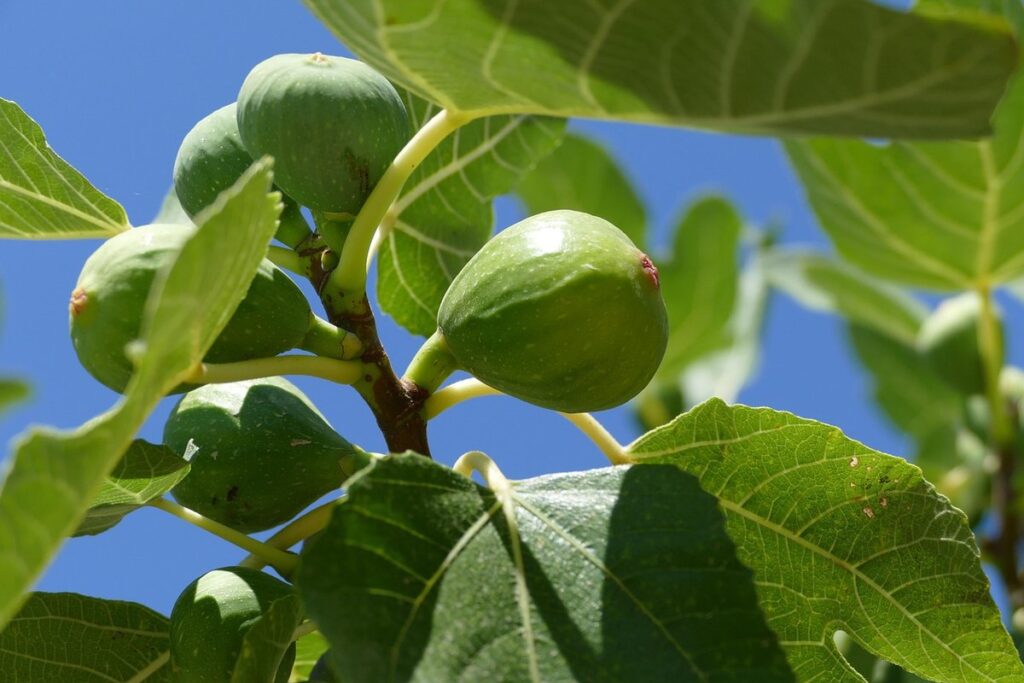
Choosing the Right Container
When it comes to container fig tree care, selecting the right pot is crucial for your tree’s health and success. This means choosing a container that provides adequate drainage and sufficient space for growth.
Understanding Container Size and Material Options
When it comes to container growing, choosing the right size and material is crucial for the health and productivity of your fig tree. A container that’s too small will restrict root growth, while one that’s too large may require more soil than necessary.
Selecting a suitable container size involves considering several factors: the mature size of the tree, its growth rate, and the desired space between plants. As a general rule, choose a container that’s at least 14-16 inches deep and 24-36 inches wide for standard fig varieties. Keep in mind that deeper containers can be more expensive, but they’ll also require less frequent watering.
In terms of materials, plastic and ceramic are popular options due to their durability and ease of maintenance. However, wooden containers have their own set of advantages – they’re biodegradable, can help regulate soil temperature, and add a touch of natural charm to your outdoor space. Ultimately, the right material for you will depend on your personal preferences, budget, and climate.
Considering Drainage and Weight Capacity
When choosing a container for your fig tree, it’s crucial to consider drainage and weight capacity. Waterlogged soil is a common issue in containers, as it can lead to root rot and other problems that can be detrimental to the health of your tree.
Proper drainage is essential to prevent water from accumulating in the soil. Look for containers with built-in drainage holes or add your own by drilling a few small holes in the bottom. A general rule of thumb is to have at least one hole per square inch of potting mix. You can also use a layer of broken pottery or small rocks at the bottom of the container to improve drainage.
When selecting a container, consider its weight capacity. A fig tree can grow quite large, and you’ll want to make sure your container can support it. As a rough estimate, choose a container that is 1-2 sizes larger than the tree’s root ball when planting. This will give the roots room to expand as the tree grows.
Soil Selection and Preparation
When it comes to growing a healthy fig tree in a container, choosing the right soil is crucial. In this next step, we’ll cover how to select and prepare your tree’s ideal potting mix.
Understanding Fig Tree Soil Requirements
When it comes to fig tree soil requirements, understanding their specific needs is crucial for optimal growth and productivity in containers. Fig trees prefer a slightly acidic to neutral soil pH, ranging from 6.0 to 7.0. If your container’s soil has a higher pH, you may need to add organic matter like peat moss or compost to lower it.
In terms of nutrient requirements, fig trees benefit from a balanced diet of essential macronutrients and micronutrients. They thrive in well-draining soils with a mix of sand, silt, and clay particles. A potting mix specifically designed for container gardening can provide the right balance of nutrients and water-holding capacity.
To check your soil’s pH levels, you can purchase a DIY pH testing kit or send a sample to a lab for analysis. Based on the results, make adjustments as needed. Additionally, consider incorporating organic fertilizers like fish emulsion or compost tea into your regular watering routine to provide your fig tree with essential nutrients and promote healthy growth. By meeting their soil requirements, you’ll be well on your way to growing a thriving and productive fig tree in containers.
Preparing the Right Mix: Compost, Fertilizers, and More
When it comes to growing fig trees in containers, selecting the right potting mix is crucial. A well-balanced potting mix specifically designed for fruiting plants like figs will provide the necessary nutrients and drainage for optimal growth.
You can either purchase a pre-mixed potting soil or create your own blend using a combination of ingredients such as peat moss, perlite, and vermiculite. For example, you can mix 40% peat moss (for moisture retention), 20% perlite (for drainage), and 10% vermiculite (for water-holding capacity) with the rest being a well-draining potting mix.
In addition to using a high-quality potting mix, incorporating compost and organic fertilizers into your soil preparation routine is essential. Compost can be added to the potting mix at the time of planting or as a top dressing every 1-2 months. Organic fertilizers like fish emulsion, bone meal, or alfalfa meal can provide essential nutrients for fruit production.
When selecting compost and fertilizers, look for products that are free from synthetic additives and pesticides. A good rule of thumb is to apply a balanced fertilizer once a month during the growing season and follow the manufacturer’s instructions for application rates.
Watering and Humidity Control
When it comes to caring for your fig tree in a container, proper watering and humidity control are crucial to prevent root rot and ensure healthy growth. Now, let’s dive into the specifics of how to get it right.
Understanding Fig Tree Water Requirements
When it comes to watering your fig tree container, finding the right balance is crucial. Overwatering can lead to root rot and kill your plant, while underwatering will cause stress and stunt its growth.
To avoid these pitfalls, you need to monitor moisture levels closely. Check the soil daily by sticking your finger into the top 2-3 inches of the potting mix. If it feels dry, it’s time to water. But if it still has some moisture, wait another day before checking again.
Keep in mind that containers drain quickly, so adjust your watering schedule accordingly. Water your fig tree when the top inch of soil feels dry, usually every 2-3 days during hot summer months. Reduce watering frequency in cooler weather and during dormancy periods (usually from November to March).
Also, be mindful of the specific climate you live in. If you’re in a humid area, your fig tree might need less water, while dry climates require more frequent watering. To ensure optimal health, observe your plant’s responses to changes in watering schedules and adjust as needed.
Maintaining Optimal Humidity Levels for Your Fig Tree
Maintaining optimal humidity levels is crucial for container-grown fig trees. Since they’re prone to drying out quickly, a humid microclimate can help them thrive. One of the simplest ways to increase humidity around your fig tree is by misting it regularly. Use a spray bottle to give the leaves and surrounding soil a fine mist twice a day.
Another method is covering the container with a clear plastic bag or a cloche. This creates a mini-greenhouse effect that retains moisture and heat, allowing your fig tree to absorb more water through its roots. However, be cautious not to trap too much moisture, as this can lead to root rot.
To create a humid tray system, place the container on a tray filled with water and pebbles. The evaporation of water from the tray will increase humidity levels around your fig tree. Change the water frequently to prevent bacterial growth. This method is particularly useful for maintaining consistent humidity levels during dry or cold periods. By implementing these techniques, you’ll create an ideal environment for your container-grown fig tree to flourish.
Pruning and Training
Proper pruning and training of your fig tree will encourage a strong, balanced structure and promote healthy fruiting. Let’s dive into how to prune and train your container-grown fig tree.
The Importance of Regular Pruning for Container-Grown Fig Trees
Regular pruning is crucial for maintaining the shape and promoting healthy growth of fig trees grown in containers. When left unpruned, container-grown fig trees can become leggy and unruly, leading to reduced fruiting and a weakened overall structure. Regular pruning helps to encourage a balanced branching system, allowing the tree to produce more fruit.
Pruning also removes any diseased or damaged branches, preventing the spread of disease and promoting healthy growth. By removing crossing branches, you’ll prevent rubbing, which can cause damage to the bark and create an entry point for pests and diseases.
To maintain your container-grown fig tree’s shape and promote healthy growth, prune it regularly throughout the growing season. Remove any weak or spindly growth, cutting back new shoots to encourage bushy growth. Prune in late winter or early spring, removing any dead or damaged branches. This will also help reduce the risk of pests and diseases.
Pruning container-grown fig trees can seem daunting, but it’s a simple process that requires minimal equipment. A good pair of sharp pruning shears is all you need to get started.
Training Your Fig Tree: Techniques for a Compact Shape
Training your fig tree into a compact shape is crucial for container growing, as it allows for better air circulation and prevents the tree from becoming leggy. One technique to achieve this is centrifugal pruning. This method involves removing the lower branches and allowing the tree’s natural growth habit to form a more rounded canopy.
To practice centrifugal pruning, start by selecting the most vigorous shoots on your fig tree, usually those that are growing towards the outside of the container. Gently twist or cut these shoots at an angle, making sure not to damage any nearby buds. This will encourage new growth to emerge from the center of the tree, creating a more balanced shape.
Another technique for compacting your fig tree is tip pinching. By regularly removing the growing tips of your tree’s branches, you’ll prevent it from becoming too leggy and promote bushy growth. Simply pinch off the very end of each branch using your thumb and index finger, taking care not to damage any adjacent buds.
Regular tip pinching, combined with centrifugal pruning, will help train your fig tree into a compact shape suitable for container growing. Remember to prune your tree in late winter or early spring, before new growth begins.
Pest and Disease Management
Managing pests and diseases is crucial for a healthy fig tree in a container, so let’s dive into the common issues you might encounter and how to prevent them.
Identifying Common Pests and Diseases Affecting Container-Grown Fig Trees
As a fig tree container owner, it’s essential to be aware of the common pests and diseases that can affect your tree. Regular monitoring is crucial to prevent infestations from getting out of hand.
Spider mites are one of the most common pests that attack fig trees. These tiny, spider-like insects feed on sap, causing yellowing or bronzing leaves. Mealybugs are another pest that thrives in container environments. They secrete a sticky substance called honeydew, which attracts ants and promotes fungal growth.
Root rot is a prevalent disease affecting container-grown fig trees, particularly if the soil doesn’t drain well. Symptoms include soft, mushy stems and roots, often accompanied by leaf drop. Leaf spot diseases like powdery mildew and anthracnose can also occur when fig trees are stressed or waterlogged. Look for white, powdery patches on leaves or dark spots with yellow edges.
If you suspect an infestation or disease, inspect your tree regularly, checking for early warning signs like sticky residue or unusual color changes. Isolate infected trees to prevent the pests or diseases from spreading to other plants. Treat affected areas promptly using insecticidal soap or fungicides specifically labeled for use on fig trees.
Organic Control Methods for Pests and Diseases
When it comes to managing pests and diseases on your fig tree in a container, there are many effective organic control methods that can be used. One of the most popular and versatile options is neem oil. This natural pesticide works by disrupting the insect’s hormone system, preventing them from reproducing or causing damage to the tree.
To use neem oil effectively, mix it with water according to the product label instructions and spray it on the leaves and stems of your fig tree. Repeat as necessary, usually every 7-10 days for severe infestations. It’s also a good idea to test a small area first to ensure that your tree doesn’t have any sensitivity.
Another effective organic control method is insecticidal soap, which works by breaking down the insect’s exoskeleton and dehydrating them. Use it in combination with neem oil for an even stronger effect. Copper-based fungicides are also a great option for managing fungal diseases like powdery mildew or root rot.
Remember to always read and follow the product label instructions carefully, as some organic control methods can be toxic if not used properly.
Common Challenges and Troubleshooting
As you start growing your fig tree in a container, you’ll inevitably encounter some issues along the way. This section tackles common problems and offers troubleshooting tips to get your tree back on track.
Addressing Fig Tree Defoliation or Leaf Drop in Containers
If you’re growing a fig tree in a container and notice that it’s experiencing defoliation or leaf drop, there are several potential causes to consider. Overwatering is one common issue that can lead to this problem. When the roots of your fig tree sit in waterlogged soil for too long, it can cause root rot and lead to nutrient deficiencies. This, in turn, can trigger a decline in foliage.
Another possible cause of defoliation or leaf drop in container-grown fig trees is nutrient deficiencies. These can be caused by using low-quality potting mix or failing to provide adequate fertilization. For example, if your potting mix lacks essential nutrients like nitrogen, phosphorus, or potassium, your tree may experience stunted growth and reduced foliage.
To address this issue, make sure to check the pH level of your potting mix and adjust it as necessary. Also, consider repotting your fig tree in a high-quality potting mix specifically designed for container-grown trees. Regular fertilization with a balanced fertilizer will also help ensure that your tree receives the nutrients it needs to thrive. Monitor your tree’s water intake closely and avoid overwatering to prevent root rot from developing.
How to Rescue a Dying Fig Tree: Tips for Revitalization
If you notice your fig tree is struggling, it’s essential to act quickly to prevent further decline. Signs of distress may include yellowing leaves, droopy branches, or a decrease in fruit production. These issues can be caused by various factors such as overwatering, underwatering, nutrient deficiencies, or pests.
To rescue a dying fig tree, start by inspecting the roots for root bound conditions. If the tree is pot-bound, repot it into a larger container with fresh soil to give the roots more room to grow. This will help increase water and nutrient uptake, enabling your tree to recover faster.
Another crucial step is to adjust your watering schedule. Check the soil moisture by sticking your finger into the soil up to the first knuckle. If the soil feels dry, it’s time to water. Make sure not to overwater, as this can cause more harm than good.
Monitor your tree closely for any signs of pests or diseases and take corrective action promptly. Regular pruning will also help maintain a healthy shape and promote air circulation around the leaves. By following these steps and being attentive to your fig tree’s needs, you’ll be well on your way to reviving it and enjoying its bounty in the seasons to come.
Conclusion
Now that you’ve learned how to care for your fig tree container, let’s wrap up our comprehensive guide by highlighting key takeaways and final tips.
Recap of Key Takeaways from this Comprehensive Guide
As we conclude this comprehensive guide on fig tree container care, let’s recap the most crucial aspects to ensure you’re providing the best possible environment for your fig tree to thrive.
First and foremost, it’s essential to choose a high-quality potting mix specifically designed for fruiting plants like figs. This will help prevent root bound conditions, promote healthy drainage, and support nutrient-rich soil. Be sure to select a container with sufficient depth and width to accommodate the mature size of your fig tree.
Adequate watering is also critical in container care, and we’ve discussed the importance of monitoring moisture levels through touch tests and adjusting your watering schedule accordingly. Remember that overwatering can be detrimental to your fig tree’s health, so it’s better to err on the side of caution.
Providing sufficient light and maintaining a comfortable temperature range are also vital for healthy growth and fruit production. Fig trees prefer full sun to partial shade, but they’ll tolerate some shade if necessary. Additionally, keep an eye on temperatures above 90°F (32°C) or below 40°F (4°C), as this can cause stress or damage to the tree.
We’ve also emphasized the importance of fertilization and pruning in promoting healthy growth and fruiting. Regularly feeding your fig tree with a balanced fertilizer will provide essential nutrients for optimal health, while pruning will help control size, encourage branching, and promote fruit production.
By implementing these key takeaways, you’ll be well on your way to growing a thriving and productive fig tree in a container. Remember to stay vigilant, adjust as needed, and enjoy the rewards of cultivating your own delicious homegrown figs.
Frequently Asked Questions
Can I use the same soil mix for my fig tree container every year?
Yes, you can reuse the same soil mix if it’s been properly maintained and repotted with fresh compost to replenish its nutrients. However, consider replacing it after 2-3 years to ensure optimal performance and prevent nutrient depletion.
What are some signs that my fig tree needs more space in its container?
Check for symptoms like reduced fruit production, slow growth rates, or if the roots start growing out of the drainage holes. If you notice any of these signs, consider transplanting your fig tree into a larger container to provide it with enough room for root expansion and healthy development.
How often should I repot my fig tree in a container?
The frequency of repotting depends on your tree’s growth rate and soil quality. As a general rule, repot every 1-2 years during the spring season when your fig tree is dormant to refresh its potting mix and provide more space for root development.
Can I grow multiple fig trees in one container?
Yes, but ensure that you choose compact or dwarf varieties that won’t overcrowd each other. Also, make sure the container has sufficient drainage holes and a large enough capacity to accommodate the increased water and nutrient needs of multiple plants.
What are some common mistakes beginners make when caring for fig trees in containers?
Common errors include inadequate drainage, using too much fertilizer, or neglecting regular pruning and training sessions. Be mindful of these potential pitfalls and adjust your care routine accordingly to ensure a healthy and thriving potted fig tree.