
Grape vine pruning is an art that requires precision, timing, and knowledge. If you’re a grape grower or winemaker, you know how crucial this process is to boost yields and promote healthy vines. Pruning your grape vines correctly can make all the difference between a bountiful harvest and a disappointing one. But where do you start? In this article, we’ll take you through the essential steps of pre-pruning evaluation, basic pruning techniques, seasonal strategies, and tips for different environments. We’ll cover everything from how to identify the best time to prune to how to choose the right tools for the job. Whether you’re a seasoned pro or just starting out, our guide will help you master the art of grape vine pruning and achieve optimal results in your vineyard.
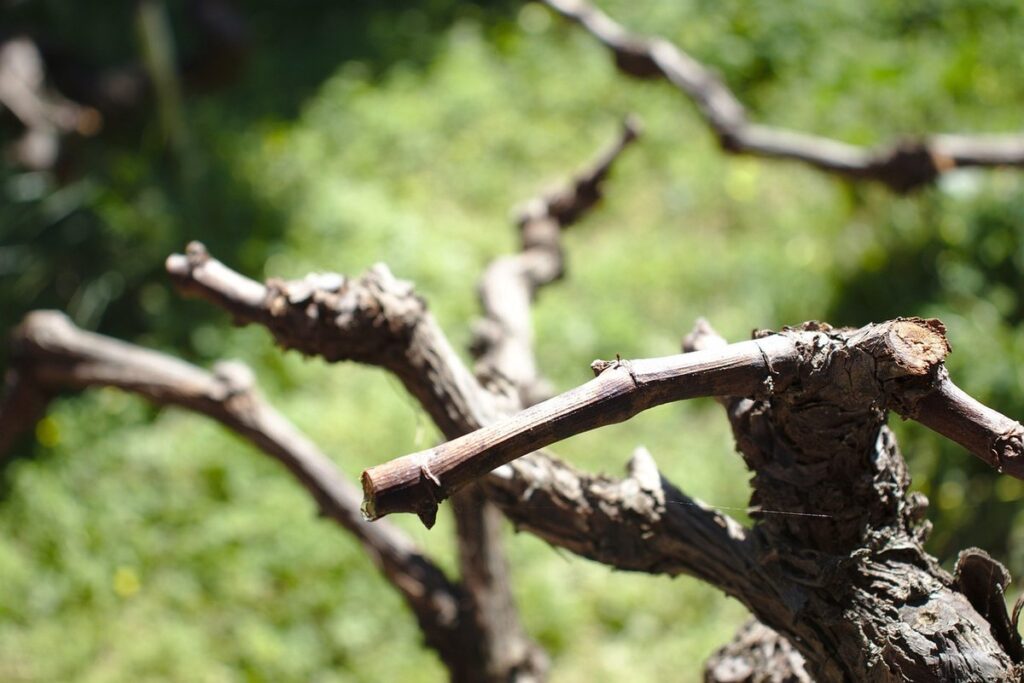
Understanding the Importance of Pruning
Pruning isn’t just a necessity for grape vine growers, but also an art that requires finesse and attention to detail. In this next section, we’ll explore why pruning is crucial for your vine’s health.
Why Prune Your Grape Vines?
Pruning grape vines is an essential practice that offers numerous benefits for growers. By pruning, you can significantly improve yields by directing the vine’s energy towards producing more fruiting wood. For instance, a well-pruned vine with a balanced canopy will produce 20-30% more grapes compared to one left unpruned.
Pruning also plays a crucial role in disease prevention. When grape vines are allowed to grow unchecked, they become more susceptible to diseases like powdery mildew and black rot. Pruning helps to promote air circulation within the vine, reducing the risk of disease spread. Regular pruning will also help you identify any signs of disease early on, allowing for timely treatment.
By promoting a healthy vine structure through pruning, you can also extend its lifespan. A well-pruned vine is less prone to damage from wind and frost, making it more resilient in adverse weather conditions. Additionally, pruning encourages the development of a balanced root system, which is essential for nutrient uptake and water absorption.
Common Mistakes to Avoid When Pruning
When tackling grape vine pruning for the first time, it’s easy to fall into common mistakes that can have lasting consequences. One of the most critical errors is over-pruning, which involves cutting back too much foliage and fruit-bearing wood. This can shock the vine, leading to reduced yields in subsequent seasons and making it more susceptible to disease and pests.
Under-pruning, on the other hand, can also be detrimental. If not enough dead, diseased, or damaged wood is removed, it can continue to sap the life from the rest of the vine. This can cause a range of problems, including reduced fruit quality, stunted growth, and an increased risk of disease.
To avoid these pitfalls, it’s essential to prune with precision and restraint. Start by removing any dead, diseased, or damaged wood, then focus on shaping the vine to promote healthy growth and maximize yields. A good rule of thumb is to remove no more than one-third of the vine’s foliage in a single pruning session.
Pre-Pruning Evaluation and Preparation
Before you start pruning, it’s essential to evaluate your vineyard’s specific needs and prepare for a successful pruning season. This involves assessing your grapes’ health, vigor, and growth patterns.
Inspecting Your Vineyard for Signs of Stress or Disease
Inspecting Your Vineyard for Signs of Stress or Disease is a crucial step before pruning begins. This pre-pruning evaluation helps identify potential issues that may affect the vine’s health and productivity if left unaddressed. As you walk through your vineyard, keep an eye out for signs of stress, such as yellowing leaves, reduced growth, or visible pests.
Disease detection is equally important. Look for fungal infections like powdery mildew or downy mildew, which can cause white or grayish patches on the leaves. Black rot and brown rot are also common issues that manifest as black or brown lesions on the fruit and wood. Early detection allows you to take corrective action before the problem spreads.
Some key areas to inspect include:
• Shoot growth: Look for signs of water stress, such as curled or wilted shoots.
• Leaf health: Check for diseases like botrytis, which can cause grayish or brown spots on leaves.
• Canopy density: A dense canopy can increase humidity and foster disease development.
Identifying these issues before pruning will save you time and resources in the long run. By addressing stress and disease, you’ll create a healthier vineyard that’s better equipped to respond to pruning and other management practices. This proactive approach is essential for optimal grape production and healthy vines.
Tools and Equipment Needed for Pruning
When it comes to pruning grape vines, having the right tools and equipment is essential for effective and safe pruning. First and foremost, you’ll need a good pair of loppers. These are ideal for cutting thicker branches up to 2-3 inches in diameter. Look for loppers with long handles (around 30-36 inches) that allow for better leverage and control.
A pruning saw is also an essential tool for grape vine pruning. It’s perfect for cutting thicker stems, branches, or dead wood that your loppers can’t handle. When choosing a pruning saw, opt for one with a curved blade (also known as a hook or bent-back blade) to make it easier to cut through woody material.
Other important items to have on hand include gardening gloves and safety glasses. Gardening gloves will protect your hands from thorns and scratches, while safety glasses will shield your eyes from flying debris. Don’t forget to wear comfortable clothing and stay hydrated during the pruning process!
It’s also a good idea to have a few other tools handy, such as a pruning knife or secateurs for smaller cuts, a tree tape measure for measuring growth, and a gardening knee pad for comfort while working on your knees.
Basic Pruning Techniques and Principles
When it comes to pruning grape vines, understanding the basic techniques and principles is essential for promoting healthy growth and maximizing yields. Let’s dive into these fundamental concepts together.
Identifying and Removing Dead, Diseased, or Damaged Wood (3Ds)
When pruning grape vines, it’s essential to identify and remove dead, diseased, or damaged wood (3Ds) to prevent the spread of disease and encourage healthy growth. This process may seem straightforward, but it requires attention to detail and a clear understanding of what constitutes 3D material.
Start by visually inspecting your vine’s canes, arms, and cordons for signs of decay, lesions, or discoloration. Check for brittleness, which can indicate disease or damage. Look for areas where water may be accumulating, creating an ideal environment for fungal growth. Remove any sections showing these characteristics, taking care not to spread spores or other pathogens.
Cutting tools should always be disinfected before and after pruning to minimize the risk of transferring diseases between cuts. Dispose of removed material promptly to prevent the spread of disease. Use a sharp tool to make clean cuts just above an outward-facing bud eye, and avoid leaving stubs that can harbor pathogens.
Identifying 3Ds early on will help you maintain a healthy vine, reduce the need for chemical interventions, and improve yields in the long run.
Thin Cutting for Air Circulation and Sunlight Penetration
When pruning grapevines, one crucial aspect to consider is thin cutting. This technique involves selectively removing certain growths from the vine to improve air circulation and sunlight penetration within the canopy. By doing so, you’re creating a healthier environment for your vines to thrive.
Air circulation is vital in preventing diseases that often occur in dense canopies, where moisture becomes trapped and fosters the growth of pathogens. Thin cutting helps alleviate this issue by breaking up the foliage and allowing air to circulate more freely. Sunlight penetration also benefits from thin cutting as it ensures each leaf receives adequate light, promoting photosynthesis and contributing to fruit quality.
To achieve optimal results with thin cutting, focus on removing the oldest canes first while maintaining an open framework within the canopy. This not only promotes air circulation but also encourages new growth by directing energy towards more productive areas of the vine. Be cautious not to over-prune, as this can stress your vines and negatively impact yields in the long run. Aim for a balanced approach that balances removal with retention to ensure continued health and productivity.
Seasonal Pruning Strategies and Variations
When pruning grape vines, timing is crucial: understanding how to prune at different times of year can make all the difference in a vine’s health and productivity. We’ll explore the strategies you need to try now.
Winter Dormancy Pruning for Established Vines
Pruning established vines during winter dormancy has several benefits. It allows growers to assess vine structure and make targeted cuts without sacrificing valuable fruiting wood. This approach also enables a more precise removal of dead, diseased, or damaged wood, reducing the risk of disease spread.
During this period, focus on rejuvenating old or neglected vines by removing up to one-third of their older canes. Cut these canes at the base, just above an outward-facing bud. For younger, vigorous vines, prune back only the tips to encourage branching and control height growth. Be cautious not to remove too much wood, as this can stress the vine.
When pruning established vines during winter dormancy, prioritize selecting for new shoots with a prominent bud eye near the base of each cane. These buds will produce next year’s fruiting branches. Make clean cuts using sharp tools to minimize damage and reduce the risk of infection.
Spring Renewal Pruning for Young Vines or Regeneration
When it comes to young vines or those requiring regeneration, spring renewal pruning is a crucial process that needs careful consideration. As new growth begins to emerge, it’s essential to evaluate the overall health and structure of the vine.
In the spring, focus on removing weak or damaged shoots, as well as any dead wood from last season. This will promote air circulation and reduce the risk of disease. For young vines, aim for a balanced structure by leaving 3-5 main shoots that are about pencil-sized in diameter. These will serve as the base for next year’s growth.
As you prune, look for signs of regenerative potential – new buds forming on old wood or vigorous shoots emerging from the trunk. Leave these areas intact and allow them to develop further. Be cautious not to over-prune, as this can stress the vine and impede its ability to produce fruit. Instead, aim for a delicate balance that encourages healthy growth and development.
Some signs of successful spring renewal pruning include an increase in vigor, improved fruit set, and a more balanced canopy structure.
Tips for Successful Pruning in Different Environments
When pruning grape vines, different environments present unique challenges and considerations. This section will provide you with tips on adapting your pruning techniques to thrive in varying climates and conditions.
Pruning in Hot Climates: Considerations for Heat Stress and Water Management
In hot climates, grapevine pruning requires careful consideration to mitigate heat stress and ensure optimal water management. When temperatures soar, vines are more susceptible to damage from extreme fluctuations between day and night temperatures. Pruning techniques must adapt to accommodate these conditions.
When pruning in hot climates, aim for a 50% reduction in foliage density to reduce transpiration rates and minimize heat stress. This involves removing excess canes and shoots, while maintaining a balanced canopy structure. To conserve water, prune vines during the cooler winter months when possible, or use dormant pruning techniques that induce dormancy, reducing water requirements.
Monitor soil moisture levels closely, as overwatering can exacerbate heat stress in hot climates. Use drip irrigation systems to deliver water directly to roots, minimizing evaporation and runoff. By adapting pruning techniques to accommodate local climate conditions, grape growers can promote healthy vine growth, reduce the risk of heat-related damage, and optimize yields.
Pruning in Cool Climates: Strategies for Fostering Growth and Productivity
In cool climates, grape vine pruning requires a thoughtful approach to foster healthy growth and productivity despite the cooler temperatures. This is where understanding the specific needs of your vines comes into play. When temperatures are consistently below 60°F (15°C), growth slows down, and yields may suffer if not managed properly.
To counteract this, focus on promoting air circulation around the vine by pruning with a more open canopy in mind. This allows for better penetration of sunlight, which is essential for photosynthesis and fruit production. Prune back the tips of the shoots to encourage branching, rather than allowing them to continue growing straight up into the frost line.
Another crucial aspect is selecting cultivars that are specifically bred for cooler climates. These vines have been engineered to be more tolerant of chilly temperatures and will perform better in your region. When choosing these varieties, also consider their cold hardiness ratings – a key factor in determining which ones will thrive in your specific climate zone.
Conclusion and Next Steps
Now that you’ve learned the ins and outs of grape vine pruning, let’s summarize what we’ve covered and explore next steps for your vineyard or home garden.
Recap of Key Takeaways
To reinforce your understanding of grape vine pruning, let’s review the key takeaways from this article. You now know that pruning is a delicate balance between art and science, requiring both a deep understanding of the vine’s growth patterns and an intuitive sense of how to shape it.
You’ve learned about the importance of timing, as pruning too early or too late can have detrimental effects on the vine’s health and productivity. You also know that proper pruning techniques involve removing one-third to two-thirds of the previous season’s growth to promote new development and encourage a strong fruiting structure.
Additionally, you’re familiar with the concept of ‘tipping’ – where you remove the top set of leaves or shoots from the cutting to stimulate root growth and prevent the vine from going into stress. This technique can be particularly useful when propagating new vines.
By incorporating these key concepts into your pruning routine, you’ll be well on your way to developing a healthy, thriving grape vine that’s capable of producing high-quality fruit for years to come.
Encouraging Ongoing Learning and Practice
Achieving mastery in grape vine pruning requires more than just attending workshops or reading books – it demands ongoing learning and practice. As you continue to hone your skills, don’t be afraid to experiment with different techniques and tools to discover what works best for your specific vines.
Regular pruning is not only essential for maintaining healthy and productive vines but also an opportunity to refine your craft. Pay attention to how the plants respond to different pruning methods and adjust your approach accordingly. For example, some growers find that using specialized hand pruners helps reduce stress on delicate shoots, while others swear by the efficiency of mechanized trimmers.
Consider setting aside dedicated time each season for focused experimentation and refinement. Try new techniques with a small test plot or experiment with innovative pruning patterns to see how they impact yield and quality. Document your progress, take notes, and share insights with fellow growers to continue learning from one another.
Frequently Asked Questions
Can I Prune My Grape Vines at Any Time of the Year?
Yes, it depends on your specific climate and region. In general, spring is the best time to prune, but for cooler climates, late winter or early spring might be more suitable. Always consider factors like dormancy periods and potential disease risks when deciding when to prune.
What Happens if I Miss the Optimal Pruning Time?
Missing the optimal pruning window can lead to reduced yields or poor vine health. However, it’s not a catastrophic mistake. Adjust your pruning schedule accordingly, taking into account the specific needs of your vines and climate. Prioritize pruning before new growth begins in spring.
How Do I Know Which Pruning Tools Are Right for Me?
Choosing the right pruning tools is essential for efficient and effective pruning. Consider factors like tool material (e.g., stainless steel), handle comfort, and blade shape when selecting shears or loppers. Invest in high-quality tools that will last you through multiple pruning seasons.
Can I Use Pruning Shears on Large Vines?
Pruning shears are perfect for smaller vines but may not be sufficient for larger ones. For thicker branches, use loppers or a pruning saw to avoid damaging the tool or causing unnecessary stress on your vine.
What If My Vineyard Has Limited Resources – How Can I Still Implement Pruning Effectively?
Limited resources don’t mean you can’t prune effectively. Focus on essential tasks like removing dead wood and thinning out crowded areas. This will help maintain air circulation, promote healthy growth, and prevent disease. Prioritize your efforts based on the vine’s immediate needs.