
Are you a blueberry enthusiast eager to grow your own bushes, but unsure where to start? Or perhaps you’ve already planted some, but they’re not thriving as you’d like? Either way, learning comprehensive blueberry bush care techniques is essential for optimal growth and yields. Blueberries can be finicky plants, requiring specific conditions to produce those delicious, antioxidant-rich fruits.
In this article, we’ll dive into the nitty-gritty of planting, pruning, watering, and pest management to ensure your bushes stay healthy and productive. You’ll learn expert advice on how to create an ideal environment for your blueberries, from soil selection to regular maintenance tasks. By mastering these care techniques, you’ll be well on your way to harvesting a bounty of juicy blueberries right in your own backyard!
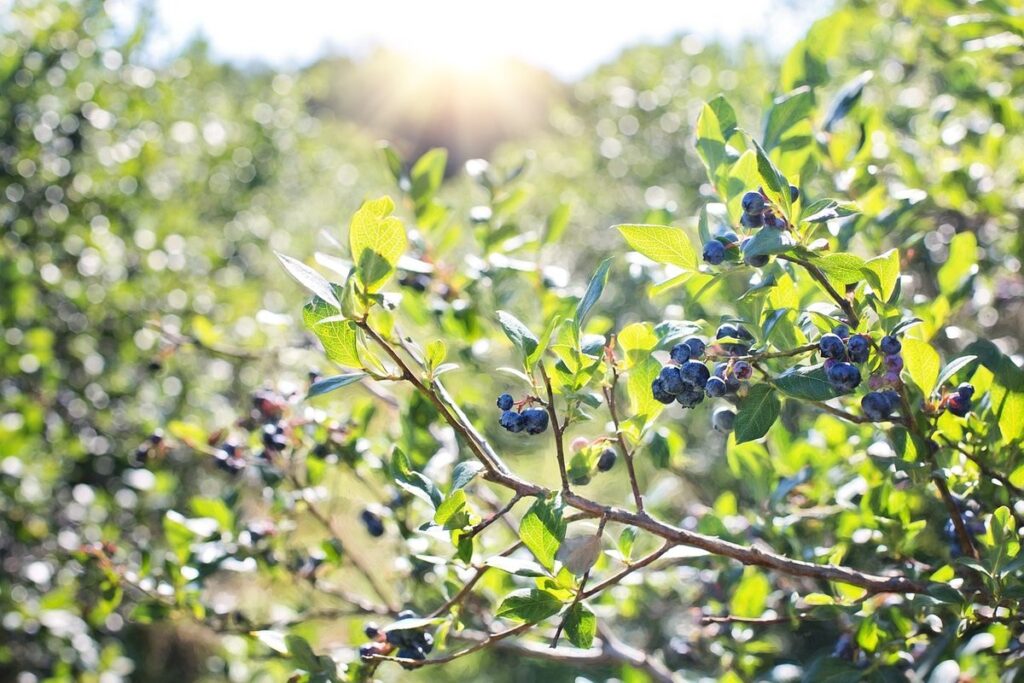
Understanding Blueberry Bush Requirements
To grow healthy blueberries, you need to understand their specific needs and requirements, which we’ll break down into detailed steps for easy reference. Let’s start by examining the ideal conditions for your blueberry bush.
Section Overview
Proper care for blueberry bushes is crucial to ensure their optimal growth, productivity, and overall health. Blueberries are a nutrient-rich fruit that require specific conditions to thrive, making proper care essential to achieve maximum yields. Without adequate attention to their needs, these bushes can become vulnerable to pests, diseases, and environmental stressors.
In this comprehensive guide, we will delve into the intricacies of blueberry bush care, covering everything from soil preparation and planting techniques to pruning, fertilization, and pest management strategies. By the end of this article, you’ll be equipped with the knowledge to provide your blueberries with the right environment to flourish.
We’ll explore the unique requirements of blueberry bushes, including their need for acidic soils, consistent moisture levels, and protection from extreme temperatures. You’ll learn how to choose the right variety for your climate, prepare the perfect soil mix, and plant them at the ideal time. Additionally, we’ll discuss pruning techniques to promote healthy growth, fertilization methods to boost fruit production, and integrated pest management strategies to minimize damage from pests and diseases.
By following our expert advice and guidelines, you’ll be able to overcome common challenges associated with blueberry cultivation and enjoy a bountiful harvest of delicious and nutritious fruits.
Choosing the Right Variety
When it comes to growing blueberries, choosing the right variety is crucial for success. With so many types of blueberry bushes available, understanding their growth habits and requirements is essential for selecting the best one for your specific climate and region.
Highbush blueberries are one of the most common varieties, known for their large, delicious berries and upright growth habit. They require full sun, well-draining soil, and consistent moisture to produce a bountiful harvest. Rabbiteye blueberries, on the other hand, thrive in warmer climates with mild winters and hot summers. They’re also more resistant to disease and pests.
Lowbush blueberries are ideal for acidic soils and cooler temperatures. They have a spreading growth habit and require less maintenance than highbush varieties. Another option is half-high blueberries, which offer a compromise between the two, requiring minimal pruning and care.
When selecting a blueberry variety, consider your local climate, soil type, and available space. Consult with nearby nurseries or gardening experts to determine which type of blueberry will thrive in your specific region. By choosing the right variety, you’ll be well on your way to growing delicious, nutritious blueberries in your backyard.
Planting and Transplanting Techniques
When planting or transplanting blueberry bushes, it’s essential to follow best practices to ensure their health and productivity. Before planting, prepare the soil by adding acidic organic matter such as peat moss or sulfur. The ideal pH for blueberries is between 4.0 and 5.5, so test your soil regularly to make adjustments.
When handling the root ball, gently separate the roots to prevent circling and encourage growth. Place the plant in a hole that’s about two to three times as wide as the pot, taking care not to compact the soil around the roots. After planting, water thoroughly and mulch around the base to retain moisture and suppress weeds.
During transplanting, be mindful of root shock by minimizing disturbance to the roots. If necessary, prune the bush to encourage new growth and prevent dieback. With proper care, your blueberry bushes should establish themselves quickly, providing a bountiful harvest in the years to come.
Soil Preparation and pH Management
To grow healthy blueberries, it’s essential that you prepare your soil properly and manage its pH levels to ensure optimal growth. This involves understanding what makes a perfect acidic mix for your bushes.
Understanding Blueberry Bush Soil Needs
To ensure your blueberry bushes thrive, it’s essential to understand their specific soil needs. Blueberries prefer slightly acidic to acidic soils with a pH between 4.0 and 5.5. If you live in an area with alkaline soil (pH above 6.0), you’ll need to take steps to lower the pH.
To determine your soil’s pH level, purchase a soil testing kit or send a sample to a laboratory for analysis. Based on the results, you can make necessary adjustments. To amend acidic soils, add limestone or dolomitic limestone to raise the pH. For alkaline soils, apply elemental sulfur, peat moss, or aluminum sulfate to lower it.
In addition to maintaining the right pH, blueberries require adequate nutrient supply. They need a balanced fertilizer mix with high phosphorus levels (10-20-10 NPK) during the growing season. Apply a 2-inch layer of compost or well-rotted manure around the base of each bush in spring and fall for optimal growth. Regularly testing your soil will help you identify nutrient deficiencies and take corrective action to ensure your blueberries receive the nutrients they need to produce healthy fruit and leaves.
Creating a Sod- or Mulch-Based Bed
Creating a sod- or mulch-based bed is an excellent way to provide blueberries with the well-draining conditions they need. This method involves removing the existing grass or weeds and replacing it with either a layer of mulch or a new sod, which will help improve drainage and prevent waterlogged soil.
When preparing your bed for blueberries using this method, start by loosening the existing soil to a depth of about 8-10 inches. Remove any debris, rocks, and roots that could interfere with healthy growth. If you’re starting from scratch, lay down a layer of landscape fabric or weed barrier to prevent weeds from growing up through the new mulch or sod.
For a mulched bed, use a mix of organic materials like bark chips, pine straw, or hardwood mulch. Apply a 2-3 inch thick layer, keeping it at least 6 inches away from the blueberry plant’s crown. This will help retain moisture and suppress weeds. For a sod-based bed, choose a grass type that’s suitable for your climate and install it according to the manufacturer’s instructions.
Regular maintenance is key: replenish mulch as needed, aerate the soil annually, and ensure adequate watering.
Watering and Irrigation Strategies
When it comes to caring for blueberry bushes, getting their watering needs just right is crucial. In this section, we’ll explore effective watering and irrigation strategies to keep your bushes healthy and thriving.
Understanding Blueberry Bush Water Requirements
When it comes to watering blueberry bushes, getting it right is crucial for optimal growth and fruit production. Water requirements can vary significantly depending on factors like climate, seasonality, and individual plant needs.
In hot and dry climates, blueberries require more frequent watering, especially during the first year after planting. In areas with mild winters, blueberries tend to require less water overall, but still need consistent moisture during the summer months when they’re producing fruit. It’s essential to consider the specific climate and seasonality in your region when determining the right watering schedule for your blueberry bushes.
One way to ensure you’re meeting your blueberry bush’s water needs is to check the soil moisture regularly by inserting a finger into the soil up to the knuckle. If the soil feels dry, it’s time to water. Avoid overwatering, which can lead to root rot and other problems. Aim for about 1-2 inches of water per week, either from rainfall or irrigation.
To further tailor your watering strategy to individual plant needs, consider factors like age, size, and growth rate. Younger blueberry bushes require more frequent watering, while established plants can tolerate some drought.
Installing Drip Irrigation Systems
Drip irrigation systems are an excellent choice for blueberry bushes as they provide water directly to the roots, reducing evaporation and runoff. By installing a drip irrigation system tailored to your blueberry bush’s specific needs, you can optimize water efficiency and promote healthy growth.
When selecting a drip irrigation system for your blueberry bushes, look for one that is specifically designed for blueberries or fruiting plants. These systems usually have emitters spaced 6-12 inches apart to accommodate the shallow root system of blueberries. Install the main line along the row, ensuring it’s at least 2-3 inches below the soil surface to prevent damage from frost and weeds.
To install a drip irrigation system for your blueberry bushes:
* Determine the flow rate based on the size of your blueberry patch
* Lay out the tubing according to the manufacturer’s instructions
* Attach emitters to the main line at the recommended spacing
* Connect a timer or controller to regulate water delivery
This tailored approach will help you provide exactly what your blueberries need to thrive.
Pruning and Training Methods
To keep your blueberry bush healthy and productive, it’s essential to prune and train them regularly. This section covers the best pruning and training methods for optimal growth.
Annual Pruning Strategies
When it comes to blueberry bush care, annual pruning is an essential strategy for maintaining healthy growth, promoting fruiting, and controlling pests and diseases. Pruning not only helps to remove diseased or damaged wood but also encourages new growth, which can lead to a bountiful harvest.
For blueberries, it’s recommended to prune in late winter or early spring, just before new growth begins. Start by removing any dead, diseased, or damaged branches, cutting them back to the base of the plant. This will help prevent the spread of disease and promote healthy new growth.
Next, focus on thinning out the center of the bush to allow for good air circulation, which is crucial for preventing fungal diseases like powdery mildew and botrytis. Remove any crossing or rubbing branches, as these can cause damage to nearby stems.
To encourage fruiting, prune back about one-third of the plant’s oldest canes to the ground. This will stimulate new growth from the base of the plant and increase yields in the following year. Don’t over-prune, though – blueberries are sensitive plants that need plenty of leaves to photosynthesize and produce fruit.
Regular pruning also helps control pests like rodents and birds by removing seed-bearing branches, which can attract unwanted visitors. By incorporating these annual pruning strategies into your blueberry bush care routine, you’ll be well on your way to a healthy, thriving plant with plenty of delicious fruit to enjoy.
Shaping and Training Blueberry Bushes
When it comes to shaping and training blueberry bushes, the goal is to create an optimal structure that allows for good air circulation, supports healthy growth, and promotes maximum fruiting. This involves creating a strong framework that will support the weight of the fruit, as well as allow sunlight to penetrate and reach all parts of the plant.
To achieve this, it’s essential to prune your blueberry bushes annually, removing any dead, diseased, or damaged wood. At the same time, reduce the height of new growth by about one-third to encourage bushy growth rather than a single tall stem. This will also help prevent wind damage and promote better air circulation around the fruiting branches.
Use stakes or trellises to support young plants or those that need additional structural support. As your blueberry bushes mature, their natural shape should begin to take hold. With regular pruning and training, you can guide them towards a sturdy, balanced structure that will optimize fruit production and overall health for years to come.
Pest and Disease Management
To grow healthy blueberry bushes, it’s essential to learn how to prevent and manage common pests and diseases that can harm your plants. We’ll walk you through effective strategies for keeping your bushes safe.
Common Pests and Diseases Affecting Blueberries
As a blueberry bush owner, it’s essential to be aware of the common pests and diseases that can affect your plants. Some of the most significant threats to healthy blueberries include aphids, spider mites, and powdery mildew.
Aphids are small, soft-bodied insects that feed on plant sap, causing curled or distorted leaves. They can also transmit plant viruses, making them a serious threat to blueberry health. To prevent aphid infestations, inspect your plants regularly and remove any visible signs of the pests. Use neem oil or insecticidal soap to control outbreaks.
Spider mites are tiny, spider-like insects that feed on plant sap, causing yellowing leaves and fine webbing. They thrive in dry conditions, making them more common during droughts or hot summers. To prevent spider mite infestations, maintain consistent moisture levels and use a broad-spectrum pesticide as needed.
Powdery mildew is a fungal disease that causes a white, powdery coating on leaves. It’s often spread by water splashing or poor air circulation. To prevent powdery mildew, ensure good air circulation around your plants, remove any infected leaves, and use fungicides as necessary. Regularly inspecting your blueberries and taking prompt action can help prevent these pests and diseases from taking hold.
Integrated Pest and Disease Management Techniques
Integrated pest and disease management is essential for maintaining healthy blueberry bushes. Rather than relying solely on chemical controls, adopt a holistic approach that combines cultural practices with targeted treatments to prevent pest and disease buildup. This multifaceted strategy helps minimize the risk of resistance development and environmental pollution.
Begin by selecting high-quality, disease-resistant blueberry cultivars suitable for your region’s climate. Next, ensure optimal growing conditions, including sufficient light, water, nutrients, and air circulation. Implement cultural practices like crop rotation, sanitation, and pruning to prevent pest and disease infestations. For instance, remove weeds that can harbor pests or diseases, and dispose of any infected plant material.
For chemical controls, use integrated pest management (IPM) techniques that involve applying targeted treatments only when necessary. Consider using beneficial organisms like ladybugs or lacewings to control aphid populations, reducing the need for pesticides. Always follow label instructions and recommended application rates to minimize environmental impact and protect beneficial insects.
Harvesting and Post-Harvest Care
Now that your blueberry bushes are thriving, it’s time to focus on harvesting and caring for them after the fruit has been picked. Proper post-harvest care will ensure their continued health and productivity.
Timing and Technique for Blueberry Harvests
Recognizing optimal fruit ripeness is crucial to harvesting blueberries at their peak flavor and quality. To do this, gently lift a few berries from the bush, and if they come off easily without leaving a green stem behind, it’s time to harvest. Check for color – ripe blueberries should be deep purple or almost black, depending on the variety.
Proper harvesting technique is also essential to minimize damage and prevent bruising. Use clean, dry containers or trays to collect the berries, as moisture can cause them to spoil quickly. Gently pluck the fruit from the bush, working your way around the plant in sections to avoid compacting the soil.
To ensure a successful harvest, it’s best to pick blueberries in the morning, when they’re at their coolest and most tender. Avoid harvesting in direct sunlight or during hot weather, as this can cause the berries to become heat-stressed and spoil more quickly. By following these simple guidelines, you’ll be able to enjoy your homegrown blueberries at their best flavor and quality.
Aftercare for Healthy Bushes
After harvesting blueberries from your bush, it’s essential to focus on aftercare to maintain its health and productivity. Watering is a crucial aspect of post-harvest care. Ensure the soil remains consistently moist but not waterlogged, as this can lead to root rot and other issues. Pruning is another vital step in maintaining a healthy blueberry bush. Remove any weak or diseased growth, which can harbor pests and diseases that may affect future harvests.
Prune your blueberry bush to promote air circulation, encourage new growth, and increase fruiting wood. Cut back the tips of the main branches by about one-third, and remove any crossing or rubbing branches. This will allow sunlight to reach all areas of the bush, reducing disease susceptibility.
Keep in mind that regular pruning is necessary for optimal blueberry production. By providing your bush with the right amount of water and nutrients after harvesting, you’ll set it up for a successful and bountiful next season.
Frequently Asked Questions
What’s the ideal spacing for blueberry bushes to prevent disease spread?
When planting multiple blueberries, maintain a minimum of 3-6 feet (90-180 cm) between each bush to promote air circulation and reduce the risk of fungal diseases. This distance also allows for easy maintenance and pruning.
How often should I water my blueberry bushes during drought conditions?
Water your blueberries regularly during periods of drought or extreme heat, aiming for about 1 inch (2.5 cm) of water per week. Mulching around the base can help retain moisture, but be cautious not to overwater, as this can lead to root rot.
Can I use regular garden soil for my blueberry bushes, or is it necessary to have a specific mix?
No, regular garden soil won’t provide the acidity and nutrient requirements that blueberries need. Use a well-draining acidic potting mix with a pH between 4.0-5.5, or amend your existing soil with peat moss or elemental sulfur to create a suitable environment.
How do I know if my blueberry bushes are receiving too much sunlight?
Blueberries generally require full sun to partial shade, but excessive direct sunlight can cause burning and reduced yields. If you notice leaves becoming scorched or plants turning pale, consider providing some afternoon shading with a trellis or canopy to balance their light requirements.
Can I prune my blueberry bushes in the spring instead of during their dormant season?
While pruning is essential for promoting healthy growth, it’s best done during the winter months (dormant season) to minimize stress on the plants. Pruning in the spring can cause new growth to be vulnerable to pests and diseases.