
When it comes to maintaining optimal humidity levels in your home, especially in rooms with high moisture like bathrooms or kitchens, there are many things to consider. One often overlooked solution is using a pebble tray for humidity control. But what exactly is a pebble tray, and how does it work? In this article, we’ll explore the science behind pebble trays, including how they help maintain a healthy balance of moisture in the air, reduce bacterial growth, and prevent mold from forming. We’ll also cover the different types of pebbles you can use, as well as tips for selecting and caring for your pebble tray to ensure it continues to work effectively. By the end of this article, you’ll have a better understanding of how pebble trays can be an effective tool in maintaining optimal humidity levels.
Benefits and Uses of Pebble Trays
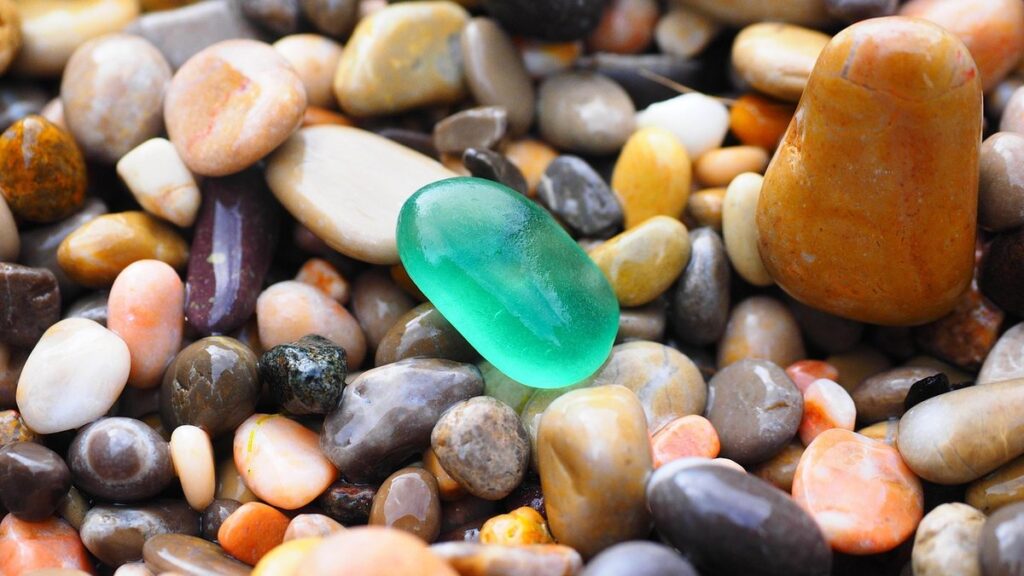
Now that we’ve covered how pebble trays work, let’s dive into the exciting benefits and uses you can expect from incorporating one in your space. From decorative accents to practical humidity control.
Maintaining Optimal Humidity Levels
Maintaining optimal humidity levels is crucial in various environments where plants are present. In terrariums, greenhouses, and indoor spaces, a stable moisture level helps prevent mold growth, root rot, and other issues that can be detrimental to plant health.
A pebble tray plays a significant role in achieving this balance. By placing the tray under your plant’s pot, excess water is allowed to evaporate slowly, maintaining humidity levels without overwatering. The small gap between the pebbles and the pot ensures that roots don’t sit in standing water, which can be detrimental.
When using a pebble tray, it’s essential to refill the water regularly to maintain optimal humidity levels. A good rule of thumb is to check the tray daily, adding water as needed. Monitor your plant’s response to this setup by observing its leaves and overall growth.
Keep in mind that different plants have varying requirements for humidity levels. Research specific needs for your plant species to ensure you’re providing the right environment. With a pebble tray, you can create a stable and healthy atmosphere for your plants to thrive.
Reducing Bacterial Growth and Mold
One of the most significant benefits of using pebble trays is their ability to maintain a consistent level of moisture, which can help reduce bacterial growth and mold. These issues are particularly prevalent in plants that thrive in high-humidity environments. For instance, ferns, peace lilies, and bromeliads are often susceptible to bacterial growth and mold due to their love for moist conditions.
When the water in a standard tray evaporates rapidly, it creates an ideal environment for bacteria and mold to develop. However, pebble trays work differently. By placing rocks or pebbles in the tray, they absorb and release moisture slowly, maintaining a consistent humidity level around the plant. This prevents extreme fluctuations in moisture that can lead to bacterial growth and mold.
To utilize a pebble tray effectively, ensure you choose a tray with sufficient depth to hold enough water for your plants’ needs. Also, select rocks or pebbles of suitable size to facilitate easy absorption and release of moisture.
How Pebble Trays Work
Let’s dive into the science behind pebble trays and explore how they work their magic to maintain a stable humidity level. Essentially, it all comes down to evaporation.
The Science Behind Pebble Trays
At its core, pebble trays work on the principle of capillary action and evaporation. When you place a layer of water over a bed of small rocks or pebbles, water is drawn up into the spaces between them through tiny pores and channels. This process is known as capillary action, where the adhesive properties of the water molecules allow them to flow upwards against gravity.
As the water rises through the pebbles, it begins to evaporate slowly, releasing moisture back into the air. The rate of evaporation depends on factors such as temperature, humidity, and airflow around the tray. Pebbles, being porous and rough, have a higher surface area than other materials, allowing them to absorb more water efficiently.
As needed, pebbles can release excess water back into the soil or surrounding environment through this same process. This self-regulating system ensures that plants receive just the right amount of moisture without overwatering or underwatering. By harnessing capillary action and evaporation, pebble trays provide an effective way to maintain optimal humidity levels for your indoor plants.
Types of Pebbles and Their Effectiveness
When selecting pebbles for your humidity tray, it’s essential to consider the type of material, size, and cost. Different types of pebbles have varying levels of effectiveness in maintaining humidity levels.
Marble pebbles are a popular choice due to their aesthetic appeal and ability to retain moisture. However, they can be expensive, especially if you opt for high-quality or colored marble. Granite pebbles, on the other hand, are more affordable and durable but may not hold water as well as marble.
Glass beads are another option, offering a cost-effective solution that’s also low-maintenance. They come in various sizes, allowing you to choose the one that best suits your needs. Beads with a smaller size tend to be more effective at releasing moisture into the air, whereas larger ones may take longer to achieve the desired humidity level.
When selecting pebbles, consider the space available for your tray and the climate you live in. For example, if you reside in an arid region, using larger glass beads or marble pebbles might be more beneficial to maintain optimal humidity levels.
Choosing the Right Pebble Tray
When selecting a pebble tray for humidity, it’s essential to consider a few key factors to ensure you choose one that suits your specific needs and environment. This section will walk you through those crucial considerations.
Selecting the Correct Size and Shape
When it comes to selecting a pebble tray that suits your needs, considering the space, plant type, and water capacity is crucial. Measure the area where you plan to place the pebble tray to ensure it fits comfortably. Take note of the mature size of your plants and choose a tray that can accommodate their growth without overcrowding.
Different plants have varying humidity requirements, so consider this when selecting a pebble tray. For example, ferns and peace lilies thrive in humid environments, while cacti prefer dry conditions. Choose a tray with an adequate water capacity to meet the needs of your plant species. A general rule of thumb is to provide at least 1-2 gallons of water per 10 square feet of pebble tray surface.
When choosing a pebble tray, also consider its depth and width. A deeper tray will allow for more water storage, but it may not fit in smaller spaces. On the other hand, a narrower tray may be perfect for small areas, but it might require frequent water refills. Be sure to choose a tray that balances your space constraints with your plant’s needs.
Materials and Durability
When selecting a pebble tray for maintaining humidity levels in your home, it’s essential to consider its durability and ease of cleaning. A high-quality pebble tray will not only ensure that the surrounding environment remains humid but also save you from frequent replacements and maintenance.
Materials play a significant role in determining a pebble tray’s durability. Ceramic trays are an excellent choice due to their water-resistant and non-porous nature, making them ideal for humid environments. They can withstand extreme temperature fluctuations and are relatively easy to clean with soap and water. On the other hand, plastic trays may be more affordable but often lack the durability of ceramic or glass options.
Glass pebble trays offer a great balance between aesthetics and functionality. They are non-porous, easy to clean, and resistant to water damage. However, they can be prone to shattering if dropped, which is essential to consider when choosing the right pebble tray for your needs.
To ensure your pebble tray remains durable and functional for years to come, opt for a high-quality ceramic or glass option. Regular cleaning with mild soap and water will also go a long way in extending its lifespan.
Caring for Your Pebble Tray
To keep your pebble tray effective and healthy plants thriving, it’s essential to follow proper care instructions to maintain its optimal performance. Regular maintenance will extend the life of your pebble tray.
Refilling and Cleaning the Tray
Refilling and cleaning your pebble tray regularly is crucial to maintain its effectiveness in maintaining humidity levels. As you notice the pebbles drying out or the water level dropping significantly, it’s time for a refill. To do this efficiently, start by carefully lifting the tray from its pot or container to prevent any damage.
When refilling the tray, use a gentle pouring motion to avoid splashing water onto the surrounding area. It’s essential to fill the tray to the recommended level, usually about 1-2 inches deep. Be sure not to overfill it as this can lead to excess moisture and potentially harm your plant.
As for cleaning the pebble tray, aim to do it every 7-10 days or whenever you notice a buildup of debris or minerals. Mix equal parts water and white vinegar in the tray, and let it sit for about an hour before rinsing thoroughly with clean water. This will help prevent mineral deposits from forming and maintain your tray’s performance.
Regular refilling and cleaning will ensure your pebble tray continues to work efficiently in maintaining optimal humidity levels for your plants.
Monitoring Humidity Levels
Monitoring humidity levels is crucial when using a pebble tray to maintain optimal humidity for plants. You see, most houseplants prefer a humid environment, but overwatering can lead to root rot and other problems if the air is too damp.
To accurately measure humidity levels, you’ll need a hygrometer or a smartphone app that tracks humidity. Hygrometers are inexpensive and easy to find at most gardening stores. Apps like Dew Monitor or Dark Sky can also provide precise readings. Place your hygrometer near your pebble tray, ideally 3-5 feet off the ground.
When using a pebbles-and-water combination, it’s essential to monitor humidity levels closely. If your environment tends to be too dry (typically below 40%), you may need to increase the water level in your pebble tray or add more plants that release moisture into the air. Conversely, if your space is overly humid, reduce the water amount or relocate the pebbles to a well-ventilated area.
Common Issues and Solutions
As you set up your pebble tray, you may encounter some common issues that can affect its performance. Let’s tackle these problems together with practical solutions to keep your plants happy and healthy.
Over- or Under-Humidification
Maintaining optimal humidity levels is crucial when using pebble trays. However, issues like over- or under-humidification can arise if not monitored properly. Over-humidification occurs when the water level in the tray is too high, causing excess moisture to evaporate into the air. This can lead to mold growth and condensation on nearby surfaces.
On the other hand, under-humidification happens when the pebble tray dries out too quickly, failing to maintain a stable humidity level. To correct these issues, it’s essential to monitor the water level in your pebble tray regularly. Check the soil moisture by sticking your finger into the soil up to the first knuckle. If the soil feels dry, add a small amount of water to the tray.
To prevent over-humidification, use a hygrometer to measure the humidity levels in the surrounding area. Adjust the water level accordingly to maintain an optimal range between 40-60%. For under-humidification, make sure not to over-water your plants and ensure good air circulation around the pebble tray.
Preventing Algae Growth
To prevent algae growth in your pebble tray, it’s essential to maintain good water quality. Regularly check and change the water in your pebble tray every 1-2 weeks to prevent the buildup of bacteria and nutrients that algae feed on. Use a water conditioner or dechlorinator to remove chlorine and chloramines from tap water, which can also contribute to algae growth.
Proper light exposure is another crucial factor in preventing algae growth. Avoid placing your pebble tray in direct sunlight, as it can promote excessive algae growth. Instead, opt for bright, indirect light that won’t encourage the growth of algae. If you notice algae starting to grow, gently lift the plants out of the tray and clean them with a soft-bristled brush before returning them.
To prevent algae from taking hold in your pebble tray, establish a regular maintenance routine. Inspect the water daily for any signs of algae growth and take action promptly if you spot any. Use a water test kit to monitor the pH levels and nutrient content of the water, making adjustments as needed to create an environment that promotes healthy plant growth while preventing algae growth.
Conclusion
In conclusion, pebble trays for humidity are a simple yet effective solution to maintain optimal moisture levels in your home. By placing them near plants or in areas prone to dryness, you can create a humid microclimate that promotes healthy growth and reduces stress on your plants. Remember, it’s not just about the pebbles themselves, but also how they interact with the air around them. To get the most out of your pebble tray, make sure to refresh the water regularly and avoid overcrowding the tray with too many plants. With a little practice and patience, you’ll be enjoying lush, thriving plants in no time, all thanks to the humble pebble tray. By incorporating this technique into your plant care routine, you’ll be well on your way to becoming a green thumb master.
Frequently Asked Questions
Can I use pebbles from my garden or yard for the tray?
Yes, you can repurpose natural pebbles from your garden, but ensure they’re clean and dry before using them. However, be aware that some stones may release dust or chemicals over time, so it’s a good idea to opt for decorative or purpose-made pebbles specifically designed for pebble trays.
How often should I refill the water in my pebble tray?
The frequency of refilling the water depends on the environment and type of pebbles used. As a general rule, check the tray every 1-3 days, especially in humid environments or with high water-absorbing pebbles. Refill when you notice the water level has dropped significantly.
What’s the ideal size for a pebble tray in my bathroom?
A good starting point is to choose a tray that fits under your plant pot and has enough space for a 1-2 inch layer of pebbles. For bathrooms, consider a tray with a capacity of around 4-6 cups or larger if you have multiple plants.
How do I prevent algae growth in my pebble tray?
To minimize algae development, ensure the water level is not too high, and change the water completely every week to one fortnight. You can also add a few drops of a mild, plant-friendly algaecide specifically designed for aquariums or ponds to help control algae growth.
Can I use a pebble tray with plants that prefer dry soil?
While pebble trays are most effective in humid environments, you can still use them with plants that prefer drier conditions. However, be cautious not to overwater the plant by keeping the water level low and checking the moisture levels regularly.