
Are you ready to unlock the secret to growing delicious and nutritious bean sprouts from scratch? With just a few simple steps, you can cultivate these tasty greens in your own kitchen. Bean sprouts are an excellent addition to any meal, packed with protein, fiber, and vitamins. They’re also incredibly easy to grow, making them perfect for busy home cooks and gardeners alike.
In this comprehensive guide, we’ll walk you through the preparation process, from selecting the right beans to soaking them in water. We’ll also cover the essential tips for successful sprouting, including how to maintain optimal temperature and humidity levels. Finally, we’ll share expert advice on when and how to harvest your bean sprouts, ensuring they’re at their peak flavor and texture. Whether you’re a seasoned gardener or just starting out, this guide will have you growing delicious bean sprouts like a pro in no time!
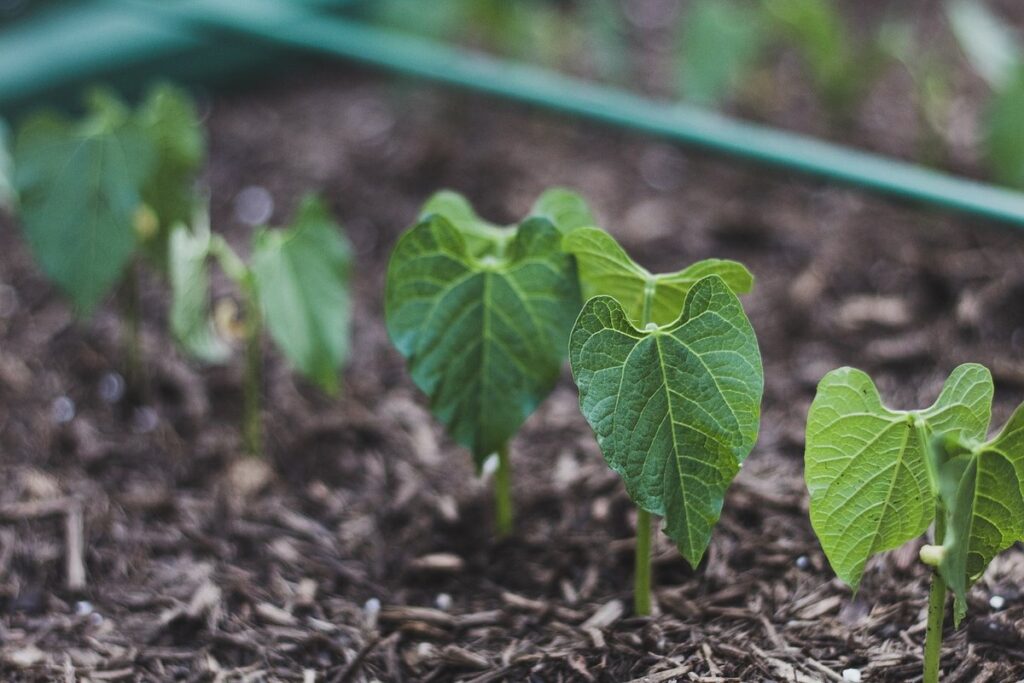
Understanding Bean Sprouts
To truly master growing bean sprouts, it’s essential to understand their unique characteristics and requirements, which can be vastly different from other vegetables. Let’s break down what makes them tick!
What Are Bean Sprouts?
Bean sprouts are a nutrient-rich and versatile ingredient that has gained popularity worldwide due to their numerous health benefits. They are essentially the young shoots of legumes, such as mung beans, kidney beans, and black beans, that have been allowed to germinate. This process of germination triggers a rapid increase in nutrients, including vitamins, minerals, and proteins.
The nutritional benefits of bean sprouts are impressive. For instance, they are rich in vitamin C, which plays a crucial role in immune function and collagen production. They also contain a good amount of iron, essential for healthy red blood cells. Moreover, bean sprouts are an excellent source of fiber, which can help regulate digestion and prevent constipation.
In many cuisines, including Asian, Latin American, and Middle Eastern cooking, bean sprouts are a staple ingredient due to their crunchy texture and mild flavor. They can be added raw to salads or stir-fries for a burst of freshness, sautéed as a side dish, or used in soups for added nutrition. Whether you’re looking to incorporate more plant-based protein into your diet or seeking a low-calorie snack option, bean sprouts are an excellent choice.
Types of Bean Sprouts
There are several types of bean sprouts that can be grown at home, each with its unique characteristics and uses. Mung beans are one of the most popular varieties, known for their delicate flavor and crunchy texture. They are a staple ingredient in many Asian cuisines and can be used in salads, stir-fries, and as a garnish.
Soybeans are another common type of bean sprout, which have a slightly sweeter taste than mung beans. They are higher in protein and fiber compared to other types of bean sprouts, making them a popular choice for vegetarians and vegans. Soybean sprouts can be used in soups, stews, and as a meat substitute.
Lentils are another type of legume that can be sprouted at home, although they require slightly more effort than mung beans or soybeans. Lentil sprouts have a nuttier flavor and higher nutritional content, making them an excellent addition to salads, curries, and other dishes.
Other types of bean sprouts include adzuki beans, chickpeas, and black beans, each with their unique characteristics and uses in different cuisines.
Preparing for Sprouting
Before you begin growing bean sprouts, let’s prepare your kitchen and ingredients by covering the essential steps to ensure healthy germination. This includes selecting the right beans, soaking them properly, and more.
Choosing the Right Beans
Choosing the right type of beans is crucial for successful sprouting. When selecting beans, consider their freshness and quality. Freshly harvested beans tend to produce better yields and have a shorter sprouting time compared to older beans.
Opt for high-quality beans that are specifically labeled as “sprouting” or “mung” beans, which are commonly used for this purpose. These types of beans are bred for optimal germination rates and are less likely to cause digestive issues.
Consider the variety of bean you choose. Some popular options include mung beans, adzuki beans, and black soybeans. Each type has its own unique characteristics and advantages. For example, mung beans are known for their mild flavor and high nutritional content, making them a great choice for health-conscious sprouters.
When shopping for beans, inspect the packaging or container for any signs of moisture or damage. Avoid buying beans that have been stored in direct sunlight or extreme temperatures.
Soaking and Rinsing Beans
Soaking and rinsing beans is a crucial step in initiating the sprouting process. It’s essential to do this correctly to encourage healthy germination and prevent any potential issues that may arise during the sprouting phase.
To start, choose high-quality beans that are suitable for sprouting. Most common bean varieties can be used, but it’s best to avoid beans with imperfections or signs of aging. Rinse the beans thoroughly in a fine mesh strainer under cold running water to remove any dirt or debris. This step helps prevent bacterial growth and ensures cleanliness.
Next, soak the beans in a large bowl or container filled with enough water to cover them completely. The general rule is to use 1 cup of water for every 2-3 cups of beans. Allow the beans to soak for 8-12 hours, but make sure they’re not submerged in water for an extended period, which can cause mold growth.
After soaking, drain and rinse the beans again under cold running water. Repeat this process once more before moving on to the sprouting phase. This double-rinsing step helps remove any excess salt or impurities that may inhibit germination.
Setting Up a Sprouting Environment
To grow healthy and vibrant bean sprouts, it’s essential that you create an optimal environment for them to thrive. This is where setting up your sprouting station comes in.
Materials Needed
To set up a successful bean sprouting environment, you’ll need some essential materials. Don’t worry, we’ve got you covered with this list of must-haves.
First and foremost, you’ll need a clean glass jar or container with a wide mouth. This will be the home for your soon-to-be-sprouted beans. Look for jars that are specifically designed for sprouting, as they usually have a lid or mesh screen to allow for proper ventilation and drainage.
A good-quality lid or mesh screen is crucial for bean sprouting. These help prevent mold from growing by allowing air to circulate and excess moisture to escape. You can also use specialized equipment like sprouting trays or containers with built-in screens, which can be more convenient in the long run.
In addition to these basic items, you’ll also need a clean workspace, some water, and of course, your choice of bean variety. Make sure to rinse all equipment thoroughly before starting, as cleanliness is key for healthy sprouts.
Tips for Optimal Growth Conditions
When it comes to creating an ideal environment for bean sprouts to grow, attention to detail is crucial. The temperature range plays a significant role in the sprouting process, and most bean varieties thrive between 70°F to 85°F (21°C to 30°C). If your space is prone to extreme temperatures, consider investing in a temperature-controlled growing area.
Maintaining optimal humidity levels is also essential for healthy growth. Aim for a relative humidity of 80-90% during the first few days after soaking the beans and slightly decrease it as they sprout. You can cover the tray with a damp cloth or a clear plastic lid to create a humid microclimate.
Lighting should be minimal, especially if you’re growing in a warm environment. Direct sunlight can cause the seeds to germinate too quickly, leading to uneven growth. If possible, provide indirect light by placing the sprouting container near an east- or west-facing window.
To promote healthy air circulation and prevent moisture buildup, ensure there’s enough space between the containers and avoid overcrowding. A gentle breeze from a fan can also help maintain optimal humidity levels and speed up the growth process. Regularly inspect your setup to make adjustments as needed, and you’ll be rewarded with lush, nutritious bean sprouts in no time.
The Sprouting Process
Now that you’ve prepared your bean seeds and jar, it’s time to explore the fascinating process of sprouting, where magic happens in just a few short days. This stage requires careful attention to detail.
Monitoring and Maintenance
As you continue to nurture your bean sprouts, it’s essential to monitor their progress and detect potential issues early on. This will ensure a healthy and thriving crop. Check the soil daily for moisture levels, making sure it doesn’t dry out completely. Watering should be done gently but thoroughly.
Monitor the temperature as well, keeping it between 65°F to 75°F (18°C to 24°C) for optimal growth. Keep an eye out for signs of pests or diseases such as mold, mildew, or whiteflies. Regularly inspect your sprouts for any visible damage or discoloration.
Perform maintenance tasks like rinsing the beans with lukewarm water daily to remove any impurities and prevent bacterial growth. Change the water in the container completely every 2-3 days to maintain its purity. This will help prevent the buildup of nutrients, which can lead to an unpleasant taste.
Keep your growing area clean and free from debris to avoid contamination. By following these monitoring and maintenance steps, you’ll be able to detect any issues early on and take corrective action, ensuring a healthy and successful crop of bean sprouts.
Common Challenges and Solutions
As you embark on growing bean sprouts, it’s essential to be aware of common challenges that may arise during the process. One of the most significant issues is uneven germination, where some beans sprout faster than others. This can lead to a batch of unevenly sized and matured sprouts.
To combat this problem, ensure that you’re providing consistent moisture levels to all beans. Check on them daily, and mist with water if necessary. You can also try using a specialized seed starting mix that’s designed for optimal germination.
Another common challenge is the growth of mold or bacteria due to overwatering. To prevent this, maintain good air circulation around your sprouts by placing them in a well-ventilated area or using a mesh screen. Regularly inspect your beans for any signs of fungal growth and remove any affected areas immediately.
By being proactive and addressing these common challenges early on, you can ensure a healthy and successful batch of bean sprouts.
Harvesting and Storing Bean Sprouts
Now that you’ve coaxed your bean sprouts into life, it’s time to harvest them at their peak freshness and store them for later use in salads and other dishes.
Determining Readiness
Determining when your bean sprouts are ready to harvest is crucial for optimal flavor and texture. As they grow, keep a close eye on their color, size, and overall appearance. A mature bean sprout will typically have a vibrant green or light yellow color, depending on the variety.
To determine readiness, gently press the sprout against a white piece of paper. If it leaves an indentation but doesn’t break easily, it’s ready to harvest. If it breaks, give it another day or two before checking again.
Harvesting at the optimal time is key. Bean sprouts continue to grow and develop after they’re harvested, which can lead to a loss of flavor and nutrients. For best results, aim for 2-4 inches in length, depending on your desired level of crunchiness.
Keep an eye on your specific variety’s growth rate as some may be ready sooner than others. Be cautious not to over-harvest, as this can cause stress to the plant and lead to a decrease in subsequent yields. Harvesting at the right moment ensures you enjoy the best-tasting bean sprouts possible.
Storage and Preservation Methods
Proper storage and preservation of freshly harvested bean sprouts are crucial to maintaining their quality and extending shelf life. Here’s a step-by-step guide on how to store and preserve bean sprouts:
Store the harvested bean sprouts in an open container, allowing air circulation around them. This helps prevent moisture buildup and reduces the risk of mold growth. You can also use paper bags or mesh bags for storage, ensuring good airflow.
To extend shelf life, keep the stored bean sprouts away from direct sunlight, heat sources, and drafts. The ideal storage temperature is between 32°F (0°C) and 40°F (4°C). If you plan to store them for an extended period, consider using airtight containers or plastic bags with holes for air circulation.
When storing for short-term use (up to 3 days), you can also keep the bean sprouts in the refrigerator. Wrap them in a damp paper towel and place them in a sealed container or bag to maintain humidity levels. Change the paper towel every day to prevent moisture buildup.
By following these storage tips, you’ll be able to enjoy your freshly harvested bean sprouts for longer periods while maintaining their quality and nutritional value.
Nutritional Benefits and Cooking Tips
As you’ve successfully grown your bean sprouts, let’s dive into how to make the most of them through nutritional benefits and some clever cooking tips to keep in mind.
Health Advantages
Bean sprouts are an excellent addition to a healthy diet, and consuming them regularly can bring numerous benefits. One of the most notable advantages is their high vitamin content. For instance, mung bean sprouts are rich in vitamin C, while soybean sprouts are packed with vitamin K. This makes them an excellent source of essential nutrients that can help maintain optimal health.
Incorporating bean sprouts into your meals can also have a positive impact on your overall well-being. Research suggests that they may help lower cholesterol levels and reduce the risk of heart disease due to their high fiber content. Furthermore, bean sprouts are rich in antioxidants, which can aid in protecting against cell damage and promoting healthy aging.
To reap the most benefits from consuming bean sprouts, consider adding them to salads, stir-fries, or using them as a topping for sandwiches and wraps. You can also use them as a nutritious addition to soups and curries.
Culinary Uses and Preparation Methods
Bean sprouts are an incredibly versatile ingredient and can be incorporated into a wide range of dishes. One of the simplest ways to use bean sprouts is in a classic stir-fry. Simply heat some oil in a pan, add aromatics such as garlic or ginger, and then toss in your bean sprouts along with any other vegetables you like. Cook for just a few minutes until the sprouts are tender but still crisp.
Bean sprouts also make a great addition to salads. Try adding them to a simple green salad, or use them as a topping for a more substantial grain bowl. They’re especially good in Asian-inspired salads, where they can be paired with ingredients like sesame seeds and soy sauce.
Beyond stir-fries and salads, bean sprouts can also be used in sandwiches, wraps, and even as a topping for soups. For example, try adding them to a vegetarian banh mi or using them as a crunchy topping for a bowl of noodle soup. Experiment with different seasonings and sauces to find the perfect combination for your taste buds.
Some popular ways to prepare bean sprouts include sautéing, steaming, or even pickling. When sautéing, cook the sprouts quickly over high heat to preserve their texture and nutrients. For steaming, simply place the sprouts in a steamer basket and cook until tender. And for pickling, try soaking the sprouts in a mixture of vinegar, sugar, and spices for a tangy and crunchy snack.
Frequently Asked Questions
What if I notice mold or fungal growth on my bean sprouts?
Yes, it’s essential to catch mold or fungal growth early to prevent the spread of contamination. Check your bean sprouts daily for any signs of decay, and immediately remove any affected areas. To prevent mold from forming in the first place, ensure optimal temperature and humidity levels by keeping your sprouting environment at a consistent 70-80°F (21-27°C) with adequate airflow.
Can I grow multiple types of bean sprouts simultaneously?
No, it’s generally not recommended to grow different types of bean sprouts together. Each type has unique requirements for optimal growth conditions, and cross-contamination can lead to inconsistent results or damage to your equipment. Start by mastering one type before experimenting with others.
How often should I rinse my bean sprouts during the germination process?
Rinse your bean sprouts 2-3 times a day, making sure to drain them thoroughly each time to prevent waterlogged conditions. This helps maintain optimal humidity levels and prevents root rot. Be gentle when rinsing to avoid dislodging delicate roots or causing mechanical damage.
What if I forget to monitor my bean sprouts for a few days?
No worries! If you’ve missed checking on your bean sprouts, inspect them as soon as possible. Check for any signs of mold, fungal growth, or root rot. If you notice any issues, take corrective action promptly to prevent further damage. Remember that timely monitoring is crucial for successful sprouting.
Can I use a coffee maker or other household appliances for sprouting?
Yes, with some modifications! You can repurpose a coffee maker or similar appliance as a mini-sprouting environment by adding a tray or container for the bean sprouts and adjusting the temperature setting. This creative approach can be a space-saving solution for small batches of sprouts. However, make sure to clean and sanitize the equipment thoroughly between uses to prevent contamination.