
Are you growing your own pineapple plant at home? With the right care, these tropical beauties can thrive indoors and reward you with delicious, juicy fruit. But caring for a pineapple plant requires more than just watering it occasionally. To grow healthy pineapples, you need to choose the right variety, prune and train them correctly, and keep an eye out for common pests.
In this article, we’ll share expert advice on every aspect of pineapple plant care. From choosing the perfect variety to mastering pruning techniques, fertilizing, and pest management, we’ve got you covered. By following our tips, you’ll be able to grow your own pineapples at home and enjoy a bountiful harvest. Whether you’re a seasoned gardener or a beginner, this guide will walk you through everything you need to know to succeed with pineapple plant care.
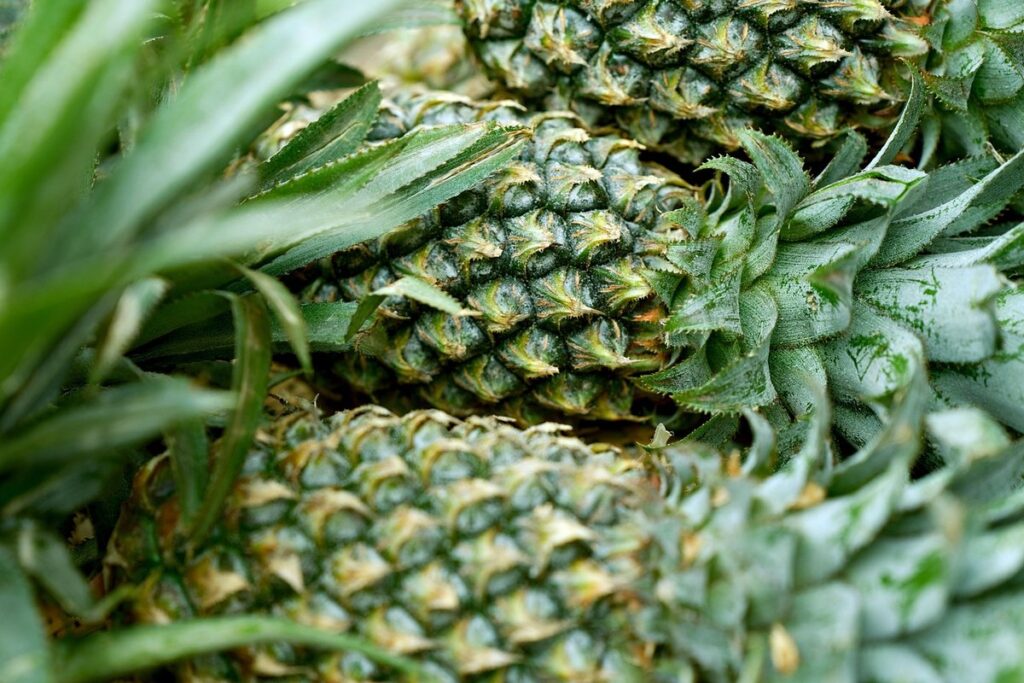
Choosing the Right Pineapple Variety
When growing pineapple plants, selecting the right variety is crucial for success, and with so many options available, it’s easy to get overwhelmed by the choices. Let’s explore some popular varieties to consider for your garden.
Understanding Pineapple Types
When it comes to growing pineapples, understanding the different types can be just as crucial as knowing the right plant care techniques. There are several popular varieties of pineapples, each with its unique characteristics and ideal growing conditions.
The Smooth Cayenne is one of the most widely cultivated pineapple varieties, known for its sweetness and high yield. It thrives in well-drained soil and full sun, making it an excellent choice for growers in tropical regions. This variety can tolerate a range of temperatures but prefers warmer climates between 64°F to 90°F (18°C to 32°C).
On the other hand, the Red Spanish is a smaller but more robust variety that excels in cooler temperatures. It has a sweeter flavor and is often used for ornamental purposes due to its attractive red skin. Kauai Sugarloaf is another popular variety, grown primarily on the Hawaiian island of Kauai. This pineapple is known for its sweet and tangy taste and prefers well-drained soil with full sun.
When choosing a pineapple variety, consider your local climate, available space, and personal preferences when it comes to flavor and size.
Factors to Consider When Selecting a Pineapple Variety
When selecting a pineapple variety, it’s essential to consider several factors that will impact its performance and suitability for your needs. Climate is one crucial factor to consider, as different varieties are adapted to specific temperature ranges and humidity levels. For example, ‘Smooth Cayenne’ pineapples thrive in warm, tropical climates with temperatures between 64°F to 90°F (18°C to 32°C), while ‘Red Spanish’ prefers cooler temperatures and can tolerate light frosts.
Soil type is another critical consideration, as some pineapple varieties are more tolerant of acidic or alkaline soils than others. ‘Kauai Sugarloaf’, for instance, grows well in poor, sandy soils, making it an excellent choice for areas with low-quality soil. If you’re growing pineapples for consumption, you’ll also want to consider the variety’s sugar content and flavor profile.
For ornamental purposes, you may prioritize varieties with unique foliage or colorful blooms. ‘Red Roman’ pineapples, for example, have striking red flowers that add a pop of color to your garden. By taking these factors into account, you can choose a pineapple variety that will thrive in your specific environment and meet your needs.
Planting and Transplanting Pineapples
To successfully grow a healthy pineapple plant, you’ll want to master the art of planting and transplanting, which we’ll cover in detail next. We’ll walk through every step of the process.
Preparing the Soil for Pineapple Plants
Before planting pineapple crowns or slips, it’s crucial to prepare the soil adequately to ensure optimal growth and health. Pineapple plants thrive in well-draining, fertile soils with a pH between 5.5 and 6.5. Test your soil to determine its pH level and nutrient content.
To create an ideal environment for pineapples, add a mix of organic matter such as compost or manure to improve soil fertility. The addition of a balanced fertilizer (10-10-10 NPK) will also provide essential nutrients like nitrogen, phosphorus, and potassium that promote healthy growth and fruit production.
If your soil lacks adequate drainage, mix in some perlite or sand to enhance its water-holding capacity while preventing waterlogged conditions. Pineapple plants are highly susceptible to root rot, so maintaining good aeration is vital.
For optimal results, aim for the following nutrient levels: potassium (150-200 ppm), magnesium (50-75 ppm), and sulfur (20-30 ppm). Be sure to follow package instructions when using fertilizers, as over-fertilization can damage your plants.
How to Plant a Pineapple Suckers or Crown
To plant a pineapple sucker or crown, you’ll want to start by selecting healthy material. Look for suckers with at least two leaves and no signs of damage. Harvest the sucker from the base of a mature pineapple plant, taking care not to damage the parent plant.
Once you have your sucker or crown, prepare the planting site by digging a hole that’s about 6-8 inches deep and wide. Add some organic matter like compost or well-rotted manure to improve drainage and fertility.
Next, gently remove any lower leaves from the sucker or crown, leaving only two or three at the top. This will help prevent moisture loss and reduce the risk of disease.
Plant the sucker or crown in the hole, making sure it’s centered and about 2 inches deep. Firm the soil around the roots to secure it in place. Water thoroughly, then mulch the area to retain moisture and suppress weeds. Space multiple plants about 12-18 inches apart to give them room to grow.
Water your newly planted suckers or crowns regularly, but avoid overwatering which can lead to root rot.
Watering and Irrigation Techniques
Now that you have a healthy pineapple plant, it’s time to learn how to provide it with the right amount of water at the right time, without overdoing it. Proper watering and irrigation techniques are crucial for its success.
Understanding Pineapple Water Requirements
When it comes to watering your pineapple plant, understanding its water requirements is crucial for optimal growth and fruit production. The amount of water a pineapple plant needs depends on several factors, primarily climate and soil type.
In warm climates with high temperatures and humidity, such as Hawaii or the Caribbean, pineapple plants require more frequent watering. Aim to provide 1-2 gallons of water per week, depending on soil conditions. In contrast, cooler climates with dry spells will necessitate less frequent watering, around 0.5-1 gallon per week.
Soil type also plays a significant role in determining water requirements. Well-draining soils tend to require more water than dense or clay-based soils, which can retain moisture longer. To ensure your pineapple plant is receiving the right amount of water, check the soil moisture by inserting a finger into the soil up to the knuckle. If the soil feels dry, it’s time to water. Conversely, if the soil still feels moist, wait another day or two before watering again.
Monitor your plant’s response to different watering schedules and adjust as needed. Keep in mind that overwatering can lead to root rot and other issues, while underwatering may cause leaf drop and reduced fruit production.
Tips for Effective Irrigation Methods
When it comes to watering and irrigation methods for your pineapple plant, using the right techniques can make all the difference. One of the most effective methods is drip irrigation, which delivers water directly to the roots of the plant. This helps prevent evaporation and runoff, ensuring that your pineapple gets exactly what it needs.
Drip irrigation systems are relatively easy to set up and can be especially useful for container-grown pineapples. You can place the emitters close to the base of the plant, allowing the water to soak deep into the soil. This will encourage healthy root growth and help prevent crown rot – a common issue with pineapples.
Another option is using soaker hoses, which are flexible tubes that release water slowly along their length. These can be especially useful for larger plants or those growing in well-draining soils. When setting up a soaker hose system, make sure to place it at the base of the plant and adjust the water flow as needed.
When using either drip irrigation or soaker hoses, remember to monitor your pineapple’s watering needs closely. Check the soil moisture daily, especially during hot weather. Adjust the water flow accordingly, but avoid overwatering – which can lead to root rot and other problems.
Fertilization and Mulching Techniques
When it comes to fertilizing and mulching your pineapple plant, choosing the right methods is crucial for its growth and overall health. We’ll cover the best techniques to use in this section.
Understanding Pineapple Nutrient Requirements
To grow healthy and productive pineapples, it’s essential to provide them with the right balance of nutrients. Pineapple plants require a mix of nitrogen, phosphorus, and potassium to thrive.
Nitrogen is crucial for leaf growth and development, but excessive amounts can lead to weak fruit production. A balanced fertilizer containing 15-20% nitrogen will promote lush foliage without overwhelming the plant. For example, a fertilizer with 10-5-10 N-P-K ratio (nitrogen-phosphorus-potassium) is ideal for pineapple plants during the growing season.
Phosphorus is vital for root development and fruit production. A phosphorus-rich fertilizer can help stimulate root growth, allowing your pineapple to absorb more nutrients from the soil. However, excessive phosphorus can cause leaf burn, so it’s essential to apply it in moderation. A balanced fertilizer with a 10-20-10 N-P-K ratio is suitable for pineapple plants during the fruiting stage.
Potassium helps regulate water balance and promotes overall plant health. It also aids in fruit production and ripening. Apply potassium-rich fertilizers, such as potassium sulfate or potassium chloride, according to the manufacturer’s instructions. A balanced fertilizer with a 10-5-20 N-P-K ratio is suitable for pineapple plants during periods of high growth and fruiting.
To ensure your pineapple plant receives the right balance of nutrients, consider getting a soil test done by your local nursery or gardening expert. Based on the results, adjust your fertilization schedule accordingly.
How to Create a Mulch Bed Around Pineapple Plants
Creating a mulch bed around pineapple plants is an excellent way to retain moisture, suppress weeds, and regulate soil temperature. Mulching also helps to keep the plant’s base dry, reducing the risk of fungal diseases that thrive in moist environments.
To create a mulch bed, start by clearing a 1-2 foot radius around the plant, removing any debris or weeds. Next, apply a 2-3 inch layer of organic mulch such as wood chips, bark, or pine straw. As the mulch breaks down, it will add nutrients to the soil and improve its structure.
Some potential drawbacks to consider are that mulching can retain heat and moisture too closely around the plant’s base, potentially causing fungal diseases or pests like scale and mealybugs. To mitigate this risk, ensure good air circulation by maintaining a gap between the mulch and the plant’s trunk of about 1 inch. Regularly inspect your plants for signs of disease or infestation and adjust your mulching strategy as needed.
By following these steps and being mindful of potential drawbacks, you can create a healthy and thriving mulch bed around your pineapple plants.
Pest and Disease Management
When it comes to growing a healthy pineapple plant, managing pests and diseases is crucial. We’ll walk you through some effective methods for keeping your plant safe from common threats.
Common Pests Affecting Pineapple Plants
As a pineapple plant owner, it’s essential to be aware of common pests that can infest your plants and cause damage. Two of the most prevalent pests affecting pineapple plants are mealybugs and spider mites.
Mealybugs are small, white insects with a cottony appearance, often found on the leaves or stems of the plant. Signs of mealybug infestation include sticky honeydew droplets on the leaves, yellowing or distorted foliage, and a general decline in plant health. To control mealybugs, use neem oil or insecticidal soap to spray the affected areas, making sure to cover all surfaces thoroughly.
Spider mites are tiny, spider-like insects that feed on plant sap, causing yellowing or bronzing of leaves. They’re often found on the underside of leaves and can spin fine webs. To control spider mite infestations, increase air circulation around your plants and use a mild soap solution to spray the affected areas.
It’s crucial to inspect your plants regularly for signs of pest infestation and take prompt action to prevent these pests from causing significant damage. Regularly monitoring your plants will allow you to catch any issues early on and take corrective measures to ensure the health and productivity of your pineapple plant.
Common Diseases Affecting Pineapple Plants
As a pineapple plant owner, it’s essential to be aware of the common diseases that can affect your plant. Fusarium wilt and crown rot are two prevalent issues that can cause significant damage if left untreated. Fusarium wilt is characterized by yellowing leaves, stunted growth, and a distinctive wilted appearance. This fungal disease is often caused by overwatering or poor drainage, creating an ideal environment for the fungus to thrive.
To prevent fusarium wilt, ensure your pineapple plant has excellent drainage holes in the pot, and avoid getting water on the crown of the plant. If you suspect infection, remove any affected leaves or stems to prevent further spread. For treatment, apply a fungicide specifically designed for fungal diseases, following the manufacturer’s instructions carefully.
Crown rot is another significant issue that can cause pineapple plants to decline rapidly. This disease is often caused by a combination of factors, including overwatering, poor soil quality, and high temperatures. Symptoms include soft, mushy leaves and stems, as well as a foul odor from the affected area. To treat crown rot, repot your plant in fresh, well-draining soil and ensure it receives good air circulation. Regular pruning can also help prevent the spread of infection by removing any affected areas.
Pruning and Training Techniques
To keep your pineapple plant healthy and productive, you’ll need to learn how to prune and train its crown, leaves, and fruiting system effectively. Let’s dive into the essential techniques for a thriving pineapple plant.
Why Prune Pineapple Plants
Pruning pineapple plants may seem counterintuitive, as it involves removing parts of the plant that appear healthy and thriving. However, regular pruning is crucial for optimal growth and fruit production. By pruning your pineapple plant, you encourage bushy growth, increase air circulation, and direct energy towards producing more flowers and fruits.
Properly pruned plants also develop stronger roots and a sturdier stem, making them less susceptible to disease and pests. When pruning, focus on removing the top growth of the plant, cutting off any dead or damaged leaves and stems. This will help maintain a balanced structure and promote new growth from the center of the plant.
To prune effectively, remove about one-third to one-half of the plant’s height, depending on its age and size. For example, if your pineapple plant is about 2-3 feet tall, cut it back to around 1-2 feet. This will stimulate the plant to produce more crowns and increase fruit production over time. Regular pruning also helps maintain a manageable size for container-grown plants, making them easier to care for and transport.
How to Prune and Train a Pineapple Plant
Pruning and training your pineapple plant is an essential part of its care. This process not only helps maintain its shape but also promotes healthy growth. To prune your pineapple plant, start by removing any dead or damaged leaves to prevent the spread of disease.
When it comes to training your plant, you’ll want to guide it towards a central support to encourage vertical growth. You can use stakes or trellises for this purpose. Make sure to place them firmly in the soil and secure the plant with soft ties.
As your pineapple plant grows, you may need to trim back its leaves to control its size and shape. Cut off any suckers that are forming around the base of the plant, as these can divert energy away from the main fruit. Prune the plant regularly to maintain a balanced shape and encourage the growth of new leaves.
By following these simple steps, you’ll be able to keep your pineapple plant healthy and productive.
Frequently Asked Questions
How often should I fertilize my pineapple plant?
Fertilization is crucial for promoting healthy growth and fruiting. Feed your pineapple plant with a balanced fertilizer (10-10-10 NPK) once a month during the growing season. You can also side-dress with a high-phosphorus fertilizer to promote fruiting.
Can I grow pineapples in containers indoors year-round?
Yes, pineapples can thrive in containers indoors if provided with sufficient light and temperature control. Choose a large container (at least 14-16 inches deep) with good drainage and maintain temperatures between 65°F to 75°F (18°C to 24°C). Monitor your plant’s moisture levels closely.
How do I know when my pineapple is ripe?
Check for ripeness by gently twisting the leaves at the base of the fruit. A ripe pineapple will come off easily, revealing a yellow or creamy color beneath the skin. Avoid over-ripeness, as this can lead to spoilage and decreased flavor.
What are some common pests that affect pineapple plants in indoor gardens?
Common pests affecting pineapple plants include mealybugs, spider mites, and scale insects. Regularly inspect your plant for signs of infestation, such as white powdery patches or sticky substance on leaves. Use neem oil or insecticidal soap to control outbreaks.
Can I propagate a new pineapple plant from a store-bought fruit?
Yes, you can propagate a new pineapple plant from a store-bought fruit by carefully removing the crown (leaves and tough stem) and allowing it to dry for 2-3 days. Plant the dried crown in well-draining soil and maintain temperatures between 65°F to 75°F (18°C to 24°C). Monitor your plant’s progress, and provide necessary care for optimal growth.