
As an herb lover, you’re likely no stranger to the amazing benefits of oregano – from its pungent flavor in cooking to its medicinal properties. But did you know that oregano flowers are just as valuable? Not only do they add a burst of color and fragrance to your garden, but they also hold the key to unlocking oregano’s full potential. To encourage repeat blooming and reap the rewards of these tiny blooms, it’s essential to identify, care for, and harvest them properly. In this article, we’ll guide you through the process, covering how to recognize when oregano is ready to bloom, what conditions they need to thrive, and tips on harvesting their delicate flowers for both culinary and medicinal use. By following these steps, you’ll be well on your way to enjoying the full benefits of oregano’s flowering cycle.
What is Oregano Flowering?
When oregano plants start flowering, it’s a natural process that signals the end of their vegetative phase and the beginning of seed production. But what does this actually mean for your plant?
Characteristics of Oregano Flowers
When it comes to oregano flowering, one of the most noticeable characteristics is the physical appearance of its flowers. These delicate blooms are a key part of the plant’s life cycle and serve as an important indicator of its health.
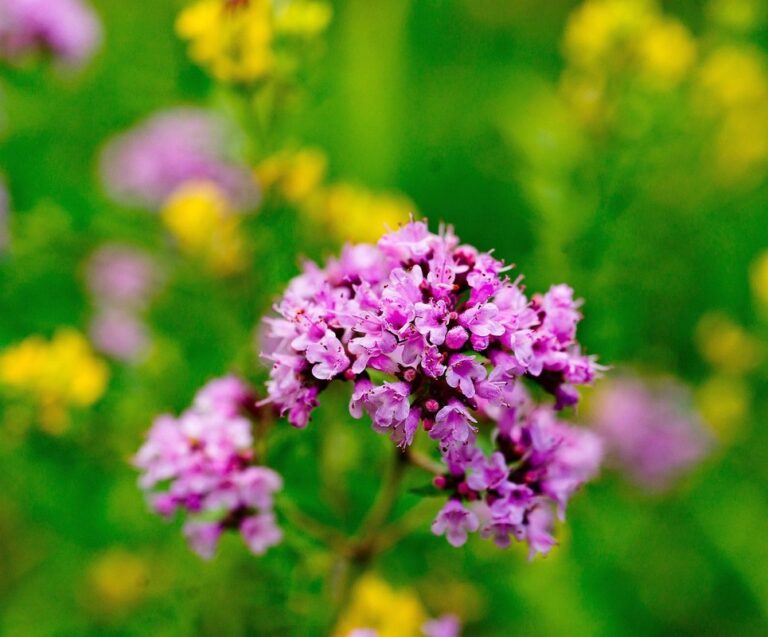
Oregano flowers are typically small, ranging in size from 1/4 inch to 1/2 inch in diameter. They are often pink or purple in color, although some varieties may display white or even yellow hues. The shape of these tiny blooms is usually tubular with a rounded tip, resembling miniature trumpets.
The petals themselves are thin and delicate, often with a slightly fuzzy texture that adds to their charm. When oregano flowers bloom, they tend to cluster together in small groups at the end of the stems, creating a beautiful display of color and texture.
When growing your own oregano plants, pay attention to these characteristics as you observe them blooming. If the flowers are pale or lackluster, it may indicate a nutrient deficiency or other underlying issue that requires attention. By monitoring their appearance closely, you can optimize growing conditions for optimal flowering and overall plant health.
Importance of Identifying Oregano Flowering
Identifying oregano flowering is crucial for gardeners, farmers, and herbal enthusiasts as it marks a significant stage in the plant’s life cycle. During this period, the herb undergoes a transformation, producing delicate white or pink flowers that not only add to its aesthetic appeal but also indicate a shift from vegetative growth to reproductive phase.
Gardeners should be aware of oregano flowering for several reasons. Firstly, it signals the end of the plant’s primary growing season, and as such, gardeners can prepare for pruning, harvesting, or even propagation depending on their objectives. Secondly, identifying flowering enables gardeners to monitor for potential issues like pests, diseases, or nutrient deficiencies that may impact the plant’s overall health.
Furthermore, understanding oregano flowering is essential for those who cultivate the herb for culinary or medicinal purposes. The flowers can be used as a spice or added to herbal teas, and harvesting them at the right time ensures optimal flavor and potency. Additionally, identifying flowering helps farmers to plan their harvests, ensuring timely collection of the plant’s valuable parts.
Causes of Oregano Flowering
So, you want to know what triggers oregano flowering? This section will explore the main causes and factors that influence the blooming process in your oregano plants.
Factors That Trigger Oregano Flowering
When it comes to oregano flowering, several key factors come into play. One of the primary triggers is environmental conditions. Oregano typically blooms when temperatures range between 65°F and 75°F (18°C and 24°C), with plenty of sunlight. This warm weather stimulates the plant’s growth, causing it to produce flowers as a way to reproduce.
Soil quality also plays a significant role in oregano flowering. Well-draining soil rich in organic matter tends to promote healthy root development, which in turn encourages blooming. On the other hand, nutrient-poor or waterlogged soils can lead to stunted growth and reduced flowering.
Plant age is another crucial factor. Oregano typically begins producing flowers after it reaches maturity, usually around 12-18 months from sowing. Younger plants may focus on developing their root systems before diverting energy towards flowering.
To encourage oregano flowering in your garden, ensure you’re providing optimal conditions for the plant’s growth and development. By doing so, you’ll not only enjoy a bountiful harvest but also be rewarded with a beautiful display of white or pink flowers.
Understanding the Role of Light in Oregano Flowering
Light plays a crucial role in promoting oregano flowering. When it comes to direct sunlight, oregano plants typically require at least four to six hours of direct sunlight per day to bloom. Prolonged exposure to intense sunlight can be detrimental, however, and may lead to scorched leaves or even plant death. To avoid this, it’s essential to provide your oregano with filtered or dappled shade during the hottest part of the day.
In terms of artificial lighting, oregano plants respond well to fluorescent or LED grow lights. These can be particularly useful for indoor growers who want to encourage flowering without providing adequate natural light. When using artificial lighting, it’s crucial to ensure that the light source is positioned at a distance of about 12-18 inches from the plant, and to maintain a temperature between 65-75°F (18-24°C). By striking the right balance with light exposure, you can promote healthy oregano flowering and enjoy an abundance of fragrant flowers.
Benefits of Oregano Flowering
When oregano flowers, it not only adds a beautiful touch to your garden but also offers numerous benefits for you and your plants. Let’s explore the advantages of this lovely process.
Medicinal Properties of Oregano Flowers
When it comes to oregano flowering, many people are aware of its uses in cooking and as a natural remedy for various health issues. However, the medicinal properties of oregano flowers are often overlooked. These tiny blooms hold significant antiseptic properties, making them effective against bacterial infections. Studies have shown that carvacrol, an essential oil found in oregano flowers, has potent antibacterial effects, outperforming even some commercial antibiotics.
In addition to its antiseptic properties, oregano flowers also exhibit anti-inflammatory characteristics, providing relief from conditions like arthritis and eczema. The antioxidants present in these delicate blooms work to neutralize free radicals, reducing oxidative stress and promoting overall well-being. To harness the medicinal benefits of oregano flowers, try infusing them in a carrier oil or using dried flowers as a natural remedy for minor cuts and scrapes.
Oregano flowers can also be incorporated into homemade herbal remedies, such as salves and tinctures, to create potent topical treatments for skin issues. For example, combine dried oregano flowers with coconut oil and beeswax to create a soothing balm for irritated skin.
Culinary Uses of Oregano Flowers
Oregano flowers are not only visually stunning, but they’re also edible and packed with flavor. When it comes to culinary uses, oregano flowers can add a unique twist to various dishes. One of the most popular ways to use oregano flowers is in herbal teas. Simply dry the flowers and steep them in hot water to create a soothing, caffeine-free tea that’s perfect for relaxing after a long day.
You can also use oregano flowers as a garnish or add them to salads for a burst of flavor. The delicate petals pair well with citrusy ingredients like lemon or orange, and they’re a great addition to caprese salads. If you want to get creative, try making an oregano flower-infused oil by steeping the flowers in olive oil – it’s perfect for dressing salads or as a finishing touch for roasted vegetables.
For more intense flavor, use oregano flowers in marinades or rubs. They pair particularly well with lamb or pork dishes, adding a subtle herbal note that complements the rich flavors of these meats. Experiment with different recipes and find your own favorite ways to incorporate oregano flowers into your cooking.
How to Encourage Oregano Flowering
To encourage oregano flowering, you’ll want to focus on providing the right growing conditions and care for your plants, which we’ll explore in detail here. This includes pruning, fertilization, and more.
Tips for Promoting Healthy Growth
To promote healthy growth and encourage oregano flowering, it’s essential to adopt a few key practices. Pruning is an excellent way to stimulate new growth, and for oregano, it should be done carefully. Remove any dead or damaged leaves to prevent the spread of disease and encourage air circulation. However, avoid pruning back too much foliage, as this can shock the plant.
Regular fertilization is also crucial in promoting healthy growth. Oregano requires a well-balanced fertilizer that contains essential nutrients such as nitrogen, phosphorus, and potassium. A good rule of thumb is to fertilize your oregano plants every 2-3 weeks during the growing season, which typically spans from spring to fall.
It’s also worth noting that soil pH plays a significant role in oregano flowering. Oregano prefers slightly acidic to neutral soil with a pH between 6.0 and 7.0. If your soil is too alkaline or acidic, it may hinder the plant’s ability to absorb nutrients, affecting its overall health and flowering potential.
Avoid overwatering your oregano plants, as this can lead to root rot and other problems. A general rule of thumb is to water your plants when the top inch of soil feels dry to the touch.
Common Mistakes to Avoid When Growing Oregano
When growing oregano to encourage flowering, there are several common mistakes gardeners make that can hinder the plant’s ability to produce blooms. One of the most significant errors is overwatering. Oregano prefers well-draining soil and can be susceptible to root rot if the soil is consistently waterlogged. To avoid this, ensure the soil drains properly before planting and avoid watering during periods of high rainfall.
Poor soil quality is another common issue that can prevent oregano from flowering. Oregano thrives in alkaline soils with a pH between 6.0 and 7.0. If your soil is heavily acidic or lacks essential nutrients, amend it with organic matter like compost or well-rotted manure to provide the necessary conditions for blooming.
It’s also crucial not to plant oregano too early or late in the season. Oregano typically begins to bloom when day temperatures reach 65°F (18°C) and nighttime temperatures remain above 55°F (13°C). Planting too early can lead to weak growth and poor flowering, while planting too late may miss the optimal blooming period.
Identifying and Harvesting Oregano Flowers
To make the most of your oregano plant‘s blooming season, you’ll want to identify when it’s time to harvest those lovely purple flowers. We’ll show you how to spot them and snip them at just the right moment.
How to Identify Mature Oregano Flowers
Mature oregano flowers are a sign that your plant is healthy and thriving. To identify them, look for clusters of small, delicate blooms on the ends of stems. These flowers are typically purple or white, depending on the variety of oregano you’re growing.
As the flowers mature, they’ll start to droop slightly and lose some of their vibrant color. This is a sign that they’re ripe and ready for harvest. You can also check by gently pinching off one of the buds – if it comes away easily, it’s ready.
The optimal time to harvest oregano flowers is in the morning, when the dew is still on the plants. This will help prevent any damage or discoloration during handling. Simply snip off the flower clusters with scissors or pinch them off by hand, leaving a small piece of stem attached to the plant. Use these fresh flowers as you would any other herb – they can be used in cooking, made into teas, or dried for later use. Be sure to only harvest what you need, as excessive pruning can weaken the plant.
Methods for Harvesting Oregano Flowers
When it’s time to harvest oregano flowers, you’ll want to choose a method that suits your needs and preferences. Hand-picking is a popular choice among gardeners, as it allows for selective harvesting of individual blooms. Simply pluck the flowers from the stem using your fingers or a pair of scissors, making sure not to damage the plant.
Mechanical harvesting, on the other hand, involves using tools such as pruning shears or a small mower to trim off the entire top growth of the oregano plant. This method is often faster and more efficient, but it can be less precise, potentially resulting in lower-quality flowers.
To ensure you’re harvesting at the optimal time, wait until the flowers have fully opened and the petals are at their brightest color. Harvesting too early or late can affect the flavor, aroma, and medicinal properties of the flowers. For best results, pick oregano flowers in the morning, after the dew has evaporated but before the heat of the day sets in.
Caring for Oregano After Flowering
Now that you’ve enjoyed your oregano’s beautiful blooms, it’s time to focus on its health and well-being. Here are some tips to help your plant thrive after flowering.
How to Maintain Plant Health
After oregano has finished flowering, it’s essential to focus on maintaining its overall health. A well-cared-for plant will continue to thrive and produce more flowers throughout the season. To start, adjust your watering schedule to ensure the soil isn’t too dry or waterlogged. Check the moisture level by sticking your finger into the soil up to the first knuckle; if it feels dry, it’s time for a drink.
Next, prune your oregano plant to encourage new growth and prevent overgrowth. Cut back any leggy stems to about half their height, and trim off any dead or dying leaves. This will not only promote healthy foliage but also stimulate the production of new flowers in the future. When it comes to fertilization, use a balanced fertilizer during the growing season to provide essential nutrients for your plant’s continued health.
It’s also crucial to monitor your oregano plant for pests and diseases that may have been introduced after flowering. Regularly inspect the leaves and stems for signs of damage or discoloration, and take action promptly if you notice any issues.
Encouraging Repeat Blooming
To enjoy the beauty of oregano flowers for longer periods, it’s essential to encourage repeat blooming. Pruning is a crucial aspect of this process. By pinching off spent flower stalks, you’ll direct the plant’s energy towards producing new blooms rather than seed production. This technique also helps control the height and encourages bushy growth.
Another vital factor influencing repeat blooming is soil quality management. Oregano plants prefer well-draining soil with a slightly acidic pH between 6.0 and 7.0. Regularly test your soil to determine its nutrient levels, especially nitrogen, phosphorus, and potassium. Fertilize your oregano plants accordingly, but avoid over-fertilizing as this can lead to weak growth.
To promote repeat blooming, maintain a consistent watering schedule, ensuring the soil remains moist but not waterlogged. Mulching around the base of the plant helps retain moisture, suppress weeds, and regulate soil temperature. By combining these strategies, you’ll be able to enjoy an extended flowering period from your oregano plants, which will also contribute to their overall health and well-being.
Frequently Asked Questions
How can I determine if my oregano plant needs more light to encourage flowering?
Yes, if your oregano plant is not receiving sufficient light, it may not produce flowers. Make sure to place it in a spot that receives at least 4-6 hours of direct sunlight per day.
What are some common mistakes to avoid when harvesting oregano flowers for medicinal use?
When harvesting oregano flowers for medicinal purposes, be sure to only pick the blooms in the morning after the dew has dried. Also, avoid touching the delicate petals as this can damage them and reduce their potency.
Can I use a single variety of oregano that’s specifically bred for its ornamental value, or do I need a different type for its culinary and medicinal benefits?
You don’t necessarily need two separate types of oregano. Many varieties are bred to be dual-purpose, providing both ornamental appeal and desirable flavor and fragrance for cooking and herbal remedies.
How often should I water my oregano plant after it has finished flowering to promote healthy growth and encourage repeat blooming?
After the initial flowering period, reduce watering to once a week or when the soil feels dry. This will help your plant conserve energy and promote new growth, increasing its chances of producing more flowers in the future.
Can I use oregano flowers as a natural pest repellent in my garden?
Yes! Oregano flowers have natural insect-repelling properties that can be used to deter pests like mosquitoes and flies. Simply place the flowers around areas you want to protect, or make a potpourri by combining them with other herbs and spices to create a homemade pest deterrent.