
Growing your own lemongrass can be a game-changer for any herb enthusiast. Not only is this aromatic plant a staple in many Asian cuisines, but it also boasts numerous health benefits and versatility in cooking. However, growing lemongrass successfully requires attention to detail, particularly when it comes to choosing the right variety and climate. In this article, we’ll guide you through the process of cultivating lemongrass, from selecting the perfect plant for your needs to harvesting and preserving its fragrant leaves. We’ll also share expert tips on care, propagation, and common challenges, ensuring that even novice gardeners can enjoy a bountiful harvest of this delightful herb. Whether you’re looking to add a new dimension to your cooking or create natural remedies at home, growing lemongrass is an exciting venture waiting to happen.
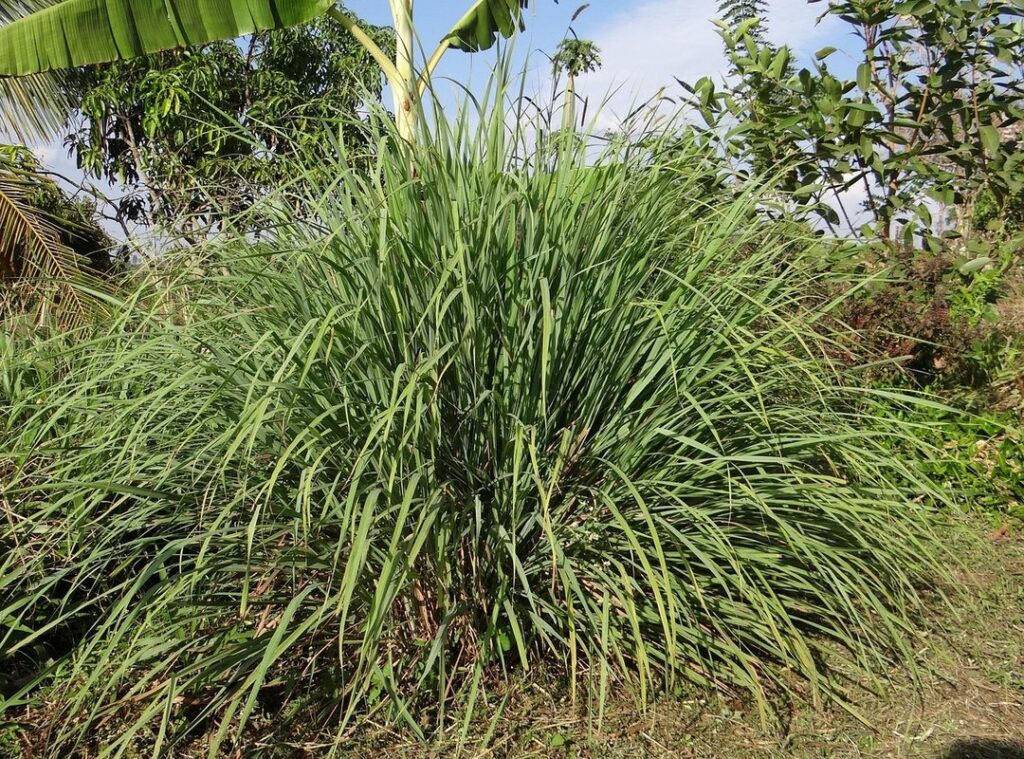
Choosing the Right Variety and Climate
When growing lemongrass, selecting the right variety is crucial, as it will thrive better under specific climate conditions that suit its needs. Consider factors like temperature, humidity, and sunlight when making your selection.
Understanding Lemongrass Types
When it comes to growing lemongrass, choosing the right variety is crucial for optimal performance. There are several types of lemongrass, each with its unique characteristics. One of the most popular varieties is West Indian lemongrass, known for its strong citrus aroma and robust flavor. It’s ideal for cooking and is widely cultivated in tropical regions.
Another notable variety is African Blue lemongrass, which boasts a slightly sweeter and more delicate flavor profile compared to West Indian. This type of lemongrass is perfect for herbal teas and infusions. Some growers also prefer Thai lemongrass, which has a milder scent and is often used in traditional medicine.
Before selecting a variety, consider the climate and growing conditions in your area. For example, if you live in an arid region, African Blue might be a better choice due to its drought tolerance. On the other hand, West Indian lemongrass prefers well-drained soil and high humidity, making it more suitable for tropical climates. Experimenting with different varieties will help you determine which one thrives best in your garden.
Climate and Soil Requirements
Lemongrass is a tropical plant that thrives in warm and humid climates. To grow lemongrass successfully, you’ll need to provide it with the right climate and soil conditions.
Temperature-wise, lemongrass loves temperatures between 75°F (24°C) and 95°F (35°C). It can tolerate short periods of cooler temperatures, but prolonged exposure to temperatures below 65°F (18°C) can cause damage or even kill the plant. If you live in an area with frost, it’s best to grow lemongrass in a container that can be brought indoors during winter.
In terms of moisture, lemongrass requires consistently moist soil, but not waterlogged conditions. Aim for about 1-2 inches (2.5-5 cm) of rainfall or irrigation per week, depending on your local climate and soil type. Mulching around the base of the plant can help retain moisture and suppress weeds.
A well-draining potting mix rich in organic matter is ideal for lemongrass growth. The pH level should be slightly acidic to neutral, ranging from 6.0 to 7.0. Avoid planting lemongrass in areas with standing water or where water tends to collect, as this can lead to root rot and other problems.
To achieve the right soil conditions, you can mix in compost or well-rotted manure to improve drainage and fertility. Regularly check the soil moisture by inserting your finger into the soil up to the first knuckle – if the soil feels dry, it’s time for watering.
Planting and Propagation Methods
To successfully grow lemongrass, you’ll want to learn how to properly plant and propagate new stalks from existing ones. This is where our next section comes in.
Direct Sowing vs. Seedling Transplantation
When it comes to growing lemongrass, you have two main options for getting started: direct sowing and seedling transplantation. While both methods can be effective, they have some key differences that may influence your decision.
Direct sowing involves planting lemongrass seeds directly into the ground where they will mature. This method allows the plants to develop their root system in one place, which can lead to stronger and healthier growth. However, direct sowing can be more challenging due to factors like competition from weeds and potential soil-borne diseases.
Seedling transplantation involves starting lemongrass seeds indoors or in a nursery and then transplanting them into larger pots or directly into the ground when they have 2-3 sets of leaves. This method gives your plants a head start on the growing season, but it requires more care and attention as you need to handle the seedlings gently to avoid damaging their roots.
Some gardeners find that direct sowing is a more natural way to grow lemongrass, while others prefer the control and predictability of seedling transplantation. If you’re new to growing lemongrass, seedling transplantation can be a good option as it allows for more flexibility in case of unexpected setbacks or challenges during the growing season.
In general, both methods have their advantages and disadvantages, and what works best for you will depend on your specific climate, soil conditions, and personal preferences.
Using Lemongrass Rhizomes or Cuttings
When it comes to growing lemongrass from scratch, using rhizomes or cuttings is an effective way to propagate this versatile herb. Lemongrass rhizomes are underground stems that produce new plants when cut and replanted. To use a lemongrass rhizome, gently remove the old plant material from the center of the rhizome, making sure each section has at least one “eye” or growing point. Then, dip the cut ends in rooting hormone to promote healthy root development.
For cuttings, you can take 4-6 inch pieces from mature lemongrass stalks, just above a node (where a leaf meets the stem). Remove lower leaves, leaving only two to three sets of leaves at the top. Dip the base of the cutting in rooting hormone and plant it in a moist potting mix. Water well and provide bright indirect light until roots develop.
Some key tips for success include: using fresh rhizomes or cuttings, keeping the soil consistently moist but not waterlogged, and providing adequate light to promote healthy growth. With proper care, your lemongrass plants will be thriving in no time!
Care and Maintenance Techniques
To keep your lemongrass plants thriving, it’s essential to establish a regular care routine that includes pruning, watering, and fertilizing practices. Follow these tips for optimal growth.
Watering and Irrigation Strategies
When it comes to growing lemongrass, proper watering techniques are crucial for optimal growth and flavor. Lemongrass is a tropical plant that thrives in warm and humid environments, but it’s also susceptible to overwatering, which can lead to root rot and other problems.
A good rule of thumb is to water your lemongrass plants when the top 1-2 inches of soil feel dry to the touch. This frequency will vary depending on your climate and the potting mix you’re using, but as a general guideline, aim to water your lemongrass every 3-4 days in hot weather and every 5-7 days in cooler temperatures.
It’s also essential to use the right amount of water. Lemongrass prefers moist soil, but it doesn’t like to be waterlogged. A good starting point is to use about 1 cup of water for a small pot (less than 6 inches tall) and adjust as needed based on your plant’s response.
To avoid overwatering, make sure the drainage holes in your pot are functioning properly, and consider using a well-draining potting mix specifically designed for tropical plants.
Fertilization and Pruning Practices
When it comes to fertilizing lemongrass plants, regular feeding is essential for optimal growth. A balanced fertilizer with a 10-10-10 N-P-K ratio works well, and you can apply it every 2-3 weeks during the growing season. However, be careful not to over-fertilize, as this can cause the plant to focus on leaf growth rather than producing new stalks.
Pruning is another crucial aspect of lemongrass care. To encourage bushy growth, remove the tallest stalks to about 6 inches from the base every few weeks. This will allow the remaining stalks to produce new shoots and create a fuller plant. You can also trim off any dead or damaged leaves to maintain the plant’s appearance and promote healthy growth.
To take your lemongrass care to the next level, consider using compost tea as a fertilizer. This natural liquid solution is rich in beneficial microorganisms that will enhance the soil structure and promote root development. Simply steep a cup of compost in a gallon of water for 24 hours, then strain and use it as a foliar spray or soak the roots.
By following these fertilization and pruning practices, you’ll be well on your way to growing healthy, robust lemongrass plants that will thrive throughout the year.
Pests and Diseases: Prevention and Treatment
To successfully grow lemongrass, it’s essential to be aware of common pests and diseases that can affect your plants, and know how to prevent and treat them effectively. Here are some key tips to keep your lemongrass healthy.
Common Lemongrass Pests
When growing lemongrass, it’s not uncommon to encounter some unwanted visitors – pests that can damage your plants and reduce yields. Two of the most common lemongrass pests are aphids and whiteflies.
Aphids are small, soft-bodied insects that feed on plant sap, causing curled or distorted leaves. They can also spread plant viruses, making them a significant threat to lemongrass health. Whiteflies, on the other hand, are tiny flying insects that suck plant juices, weakening the plant over time.
To prevent aphid and whitefly infestations, make sure your lemongrass plants have good air circulation by keeping them at least 6-8 inches apart. Regularly inspect your plants for any signs of pests, such as sticky honeydew droplets or actual insects on the leaves. Use neem oil or insecticidal soap to control outbreaks, and consider introducing beneficial insects like ladybugs or lacewings that prey on these pests. By being vigilant and taking proactive measures, you can protect your lemongrass plants from these common pests.
Managing Fungal and Bacterial Diseases
Lemongrass is susceptible to various fungal and bacterial diseases that can significantly impact its growth and yield. Fungal diseases such as root rot and leaf spot are common issues caused by overwatering, poor air circulation, and excessive humidity. These conditions create an ideal environment for fungi like Pythium and Phytophthora to thrive.
Bacterial diseases like lemongrass blight can also occur due to excessive moisture and high temperatures. Symptoms include yellowing leaves, black spots on the stalks, and a white powdery coating on the affected areas. To prevent fungal and bacterial diseases:
* Ensure good air circulation by keeping plants at least 12 inches apart
* Avoid overwatering by allowing the top inch of soil to dry between waterings
* Remove infected plants or debris to prevent disease spread
* Apply fungicides or bactericides according to product instructions
* Maintain a healthy lemongrass plant through proper care and nutrition
Regular monitoring of your lemongrass plants can help you catch any potential issues early on. By taking prompt action, you can prevent the spread of diseases and protect your crop from damage.
Harvesting and Drying Lemongrass
Now that your lemongrass has matured, it’s time to harvest and preserve the stalks for future use in teas, cooking, and crafts. This section will walk you through the process of harvesting and drying your lemongrass.
Timing for Optimal Flavor and Aroma
When it comes to harvesting lemongrass for maximum flavor and aroma, timing is everything. You want to harvest your lemongrass when the stalks are at their peak freshness and potency.
The ideal time to harvest lemongrass is when the top two-thirds of the stalk has turned a light golden brown color. This usually happens 3-4 weeks after the stalk has reached its maximum height, which can be anywhere from 2-4 feet tall. If you wait too long, the stalks will become fibrous and lose their flavor.
To maximize your harvest, try harvesting individual stalks rather than cutting down the entire plant at once. This way, you can allow the remaining stalks to continue growing and producing new shoots. Simply cut off the top third of each stalk using sharp scissors or a knife, leaving about 1-2 inches of stem intact.
This method not only encourages continued growth but also helps preserve the delicate oils that give lemongrass its unique flavor and aroma.
Drying and Preserving Methods
Drying and preserving lemongrass is an essential step to enjoy its leaves throughout the year. There are several methods to dry and preserve lemongrass, each with its own advantages.
Air-drying is a simple method where you hang the lemongrass stalks upside down in a warm, dry place with good air circulation. This method helps retain the aroma and flavor of the lemongrass. However, it can take up to two weeks for the lemongrass to completely dry.
Freezing is another effective way to preserve lemongrass. Simply chop the stalks into smaller pieces and store them in an airtight container or freezer bag. Frozen lemongrass can be used in teas, soups, and sauces just like fresh lemongrass.
Dehydrating using a food dehydrator is also an option. This method helps preserve the color and aroma of lemongrass. You can store dried lemongrass in airtight containers for up to six months.
It’s essential to note that dried or frozen lemongrass loses some of its potency, so use it in moderation when cooking. You can also mix dried lemongrass with other herbs and spices to create unique blends for your recipes.
Tips for Successful Lemongrass Cultivation in Your Garden
To ensure your lemongrass plants thrive, consider these valuable tips that will help you overcome common challenges and achieve a bountiful harvest. Mastering these cultivation secrets is key to a successful garden.
Overcoming Common Challenges
When cultivating lemongrass in your garden, you may encounter several challenges that can affect the health and productivity of your plants. One common issue is climate-related stress. Lemongrass prefers temperatures between 65°F to 90°F (18°C to 32°C), making it sensitive to extreme temperatures, frost, or intense sunlight. To overcome this challenge, ensure you plant lemongrass in a location that provides some shade during the hottest part of the day.
Another common issue is pests and diseases, such as aphids, whiteflies, or root rot caused by overwatering. To prevent these problems, use neem oil or insecticidal soap to control pest populations, and maintain good air circulation around your plants to reduce moisture accumulation. Regularly inspect your lemongrass for signs of disease, such as yellowing leaves or soft stems, and take prompt action to treat the affected area.
To overcome common challenges, it’s also essential to provide your lemongrass with well-draining soil and adequate water supply. Be cautious not to overwater, which can lead to root rot and other issues. Regularly prune your lemongrass to promote healthy growth and encourage new shoots. By addressing these potential issues proactively, you’ll be better equipped to overcome common challenges and successfully grow lemongrass in your garden.
Expanding Your Lemongrass Crop
Expanding your lemongrass crop is essential to ensure a continuous supply of this versatile herb. Succession planting and crop rotation are two effective methods for achieving this goal.
To practice succession planting, simply sow new seeds every 6-8 weeks, about 1/4 inch deep in the same location where you’ve previously grown lemongrass. This will give your plants a head start on each other’s growth cycles, ensuring that at least one batch is always ready for harvest. You can also divide and replant existing mature stalks to create new plants.
Crop rotation is another important strategy for expanding your lemongrass crop. By rotating your lemongrass bed every 3-4 months, you’ll avoid depleting the soil of nutrients that this heavy feeder requires. Simply clear the area, add a layer of compost, and replant with fresh seeds or divisions. This will also help to break disease cycles and pests that might have developed in the same location.
By implementing these techniques, you can maintain a healthy and productive lemongrass crop throughout the growing season.
Frequently Asked Questions
How do I know when my lemongrass is ready for harvest?
Lemongrass is typically ready to harvest when the leaves are around 12-18 inches tall and the stems are firm to the touch. Harvesting at this stage ensures optimal flavor and aroma. You can cut back the plant to about one-third of its height, allowing new growth to emerge.
Can I grow lemongrass indoors if I don’t have a suitable outdoor climate?
Yes, you can grow lemongrass in containers indoors with proper care and attention to its climate needs. Choose a variety that thrives in indoor conditions, such as ‘Citral’ or ‘Silverbush’. Provide bright indirect light, maintain temperatures between 65-80°F (18-27°C), and ensure good air circulation.
How do I prevent pests like aphids and whiteflies from infesting my lemongrass?
To prevent pests like aphids and whiteflies, keep your lemongrass plants well-watered but not waterlogged. Regularly inspect your plants for signs of infestation and treat promptly if necessary. Use neem oil or insecticidal soap to control outbreaks, and maintain a balanced fertilization schedule.
Can I propagate lemongrass using leaf cuttings, or is it best to use rhizomes?
Both methods are effective for propagating lemongrass. Leaf cuttings can be used to create new plants, but this method may take longer to produce results. Rhizome division, on the other hand, allows for faster growth and more vigorous plant development.
How do I store dried lemongrass to maintain its flavor and aroma?
Store dried lemongrass in airtight containers, such as glass jars or paper bags, to preserve its flavor and aroma. Keep them away from direct sunlight, moisture, and heat sources to prevent degradation. You can also freeze dried lemongrass for longer-term storage.