
Are you ready to uncover the secrets of one of the world’s most beloved herbs? Oregano, with its pungent aroma and earthy flavor, has been a staple in kitchens for centuries. But oregano is more than just a tasty addition to your favorite Italian dishes – it’s also a powerhouse of health benefits. From ancient Greek rituals to modern medicinal applications, oregano has a rich history that’s steeped in tradition. In this article, we’ll delve into the incredible uses of oregano in cooking, from marinades and sauces to teas and supplements. We’ll also share expert tips on how to grow your own oregano plant at home, making it easy to harness its numerous health benefits for yourself. Whether you’re a seasoned chef or just starting out on your wellness journey, get ready to discover the amazing world of oregano!
What is Oregano?
Let’s start by getting to know one of the most versatile and widely used herbs out there: oregano. In its simplest form, oregano is a perennial herb native to the Mediterranean region.
Overview of the Oregano Plant Species
Oregano is a hardy, perennial herb native to the Mediterranean region. Its botanical name is Origanum vulgare, and it belongs to the Lamiaceae family, which also includes rosemary, thyme, and lavender. Oregano has been cultivated for centuries for its aromatic leaves, which are used in cooking and traditional medicine.
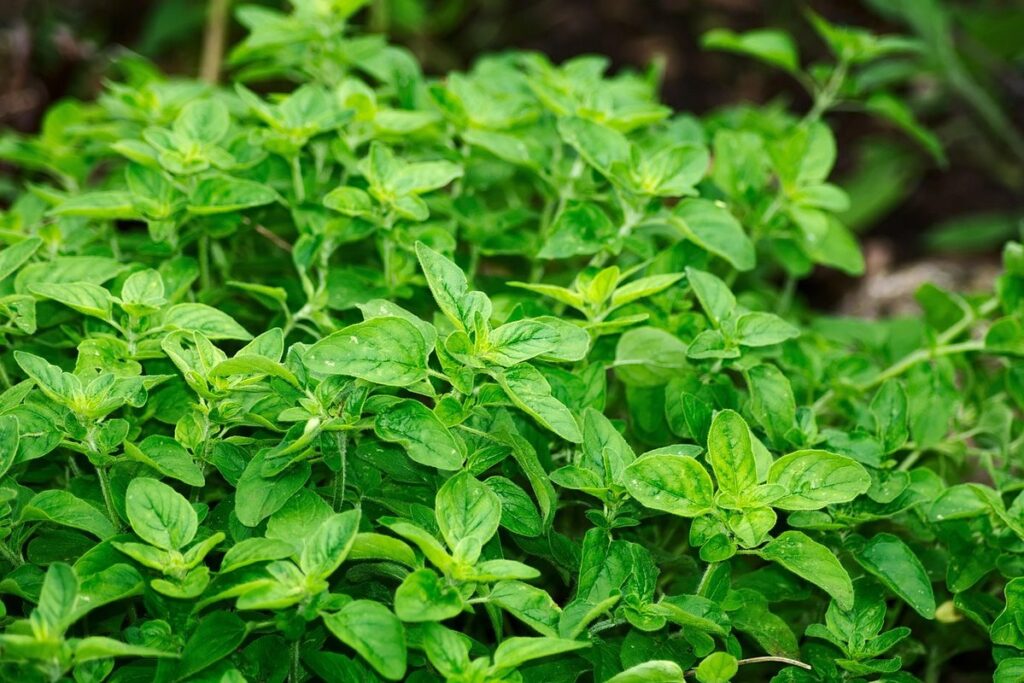
Oregano plants typically grow to be around 1-2 feet tall, with a spread of up to 3 feet wide. They have dark green, lance-shaped leaves that are highly fragrant when bruised or chopped. The leaves are usually arranged oppositely on the stem, giving the plant an attractive, compact appearance.
When grown in optimal conditions, oregano plants can be quite prolific, producing numerous small white or pink flowers in mid-summer. However, these flowers often go unnoticed as they are quickly overshadowed by the abundance of foliage. Oregano prefers well-drained soil and full sun to partial shade, making it an ideal choice for gardeners who want a low-maintenance herb plant.
History and Cultural Significance of Oregano
Oregano has been a staple herb in many ancient civilizations, with its rich history and cultural significance still evident today. In Greece and Rome, oregano was not only prized for its flavor but also revered for its medicinal properties. The Greeks believed that oregano possessed divine powers, while the Romans used it to treat a range of ailments from indigestion to skin conditions.
As civilizations evolved, so did the uses of oregano. In modern culinary culture, oregano is an integral component in many traditional dishes, particularly in Mediterranean and Italian cuisine. From classic Greek salads to pizza toppings, oregano’s pungent flavor has become synonymous with warmth and hospitality. Its adaptability has led it to be used in a variety of forms – fresh, dried, or as an essential oil.
In some cultures, oregano is still seen as more than just a seasoning. It’s a symbol of love, family, and community. For instance, in many Greek households, oregano is added to food at the start of meals to bring blessings and good fortune. This ancient herb has woven its way into our collective consciousness, offering not only flavor but also tradition and heritage.
Health Benefits of Oregano
Now that we’ve explored oregano’s uses, let’s dive into its incredible health benefits, from fighting off infections to reducing inflammation.
Antimicrobial Properties of Oregano Oil
Oregano oil’s antimicrobial properties make it an effective natural remedy against various pathogens. The essential oils present in oregano, particularly carvacrol and thymol, have been extensively studied for their antibacterial, antiviral, and antifungal activities.
Carvacrol has shown significant inhibition of bacterial growth, including E. coli, Salmonella, and Pseudomonas aeruginosa. In fact, studies have demonstrated that oregano oil can effectively combat antibiotic-resistant bacteria, offering a much-needed alternative to traditional treatments. Furthermore, its antiviral properties make it an effective agent against viruses such as the influenza virus and herpes simplex.
Oregano oil’s efficacy against fungi is also notable, with research indicating its ability to inhibit the growth of Candida albicans and other fungal species. This broad-spectrum antimicrobial activity makes oregano oil a valuable addition to any natural health regimen. To harness its benefits, simply dilute a few drops of oregano oil in a carrier oil and apply topically or use it as an ingredient in homemade remedies.
When using oregano oil for antimicrobial purposes, it’s essential to note that it can be quite potent. Always start with small amounts and gradually increase as needed. Additionally, consult with a healthcare professional before using oregano oil, especially if you have sensitive skin or allergies.
Anti-Inflammatory Effects of Oregano
Oregano has been found to contain several anti-inflammatory compounds, including carvacrol and rosmarinic acid. Carvacrol is a phenolic compound that has been shown to inhibit the production of pro-inflammatory enzymes, which contribute to inflammation. Rosmarinic acid, on the other hand, has antioxidant properties that help protect cells from damage caused by free radicals.
Research suggests that consuming oregano or using its essential oil may help alleviate symptoms associated with inflammatory conditions such as arthritis, gout, and asthma. A study published in the Journal of Medicinal Food found that a combination of carvacrol and rosmarinic acid inhibited the production of pro-inflammatory cytokines by up to 90%. This reduction in inflammation can lead to improved joint health, reduced pain, and enhanced overall well-being.
To reap the anti-inflammatory benefits of oregano, try incorporating it into your cooking or taking an oil supplement. Add fresh or dried oregano leaves to salads, soups, or roasted vegetables for a flavorful and healthy twist on traditional recipes. You can also use oregano essential oil in aromatherapy or add a few drops to your bathwater for relaxation and pain relief.
Using Oregano in Cooking and Medicine
You’ll love learning how to harness oregano’s incredible flavor and medicinal properties, from cooking up delicious dishes to using it as a natural remedy. We’ve got the inside scoop on its versatility.
Culinary Uses of Fresh and Dried Oregano
Oregano is a versatile herb that adds depth and warmth to various dishes. When it comes to using fresh and dried oregano in cooking, the possibilities are endless. For Italian cuisine, try pairing fresh oregano with garlic, lemon juice, and olive oil for a classic pesto sauce. In Greek recipes, use dried oregano to flavor soups like Avgolemono or as a rub for grilled meats.
For Middle Eastern flavors, combine fresh oregano with cumin, coriander, and sumac to make a delicious spice blend for lamb or chicken dishes. When substituting between fresh and dried oregano, keep in mind that the former has a more delicate flavor while the latter is more potent. To bring out the best flavor from dried oregano, rehydrate it by soaking it in hot water or olive oil before adding it to your recipe.
Experiment with different combinations of herbs and spices to create unique flavor profiles. For instance, mix fresh oregano with basil for a Mediterranean-inspired pasta sauce or with thyme for a hearty stew. With its pungent aroma and earthy taste, oregano is an essential herb in many cuisines – get creative and find your favorite ways to use it!
Oregano Oil for Digestive Issues and Skin Problems
Oregano oil has been used for centuries as a natural remedy to address various health concerns. Its potent antibacterial and antifungal properties make it an effective treatment for digestive issues such as bloating, gas, and indigestion. To use oregano oil for digestive relief, simply add a few drops to your water or take it in capsule form after meals.
In addition to its digestive benefits, oregano oil is also renowned for its skin-healing properties. Its antiseptic qualities can help combat acne, reduce inflammation, and even alleviate symptoms of eczema and psoriasis. For minor cuts and scrapes, apply a few drops of oregano oil directly to the affected area.
Some studies have shown that oregano oil’s antimicrobial properties can help prevent infections and promote wound healing. However, it is essential to note that oregano oil should be diluted with a carrier oil before applying topically, as undiluted oil can cause skin irritation in some individuals.
When using oregano oil for health concerns, remember to consult with a healthcare professional before making any significant changes to your treatment plan.
Growing and Caring for Your Own Oregano Plant
To successfully grow your oregano plant, it’s essential to understand how to provide it with optimal care, including watering, pruning, and fertilizing techniques. With proper attention, your oregano will thrive in no time.
Choosing the Right Variety for Your Climate
When growing oregano, it’s essential to choose a variety that thrives in your local climate. Oregano plants are relatively hardy and adaptable, but they still have specific requirements for optimal growth.
In warmer climates (USDA zones 9-11), you can grow compact or dwarf varieties like ‘Compacta’ or ‘Aureus’, which require minimal maintenance and can tolerate high temperatures. These compact varieties are perfect for containers or small gardens in sunny spots.
For cooler climates (USDA zones 4-8), look for varieties with a slightly larger growth habit, such as ‘Greek’ or ‘Italian Sweet’. These types tend to be more resilient to frost and can handle light snow cover.
When selecting an oregano variety, also consider factors like soil quality, sunlight exposure, and moisture levels in your garden. If you’re growing in a region with high humidity, choose a variety that’s resistant to root rot, such as ‘Majorana’.
Remember to check the specific needs of each variety before planting, as some may require more frequent pruning or have different harvest times.
Tips for Planting, Watering, and Pruning Oregano
When it comes to planting oregano, choose a location with full sun and well-draining soil. You can start by growing oregano from seeds indoors 6-8 weeks before the last frost date in your area. Sow seeds about 1/4 inch deep and 12 inches apart in seed trays or small pots filled with a good quality potting mix.
Once the seedlings have two sets of leaves, transplant them into larger containers or directly into the garden bed. Water oregano regularly during its first growing season to keep the soil consistently moist but not waterlogged. After establishment, reduce watering to about 1 inch per week, either from rain or irrigation. Prune your oregano plant by pinching off flower buds to encourage leaf growth and prevent seed dispersal.
To maintain a healthy oregano plant, divide it every spring when new growth begins. Use sharp, clean tools to separate individual plants, making sure each division has at least two stems with leaves on them. This will help control the spread of pests and diseases, promote air circulation, and encourage dense foliage for easier harvesting.
Medicinal Uses of Oregano Oil and Extracts
Oregano oil and extracts have been used for centuries to treat various health issues, from digestive problems to skin irritations. Let’s explore their medicinal applications in more detail.
Therapeutic Applications of Oregano Essential Oil
Oregano essential oil has been utilized for centuries in various therapeutic applications due to its antimicrobial and anti-inflammatory properties. In aromatherapy, oregano oil is often used to promote relaxation, reduce stress, and alleviate anxiety. To harness its benefits, simply add a few drops of oregano oil to your diffuser or inhale it directly from the bottle.
Oregano essential oil can also be used topically in skin care to combat acne, minor cuts, and wounds. Mix a few drops with a carrier oil like coconut or jojoba oil and gently massage onto affected areas. Its antiseptic properties help prevent infection and promote healing.
In natural medicine, oregano essential oil is utilized for its immune-boosting properties. It can be added to bath water or used in a steam inhalation to combat colds, coughs, and respiratory issues. To create a natural remedy, combine 5-7 drops of oregano essential oil with 1 tablespoon of honey and 1 tablespoon of lemon juice for a soothing cough syrup.
When using oregano essential oil therapeutically, it’s essential to dilute it properly and consult with a healthcare professional or certified aromatherapist to avoid any adverse reactions.
Safety Precautions and Potential Interactions with Medications
When using oregano oil or extracts for medicinal purposes, it’s essential to consider potential safety concerns and interactions with other medications. While oregano is generally considered safe for consumption, high doses can cause stomach upset, diarrhea, and allergic reactions in some individuals.
Pregnant women, breastfeeding mothers, and young children should exercise caution when using oregano oil or extracts, as it may stimulate the uterus or affect liver function. If you have any underlying medical conditions or take prescription medications, consult with your healthcare provider before using oregano for medicinal purposes.
To minimize potential interactions, start with small doses and gradually increase as needed. Monitor your body’s response and discontinue use if adverse effects occur. Additionally, avoid using oregano oil or extracts in conjunction with blood thinners, diabetes medications, or high-blood-pressure medications without consulting a healthcare professional.
In rare cases, oregano oil can cause skin irritation or allergic reactions. If you experience any symptoms such as redness, itching, or swelling after applying oregano oil topically, discontinue use and seek medical attention if necessary.
Preparing and Using Oregano Infusions
To get the most out of oregano, you’ll want to learn how to prepare and use it as an infusion, which is a simple yet potent way to harness its benefits. Let’s dive into some essential tips.
Making Oregano Tea for Digestive Issues and Infections
Preparing oregano tea is a simple process that can provide relief from digestive issues and infections. To make oregano tea, start by adding one teaspoon of dried oregano to a cup of boiling water. Reduce the heat and let it simmer for 5-7 minutes, allowing the active compounds like carvacrol to infuse into the water. You can also use fresh oregano leaves, but be sure to use about twice as much.
Drinking oregano tea has been shown to have antimicrobial properties that help combat fungal infections and soothe digestive issues such as bloating, gas, and indigestion. The antibacterial compounds in oregano tea can also reduce inflammation and fight off viral infections like the common cold and flu. When using oregano tea for digestive issues, it’s best to drink it after meals to help aid digestion.
However, it’s essential to note that consuming oregano tea in excess can cause stomach upset and allergic reactions in some individuals. Start with small amounts and monitor your body’s response before increasing the dose. Also, pregnant women and those with bleeding disorders should consult their healthcare provider before using oregano tea.
Using Oregano Oil in Skincare Recipes and Products
When it comes to skincare, oregano oil is a potent ingredient that deserves attention. Its antimicrobial and anti-inflammatory properties make it an excellent addition to homemade recipes and products. To incorporate oregano oil into your skincare routine, start by mixing a few drops with a carrier oil like coconut or jojoba oil.
Use this blend as a face serum to tackle acne, reduce redness, and promote healthy skin. You can also add oregano oil to your favorite moisturizer or body lotion for an extra boost of antioxidants. For a more intense treatment, mix 5-7 drops of oregano oil with 1 tablespoon of honey and apply directly to affected areas.
Some benefits of using oregano oil in skincare include:
* Reduces acne and prevents future breakouts
* Fades age spots and hyperpigmentation
* Soothes redness and irritation
* Promotes healthy skin elasticity
When working with essential oils, always dilute them with a carrier oil to avoid skin irritation. Also, be sure to patch test any new skincare recipe on a small area before applying it to your face or body. With its numerous benefits and ease of use, oregano oil is definitely worth incorporating into your skincare routine.
Comparison of Oregano with Other Herbs and Spices
You might be wondering how oregano stacks up against its fellow herbs and spices, so let’s take a closer look at some popular alternatives like thyme, basil, and rosemary. We’ll explore their similarities and differences in terms of flavor and use.
Similarities and Differences Between Oregano and Thyme
When it comes to oregano’s counterpart, thyme is often mentioned alongside its benefits. While both herbs are popular for their culinary and medicinal uses, there are some key similarities and differences between the two.
Both oregano and thyme belong to the mint family and possess antimicrobial properties that help combat bacteria, fungi, and viruses. They also have similar uses in cooking, with thyme often used in soups, stews, and meat dishes, while oregano is commonly paired with tomatoes and Mediterranean-inspired recipes.
However, there are some notable differences between the two herbs. Thyme has a more delicate flavor profile compared to oregano’s pungent taste. Additionally, thyme contains higher levels of antioxidants than oregano, making it potentially more beneficial for reducing inflammation and improving cardiovascular health.
In terms of growing both herbs, they have similar requirements but prefer slightly different conditions. Oregano prefers well-draining soil and full sun, while thyme can tolerate partial shade and requires less watering. When choosing between the two, consider your personal taste preferences and specific needs in the kitchen or for medicinal purposes.
Oregano vs. Basil: Which Herb Reigns Supreme?
When it comes to popular herbs used in cooking, two of the most well-known and widely used are oregano and basil. While both share some similarities, they also have distinct differences that set them apart. One key difference is their taste. Oregano has a pungent, earthy flavor with a slightly bitter undertone, while basil has a sweeter, more delicate taste.
In terms of aroma, oregano emits a strong, pine-like fragrance when used in cooking, whereas basil’s scent is more herbaceous and floral. The distinct aromas are also reflective of their medicinal properties. Oregano contains compounds like carvacrol and thymol, which have antimicrobial and anti-inflammatory effects that can help to boost the immune system. Basil, on the other hand, has antioxidant properties that aid in protecting against cell damage.
For cooking enthusiasts looking for a Mediterranean flavor profile, oregano is often the preferred choice due to its robust taste and aroma. However, when it comes to Italian and Thai cuisine, basil’s sweeter taste pairs perfectly with tomato-based sauces and spicy dishes respectively.
Frequently Asked Questions
Can I grow oregano indoors year-round?
Yes, you can grow oregano indoors year-round with proper care and attention. To do this, ensure your plant receives sufficient light, maintain a consistent temperature between 65-75°F (18-24°C), and water it sparingly to prevent overwatering. Prune the plant regularly to encourage bushy growth and prevent it from becoming leggy.
How long does oregano take to grow?
Oregano is a relatively fast-growing herb, taking around 6-8 weeks to mature after sowing seeds. However, the exact growth period can vary depending on factors like climate, soil quality, and temperature. To promote healthy growth, ensure your plant receives sufficient sunlight and nutrients.
Can I use oregano oil for both cooking and medicinal purposes?
Yes, you can use oregano oil for both cooking and medicinal purposes. However, be sure to choose a high-quality, pure essential oil that is specifically labeled as safe for consumption. For culinary uses, start with small amounts (around 1-2% of the total recipe) and adjust to taste.
How do I store dried oregano to maintain its flavor and aroma?
To store dried oregano effectively, keep it in a cool, dark place like an airtight container or a glass jar with a tight-fitting lid. You can also store it in the freezer to preserve its flavor and aroma for up to 6 months.
Can I mix oregano essential oil with other oils for skincare recipes?
Yes, you can blend oregano essential oil with other carrier oils like coconut or jojoba oil for skin care recipes. However, always perform a patch test before using any new skincare product, especially if you have sensitive skin.