
If you’re anything like me, you’ve probably spent hours tending to your garden, meticulously watering every plant by hand. But have you ever considered a more efficient and low-maintenance approach? Enter sub-irrigated planters, a game-changing concept that’s about to revolutionize the way we think about gardening. By providing plants with a consistent supply of moisture from below, these clever planters can significantly reduce watering time and effort.
In this comprehensive guide, we’ll delve into the benefits, design considerations, and applications of sub-irrigated planters. We’ll explore how these innovative planters can be used in a variety of settings, from indoor spaces to outdoor gardens, and discuss the many advantages they offer over traditional gardening methods. Whether you’re a seasoned green thumb or just starting out, this article is designed to provide you with the knowledge and inspiration you need to take your gardening to the next level.
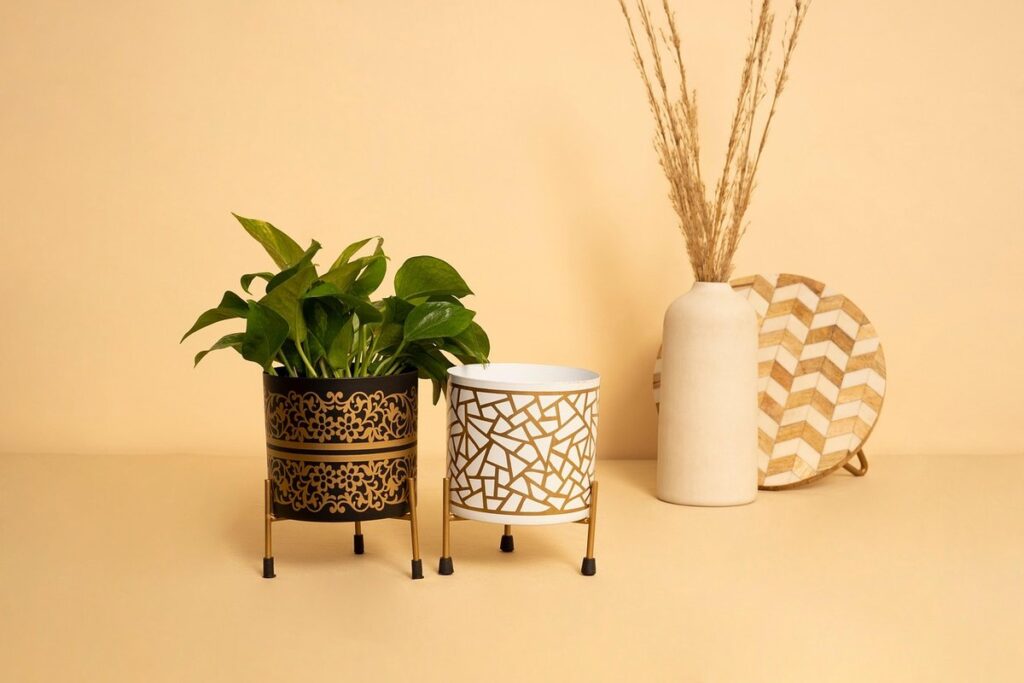
Introduction to Sub-Irrigated Planters
Let’s start by exploring what sub-irrigated planters are and how they work, a key concept that will help you understand their benefits and uses.
What are Sub-Irrigated Planters?
Sub-irrigated planters are a type of container gardening system that has gained popularity among urban gardeners and green thumbs alike. In simple terms, sub-irrigated planters involve placing the roots of plants inside a pot or container that is filled with water, but not necessarily in direct contact with it. This concept may seem counterintuitive at first, but trust us – it’s a game-changer for indoor and outdoor gardening.
The idea behind sub-irrigation is to provide plants with a steady supply of moisture without overwatering them. By keeping the roots submerged in water, the plant can absorb the nutrients it needs as needed, while preventing root rot and other common issues associated with traditional watering methods. For example, if you’re using a self-watering planter, the excess water is stored in a reservoir at the bottom of the pot, which helps to regulate the amount of moisture released into the soil.
This system allows for precise control over watering, making it ideal for indoor gardens where space and light are limited.
Benefits of Using Sub-Irrigated Planters
Using sub-irrigated planters offers numerous benefits that can enhance the health and productivity of your plants. One of the most significant advantages is water conservation. Since the water reservoir is located below the potting mix, plants don’t need to be frequently watered, reducing the risk of overwatering and subsequent root rot.
Sub-irrigated planters also promote improved root growth by allowing roots to grow downwards towards the water source. This encourages a more extensive root system, making plants more resilient to drought and better equipped to absorb nutrients from the soil. In addition, sub-irrigated planters foster enhanced plant health by reducing transplant shock and minimizing the risk of fungal diseases associated with wet conditions.
For example, using sub-irrigated planters can reduce water consumption by up to 50% compared to traditional potting methods. This is particularly beneficial for indoor plants or those in areas with limited water resources. To maximize these benefits, it’s essential to choose a high-quality planter specifically designed for sub-irrigation and follow the manufacturer’s guidelines for watering and maintenance.
Design and Materials Used in Sub-Irrigated Planters
When it comes to sub-irrigated planters, understanding the design and materials used is crucial for optimal water retention and root health. Let’s dive into the types of materials and designs that work best.
Common Materials Used for Sub-Irrigated Planters
When it comes to choosing materials for sub-irrigated planters, there are several options to consider. Plastic is a popular choice due to its affordability and durability. It’s often used for large-scale commercial applications and can be molded into various shapes and sizes.
Ceramic planters are also commonly used for sub-irrigation systems. They’re ideal for indoor plants and can add an aesthetically pleasing element to any space. Ceramic is a non-porous material that prevents water from seeping into the soil, making it perfect for sub-irrigated planters.
Wood is another option, often used for smaller-scale projects or decorative purposes. It’s eco-friendly and can be reused or recycled after its initial use. However, wood requires more maintenance than other materials to prevent decay and rot.
In addition to these common materials, some innovative options have emerged in recent years. For example, sustainable materials like bamboo and reclaimed wood are becoming increasingly popular for sub-irrigated planters due to their eco-friendly nature and unique aesthetic appeal.
Design Considerations for Effective Water Distribution
When it comes to designing sub-irrigated planters, proper water distribution is crucial for the health and productivity of plants. A well-designed system ensures that each plant receives the right amount of water, reducing waste and stress on the roots.
To achieve effective water distribution, designers should consider the size and shape of the planter, as well as the placement and spacing of irrigation tubes. For example, using a grid-like pattern for tubing can help distribute water evenly throughout the planter, while minimizing dead zones where plants may become over-watered or under-watered.
Another key consideration is ensuring adequate head pressure to push water through the system. This can be achieved by keeping tubing sloped at a consistent angle and using check valves to prevent backflow. Proper design also involves selecting materials that are compatible with the irrigation system, such as using BPA-free tubing to avoid chemical leaching into the water.
Ultimately, taking these design considerations into account will help create an efficient and effective sub-irrigated planter system that promotes healthy plant growth while minimizing water waste.
How Sub-Irrigated Planters Work
Sub-irrigated planters use a clever system of water reservoirs and wicking materials to deliver moisture directly to roots, eliminating the need for frequent watering. Let’s take a closer look at how this innovative design works.
Principle of Capillary Action in Sub-Irrigated Planters
One of the fascinating principles behind sub-irrigated planters is capillary action. This phenomenon allows plants to absorb water from the planter’s reservoir, even when the soil above appears dry to the touch. Capillary action occurs when a liquid rises through a narrow tube or space without the need for pressure or external force. In the case of sub-irrigated planters, this means that as the water in the reservoir evaporates, it creates a partial vacuum that draws more water up from the bottom of the planter.
This process is crucial for efficient watering and minimizes waste. For instance, if you were to use a traditional pot with drainage holes, excess water would simply drain out of the container, carrying valuable nutrients with it. By using sub-irrigated planters, which work on the principle of capillary action, you can reduce water consumption by up to 50% while maintaining healthy and thriving plants.
To maximize the benefits of capillary action in your sub-irrigated planter, ensure that the soil is not too dense or compacted. This will allow for better airflow and facilitate even water distribution throughout the planter.
Factors Affecting Water Uptake in Sub-Irrigated Planters
Water uptake is a crucial aspect to consider when using sub-irrigated planters. The factors influencing water absorption can vary depending on several environmental and soil-related conditions.
Soil type plays a significant role in determining how much water the planter will absorb. Sandy soils tend to drain quickly, while clay-based soils retain more moisture. However, adding organic matter like compost can help improve the soil‘s structure and increase its water-holding capacity. For instance, if you’re using a sub-irrigated planter with sandy soil, it’s essential to adjust your watering schedule accordingly.
Temperature also impacts water uptake in planters. Higher temperatures can cause plants to lose more moisture through transpiration, while cooler temperatures reduce evaporation rates. Maintaining optimal temperature conditions within the planter helps prevent excessive water loss and promotes efficient water absorption. Humidity levels, especially in areas with high relative humidity, can slow down water uptake.
It’s worth noting that a planter’s design and material can also affect its ability to absorb water efficiently. For instance, planters made from materials like ceramic or terracotta tend to dry out more quickly than those made from plastic or wood. By being aware of these factors and adjusting your planter selection and care accordingly, you can optimize water absorption and ensure healthy plants in sub-irrigated containers.
Applications of Sub-Irrigated Planters
Sub-irrigated planters are incredibly versatile, and their applications extend far beyond just indoor gardening. In this next part, we’ll explore some exciting ways to use them in your daily life.
Indoor Gardening with Sub-Irrigated Planters
Indoor gardening with sub-irrigated planters is a fantastic way to bring some greenery into your home without worrying about overwatering. These planters work by storing excess water below the soil, allowing plants to draw moisture as needed. This self-watering system makes it perfect for busy people or those new to indoor gardening.
One of the biggest benefits of using sub-irrigated planters indoors is reduced maintenance. Since the planters can hold excess water, you don’t need to check on your plants daily. Just fill the planter when the top 1-2 inches of soil feels dry, and let the system take care of the rest.
Some popular options for indoor gardening with sub-irrigated planters include herbs like basil and mint, leafy greens like lettuce and kale, and flowering plants like petunias and geraniums. When choosing plants for your sub-irrigated planter, select varieties that thrive in moist conditions but can tolerate some drying out between waterings.
To get started with indoor gardening using sub-irrigated planters, make sure to choose a well-draining potting mix and a planter with good air circulation. This will help prevent root rot and ensure your plants receive the oxygen they need to thrive.
Outdoor Uses for Sub-Irrigated Planters
Sub-irrigated planters can be used in a variety of outdoor settings beyond indoor container gardens. For those living in urban areas, sub-irrigated planters are an ideal solution for creating small-scale green spaces on rooftops or balconies. This type of planter is particularly well-suited for urban gardens because it eliminates the need for expensive irrigation systems and allows plants to thrive in tight spaces.
When installed on a rooftop, sub-irrigated planters can help mitigate the effects of urban heat island by providing shade and cooling the surrounding air through transpiration. In addition to rooftops, sub-irrigated planters can be used in large-scale agriculture applications where water conservation is crucial. By using sub-irrigated planters, farmers can reduce water waste and minimize their environmental footprint.
In green roof installations, sub-irrigated planters are often used to support a diverse range of plants, from succulents to grasses. These planters allow for flexible design options and can be customized to suit specific architectural styles or landscape designs.
Challenges and Limitations of Sub-Irrigated Planters
While sub-irrigated planters offer numerous benefits, there are some challenges and limitations to be aware of when using them effectively in your gardening projects. Let’s explore these potential drawbacks together.
Common Issues with Sub-Irrigated Planters
One of the primary concerns with sub-irrigated planters is waterlogging. This occurs when the soil’s ability to absorb and release excess water is compromised, causing roots to rot and plants to suffer from oxygen deprivation. Waterlogging can be attributed to factors such as inadequate drainage systems or an excessive amount of water being applied.
Root bound conditions are another issue often associated with sub-irrigated planters. As roots grow in a confined space, they become root-bound, which can limit the plant’s ability to absorb nutrients and water. This can lead to stunted growth, reduced yields, and decreased overall plant health. To avoid this issue, regular repotting is essential to provide plants with sufficient room for their root systems to expand.
To mitigate these problems, it’s crucial to choose sub-irrigated planters with adequate drainage capabilities and proper aeration. Regular monitoring of water levels and adjusting irrigation schedules can also help prevent waterlogging.
Overcoming the Challenges with Proper Design and Maintenance
While sub-irrigated planters offer numerous benefits, they do come with unique challenges. To overcome these hurdles and ensure the success of your plants, it’s essential to focus on proper design and maintenance practices.
First and foremost, a well-designed sub-irrigated planter should include a water reservoir that allows for efficient watering. This can be achieved by using a separate container or compartment within the planter, which helps prevent overwatering and reduces waste. For example, a self-watering planter with a built-in water reservoir can reduce the frequency of watering by up to 50%.
To maintain your sub-irrigated planters effectively, it’s crucial to monitor the water levels regularly. This will help you catch any potential issues before they become severe problems. You should also ensure that the plants are not too densely planted, as this can lead to root bound conditions and other issues.
Additionally, proper drainage is vital for sub-irrigated planters. Make sure the planter has adequate drainage holes or slots to prevent water from accumulating in the soil. By following these design and maintenance tips, you’ll be able to overcome many of the challenges associated with sub-irrigated planters and enjoy a thriving and healthy garden.
Future Developments and Trends in Sub-Irrigated Planter Technology
As we continue to explore the benefits of sub-irrigated planters, let’s look ahead at some exciting developments that are poised to take this technology to the next level. Advancements in design and materials are on the horizon!
Emerging Technologies for Improved Water Efficiency
The integration of emerging technologies is poised to significantly improve water efficiency in sub-irrigated planters. One such technology is the use of precision irrigation systems that utilize real-time data and sensors to optimize watering schedules, ensuring plants receive exactly what they need when they need it.
Another innovative approach is the application of advanced soil moisture monitoring systems, allowing for precise measurement of soil dryness levels. This enables growers to make informed decisions about water distribution, minimizing waste and overwatering. Additionally, researchers are exploring the potential of using artificial intelligence (AI) to predict plant water requirements, further streamlining the irrigation process.
For instance, a study on precision irrigation in greenhouses found that implementing such systems resulted in a 25% reduction in water consumption while maintaining crop yields. By embracing these emerging technologies, growers can enhance their sub-irrigated planter operations, not only conserving this precious resource but also reducing operational costs and environmental impact.
To integrate these technologies effectively, consider the following:
• Regularly calibrate sensors to ensure accurate readings
• Monitor data closely to identify trends and adjust schedules accordingly
• Continuously update software and firmware for optimal performance
Innovations in Materials Science for Sub-Irrigated Planters
Innovations in materials science are transforming sub-irrigated planter technology, paving the way for improved performance and sustainability. One significant development is the use of advanced polymers, such as polypropylene and polyethylene, which offer exceptional durability and resistance to water damage. These materials can withstand harsh outdoor conditions, extending the lifespan of sub-irrigated planters.
Another breakthrough is the integration of photovoltaic cells into planter walls, allowing for passive solar energy harvesting. This innovation not only powers irrigation systems but also reduces reliance on external energy sources. Additionally, researchers are exploring the use of self-healing materials that can repair cracks and damage autonomously, minimizing maintenance needs.
Manufacturers are now incorporating these cutting-edge materials into their designs, resulting in more efficient and environmentally friendly sub-irrigated planters. For instance, companies like Green Walls and Urban Crops are developing planter systems using advanced polymers and photovoltaic cells. As consumers become increasingly aware of sustainability issues, demand for eco-friendly sub-irrigated planters is on the rise. By embracing these innovations, growers can optimize their water usage, reduce waste, and create thriving ecosystems in urban environments.
Conclusion
In conclusion, sub-irrigated planters offer numerous benefits and versatile uses for both indoor and outdoor gardening. By understanding how these planters work, you can create optimal growing conditions for a wide range of plants, from succulents to vegetables. Whether you’re a seasoned gardener or just starting out, incorporating sub-irrigated planters into your garden design can lead to healthier, more resilient plants that require less maintenance and care. To maximize the potential of these planters, be sure to research specific planting guidelines for your chosen species and adjust water levels accordingly. By doing so, you’ll be able to enjoy a thriving, low-maintenance garden year-round, regardless of climate or environmental conditions.
Frequently Asked Questions
Can I use sub-irrigated planters with sensitive or high-maintenance plants?
Yes, sub-irrigated planters are suitable for a wide range of plants, including those that require precise moisture control. By using these planters, you can create an optimal environment for your plants’ roots to absorb water and nutrients consistently, even if they’re sensitive or high-maintenance.
How do I prevent overwatering in sub-irrigated planters?
To avoid overwatering, ensure the water level is below the pot’s drain holes. Monitor your plants regularly, and adjust the water supply as needed. Keep an eye on the moisture levels in the growing medium to determine when to refill or reduce the water supply.
Can I mix different types of plants in a single sub-irrigated planter?
Yes, you can combine various plant species in a single sub-irrigated planter. However, consider their watering needs and growth habits to ensure they thrive together. Some plants may require more frequent watering or have specific requirements that could affect the entire planting arrangement.
How do I handle algae buildup in my sub-irrigated planters?
Algae can be controlled by maintaining proper water circulation and adjusting nutrient levels. Regularly clean the planter with a gentle solution, and ensure adequate air exchange to prevent stagnation. You may also need to adjust the pH of the water or use an algae-preventing agent.
Are sub-irrigated planters suitable for areas with low water pressure?
Yes, sub-irrigated planters can function effectively even in areas with low water pressure. Since these planters rely on capillary action to supply moisture, they’re less dependent on water pressure compared to traditional irrigation systems. However, the design and materials used may still be affected by water pressure variations.