
As a gardener, you’re likely always on the lookout for sustainable ways to nourish your plants. The good news is that banana peels are more than just compost – they can be used as a nutrient-rich fertilizer to give your garden an extra boost. But before we dive into the details of using banana peels as plant food, let’s talk about why this method is worth considering. Not only is it eco-friendly and budget-friendly, but it also provides essential nutrients like potassium, magnesium, and sulfur that plants crave. In this article, we’ll explore the benefits of repurposing banana peels, share simple methods for preparing them as fertilizer, and offer tips on how to incorporate this natural approach into your sustainable gardening routine.
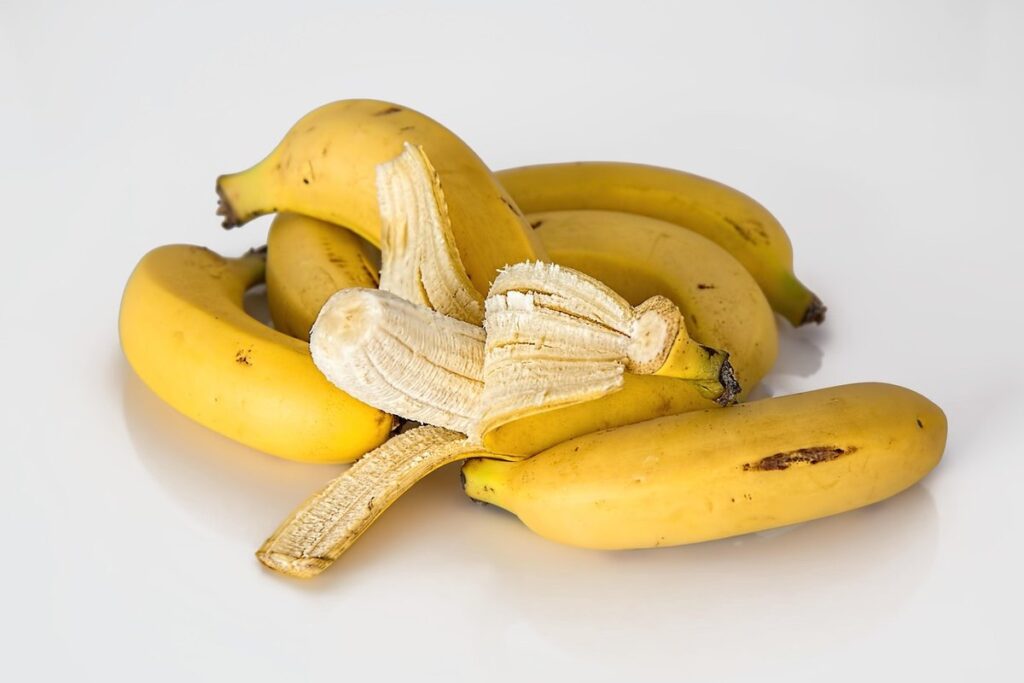
Benefits of Using Banana Peels for Plant Fertilizer
Using banana peels as a fertilizer can have numerous benefits, including reducing waste and providing essential nutrients to your plants, making it a win-win situation.
Nutrient Content of Banana Peels
One of the most significant advantages of using banana peels as plant fertilizer is their rich nutrient content. These peels are packed with essential nutrients like nitrogen, phosphorus, and potassium, which are vital for promoting healthy plant growth. Nitrogen is crucial for leafy greens and promotes vibrant foliage color. Phosphorus, on the other hand, encourages root development and flower production, making it a boon for fruiting plants. Potassium helps in overall resistance to diseases and improves overall plant resilience.
To put this into perspective, one average-sized banana peel can contain up to 0.5 grams of nitrogen, which is equivalent to using synthetic fertilizers that contain nitrogen as the primary ingredient. Moreover, these peels are also rich in micronutrients like magnesium, calcium, and sulfur, all of which are essential for plant development. When you compost banana peels, you can create a nutrient-rich fertilizer that will provide your plants with the necessary nutrients to thrive.
When making use of banana peels as a fertilizer source, it’s advisable to add them in moderation to avoid over-fertilization. A general rule of thumb is to mix 1-2 cups of chopped banana peels into your compost pile for every 10 square feet of garden space. This will ensure that your plants receive the optimal amount of nutrients without any adverse effects.
How to Use Banana Peels for Fertilizer
When it comes to using banana peels as a fertilizer, there are several methods you can employ to make the most of this nutrient-rich resource. One effective way is through composting. To do this, simply bury the banana peel near the base of the plant, about 6-8 inches away from the stem. As it breaks down, it will provide essential nutrients like potassium, magnesium, and sulfur.
Alternatively, you can create a “banana peel tea” by steeping peels in water for 24 hours. Strain the liquid and use it as a foliar spray or add it to the soil around your plants. This method is especially effective for seedlings and young plants that require an extra boost of nutrients.
If you prefer not to compost or make tea, you can also use banana peels directly by burying them near the base of the plant. As they break down, they will release their nutrients into the soil, providing a steady supply of essential vitamins and minerals. Just be sure to mix in some compost or other organic matter to help speed up the decomposition process and prevent any potential fungal growth.
The Science Behind Banana Peel Fertilization
But what makes banana peels such a potent fertilizer? Let’s dive into the fascinating science behind how these humble peels can nourish your plants.
Breakdown of Nutrient Release
When banana peels are added to soil, they undergo a series of processes that release their nutrient-rich compounds. This breakdown is crucial for plant growth and development.
Firstly, the enzymes present in the peel start degrading the cell walls of microorganisms, making it easier for them to access nutrients. As microbes feed on the peels, they break down organic matter into simpler forms like nitrogen, phosphorus, and potassium (NPK). These essential macronutrients are then absorbed by plant roots.
The release of NPK from banana peels can take several days to weeks, depending on factors such as soil temperature, moisture, and microbial activity. To optimize nutrient release, it’s recommended to chop the peels into smaller pieces or grind them into a pulp before adding them to the soil. This increases the surface area, allowing for faster microbial degradation.
Keep in mind that the breakdown process can be influenced by environmental conditions. For example, high temperatures can accelerate microbial activity and nutrient release.
Comparison to Commercial Fertilizers
When it comes to fertilizing your plants, you’re likely considering two popular options: using banana peels or commercial fertilizers. While both have their benefits and drawbacks, let’s dive into the comparison.
Using banana peels as a fertilizer has several advantages over traditional commercial products. For one, peels are rich in nutrients like potassium, magnesium, and sulfur, which promote healthy growth and fruit production. They’re also an eco-friendly alternative, reducing waste and the need for synthetic chemicals. Moreover, peels can be composted to create a nutrient-rich soil amendment.
On the other hand, commercial fertilizers offer higher concentrations of specific nutrients but often contain fillers, additives, and potentially toxic substances like heavy metals. These products can also harm beneficial microbes in the soil, disrupt the ecosystem balance, and contribute to environmental pollution.
To get the most out of banana peels, use about 2-3 cups per square foot of garden bed or potting mix. Mix them into the soil for a slow release of nutrients, or steep them in water as a liquid fertilizer. Remember that over-fertilization is just as detrimental as under-fertilization, so start with small amounts and monitor your plant’s response.
Preparing Banana Peels for Use
To get the most out of your banana peels, it’s essential to prepare them correctly before using as fertilizer. We’ll walk you through how to dry and chop them in this next step.
Composting Methods
Composting banana peels effectively is key to unlocking their full potential as a plant fertilizer. To do this, you’ll want to create an optimal composting environment that allows for efficient nutrient release. Start by collecting your banana peels and placing them in a designated bin or pile with other “green” materials like leaves and grass clippings.
The ideal carbon-to-nitrogen ratio for composting is 2:1 or 3:1, so aim to balance out the nitrogen-rich peels with dry carbon sources. Add a mix of “brown” materials like shredded newspaper or cardboard to absorb excess moisture and speed up decomposition.
Regularly turning your compost pile will help prevent anaerobic conditions that can lead to unpleasant odors and reduced nutrient availability. After 2-3 months, your banana peels should be fully broken down into rich, dark humus teeming with beneficial microbes. To encourage optimal nutrient release, gently chop or shred the finished compost before applying it directly to soil around your plants.
This will ensure that essential micronutrients like potassium, magnesium, and sulfur are readily available for uptake by your garden’s roots. With proper composting methods in place, you can unlock the full potential of banana peels as a natural and effective plant fertilizer.
Tea-Making Techniques
To make banana peel tea, start by collecting 3-4 peels and rinsing them with water to remove any remaining fruit residue. Next, chop the peels into smaller pieces and place them in a large pot or container. Pour in 2-3 cups of boiling water over the peels, making sure they’re fully submerged.
Allow the mixture to steep for 30 minutes to an hour, depending on your desired strength. You can then strain the liquid through a cheesecloth or fine-mesh sieve into another container, discarding the solids. The resulting tea is rich in nutrients like potassium, magnesium, and sulfur, making it an excellent fertilizer for your plants.
When using banana peel tea as a fertilizer, consider diluting it to 1:10 ratio with water. This means mixing 1 cup of tea with 9 cups of water. Apply the solution directly to the soil around your plants’ roots during watering or as a foliar spray. For best results, use this tea as a supplement to regular fertilization, rather than relying on it as the sole source of nutrients. Experiment with different dilution rates and application timing to find what works best for your specific plants.
Tips for Effective Application
Now that you’ve learned how to utilize banana peels as a fertilizer, let’s dive into some practical tips for making it a seamless process. Here are some expert recommendations to ensure successful application.
Timing of Application
When it comes to using banana peels as a fertilizer, timing is everything. The effectiveness of this natural fertilizer depends on various factors such as weather conditions and the growth stages of your plants.
In general, it’s best to apply banana peel fertilizer during the growing season when plants are actively producing new leaves, fruits, or flowers. This usually coincides with spring and summer months in most regions. Avoid applying banana peels during extreme weather conditions like heavy rainfall, intense heatwaves, or freezing temperatures, as this can cause an overabundance of nutrients that might be detrimental to your plants.
Consider the growth stages of your plants when applying banana peels. For example, young seedlings benefit from a balanced diet of nitrogen, phosphorus, and potassium found in banana peels, but mature plants may require less frequent applications to avoid nutrient overload. Start by adding small amounts to your compost pile or mixing it with other fertilizers, then gradually increase the quantity based on your plant’s response. Keep in mind that some plants like tomatoes and peppers thrive on high potassium levels, while others like leafy greens prefer balanced nutrients.
Combining with Other Fertilizers
When using banana peels as a fertilizer, you may wonder if combining them with other fertilizers can enhance their effectiveness. The answer is yes – incorporating banana peels into your existing fertilizer routine can have several benefits.
One strategy is to use banana peels in conjunction with slow-release fertilizers. This combination allows for a steady release of nutrients over time, while the potassium-rich banana peels provide an immediate boost to the plant’s nutrient uptake. For example, if you’re using a balanced 10-10-10 NPK fertilizer, add some dried and crushed banana peels to the soil to kickstart the nitrogen and phosphorus absorption process.
Another approach is to mix banana peels with compost tea or worm casting for a rich and diverse fertilizer blend. This combination provides essential micro-nutrients, improves soil structure, and stimulates beneficial microbial activity in the soil. As a bonus, adding banana peels to your existing compost pile will break them down faster and create a nutrient-dense compost tea that’s perfect for foliar sprays or root drenches.
When combining banana peels with other fertilizers, be mindful of the nutrient balance in your soil. Overfertilization can harm plants, so it’s essential to monitor the nutrient levels and adjust the application rates accordingly.
Environmental Impact and Sustainability
As we explore the many uses of banana peels, let’s dive into how using them as a fertilizer can benefit our environment, reducing waste and promoting eco-friendly gardening practices.
Reduction of Waste Disposal Concerns
When you repurpose banana peels as fertilizer for your garden, you’re not only providing essential nutrients to your plants but also reducing waste disposal concerns. In fact, the United States alone generates over 300 million tons of food waste annually, with a significant portion coming from fruits and vegetables like bananas.
By using banana peels as fertilizer, you’re diverting organic matter from landfills and reducing the environmental impacts associated with waste management. For example, when banana peels decompose in landfills, they release methane – a potent greenhouse gas that contributes to climate change. By composting or repurposing your banana peels, you can minimize this impact.
To make the most of your banana peel fertilizer, be sure to chop them into smaller pieces before adding them to your compost pile or directly to the soil around your plants. This will help speed up the decomposition process and ensure that the nutrients are readily available for your garden.
Long-Term Effects on Soil Health
When you start using banana peels as a plant fertilizer, it’s natural to wonder about their long-term effects on soil health. While they’re an excellent addition to your compost pile and can provide essential nutrients for your plants, there are some potential drawbacks to consider.
One of the main concerns is that high concentrations of potassium in banana peels can lead to over-fertilization, causing an imbalance in your soil’s nutrient levels. This can negatively impact microbial activity, making it harder for beneficial microorganisms to thrive in the soil. To avoid this, make sure to balance your fertilizer use by incorporating other organic matter like leaves or grass clippings.
Additionally, excessive use of banana peels can lead to increased nitrogen levels in the soil, potentially contributing to environmental pollution. It’s essential to monitor your soil pH and nutrient levels regularly to ensure you’re not creating an imbalance.
To mitigate these risks, consider using a 1:10 ratio of banana peels to other compost materials. This will allow for a steady release of nutrients without overwhelming your plants or the environment. By adopting this approach, you can enjoy the benefits of using banana peels as a fertilizer while maintaining healthy soil for years to come.
Common Misconceptions and FAQs
We’ve tackled the benefits and how-to’s of using banana peels as fertilizer, but now let’s address some common misconceptions and frequently asked questions you may have.
Debunking Myths About Banana Peels
One of the most common misconceptions about using banana peels as fertilizer is that they are toxic to plants and can burn their leaves. However, this couldn’t be further from the truth! In fact, the nutrients present in banana peels, such as potassium, magnesium, and sulfur, are essential for plant growth and can actually help prevent common issues like yellowing leaves or stunted roots.
Another myth is that banana peels take too long to break down and won’t provide immediate benefits. While it’s true that they may not have an instant effect, the process of decomposition is a natural one that occurs when microorganisms in the soil feed on the peel’s nutrients. This can happen anywhere from a few weeks to several months, depending on factors like soil temperature and moisture levels.
A common concern among gardeners is also whether banana peels attract pests or create an ideal breeding ground for diseases. However, research suggests that using banana peels as fertilizer has little to no impact on attracting unwanted visitors or creating disease-prone conditions. In fact, some studies have even shown that they can help repel nematodes and other microscopic pests!
To make the most of your banana peel fertilizer, simply bury them in the soil around the base of your plant, or mix them into a compost pile to speed up the decomposition process.
Frequently Asked Questions
One of the most significant advantages of using banana peels as a fertilizer is its high potassium content, which can be beneficial for plants. However, you might have some questions about this unconventional method.
You’re probably wondering if it’s safe to use banana peels around pets and children. Rest assured that the risk of toxicity from banana peels is minimal when used correctly. The peels contain a small amount of calcium oxalate, which can cause skin irritation in some individuals. Nevertheless, this can be easily mitigated by washing your hands thoroughly after handling banana peels.
If you’re new to using banana peels as a fertilizer, you may be concerned about how much to use and how often. A general rule of thumb is to chop the peel into small pieces and bury them near the base of the plant. This allows for slow release of nutrients over time. Repeat this process every 2-3 weeks for optimal results.
In terms of preparation, you can soak banana peels in water before adding them to your soil. This will increase the nutrient content and make it easier to apply. A simple ratio is one part peel to ten parts water.
Frequently Asked Questions
How to balance nutrient release with composting methods?
When using banana peels as fertilizer, it’s essential to balance their nutrient release with your composting methods. To avoid over-fertilizing, aim for a mix of 1:10 ratio (one part banana peel to ten parts compost) and monitor your plants’ response.
Can I use tea-making techniques year-round, or is there an optimal season?
While you can use tea-making techniques throughout the year, it’s best to focus on spring and early summer when plants are actively growing. This allows for maximum nutrient uptake and minimizes waste during periods of slower growth.
How do I handle plant resistance or sensitivity to potassium-rich fertilizers?
If you notice your plants exhibiting signs of potassium toxicity (e.g., yellowing leaves), reduce the frequency of banana peel application or switch to a balanced fertilizer. Always monitor your plants’ response and adjust accordingly to avoid nutrient imbalances.
Can I mix banana peels with commercial fertilizers for enhanced results?
While combining banana peels with commercial fertilizers may seem like an efficient way to boost plant growth, be cautious not to over-fertilize. Stick to the recommended application rates for each fertilizer type and monitor your plants’ response closely to avoid nutrient imbalances.
How long does it take for banana peel fertilizer to show noticeable effects?
The time it takes for banana peel fertilizer to show its effects can vary depending on factors like plant species, soil quality, and climate. Generally, you should start noticing improvements in plant growth and health within 1-3 months after regular application.