
Starting your garden from scratch can be a thrilling experience, but let’s face it – not all seeds germinate at the same rate. This is where pre-sprouting comes in – a simple yet effective technique that can make all the difference between a bountiful harvest and a disappointing yield. By pre-sprouting seeds, you can significantly improve their chances of germinating and ultimately increase your crop’s success. But how do you choose the right seeds for pre-sprouting, and what are some common issues to watch out for? In this article, we’ll explore the benefits and techniques of pre-sprouting seeds, from selecting the ideal varieties to troubleshooting common problems. Whether you’re a seasoned gardener or just starting out, learning how to pre-sprout seeds can take your gardening skills to the next level.
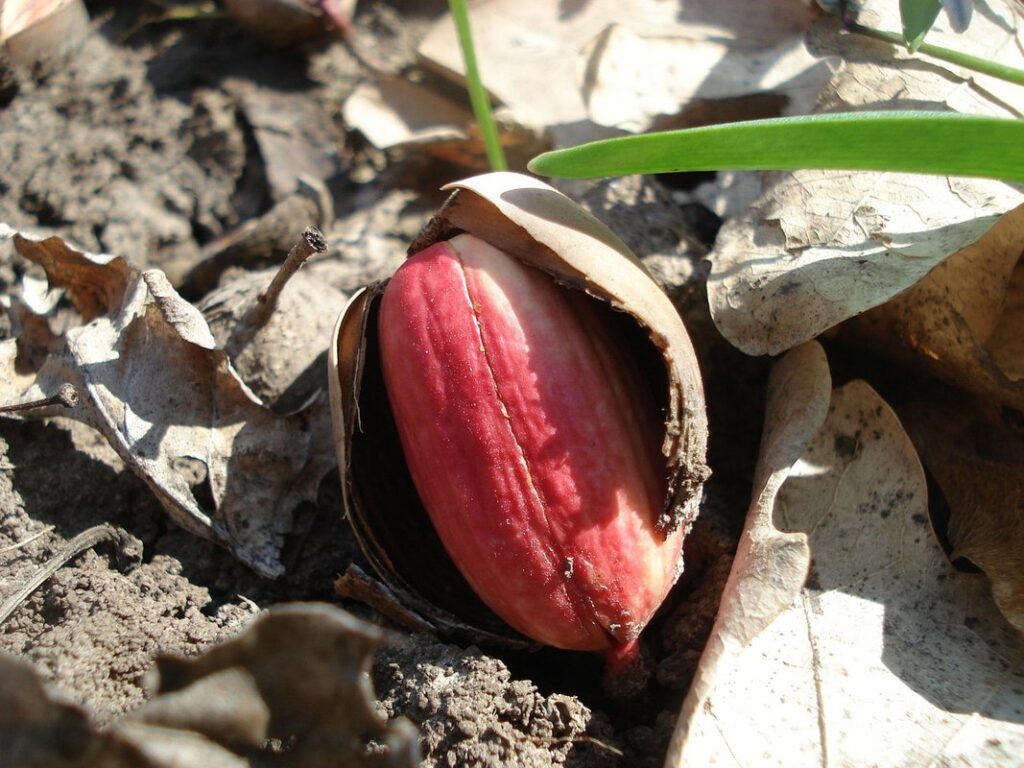
What is Pre-Sprouting?
So, you want to know what pre-sprouting seeds really means and how it sets the stage for a successful garden? Let’s dive into the basics of this simple yet effective technique.
Understanding the Purpose of Pre-Sprouting
Pre-sprouting has been practiced for centuries by gardeners and farmers worldwide. Its history dates back to ancient civilizations where seeds were soaked in water to soften the outer seed coat before planting. This practice not only helped improve germination rates but also gave early cultures a head start on the growing season.
Today, pre-sprouting is recognized as an essential step in modern seed-starting techniques. By breaking down the seed’s natural dormancy mechanism, gardeners can increase the chances of successful germination and ensure that their seeds have a strong foundation for growth. This method also allows for earlier planting, enabling growers to get a jump on the season.
Gardeners and farmers practice pre-sprouting for several reasons. For one, it reduces seed waste by improving germination rates. Pre-sprouting can increase successful germination from 50% or lower to 80-90%. This not only saves money but also reduces the environmental impact of discarded seeds. Furthermore, pre-sprouted seeds are more resilient and better equipped to handle adverse weather conditions.
Types of Pre-Sprouting Methods
Pre-sprouting seeds involves using various methods to initiate germination before planting. One of the simplest and most common methods is water soaking. This technique involves placing seeds in a bowl of water for 24-48 hours, allowing them to absorb moisture and begin the germination process. Be sure to use lukewarm or room temperature water, as cold water can slow down the process.
Another popular method is the paper towel trick. In this approach, you moisten a paper towel with water, place the seeds on it, and seal the towel in a plastic bag or wrap it in foil. The seeds will start to sprout within 24-48 hours, depending on the type of seed. This method allows for even moisture distribution and helps prevent overwatering.
For those who want more control over the pre-sprouting process, specialized equipment like seed starting trays and greenhouse kits are available. These tools can be used in conjunction with other methods to optimize germination rates and ensure successful plant growth.
Benefits of Pre-Sprouting Seeds
By pre-sprouting seeds, you can significantly improve your chances of successful germination and healthier seedlings, leading to a stronger crop overall. Let’s explore the benefits in more detail.
Improved Germination Rates
Pre-sprouting seeds is an effective way to boost germination rates and reduce the risk of failed crops. When you pre-sprout seeds, they undergo a process called “imbibition,” where they absorb water and begin to swell, breaking their dormancy. This process can take anywhere from 24 to 48 hours, depending on factors like seed type and moisture levels.
By pre-sprouting seeds, you’re giving them a head start on germination, allowing the radicle (primary root) to emerge more quickly. In fact, research has shown that pre-sprouted seeds can have up to 30% higher germination rates compared to unsprouted seeds. This is particularly beneficial for sensitive or slow-germinating varieties.
To maximize the benefits of pre-sprouting, make sure to provide your seeds with consistent moisture and a warm environment (around 70°F to 80°F) during the imbibition process. Avoid overcrowding the container, as this can lead to reduced germination rates due to fungal growth and competition for resources. With proper care, pre-sprouted seeds are more likely to emerge healthy and strong, giving your crops a solid foundation for success.
Enhanced Seed Vigor
When you pre-sprout seeds, you’re not just getting a head start on the growing season – you’re also giving them a boost of vigor that will carry them through to harvest. Seed vigor refers to a seed’s ability to withstand environmental stressors like drought, extreme temperatures, and disease. Pre-sprouting can improve seed vigor in several ways.
For one, pre-sprouted seeds have already begun to germinate, which means they’ve started to develop their root system and break down stored energy reserves. This process prepares them for the challenges of growth outside the soil. In fact, studies have shown that pre-sprouted seeds can withstand up to 20% more drought stress than unsprouted seeds.
As a result, pre-sprouted seeds are more resilient to environmental stressors like extreme temperatures and fungal diseases. They’re also less likely to be damaged by transplant shock when moved from the sprouting tray to the garden bed. To maximize the benefits of seed vigor, make sure to give your pre-sprouted seeds plenty of light, water them consistently, and avoid sudden changes in temperature or humidity. By doing so, you’ll set yourself up for a bountiful harvest and healthier plants that can thrive in any condition.
Increased Crop Yield
When you pre-sprout seeds, you’re essentially giving them a head start on germination. This can have a profound impact on crop yield, as it allows the seedlings to develop stronger roots and more robust growth before being transplanted into the garden. Studies have shown that pre-sprouted seeds can increase crop yields by up to 30% compared to conventionally sown seeds.
One key reason for this increased yield is the improved root development. Pre-sprouting seeds allows them to establish a stronger root system, which enables them to absorb more nutrients from the soil and grow more rapidly. This means that pre-sprouted seedlings are better equipped to handle the stresses of transplantation, such as shock and disease.
In practice, this can result in healthier, more robust plants with increased yields. For example, a study on tomato seedlings found that those that were pre-sprouted for 24 hours showed a significant increase in fruit yield compared to conventionally sown seeds.
Choosing the Right Seeds for Pre-Sprouting
When it comes to pre-sprouting seeds, selecting the right type is crucial – choose from heirloom, hybrid, or organic options that suit your needs. Consider factors like climate and soil conditions when making your decision.
Factors Affecting Seed Suitability
When it comes to pre-sprouting seeds, not all seeds are created equal. The suitability of a seed for pre-sprouting depends on several key factors. One major consideration is seed size. Smaller seeds tend to work better for pre-sprouting than larger ones because they can be soaked more evenly and are less likely to become waterlogged. Examples of small-seed varieties that excel in pre-sprouting include lettuce, radish, and alfalfa.
On the other hand, larger seeds like beans, peas, and corn don’t fare as well with this method. They require a bit more time to soak before they start sprouting, which can make it tricky to achieve consistent results.
Another factor influencing seed suitability is seed type itself. Some types of seeds are naturally easier to pre-sprout than others due to their structure or composition. For instance, seeds with a hard outer coating like pumpkin and squash can be challenging to soak thoroughly, while those with a softer coat like cress and mustard do better.
When selecting seeds for pre-sprouting, keep these factors in mind to maximize your chances of success. Choose smaller seed varieties that are naturally easier to soak and work well with the method.
Selecting High-Quality Seeds
When it comes to pre-sprouting seeds, the quality of the seeds plays a crucial role in determining the success of the process. Not all seeds are created equal, and some may not respond well to pre-sprouting. To ensure you’re starting with high-quality seeds, follow these guidelines.
Look for seeds that are specifically labeled as “pre-sprouting” or “germination”-friendly. These seeds have been bred to have a higher germination rate and will be more responsive to the pre-sprouting process. Check the seed package for any information on the specific variety’s performance in pre-sprouting.
Another factor to consider is the age of the seeds. Freshness matters when it comes to seeds, as older seeds may not respond well to pre-sprouting. Try to use seeds that are within a year or two of their packaging date for optimal results.
Avoid using old or stored seeds, as they will have lower germination rates and may not be suitable for pre-sprouting. Instead, opt for fresh seed packages from reputable suppliers or purchase seeds in bulk to ensure you’re getting the best quality available.
The Pre-Sprouting Process: Step-by-Step Guide
Before we dive into pre-sprouting your seeds, let’s take a closer look at the step-by-step process involved in preparing them for germination. This crucial phase sets the stage for healthy growth.
Preparation and Setup
To start pre-sprouting seeds successfully, you’ll need some basic equipment and materials. First, acquire a clean glass jar or container with a wide mouth to hold the seedlings. A plastic bag or cloth cover will also come in handy for maintaining humidity and temperature control.
For optimal growth, it’s essential to have a steady supply of water and a secure space to keep your pre-sprouted seeds. Use distilled water or filtered tap water to avoid any potential contamination issues. A thermometer can be useful for monitoring the temperature, especially if you’re trying to replicate specific conditions.
You’ll also need a tray or plate with paper towels or cloth to hold the pre-sprouted seeds in place. Make sure these materials are clean and sterile to prevent mold growth and bacterial contamination. Don’t forget a pair of scissors for cutting seedlings once they reach 1-2 inches tall. This simple setup will allow you to carefully monitor and care for your seeds as they begin their journey towards germination.
Soaking and Activation
When it comes to pre-sprouting seeds, soaking and activation are crucial steps that set the stage for optimal germination. The process begins by selecting a clean container with enough space for the seeds to soak. Fill the container with lukewarm water – between 70°F to 80°F (21°C to 27°C) is ideal. For most seed types, soaking time ranges from 8 to 24 hours.
During this period, seeds absorb water, causing their natural enzymes to become active. This process kickstarts cellular activity and kick-starts germination. Seeds like radishes and alfalfa can be soaked for a shorter duration, around 8-12 hours, while larger seeds such as beans and peas require longer soaking periods – up to 24 hours.
Keep in mind that excessive water temperature can lead to seed damage or delayed germination. It’s essential to check the seeds periodically to ensure they’re not developing mold or fungal growth. After the soak, carefully drain the container and pat the seeds dry with a paper towel before transferring them to their pre-sprouting medium. By following this simple soaking and activation process, you’ll be well on your way to successfully pre-sprouting your seeds for faster germination rates.
Monitoring and Maintenance
Monitoring and maintaining optimal conditions during pre-sprouting is crucial for successful germination. Check on your seeds daily to ensure they remain moist but not waterlogged. Use a spray bottle to mist the container, avoiding overwatering which can lead to mold growth.
Maintain a consistent temperature between 65-75°F (18-24°C), ideal for most seed types. If you’re pre-sprouting in a warm environment, consider providing shade or moving the seeds to a cooler area to prevent overheating. Monitor the container’s humidity level, aiming for a range of 80-90%. You can cover the top with a damp cloth or plastic wrap to maintain humidity.
Keep an eye out for signs of mold, which can be identified by a white powdery coating on the seeds or in the container. Remove any affected seeds and discard them to prevent further contamination. Regularly inspect the seeds for swelling, which indicates successful pre-sprouting.
Troubleshooting Common Issues with Pre-Sprouted Seeds
When it comes to pre-sprouting seeds, things don’t always go as planned, and knowing how to troubleshoot common issues is crucial for success. This section addresses some of the most frequent problems you may encounter along the way.
Addressing Poor Germination Rates
When pre-sprouting seeds, one common issue that may arise is poor germination rates. This can be frustrating, especially after investing time and effort into the process. To address this problem, let’s explore some possible causes and solutions.
Poor light exposure or inconsistent temperature control are often culprits behind low germination rates in pre-sprouted seeds. Ensure your storage area provides a consistent temperature between 65-75°F (18-24°C) and is away from direct sunlight. If you’re using grow lights, maintain a distance of at least six inches to prevent overheating.
Another potential issue is over-moistening or under-moistening of the seeds during the pre-sprouting process. Monitor your seed’s moisture levels closely, and adjust as needed. You can use paper towels or a damp cloth to maintain the right level of humidity without causing fungal growth.
To improve germination rates, try soaking your seeds in water for 24 hours before beginning the pre-sprouting process. This can help break dormancy and encourage faster germination. Additionally, make sure you’re using high-quality seeds from reputable suppliers, as this can significantly impact germination success. By addressing these common issues, you’ll be well on your way to achieving optimal results with your pre-sprouted seeds.
Managing Seed Rot and Mold
Managing seed rot and mold is one of the most common issues faced by pre-sprouting enthusiasts. To prevent this, it’s essential to understand the causes and take corrective measures. Seed rot occurs when seeds become waterlogged, creating an ideal environment for mold growth.
To avoid this, ensure you’re not overwatering your seeds. Check the moisture level regularly and provide just enough water to keep them moist but not saturated. A good rule of thumb is to mist with a spray bottle instead of pouring water directly onto the seeds.
Another crucial step is maintaining adequate air circulation around the seed tray or container. You can achieve this by placing it on top of a mesh screen or using a well-ventilated growing medium. This helps prevent moisture buildup and reduces the likelihood of mold growth.
If you do notice signs of rot or mold, don’t panic! Simply remove the affected seeds and treat the remaining ones with a fungicide specifically designed for seedlings. Keep in mind that prevention is key, so be diligent about monitoring your seeds’ condition and making adjustments as needed.
Advanced Techniques: Combinations and Variations of Pre-Sprouting
Now that you’ve mastered the basics, let’s dive into more complex methods for combining and varying pre-sprouted seeds to maximize growth and yields.
Using Pre-Sprouting in Hydroponics and Aeroponics
When it comes to hydroponic and aeroponic systems, pre-sprouting can be a game-changer for maximizing yields. By allowing seeds to germinate before being introduced into the system, you can reduce transplant shock and give them a head start on growth.
One of the key benefits of using pre-sprouted seeds in hydroponics is that it allows for more precise control over seed spacing and placement. This can be particularly useful in systems like NFT (Nutrient Film Technique) or DWC (Deep Water Culture), where maintaining optimal water levels and circulation rates is crucial.
In aeroponics, pre-sprouting can also help to reduce the risk of root rot and other water-borne diseases that can be prevalent in these types of systems. By allowing seeds to germinate in a controlled environment before being placed into the aeroponic chamber, you can ensure that they are healthy and robust enough to withstand the conditions.
To incorporate pre-sprouting into your hydroponic or aeroponic system, simply follow a similar process to what we’ve discussed for traditional soil-based growing. This typically involves soaking seeds in water for 24-48 hours before transferring them to a nutrient-rich solution, where they can continue to grow and thrive.
Pre-Sprouting Large Seed Batches
When working with large quantities of seeds, it’s essential to have a well-planned and efficient pre-sprouting process. To begin, you’ll need a suitable space that can accommodate the number of seeds you’re working with. A large tray or container with good air circulation is ideal for this purpose. Consider investing in a shelving system or stackable containers to maximize your workspace.
You’ll also require a reliable heating source and a thermometer to maintain an optimal temperature range between 70°F to 80°F (21°C to 27°C). This will ensure consistent germination rates across all seed batches. A humidifier can be beneficial in maintaining the ideal humidity levels, typically around 90-95%. To minimize waste and optimize space, consider using a propagation mat with built-in heating and temperature control.
When working with large quantities of seeds, it’s crucial to maintain accurate records, including germination rates and seed storage conditions. This will help you refine your pre-sprouting process over time and make informed decisions about future batches.
Combining Pre-Sprouting with Other Seed Treatments
When it comes to pre-sprouting seeds, many gardeners are eager to take their technique to the next level by combining it with other seed treatments. This approach can lead to improved germination rates, healthier seedlings, and even increased crop yields.
One popular combination is pairing pre-sprouting with scarification. Scarification involves gently scratching or nicking the seed coat to help water penetrate more easily. By combining these two techniques, you can break down physical barriers on seeds like beans, peas, and squash, allowing them to absorb water more efficiently.
Another option is combining pre-sprouting with soaking in a germination solution. These solutions contain natural compounds that stimulate seed growth and development. For example, some gardeners swear by using a seaweed extract or kelp powder to give their seeds an extra boost of nutrients.
To try this combination, simply soak your pre-sprouted seeds for 24-48 hours in the solution before planting. Keep in mind that different solutions may require varying soaking times, so be sure to follow the manufacturer’s instructions.
By experimenting with different combinations and variations of pre-sprouting, you can create a customized approach that works best for your specific needs and growing conditions.
Frequently Asked Questions
Can I pre-sprout seeds for any type of plant, or are there specific varieties that respond well to this technique?
Pre-sprouting is suitable for a wide range of plants, but some varieties tend to benefit more from it than others. Seeds with hard outer coats, such as those from brassicas (broccoli, cauliflower) and root vegetables (carrots, beets), typically respond well to pre-sprouting. However, seeds with soft or fragile exteriors might not require or even benefit from this process.
How do I know if my seeds have been affected by seed rot or mold during the pre-sprouting process?
Regular monitoring is key when pre-sprouting seeds. Check for signs of rot or mold on a daily basis, especially after soaking and activation phases. Look for discoloration, sliminess, or an unpleasant odor. If you notice any issues, remove affected seeds immediately to prevent the problem from spreading.
Can I combine pre-sprouting with other seed treatments, like inoculation or stratification?
Yes, pre-sprouting can be combined with other seed treatments. In fact, this approach is often used in commercial settings to maximize germination rates and crop yields. For example, pre-sprouting seeds for 24-48 hours before applying a beneficial microbe inoculant can enhance the effectiveness of both processes.
How long can I store pre-sprouted seeds before planting them?
Pre-sprouted seeds typically have a shorter shelf life compared to untreated seeds. It’s recommended to use them within 3-5 days, depending on storage conditions and seed type. Store them in a cool, dry place or refrigerate at around 40°F (4°C) to prolong their viability.
What are some common mistakes beginners make when pre-sprouting seeds, and how can I avoid them?
One common mistake is over-soaking seeds, which can lead to rot or mold. Another error is not providing adequate moisture during the activation phase. To avoid these issues, ensure you follow a consistent pre-sprouting schedule, monitor seed conditions closely, and maintain proper humidity levels in your setup.