
Are you ready to take your salads and smoothies to the next level? Growing your own microgreens is easier than you think, and the benefits are endless. Not only do these tiny greens pack a punch when it comes to vitamins A, C, and K, but they’re also incredibly fast-growing – perfect for busy home cooks who want to add some extra nutrition to their meals. In this article, we’ll show you how to grow and harvest your very own fast growing microgreens, from preparing the soil to enjoying them in your favorite recipes. We’ll cover the best varieties to try, tips for maximizing growth, and creative ways to incorporate these nutrient-rich greens into your daily routine. Whether you’re a seasoned gardener or just starting out, this guide will have you growing like a pro in no time!
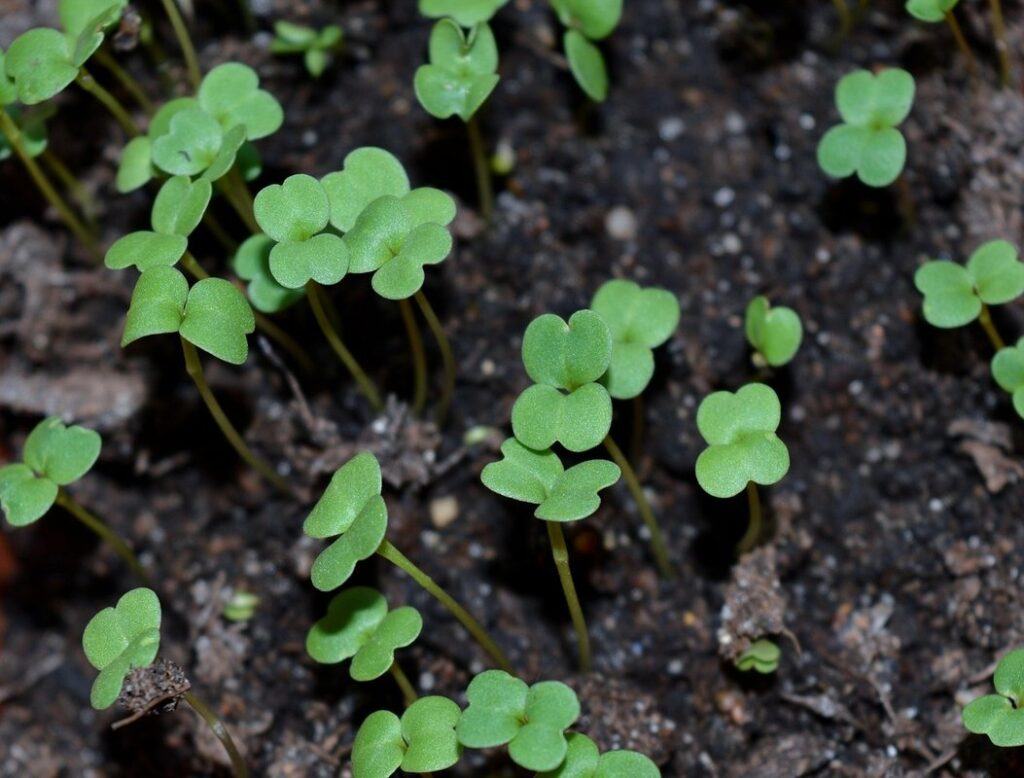
Benefits and Uses of Microgreens
Now that you’ve got a handle on growing microgreens, let’s explore the many benefits and uses for these nutrient-dense superfoods in your kitchen.
Introduction to Microgreens
Microgreens are the young, nutrient-dense versions of leafy greens and other vegetables. They’re harvested within 1-3 weeks of germination, when they have two sets of leaves. This early harvesting period allows microgreens to absorb all the nutrients from the seed without having to expend energy on growth, resulting in an intense flavor and higher nutritional value.
The popularity of microgreens has been growing rapidly over the past decade, driven by their superior taste, texture, and health benefits compared to traditional leafy greens. Many professional chefs and home cooks are now incorporating microgreens into their recipes for added depth and visual appeal. Microgreens offer a range of flavors from peppery arugula and spicy radish to sweet and tangy pea shoots.
In terms of nutritional value, microgreens far surpass their mature counterparts. They contain up to 40 times more vitamins A, C, and E, as well as essential minerals like calcium and iron. By incorporating microgreens into your diet, you can easily boost the nutrient density of your meals without sacrificing flavor or texture.
Nutritional Value of Microgreens
Microgreens are packed with an impressive amount of nutrients, far exceeding those found in their mature counterparts. A single serving of microgreens can contain up to 40 times more vitamins and minerals than a serving of full-grown greens. For instance, pea shoots and radish greens boast significantly higher levels of vitamin C, a crucial antioxidant that helps protect against free radicals and supports immune function.
Vitamin K is another essential nutrient where microgreens excel, with kale and arugula varieties boasting up to 700% more than mature greens. Microgreens also offer an impressive boost in minerals such as calcium, iron, and magnesium – all vital for maintaining strong bones, healthy blood cells, and functioning muscles.
One key advantage of growing microgreens is their ability to absorb nutrients from the soil with maximum efficiency, resulting in a concentrated dose of essential vitamins and minerals. When incorporating microgreens into your diet, remember that variety is key: experiment with different types to ensure you’re getting an even broader range of nutrients.
Culinary Uses for Microgreens
Microgreens can be a game-changer for home cooks and professional chefs alike. Not only do they pack an intense punch of flavor and nutrition, but they’re also incredibly versatile. One of the most exciting ways to use microgreens is as a finishing touch for soups and main courses. Simply sprinkle a few leaves on top of your dish just before serving to add a burst of color, texture, and flavor.
In salads, microgreens can add a depth of flavor that’s hard to find with more mature greens. Try pairing peppery radish microgreens with creamy avocado or sweet pea shoots with tangy feta cheese. You can also use them as a garnish for sandwiches – think crispy lettuce wraps topped with juicy turkey and spicy arugula microgreens.
Microgreens are also a great addition to smoothies, adding a nutrient boost without changing the flavor profile. Simply add a handful of your favorite microgreen to your blender along with your favorite fruits and milks. For example, try combining spinach microgreens with frozen berries and almond milk for a refreshing post-workout smoothie.
When using microgreens in cooking, remember that a little goes a long way. Start with small amounts and taste as you go – it’s easy to add more, but hard to remove excess flavor from your dish. Experiment with different types of microgreens to find the ones that work best for you, and don’t be afraid to get creative!
Choosing the Right Microgreen Varieties
When it comes to growing your own microgreens, selecting the right varieties can be overwhelming. Let’s explore some fast-growing options that are perfect for beginners.
Fast-Growing Varieties for Beginners
If you’re new to microgreen growing, it’s essential to start with varieties that are fast-growing and easy to care for. Among the most popular choices for beginners are salad mix, radish greens, and arugula. These varieties not only thrive quickly but also require minimal maintenance.
Salad mix is a great starting point as it can be harvested in as little as 3-5 days. To grow salad mix successfully, ensure your growing medium has good drainage and provide adequate light – at least 12 hours of indirect sunlight or LED grow lights. Keep the soil consistently moist but not waterlogged.
Radish greens are another beginner-friendly option, taking only 7-10 days to mature. They prefer cooler temperatures (around 60-70°F) and well-draining soil. Sow radish seeds about 1/8 inch deep and keep the soil moist during germination.
Arugula is a hardy variety that can be harvested in 5-7 days. It prefers partial shade and consistent moisture. Sow arugula seeds about 1/4 inch deep and maintain optimal growing conditions to prevent bolting.
These varieties are perfect for beginners as they’re relatively pest-free, easy to care for, and provide a burst of flavor and nutrients in your meals.
Specialty Microgreens for Advanced Growers
For advanced growers looking to push the boundaries of microgreen cultivation, specialty varieties like pea shoots, sunflower greens, and purslane offer a wealth of opportunities for experimentation. These exotic greens bring unique flavor profiles and textures to the table, elevating salads, sandwiches, and other dishes.
Pea shoots, with their delicate sweetness and crunchy texture, require consistent moisture and warmth to thrive. Sow them in well-draining mixes at around 70-75°F (21-24°C) and maintain a humid environment until harvest. Sunflower greens, on the other hand, possess a nutty, slightly bitter taste and can be coaxed into production using a similar approach.
Purslane, with its succulent leaves and tangy zing, prefers warmer temperatures (around 80-85°F or 27-29°C) and well-draining mixes. Harvest purslane when it reaches a minimum of 2-3 inches in height for the best flavor and texture. By mastering these specialty varieties, growers can unlock a world of creative possibilities in their microgreen cultivation endeavors.
Considerations for Indoor vs. Outdoor Growing
When it comes to growing microgreens, you have two main options: indoor and outdoor. While both methods can be effective, they have some key differences that’ll help you decide which one is best for you.
First, consider the climate where you live. If you’re located in a region with harsh winters or extreme temperatures, indoor growing is likely your best bet. Not only will it protect your microgreens from damage, but it also allows you to control the temperature and humidity levels – perfect for optimal growth. On the other hand, if you live in a mild climate, outdoor growing can be a great option.
Another important factor is space constraints. If you have limited space indoors, consider using vertical gardens or container planters that can be placed on windowsills. These compact setups allow you to grow microgreens even in small apartments or offices. Outdoors, you can use raised beds or larger plots of land to maximize your yield.
When it comes to desired yields, indoor growing often results in more consistent and higher-quality harvests. However, outdoor growing can produce bigger quantities if you have the space and resources to care for a larger crop.
Growing Microgreens: Tips and Techniques
Growing microgreens efficiently requires a combination of optimal growing conditions, precise care, and creative techniques to encourage healthy growth. Let’s dive into these essential tips and tricks to help you succeed!
Soil Preparation and Sowing
When preparing the soil for microgreen growth, it’s essential to create a nutrient-rich environment that promotes healthy development. Start by selecting a well-draining potting mix specifically designed for seed starting. If using a garden bed, ensure the soil has been recently tilled and amended with organic matter.
Sow seeds about 1/8 inch deep and 1-2 inches apart in a grid pattern. This density allows for even growth while minimizing overcrowding. For faster germination, you can also use a technique called “broadcast sowing,” where seeds are scattered evenly across the soil surface. This method reduces seed contact with each other, promoting healthier root development.
When sowing, keep in mind that some microgreens require more space than others. Pea shoots and cress typically thrive at 1-2 inches apart, while looseleaf lettuce and arugula can be planted as close as 0.5 inches apart. Follow the specific spacing recommendations for your chosen microgreen variety to ensure optimal growth.
Lighting and Temperature Requirements
When it comes to growing microgreens, providing optimal lighting and temperature conditions is crucial for their healthy growth and development. Different microgreen varieties have unique requirements, but most thrive under bright, indirect light.
For example, peppermint microgreens prefer temperatures between 65-75°F (18-24°C), while arugula prefers a slightly warmer range of 70-80°F (21-27°C). In terms of lighting, south-facing windows or LED grow lights can provide the necessary intensity. However, it’s essential to avoid direct sunlight, which can cause burning.
If you’re growing microgreens indoors, consider using a combination of natural and artificial light sources. This will ensure that your crops receive the optimal amount of photosynthetic active radiation (PAR) without overheating. Keep in mind that some varieties, like kale and mustard greens, are more forgiving when it comes to temperature fluctuations.
To give you a better idea, here’s a rough estimate of lighting requirements for popular microgreen varieties:
* Peppermint: 10-14 hours of indirect light per day
* Arugula: 12-16 hours of bright, indirect light per day
* Kale and Mustard Greens: 8-12 hours of moderate, indirect light per day
Monitor your microgreens’ growth and adjust the lighting and temperature accordingly. By providing the right conditions, you’ll be able to harvest nutrient-dense microgreens in as little as 7-10 days.
Watering and Humidity Management
When it comes to growing microgreens, maintaining the right balance of watering and humidity is crucial for promoting healthy root development. This is especially true for fast-growing varieties that thrive in a controlled environment.
Aim to water your microgreens when the top inch of soil feels dry to the touch. Avoid overwatering, which can lead to root rot and other problems. Instead, use a gentle mist or spray to keep the leaves hydrated without washing away essential nutrients. For example, a study by the University of California found that watering microgreens with a fine mist increased yields by up to 20% compared to traditional irrigation methods.
To manage humidity levels, maintain an environment between 50-70% relative humidity (RH). You can achieve this using a humidifier or by placing the growing tray on top of a water-soaked towel. Consistency is key: try to maintain the same temperature and humidity levels throughout the day to promote healthy growth.
Some fast-growing microgreens, such as radish and pea shoots, are more sensitive to humidity fluctuations than others. Be sure to monitor your specific variety’s requirements and adjust your care accordingly. With a little practice, you’ll develop a keen sense of when to water and maintain optimal humidity levels for your nutrient-dense harvests.
Harvesting and Storage Techniques
Now that you’ve harvested your fast-growing microgreens, it’s time to store them properly to keep their nutrients locked in. We’ll explore effective techniques for preserving their freshness.
Identifying Optimal Harvest Times
Identifying optimal harvest times for fast-growing microgreens can be a bit tricky, but there are some visual cues and flavor profiles that you can look out for to determine when they’re ready. For most varieties of microgreens, it’s best to harvest them when the first set of true leaves has fully emerged. This is usually around 7-10 days after sowing, depending on factors like weather conditions and growing environment.
When checking for readiness, gently lift a few plants out of their tray or pot. If they’re still too young, the stems will be weak and the leaves will be small and pale. On the other hand, if you notice that the stems are getting woody and the leaves are starting to taste bitter, it’s likely time to harvest them.
In terms of flavor profiles, many microgreens have a more intense or complex flavor when they’re harvested at the right moment. For example, pea shoots have a sweet, tender taste when young, while arugula has a peppery kick that develops as the leaves mature. By paying attention to these visual cues and flavor profiles, you can ensure that your microgreens are picked at their peak freshness and nutritional value.
Handling and Storing Microgreens
Proper handling and storage of harvested microgreens are crucial to maintaining their flavor, texture, and nutrient content. To prevent damage and spoilage, gently rinse the microgreens with cold water immediately after harvest. Excess moisture can lead to mold and root rot, so it’s essential to dry them thoroughly before storing.
Store microgreens in a sealed container or plastic bag, making sure to remove as much air as possible to prevent oxidation. You can also use mesh bags or breathable containers to allow for airflow while keeping dust out. Refrigerate at a consistent temperature below 40°F (4°C) to slow down the respiration process and extend shelf life.
Typically, microgreens stored this way will last 3-5 days, but some varieties like pea shoots can remain fresh for up to a week. Always inspect your stored microgreens daily for signs of spoilage and use them within their expected shelf life to ensure optimal flavor and nutrition. By following these simple steps, you’ll be able to enjoy your fast-growing microgreens at their best.
Tips for Extending Shelf Life
When it’s time to store your microgreens, proper handling and storage can make all the difference in maintaining their freshness. Start by gently washing the greens with a fine-mesh strainer under cold running water to remove excess dirt and debris. Next, dry them thoroughly using a salad spinner or paper towels to prevent moisture from accumulating.
To extend shelf life, store microgreens in sealed containers, such as glass jars or plastic bags, to maintain humidity levels. You can also use reusable containers with lids to minimize waste. Place the container in the refrigerator at 32-40°F (0-4°C) to slow down spoilage. Be sure to check on them regularly and remove any that have begun to wilt or develop off-flavors.
Some microgreens, like pea shoots and cress, are more delicate than others and require extra care when storing. Keep these varieties in the coldest part of your fridge, usually the crisper drawer, to maintain optimal freshness for up to 5 days. By following these storage tips, you can enjoy your fast-growing microgreens for a longer period while maintaining their peak nutritional value.
Pests, Diseases, and Other Challenges
Growing microgreens can be a thrilling experience, but it’s not without its challenges. Let’s tackle some common issues that may arise in your fast-growing microgreen garden.
Common Issues Affecting Microgreen Growth
Microgreen growers often face common pests and diseases that can impact growth and yield. One of the most prevalent issues is aphids, tiny insects that feed on sap and cause curled or distorted leaves. Whiteflies are another culprit, laying eggs on the underside of leaves and causing damage.
Fungal infections like powdery mildew and downy mildew can also arise in microgreen crops, especially if they’re exposed to excessive moisture or humidity. To prevent these issues, make sure your growing area is well-ventilated and maintain a temperature between 60-75°F (15-24°C). Use neem oil or insecticidal soap to control aphid populations.
Keep an eye out for fungal infections by monitoring your plants regularly. If you notice white powdery patches or yellowing leaves, treat the area with a fungicide specifically designed for microgreens. Regular harvesting and crop rotation can also help prevent pests and diseases from building up.
Some common mistakes that contribute to pest and disease issues include overwatering and inadequate air circulation. Avoid these pitfalls by monitoring your plants’ water needs and ensuring they receive adequate light and airflow. With proper care and attention, you can minimize the risk of pests and diseases impacting your microgreen harvests.
Strategies for Integrated Pest Management (IPM)
When growing fast microgreens, it’s essential to employ Integrated Pest Management (IPM) techniques to minimize chemical use and promote a balanced ecosystem. This approach involves using biological controls and organic pesticides whenever possible. By adopting IPM strategies, you can reduce the risk of pest infestations while maintaining soil health and preserving biodiversity.
One effective biological control is introducing beneficial insects, such as ladybugs or lacewings, which prey on common pests like aphids and whiteflies. For instance, if your microgreens are being targeted by aphids, releasing a few dozen ladybugs into the growing area can help regulate the population. Another option is to use neem oil, a natural insecticide derived from the seeds of the neem tree.
When using organic pesticides, choose products that are specifically labeled for use on microgreens and follow the recommended application rates carefully. For example, spinosad is a popular organic pesticide that’s effective against a range of pests, including fungus gnats and spider mites. To minimize chemical use altogether, maintain good growing practices like providing adequate air circulation, ensuring proper watering, and using clean equipment.
Best Practices for Soil and Water Sanitation
Maintaining soil and water quality is crucial for preventing contamination and disease outbreaks in microgreen growing environments. This is especially important when working with fast-growing microgreens, which can be more susceptible to stress due to their rapid growth rates.
When it comes to soil sanitation, regular testing for nutrient deficiencies and pH levels is essential. Aim for a slightly acidic to neutral pH (around 6.0-7.0) and ensure the soil has adequate nitrogen, phosphorus, and potassium levels. Use organic amendments like compost or worm castings to maintain soil fertility without introducing pathogens.
Water sanitation is equally important. Use filtered water from trusted sources, and avoid reusing tap water that may contain contaminants. Change the water frequently, especially if it’s being used for multiple harvests. Consider using a UV filter or ozonation system to eliminate bacterial and fungal pathogens. Regularly disinfect equipment with mild bleach solutions (1:10 ratio) to prevent cross-contamination.
Remember, maintaining healthy soil and water quality can significantly reduce the risk of disease outbreaks in your microgreen crop.
Frequently Asked Questions
Can I grow microgreens indoors all year round?
Yes, you can grow microgreens indoors all year round with the right equipment and care. This includes providing sufficient lighting, maintaining optimal temperature (around 65-75°F) and humidity levels, and ensuring good air circulation. You can also use LED grow lights to supplement natural light during winter months.
How do I prevent pests from affecting my microgreen crops?
Pests like aphids, whiteflies, and spider mites can be a common problem when growing microgreens indoors. To prevent infestations, ensure your equipment is clean and sanitized regularly, provide good air circulation, and monitor your plants daily for signs of pest activity. You can also use neem oil or insecticidal soap as a last resort.
Can I grow multiple varieties of microgreens together?
Yes, you can grow multiple varieties of microgreens together in the same container, but it’s essential to choose varieties with similar growing requirements and mature times. For example, you can combine leafy greens like kale and spinach with herbs like basil or cilantro. However, avoid mixing fast-growing microgreens with slower-growing ones.
How do I store harvested microgreens to maintain their freshness?
To extend the shelf life of your harvested microgreens, store them in a sealed container lined with paper towels in the refrigerator at a consistent temperature below 40°F (4°C). You can also add a layer of ice packs for extra cooling. Use within 3-5 days of harvest for optimal flavor and nutritional value.
Can I grow microgreens from seeds that have been stored for an extended period?
While it’s possible to store seeds for an extended period, their viability may decrease over time. For best results, use fresh seeds or those stored in a cool, dry place (e.g., in an airtight container in the refrigerator). Always test a small batch of seeds before sowing them in large quantities to ensure they are still viable.