
Are you tired of throwing away old planters or wondering how to give new life to those broken terracottas? Repurposing old planters is not only an eco-friendly way to reduce waste, but it’s also a fantastic opportunity to get creative and breathe new life into your home decor. By upcycling old planters, you can transform them into one-of-a-kind decorative pieces that add a personal touch to your garden or indoor space. But where do you start? In this article, we’ll explore innovative ideas and techniques for repurposing old planters, from turning old containers into unique vases and pen holders to creating stunning outdoor planters that will make your neighbors green with envy. Whether you’re a seasoned DIY enthusiast or just starting out, get ready to unleash your creativity and discover the joy of repurposed planters!
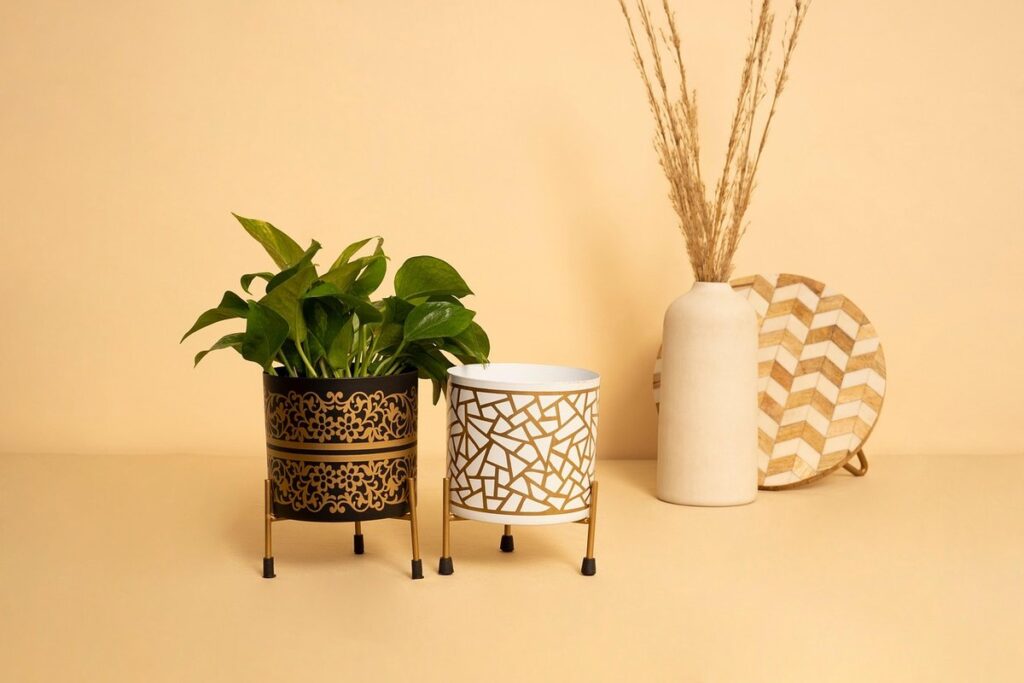
Introduction to Repurposed Planters
Let’s dive into the world of repurposed planters, where discarded containers get a second life as beautiful and functional garden additions. In this next part, we’ll explore some amazing examples to spark your creativity.
Benefits of Upcycling Old Planters
When it comes to creating a beautiful garden or indoor space, planters play a crucial role. Instead of tossing old planters and buying new ones, consider upcycling them – a creative way to give new life to discarded items while saving the environment and your wallet.
Not only does repurposing old planters reduce waste and minimize environmental impact, but it also helps you save money in the long run. According to the United States Environmental Protection Agency (EPA), millions of tons of household waste end up in landfills each year. By giving new life to your old planters, you’re reducing the amount of waste sent to landfills.
To get started with upcycling your old planters, begin by cleaning them thoroughly and disinfecting any remaining soil or debris. Next, think about what materials you can add to give them a fresh look – paint, stencils, and decoupage are just a few ideas. For example, you could turn an old wooden planter into a unique birdhouse or create a mosaic design on a ceramic planter using leftover tiles.
Some other benefits of upcycling planters include:
* Reduced carbon footprint from manufacturing new planters
* Potential to reuse materials already in your home, reducing the need for new purchases
* A fun and creative way to express yourself through DIY projects
Understanding Different Types of Planters
When it comes to traditional planters, various materials are used, each with its own unique characteristics and possibilities for repurposing. Let’s take a look at some of the most common types: ceramic, plastic, wood, and metal.
Ceramic planters, often made from clay or earthenware, can be easily upcycled into beautiful garden decorations. Give an old ceramic planter a new life by transforming it into a self-watering planter using a water reservoir or creating a mosaic art piece with broken ceramics. You can also use ceramic tiles to create a stunning tabletop planter.
Plastic planters, made from polyethylene or polypropylene, are another popular choice for planters. Repurpose plastic containers like old buckets or tubs into vertical gardens or hanging baskets. Make sure to clean and disinfect the plastic thoroughly before using it as a planter.
Wooden planters offer a natural and rustic look that can add charm to any garden or indoor space. Repurpose an old wooden crate or pallet into a planter box, adding a touch of countryside flair to your home decor. Use reclaimed wood to create a unique wooden planter with built-in trellis or irrigation system.
Metal planters, made from steel, aluminum, or copper, can be repurposed in various creative ways. Turn an old metal tub into a garden fountain, creating soothing water sounds and adding visual appeal to your garden. Use metal mesh or wire to create a unique hanging planter for climbing plants like vines or ivy.
Choosing the Right Planter for Repurposing
When it comes to repurposing planters, selecting the right one is crucial. You want a planter that fits your design style and meets the needs of the project you have in mind.
Assessing Planter Condition and Material
When selecting a planter for repurposing, it’s essential to assess its condition and material before giving it new life. The first step is to evaluate the planter’s condition by checking for any signs of damage, such as cracks, chips, or breaks. Look for any areas where water may seep in or out, which can compromise the health of your plants.
Consider the material from which the planter is made. Is it ceramic, terracotta, plastic, or wood? Different materials have varying levels of durability and sustainability. For example, ceramic planters are often more porous than plastic ones, which can be beneficial for certain types of plants that require good drainage. On the other hand, wooden planters may harbor pests or rot if not properly maintained.
Take into account the size of the planter as well. If it’s too small, it may not provide enough room for your plants to grow, while a planter that’s too large can be unwieldy and take up valuable space in your garden or indoor space. By carefully evaluating these factors, you’ll be better equipped to choose a planter that meets the needs of both your plants and your repurposing project.
Identifying Unique Features and Design Elements
When it comes to repurposing planters, one of the most crucial steps is identifying unique features and design elements that can add character to the final product. This is where patterns and textures come into play. A beautiful pattern or an intriguing texture can instantly elevate a planter’s aesthetic appeal.
Take, for instance, a vintage metal planter with intricate etchings or a distressed wooden planter with visible grain patterns. These unique features not only add visual interest but also provide opportunities to get creative. You could incorporate the existing design elements into your repurposing project by painting over them, adding new embellishments, or even using them as a starting point for a decoupage technique.
When evaluating planters for repurposing, keep an eye out for these distinctive features:
* Intricate carvings or etchings
* Visible grain patterns on wood
* Colorful glazes or ceramics
* Textured finishes like burlap or canvas wraps
By recognizing and incorporating unique design elements, you can breathe new life into a planter and create a truly one-of-a-kind piece that reflects your personal style.
DIY Repurposing Techniques for Planters
Take your old planters and give them a brand new life by upcycling them into unique containers using simple, creative techniques that require minimal effort. We’ll show you how to breathe new life into your existing planters.
Upcycling with Paint and Stain
Upcycling with paint and stain is an excellent way to breathe new life into old planters. Not only does it give them a fresh look, but it also helps reduce waste by reusing materials that would otherwise end up in the landfill.
When choosing a paint or stain, consider the color scheme you want to achieve and the type of finish you prefer – matte, glossy, or textured. For example, you can use a distressed finish on an old wooden planter to give it a vintage look. Or, opt for a bright, bold color to create a modern and playful vibe.
To get started, clean your planter thoroughly to remove any dirt or debris. If the surface is rough or uneven, lightly sand it to ensure better paint adhesion. Next, apply a coat of primer (if necessary) followed by one or two coats of paint or stain, depending on the desired finish. To add extra texture and interest, use stencils or stamps with a contrasting color.
Consider repurposing an old metal planter as a unique piece for your home decor. Paint it in bright colors to create a statement piece that adds personality to any room.
Creative Decoupage and Mosaic Ideas
Get creative with decoupage and mosaic techniques to transform your planters into one-of-a-kind masterpieces. Decoupage is a fun and versatile technique that involves applying cut-out images onto a surface, while mosaics add an extra layer of dimensionality by using small tiles or pieces of glass.
To get started with decoupage, gather some old book pages, magazine cutouts, or even photographs, along with a sealant like Mod Podge. Choose a planter that’s clean and dry, then apply the cut-out images, overlapping them for a seamless look. Finish by applying multiple coats of sealant to protect your design.
Mosaics involve creating an image using small pieces of tile, glass, or stone. You’ll need a base coat of adhesive, a variety of mosaic materials in different colors and shapes, and a grout to fill the gaps between tiles. Apply the adhesive to the planter, arranging tiles according to your design before sealing with additional coats of adhesive and finally grouting.
For example, use old music sheets for a decoupage pattern or create a mosaic image using seashells for an ocean-inspired look. With these techniques, you can transform plain planters into unique works of art that reflect your personal style.
Planting and Caring for Repurposed Planters
Now that you’ve found a unique planter, let’s dive into planting and caring for your repurposed treasure to bring it to life. Proper care will ensure its beauty endures for years to come.
Soil Selection and Fertilization
When it comes to planting in repurposed containers, choosing the right soil is just as important as selecting the planter itself. Repurposed planters can be made from a variety of materials, each with its own unique characteristics that may affect drainage and nutrient retention.
For example, if you’re using an old wooden barrel, you’ll want to use a well-draining potting mix specifically designed for containers with poor water-holding capacity. This will prevent waterlogged soil and root rot. On the other hand, planters made from terracotta or ceramic may require more moisture-retentive soils to maintain optimal levels of hydration.
In terms of fertilization, plants in repurposed planters often have different nutrient needs than those planted directly into the ground. This is due to differences in soil pH and nutrient availability. A balanced fertilizer specifically formulated for container gardens will provide essential nutrients for healthy growth.
To get started with selecting the right soil and fertilizers, consider the type of planter you’re using, the plant’s specific needs, and your local climate. This will help you choose the best mix for optimal results.
Tips for Optimal Watering and Sunlight
When repurposing planters, it’s essential to consider the specific needs of the plants you’ll be placing within them. Watering and sunlight requirements can vary significantly depending on the type of plant, its size, and the planter itself. To ensure optimal conditions for your plants, pay attention to the following key factors.
Firstly, inspect the material of your repurposed planter. For example, terracotta pots tend to dry out faster than those made from plastic or ceramic materials. If you’re using a porous material like terracotta, make sure to water more frequently to prevent overwatering. Conversely, if you have a planter with poor drainage, you may need to adjust your watering schedule accordingly.
When it comes to sunlight, consider the direction and amount of direct sunlight your repurposed planter will receive. For plants that require full sun, place them in an east- or west-facing spot. On the other hand, if your plant prefers partial shade, position it on a north-facing wall or under an umbrella.
To give you a rough estimate, here are some general guidelines for watering and sunlight:
* Small plants (less than 6 inches in height): Water every 2-3 days
* Medium-sized plants: Water every 1-2 weeks
* Large plants (over 12 inches in height): Water every 7-10 days
Adjust these schedules based on the specific needs of your plants and planter material.
Innovative Repurposing Ideas for Planters
Take your planter game to the next level by transforming old boots, wooden pallets, and even vintage suitcases into unique planters that add a touch of personality to your space. Get inspired!
Turning Planters into Lighting Fixtures
One of the most fascinating ways to repurpose old planters is by transforming them into unique lighting fixtures. Think lanterns, pendant lights, or even a string of fairy lights nestled within a vintage planter. With a little creativity and some basic DIY skills, you can breathe new life into an old container.
To get started, scour your local thrift stores or second-hand shops for planters that possess the right shape, size, and material to serve as a light fixture. You’ll want to look for containers made from materials like glass, metal, or ceramic – these will provide better durability and insulation. Once you’ve found your planter, simply drill holes in strategic locations to accommodate LED lights, fairy lights, or even string lights.
As you design your lighting fixture, consider the overall aesthetic you’re aiming for. Do you want a soft, warm glow or a brighter, more dramatic light? Choose materials and light sources accordingly. You can also add decorative touches like paint, stencils, or even mosaics to give your planter-turned-lighting-fixure a one-of-a-kind look.
With some basic electrical know-how, you can install a light source within the planter. Make sure to follow safety guidelines when working with electricity and use materials that are suitable for indoor or outdoor use depending on where you plan to place the fixture.
When it comes to powering your planter lighting fixture, consider using rechargeable batteries or energy-efficient LED lights to minimize environmental impact. With these simple steps, you can create a unique conversation piece that not only saves waste but also adds ambiance to any room in your home.
Planter-Based Birdhouses and Feeders
Transforming planters into birdhouses or feeders is an innovative way to repurpose them. This idea not only gives old planters a new lease on life but also provides a unique opportunity for you to create a haven for local wildlife.
When considering planter-based birdhouses and feeders, there are several benefits to keep in mind. For one, they can be a visually appealing addition to your garden or backyard, adding a touch of whimsy and personality. Moreover, these repurposed planters can serve as an educational tool for children, teaching them about the importance of wildlife conservation and the value of repurposing.
However, there are also some considerations to take into account when transforming planters into birdhouses or feeders. For instance, you’ll need to ensure that the planter is secure and sturdy enough to withstand the elements and any potential damage from birds or other wildlife. You may also want to consider adding features such as perches, nesting boxes, or trays to make your creation more functional.
Some practical tips for creating a birdhouse or feeder out of a planter include:
* Choose a planter with a wide mouth and sturdy base for added stability
* Consider using a waterproof sealant to protect the planter from moisture damage
* Add some camouflage features, such as twigs or leaves, to help the birdhouse blend in with its surroundings
* Make sure to place your creation in an area that receives partial shade and has access to clean water
Repurposed Planters in Interior Design
When it comes to repurposing planters, interior designers are getting creative by turning them into unique storage solutions and decorative pieces that add character to any room. Let’s explore some innovative ideas.
Using Vintage Planters as Decorative Pieces
Vintage planters can breathe new life into interior spaces by adding a touch of history and character. When repurposed as decorative pieces, they can become unique conversation starters that reflect the homeowner’s personality and style.
Start by scouring thrift stores, antique shops, or online marketplaces for one-of-a-kind vintage planters. Look for pieces with intricate designs, distressed finishes, or ornate details that will add visual interest to a room. Before displaying your find, clean it thoroughly to remove any dirt or grime that may have accumulated over time.
To create a cohesive look, group vintage planters together on a shelf, sideboard, or coffee table. Mix and match different shapes, sizes, and materials to create a visually appealing arrangement. Consider pairing old with new pieces, like placing a vintage planter next to a modern vase or decorative object. This juxtaposition can add depth and interest to the space.
When displaying your repurposed planters, don’t forget to add some greenery – real or artificial – to bring in a pop of color and texture. This will not only enhance the planter’s aesthetic but also create a welcoming atmosphere in the room.
Planter-Based Centerpieces and Arrangements
Planter-Based Centerpieces and Arrangements are an excellent way to add a touch of elegance and personality to various spaces. By repurposing old planters, you can create unique centerpieces that not only complement the room’s décor but also serve as conversation starters.
When selecting planters for your centerpiece or arrangement, consider the shape, size, material, and color of each planter. Mixing and matching different textures, patterns, and hues will add visual interest to your design. For example, you can combine a vintage ceramic pot with a sleek glass container or pair a natural stone planter with a brightly colored terracotta vessel.
To create a stunning centerpiece arrangement, start by choosing a focal point – this could be an eye-catching planter or a statement piece of art – and then build your design around it. Balance the visual weight of each planter by distributing them evenly across the space or creating a visually appealing asymmetry. Don’t forget to add some greenery – whether it’s fresh flowers, succulents, or lush foliage – to bring life and color to your arrangement.
Some practical tips for planter-based centerpieces include:
* Mixing large and small planters to create visual contrast
* Incorporating candles, pebbles, or other decorative elements to add depth and texture
* Choosing planters with unique shapes, such as spheres, cones, or cylinders, to add visual interest
* Using a variety of heights to create a dynamic, layered look
By repurposing old planters and experimenting with different design combinations, you can create one-of-a-kind centerpieces that reflect your personal style and add warmth to any space.
Frequently Asked Questions
What kind of materials can I use to upcycle old planters?
You can repurpose a wide variety of materials, such as old terracottas, ceramic pots, metal containers, wooden barrels, and even plastic bottles. Get creative with your selection, but ensure the material is sturdy enough for your desired project.
How do I prepare an old planter for upcycling if it has cracks or chips?
Before upcycling, inspect the planter carefully for any damage. Clean the area thoroughly to remove dirt and debris. If the crack or chip is significant, consider using a sealant or repairing it with cement before moving forward.
Can I use repurposed planters in extreme weather conditions, like freezing temperatures or direct sunlight?
Yes, many repurposed planters can withstand harsh weather conditions. However, if you’re using materials sensitive to temperature changes (e.g., terracotta), ensure they are treated with a sealant or painted for added protection.
How do I balance the weight of my repurposed planter when it’s heavy and top-heavy?
To prevent your planter from tipping over, consider adding weights or stabilizing the planter using cement or epoxy. Also, ensure the planter is securely anchored to its base or surface.
Can I mix different materials in a single repurposed planter, such as wood and metal?
Yes, you can combine different materials to create unique and visually appealing designs. Just ensure that each material is compatible with the others in terms of durability and stability.
Note: The answers provide specific guidance on practical next steps, common challenges, and implementation details related to repurposing old planters.