
Are you interested in harnessing the healing power of nature through medicinal herbs? With so many options available, it can be overwhelming to navigate the benefits and risks associated with each one. That’s why we’ve created this ultimate guide to medicinal herbs, featuring a comprehensive chart that breaks down essential information at a glance. From common uses and side effects to expert advice on safe usage, our chart is designed to help you make informed decisions about incorporating these natural remedies into your healthcare routine.
In this article, we’ll take you through the key considerations when using medicinal herbs, including their benefits and risks, and provide expert guidance on how to use them effectively. Whether you’re a seasoned herbalist or just starting out, our chart will give you the tools you need to get started with confidence.
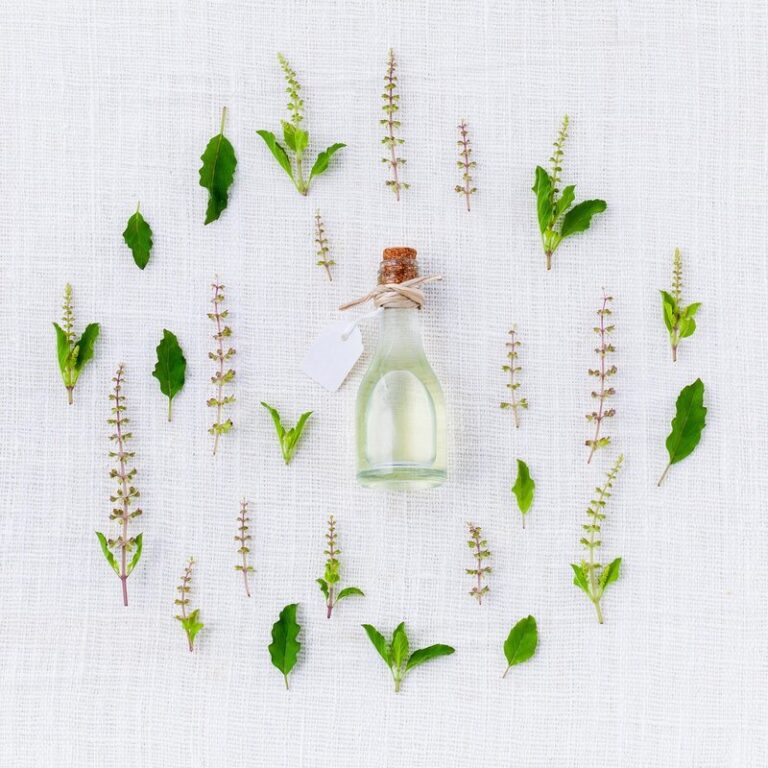
Introduction to Medicinal Herbs
Welcome to our guide on medicinal herbs, where we’ll explore the basics of these incredible plants and how they’ve been used for centuries to promote health and wellness.
We’ll start by covering the fundamental concepts of medicinal herbs, including their history, benefits, and most common uses.
History of Medicinal Herb Use
Medicinal herbs have been used for centuries to promote health, wellness, and healing. One of the most fascinating aspects of herbalism is its rich history, spanning across various ancient civilizations that made significant contributions to modern herbalism.
The earliest recorded use of medicinal herbs dates back to around 5000 BC in ancient China, where plants like ginseng and licorice root were used for their therapeutic properties. Similarly, in India, the Ayurvedic tradition, dating back over 5,000 years, emphasizes the importance of using natural herbs to balance the body’s energy.
In ancient Greece, Hippocrates (460-370 BC) is said to have used medicinal herbs to treat a range of ailments, including digestive issues and skin conditions. The Roman physician Galen also drew upon the knowledge of Greek physicians, further solidifying the use of herbal remedies in Western medicine.
Throughout history, various cultures have discovered, cultivated, and utilized medicinal plants for their unique properties. By studying these ancient practices, we can appreciate the value of traditional herbalism and incorporate its principles into our modern understanding of natural health.
Benefits and Risks of Using Medicinal Herbs
When it comes to using medicinal herbs, there are several benefits to consider. Many herbs have been used for centuries to alleviate a range of health issues, from digestive problems to anxiety and stress. For example, peppermint oil has been shown to ease nausea and irritable bowel syndrome (IBS) symptoms in clinical studies. Ginger has anti-inflammatory properties that can help reduce pain and inflammation.
However, it’s essential to be aware of the potential risks associated with using medicinal herbs. Interactions with prescription medications can occur, especially if you’re taking blood thinners or diabetes medications. For instance, combining St. John’s Wort with certain antidepressants can lead to increased side effects or reduced effectiveness. Additionally, allergic reactions can happen, so it’s crucial to start with small doses and monitor your body’s response.
To use medicinal herbs safely, consult with a healthcare professional before introducing new herbs into your routine.
Commonly Used Medicinal Herbs
When it comes to harnessing the healing power of medicinal herbs, there are several tried-and-true options that have been used for centuries in traditional medicine. Let’s take a closer look at some of the most commonly used ones.
Top 10 Most Effective Medicinal Herbs
When it comes to using medicinal herbs for various health conditions, knowing which ones are most effective can be overwhelming. To make it easier, we’ve compiled a list of the top 10 most effective medicinal herbs, along with their uses, benefits, and precautions.
Turmeric (Curcuma longa) is at the top of our list due to its potent anti-inflammatory properties, making it an excellent natural remedy for arthritis, joint pain, and inflammatory bowel disease. Ginger (Zingiber officinale) follows closely, with its ability to alleviate nausea, digestive issues, and menstrual cramps.
Other notable herbs include:
* Echinacea (Echinacea spp.) for immune system support
* Slippery Elm (Ulmus rubra) for digestive health and skin conditions
* Peppermint (Mentha piperita) for respiratory issues and IBS relief
* Sage (Salvia officinalis) for cognitive function and menopausal symptoms
* Valerian (Valeriana officinalis) for anxiety, insomnia, and muscle relaxation
* Ginkgo Biloba for memory improvement and circulatory health
* St. John’s Wort (Hypericum perforatum) for mild depression and anxiety
Remember to consult with a healthcare professional before using any medicinal herb, especially if you’re taking medications or have underlying health conditions.
Herb Profiles: Overview of Key Properties
When delving into the world of medicinal herbs, it’s essential to understand the unique properties and characteristics of each individual plant. Our herb profiles provide a comprehensive overview of key chemical properties, traditional uses, and modern applications for commonly used medicinal herbs.
For instance, let’s take Turmeric (Curcuma longa) as an example. This vibrant spice contains curcuminoids, primarily curcumin, which are responsible for its potent anti-inflammatory and antioxidant effects. Traditionally, turmeric has been used in Ayurvedic medicine to treat digestive issues, skin conditions, and joint pain. Today, we see it being incorporated into modern treatments for arthritis, cancer prevention, and even as a natural food coloring.
In the same vein, Ginger (Zingiber officinale) boasts anti-inflammatory compounds called gingerols and shogaols, making it an effective remedy for nausea, digestive issues, and menstrual cramps. This versatile root has been used in traditional Chinese medicine to treat colds, coughs, and fever. Modern applications include its use as a natural pain reliever and antacid.
When working with medicinal herbs, it’s crucial to understand their chemical makeup and historical uses to unlock their full potential. By familiarizing yourself with these properties, you can make informed decisions about which herbs to use for specific health concerns and how to incorporate them safely into your practice or routine.
Identifying and Using Medicinal Herbs
Now that you have a solid foundation on medicinal herbs, let’s dive into identifying the right ones for your needs and how to safely incorporate them into your routine.
How to Identify Wildcrafted Medicinal Herbs
When foraging for wildcrafted medicinal herbs, it’s essential to be able to identify them correctly. This requires a combination of knowledge about their physical characteristics, growth habits, and habitats. Start by learning the distinctive features of common species, such as the shape and arrangement of leaves, the color and shape of flowers, and the texture and appearance of roots.
For example, wild chamomile (Matricaria chamomilla) has daisy-like flowers with white petals and a yellow center, while its leaves are fern-like and have a soft, downy texture. On the other hand, yarrow (Achillea millefolium) has delicate, fern-like foliage and flat-topped clusters of small white or yellow flowers.
When examining roots, look for distinctive features such as color, shape, and size. For instance, goldenseal (Hydrastis canadensis) has a thick, fleshy root with a characteristic yellow or orange color. Familiarize yourself with these characteristics to ensure you’re harvesting the right plant. Consult field guides, online resources, or experienced foragers to build your knowledge and confidence in identifying wildcrafted medicinal herbs. With practice and patience, you’ll become proficient in recognizing even the most subtle differences between species.
Preparation Methods for Medicinal Herbs
When it comes to using medicinal herbs, preparation is key. The method you choose can greatly impact the efficacy and potency of the herb. There are several ways to prepare medicinal herbs, each with its own unique benefits.
One popular method is tea-making. To make a medicinal tea, start by measuring out the correct amount of dried herb (a general rule of thumb is 1 teaspoon per cup of boiling water). Pour boiling water over the herb and let it steep for 5-10 minutes. Strain the liquid and discard the solids. This method is ideal for herbs like peppermint and chamomile, which are easily absorbed by the body.
Tinctures are another effective way to use medicinal herbs. Tincture production involves soaking the herb in a solvent (usually vodka or glycerin) to extract its active compounds. The resulting liquid can be taken sublingually (under the tongue) for quick absorption. This method is ideal for herbs like ginseng and ashwagandha, which are often used for their adaptogenic properties.
Salves are topical preparations made from infused oils or fats. To make a salve, infuse the herb in a carrier oil (like coconut or olive oil), then mix it with a thickening agent (like beeswax). Apply topically to affected areas for localized relief. This method is ideal for herbs like calendula and arnica, which are often used to soothe skin irritations.
When preparing medicinal herbs, remember to always follow proper safety protocols: consult with a healthcare professional before using any new herb, especially if you have underlying health conditions or allergies.
Charting and Tracking Medicinal Herb Usage
To make the most of your medicinal herb collection, it’s essential to chart and track their usage accurately. This ensures you get the best results and can make informed decisions about future harvests.
Creating a Personal Herbalist’s Journal
Creating a personal herbalist’s journal is an essential tool for tracking medicinal herb usage. By recording your observations and experiences, you’ll be able to refine your herbal practice and make informed decisions about future treatments.
To start, consider investing in a dedicated notebook or binder specifically designed for this purpose. Look for one with blank pages or grid paper that will allow you to organize your notes effectively. Include sections for:
* Date and herb used: Record the date of each treatment and the specific herbs employed.
* Dosage and preparation: Note the amount of herb used, method of preparation (e.g., tea, tincture, salve), and any relevant instructions.
* Symptoms and outcomes: Track the symptoms or conditions being treated and record any notable changes or improvements.
Including photos of the herbs, plants, or preparations can also be helpful for future reference. Consider including space for sketches or illustrations to help document plant morphology and identification. By regularly reviewing your journal entries, you’ll begin to notice patterns and correlations that will guide your herbal practice and inform your decision-making.
Using Charts and Spreadsheets to Track Progress
Using charts and spreadsheets can be a game-changer when it comes to tracking progress with medicinal herbs. By leveraging these tools, you can monitor side effects, identify patterns, and make informed decisions about your treatment plan.
Let’s say you’re using a spreadsheet to track your use of feverfew for migraines. You could create columns for the date, dosage, symptoms before and after taking the herb, and any notable side effects. As you collect data over time, you might notice that taking feverfew consistently reduces your migraine frequency by 30%. This information can help you adjust your treatment plan accordingly.
Another benefit of using charts is to visualize patterns in your medicinal herb use. For example, if you’re tracking your consumption of turmeric for inflammation, a chart could show how the dosage affects the intensity of symptoms over time. By analyzing this data, you might find that taking 2 grams of turmeric daily provides better relief than 1 gram.
When choosing a spreadsheet or chart to track progress, consider what information is most important to your medicinal herb use. Identify key metrics such as dosage, frequency, and symptom severity. Use formulas to automate calculations and ensure accuracy. Regularly review your data to make adjustments and optimize your treatment plan.
Safety Precautions and Interactions
Before using any medicinal herbs, it’s essential to understand potential safety precautions and interactions that may occur when combining them with other medications. This section highlights critical considerations for safe use.
Interactions with Prescription Medications
When combining medicinal herbs with prescription medications, it’s essential to be aware of potential interactions. These interactions can range from mild side effects to severe health risks, depending on the specific herbs and medications involved.
For example, St. John’s Wort is known to interact with a variety of antidepressants, including selective serotonin reuptake inhibitors (SSRIs) and monoamine oxidase inhibitors (MAOIs). This interaction can lead to decreased effectiveness of the prescription medication or even increased side effects. Similarly, ginkgo biloba may interact with blood thinners such as warfarin, increasing the risk of bleeding.
Consulting a healthcare professional before combining medicinal herbs with prescription medications is crucial. They can assess your individual situation and provide guidance on safe usage. In some cases, alternative treatments or herb combinations that minimize interactions may be recommended.
It’s also important to note that herbal supplements are not always regulated by government agencies, which means their safety and efficacy may vary greatly. Always choose reputable sources and follow dosing instructions carefully to minimize risks.
Allergic Reactions and Contraindications
When using medicinal herbs, it’s essential to be aware of potential allergic reactions and contraindications. Some people may experience adverse effects due to an allergy or sensitivity to specific herbs.
Allergic Reactions:
Some common medicinal herbs can cause allergic reactions, such as:
* Echinacea: May trigger anaphylaxis in rare cases
* Ginger: Can cause skin irritation, hives, and itching in sensitive individuals
* St. John’s Wort: Has been linked to hypersensitivity reactions, including anaphylaxis
Contraindications:
Certain health conditions or populations may require caution when using medicinal herbs. These include:
* Pregnancy and breastfeeding women: Certain herbs like Evening Primrose Oil and Dong Quai should be avoided due to potential hormonal effects
* Children under 12 years old: Many herbs, such as Ginseng and Ephedra, are not recommended for young children due to their stimulant properties
* People with bleeding disorders or taking anticoagulant medications: Herbs like Ginkgo Biloba and Turmeric may increase the risk of bleeding
Conclusion and Future Directions
Now that you’ve learned how to identify, harvest, and utilize medicinal herbs, let’s discuss the practical applications and future research directions for these incredible plants.
Integrating Medicinal Herbs into Modern Healthcare
As we conclude our comprehensive guide to medicinal herbs, it’s essential to explore their potential role in modern healthcare. Medicinal herbs have been used for centuries to treat various ailments, and with the rising awareness of natural remedies, their use is gaining momentum. In fact, a study published in the Journal of Ethnopharmacology found that 75% of traditional medicines are plant-derived.
Integrating medicinal herbs into conventional treatments can be beneficial for patients seeking holistic approaches to healthcare. For instance, a combination of herbal extracts and chemotherapy has been shown to improve cancer treatment outcomes in some cases. However, it’s crucial to consult with a qualified healthcare professional before using medicinal herbs alongside conventional treatments.
When incorporating medicinal herbs into modern healthcare, consider the following:
* Consult with a healthcare practitioner experienced in botanical medicine.
* Choose high-quality, standardized herbal products.
* Monitor and adjust treatment plans as needed.
* Educate patients on proper dosing and potential interactions with medications.
By embracing this integrated approach, we can create more comprehensive and personalized treatment plans that cater to each patient’s unique needs.
Final Thoughts and Recommendations
As you navigate this vast world of medicinal herbs, remember that each plant holds unique properties and potential benefits. From treating anxiety to supporting immune function, the possibilities are endless. Key takeaways from our exploration include understanding the importance of proper identification, dosing, and interactions with other medications.
To further explore medicinal herb usage, we recommend consulting reputable sources like the National Institutes of Health (NIH) or peer-reviewed journals in the field. Familiarize yourself with organizations like the American Herbalists Guild, which offer training and certification programs for herbalists.
When selecting herbs for personal use, prioritize quality over quantity. Choose products from trusted manufacturers that adhere to Good Manufacturing Practices (GMPs). Be mindful of potential allergies, sensitivities, or interactions with medications. Keep accurate records of usage, including dosages, start dates, and any observed effects. This will help you refine your approach and ensure safe, effective use.
Lastly, don’t be afraid to experiment and try new herbs under the guidance of a qualified healthcare professional. With patience, knowledge, and caution, medicinal herbs can become valuable allies in maintaining overall well-being.
Frequently Asked Questions
How can I use the medicinal herb chart for beginners?
The chart is designed to be user-friendly, even for those new to herbalism. Start by familiarizing yourself with the layout and key terms used in the chart. Focus on the most common uses and benefits of each herb, as well as any potential side effects or interactions. As you become more comfortable, refer back to the chart to help guide your decision-making process when incorporating medicinal herbs into your routine.
What if I’m allergic to a specific herb listed in the chart?
If you suspect an allergy or have had adverse reactions to certain plants in the past, consult with a healthcare professional or experienced herbalist before using any new medicinal herbs. They can provide personalized guidance and help you navigate potential risks associated with specific allergies or sensitivities.
How often should I use medicinal herbs to see optimal benefits?
The frequency of use varies depending on individual needs and health goals. As a general rule, start with moderate dosages (follow the recommended guidelines in the chart) and gradually increase as needed under the guidance of an experienced practitioner. Regularly monitor your body’s response and adjust usage accordingly.
Can I grow my own medicinal herbs or should I source from external suppliers?
Both options are viable, depending on your personal circumstances and preferences. Growing your own can provide greater control over quality and purity, but sourcing from reputable suppliers can ensure consistent access to high-quality herbs. Consider your lifestyle, climate, and available space when deciding between these two approaches.
How do I safely store medicinal herbs to preserve their potency?
To maintain the effectiveness of your herbal remedies, store them in a cool, dry place away from direct sunlight and heat sources. Use airtight containers or glass jars with tight-fitting lids to prevent moisture and light exposure. Label each container clearly with the herb’s name, date, and any relevant instructions for use.